

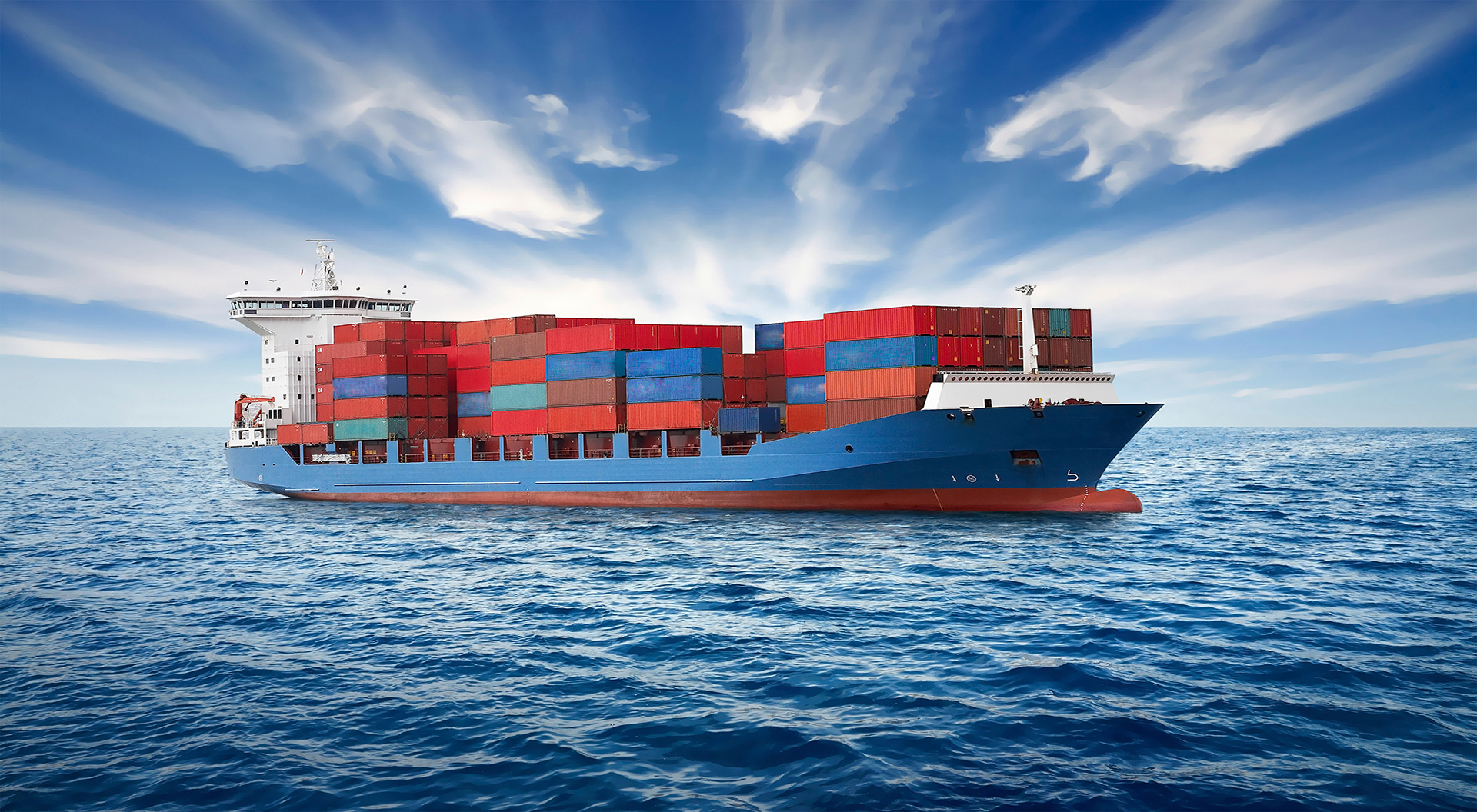
DSV-freight provides reliable and cost-controlled shipping solutions from China to Bangladesh, supporting manufacturers, importers, traders, and project buyers across South Asia. With extensive experience on China–Bangladesh trade lanes, we help clients move cargo efficiently while ensuring customs compliance, schedule stability, and cargo safety.
From origin pickup in China to final delivery in Bangladesh, our logistics team manages international transportation, customs clearance, documentation, and destination coordination. Whether shipping by sea, air, or door-to-door service, DSV-freight delivers smooth and dependable cargo movement throughout the entire shipping process.
DSV-freight offers economical and stable sea freight services from China to Bangladesh via major Chinese ports and key Bangladeshi gateways such as Chittagong Port. Sea freight is ideal for large-volume shipments, heavy cargo, and goods requiring cost-efficient transportation. Our ocean freight solutions support both FCL and LCL shipments, with professional cargo handling, stable sailing schedules, and optimized routing. Sea freight from China to Bangladesh is commonly used for textiles, raw materials, machinery, consumer goods, and industrial products.

For urgent or time-sensitive shipments, DSV-freight provides fast and secure air freight services from China to Bangladesh. By utilizing major airline networks and efficient flight connections, we help reduce transit time while maintaining reliable delivery performance.
Air freight services include export customs clearance, shipment tracking, and coordinated delivery from origin to destination. This solution is suitable for electronics, spare parts, samples, medical supplies, and other high-value cargo.
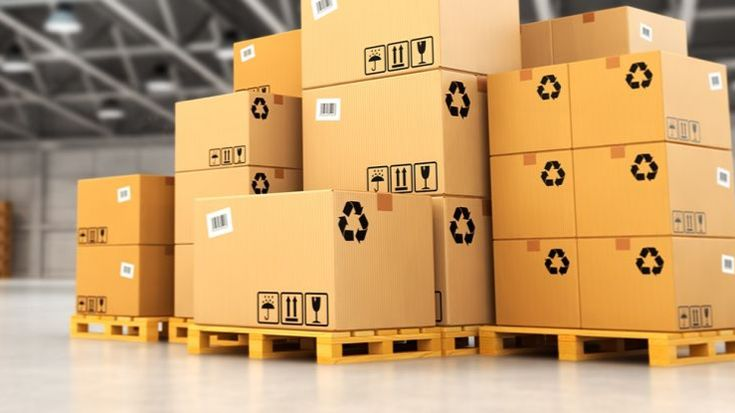
DSV-freight delivers fully managed door-to-door shipping solutions from China to Bangladesh, covering supplier pickup, international transportation, customs clearance, documentation handling, and final delivery.
Door-to-door service helps importers simplify logistics operations, reduce coordination workload, and gain better control over total transportation costs and delivery timelines.

DSV-freight provides structured Full Container Load (FCL) shipping from China to Bangladesh for shippers with stable cargo volumes or higher security requirements. We support standard container types including 20GP, 40GP, and 40HQ, handled through major Chinese export ports.
FCL shipping reduces cargo handling, improves transit predictability, and offers better cost efficiency per unit for bulk and project shipments.
For smaller or consolidated shipments, DSV-freight offers flexible Less than Container Load (LCL) shipping from China to Bangladesh. Our LCL services include origin consolidation, export documentation, international transportation, and destination deconsolidation.
By operating on regular consolidation schedules, we help shippers lower freight costs while maintaining stable transit times and shipment visibility.
DSV-freight will provide most fuel efficient pickup service China
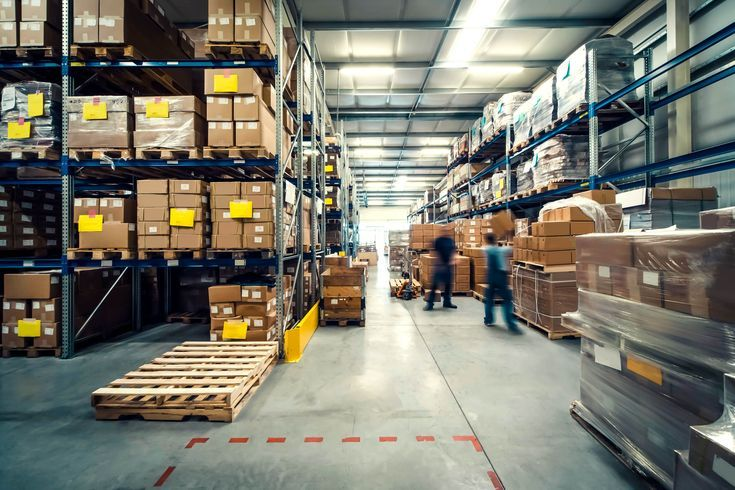
We provide free warehousing services for any of your goods.
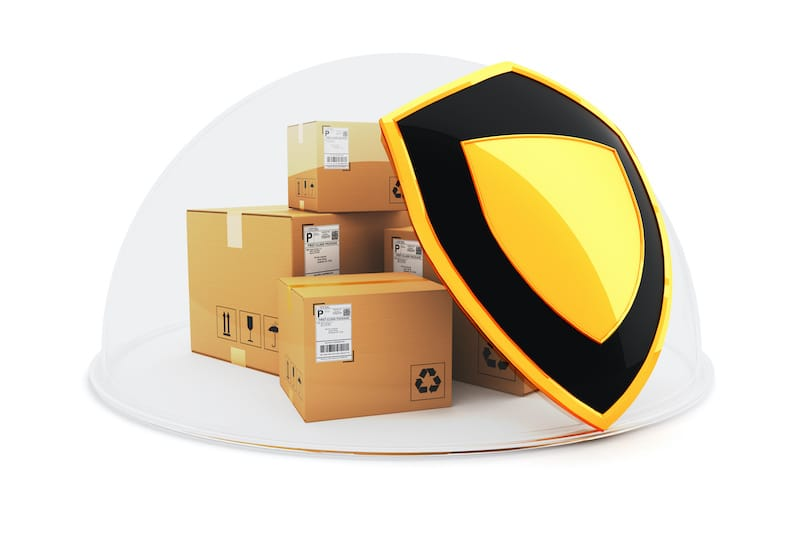
The cargo insurance protects your goods all the way to any Any FBA Warehouse
We handle all paperwork and other details for you.

Ensure safe packaging and loading of goods in your suppliers' factory.
Shipping time from China to Bangladesh depends on transport mode, port efficiency, and customs processing. For instance, air freight takes 7–10 days to Dhaka’s Hazrat Shahjalal Airport, while sea freight to Chittagong/Mongla ports spans 15–20 days. Additionally, weather delays or documentation issues can impact transit times for both modes.
While air freight guarantees speed (7–10 days), it’s pricier for textiles or electronics. Sea freight, however, offers cost-effective solutions for bulk goods like machinery or furniture, though transit times are longer (15–20 days). Choose based on your budget and urgency—request a quote for tailored rates!
Common issues include incomplete paperwork, incorrect declared values, or non-compliance with Bangladeshi regulations (e.g., VAT, import duties). To prevent delays, ensure accurate commercial invoices, packing lists, and certificates of origin. Partner with DSV-freight—our local agents handle customs clearance to streamline the process.
To expedite shipments, opt for direct routes to Chittagong/Mongla ports and use our express sea freight service. Additionally, ensure all documentation is pre-approved, and partner with a reliable forwarder for priority handling. By planning ahead and selecting efficient logistics, you can reduce transit times by 3–5 days.
Once your cargo departs China, receive a tracking number via email. Monitor progress through our secure online portal or carrier platforms like COSCO/HMM for sea freight or Cathay Pacific for air freight. Real-time updates include customs status in Chittagong or Dhaka and estimated delivery to your address. Contact us for assistance with tracking!
For instance, monsoon rains in Bangladesh’s coastal regions (e.g., Chittagong) often delay sea freight, while cyclones disrupt air freight schedules to Dhaka. These conditions can disrupt port operations and extend transit times by 3–5 days. To mitigate such risks, choose carriers with weather contingency plans and partner with a forwarder for alternative route options.
For perishable goods like pharmaceuticals or fresh produce, use thermal packaging and prioritize air freight via Dhaka’s Hazrat Shahjalal Airport (3–5 days transit). Additionally, ensure compliance with Bangladesh’s Food Safety Authority regulations and work with a forwarder for temperature-controlled handling. Furthermore, real-time monitoring and customs pre-clearance minimize spoilage risks during transit.
High design quality improves both efficiency and user experience by combining clear structure, practical functionality, and a professional visual layout. In logistics services, good design supports smoother operations and better customer interaction.
Operational management involves organizing transport resources, defining clear workflows, and following industry regulations. Depending on regional practices, infrastructure can be owned and operated by public institutions or private companies.
High code quality delivers a stable and responsive system, making daily logistics management smoother while minimizing technical issues and downtime.