
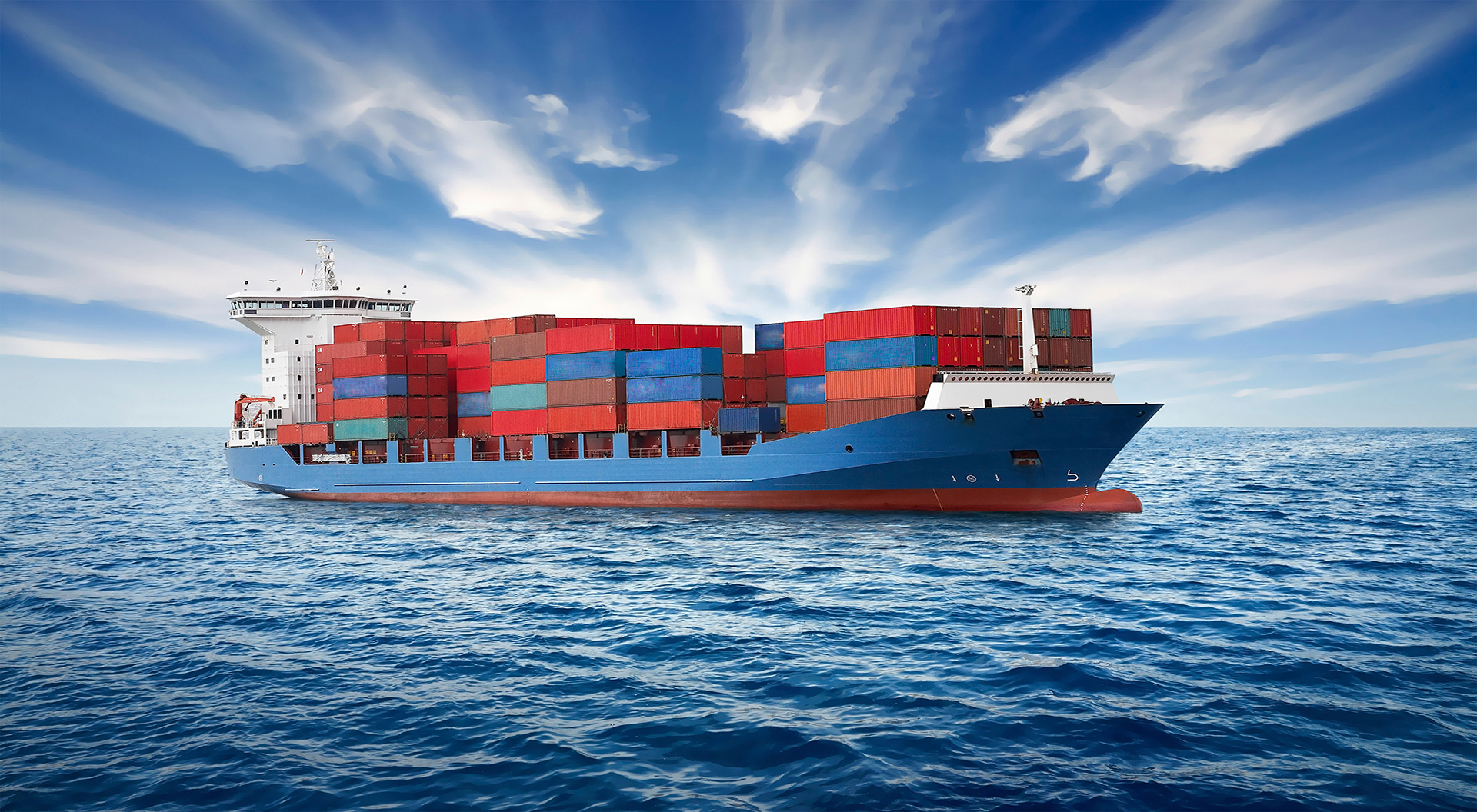
DSV-freight provides reliable and end-to-end freight forwarding solutions from China to Cuba, supporting government projects, state-owned enterprises, importers, traders, and international organizations operating in the Caribbean region.
With experience in China–Caribbean trade lanes and complex destination compliance environments, DSV-freight manages the complete shipping process — from origin pickup in China to final delivery coordination in Cuba. Our solutions focus on cargo security, documentation accuracy, and controlled transit planning while optimizing delivery reliability and cost efficiency.
DSV-freight offers structured sea freight services from China to Cuba via major Chinese ports such as Shanghai, Ningbo, Shenzhen, and Qingdao, with transshipment services through regional hubs in Panama or the Caribbean to key Cuban ports including Havana, Mariel, and Santiago de Cuba. We support both FCL and LCL ocean freight solutions, providing planned sailing schedules, compliant carrier selection, and professional port coordination to ensure smooth cargo handling upon arrival.

For urgent and high-value shipments, DSV-freight provides air freight services from major Chinese airports to Havana (HAV) via established international transit routes.
Our air freight solutions are suitable for medical supplies, spare parts, electronics, urgent commercial goods, and humanitarian cargo, offering faster transit times, secure handling, shipment visibility, and customs clearance assistance aligned with Cuban import regulations.
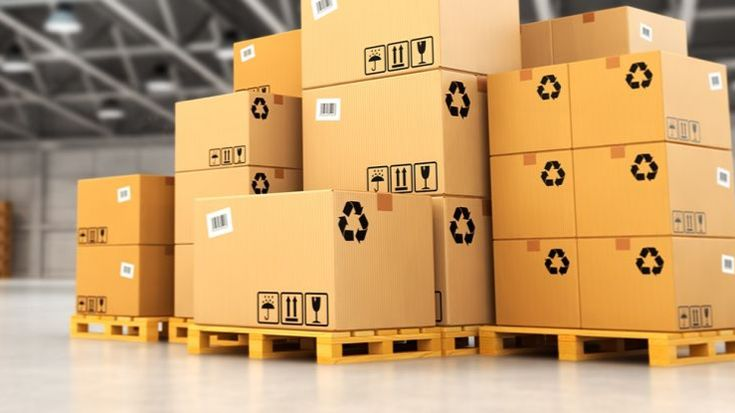
DSV-freight delivers integrated door-to-door logistics solutions from China to Cuba, covering factory pickup, export documentation, international transportation, customs clearance coordination, and final delivery arrangements where permitted. With a single point of coordination, our door-to-door service simplifies multi-leg movements and is especially suited for institutional imports, long-term supply programs, and project cargo requiring strict documentation control and predictable delivery planning.

DSV-freight offers professional Full Container Load (FCL) shipping services from China to Cuba, providing dedicated 20GP, 40GP, and 40HQ container solutions for heavy, high-volume, or sensitive cargo.
Through secure origin loading, carefully planned transshipment routing, compliant carrier selection, and port handling coordination, FCL shipping is ideal for construction materials, industrial equipment, and government or institutional shipments.
For smaller consignments, DSV-freight provides cost-effective Less Than Container Load (LCL) shipping solutions from China to Cuba. This service allows multiple shipments to share container space through professional consolidation while meeting destination compliance requirements.
Our LCL services include controlled cargo handling, scheduled departures, documentation review, and customs coordination — making them suitable for traders, NGOs, and recurring small-volume shipments.
DSV-freight will provide most fuel efficient pickup service China
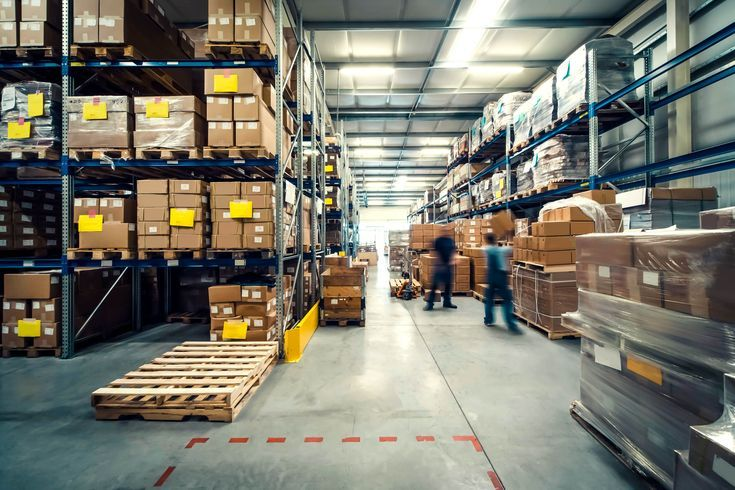
We provide free warehousing services for any of your goods.
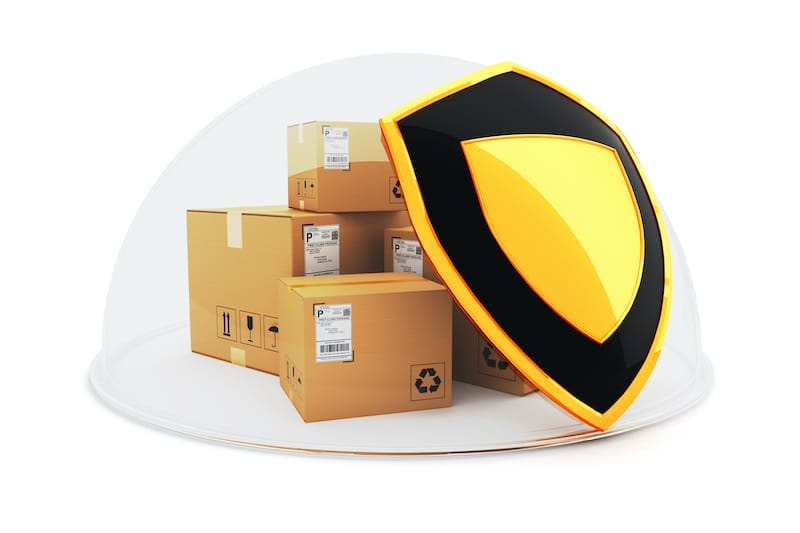
The cargo insurance protects your goods all the way to any Any FBA Warehouse
We handle all paperwork and other details for you.

Ensure safe packaging and loading of goods in your suppliers' factory.
Premier ocean freight services from China to Cuba are delivered by DSV-freight, offering outstanding shipping solutions.
For efficient and cost-effective shipping, choose DSV-freight’s competitive air freight services from China to Cuba.
Expert customs clearance in China is handled seamlessly by DSV-freight, ensuring smooth processing for all shipments.
Enhance your shipping experience with DSV-freight’s complimentary warehouse services and tailored loading solutions.
Integrity of your cargo is safeguarded through meticulous container loading supervision by DSV-freight.
Timely and reliable transportation across China is guaranteed with efficient pick-up and delivery solutions from DSV-freight.
Continuous 24/7 online assistance is provided by DSV-freight, ensuring immediate support for all inquiries and needs.
Sea freight from China to Cuba typically takes 30–45 days. The exact duration depends on departure/arrival ports, shipping routes, and carrier schedules. WeAir freight from China to Cuba takes 7–15 days, offering faster delivery at higher costs. Transit times vary based on airlines, flight schedules, and air traffic.ather, delays, and customs processing can also affect delivery times.
Air freight from China to Cuba takes 7–15 days, offering faster delivery at higher costs. Transit times vary based on airlines, flight schedules, and air traffic.
Factors like transport mode (sea/air), cargo weight/volume, distance, and add-ons (insurance, customs fees) determine costs. Sea freight is generally cheaper, while air freight is pricier.
Sea shipments need a commercial invoice, packing list, bill of lading, and customs declaration forms. Accurate documentation prevents customs delays.
Yes. Air freight demands robust packaging to protect goods. Depending on cargo type, you may need shockproof materials or special labeling.
Cuba enforces strict import rules, including duties, taxes, and restrictions on certain goods. Importers must comply to avoid delays and fees.
Ensure complete documentation, choose a reliable forwarder, track shipments regularly, and account for potential customs waits. Proactive planning and communication help.
In China, primary ports include Shanghai, Shenzhen, and Ningbo. Cuba’s main ports are Havana and Santiago de Cuba. Port choice impacts costs and transit times.
Yes. Most providers offer real-time tracking for sea and air freight, allowing you to monitor shipment status and delivery updates.
Cuban regulations may restrict or prohibit items like pharmaceuticals, electronics, or certain food products. Verify restrictions with Chinese and Cuban authorities before shipping.
A wide range of available features allows users to manage shipments more efficiently and access essential services with ease. In logistics, feature availability often depends on regional support and operational coverage.
High code quality delivers a stable and responsive system, making daily logistics management smoother while minimizing technical issues and downtime.
Operational management involves organizing transport resources, defining clear workflows, and following industry regulations. Depending on regional practices, infrastructure can be owned and operated by public institutions or private companies.