
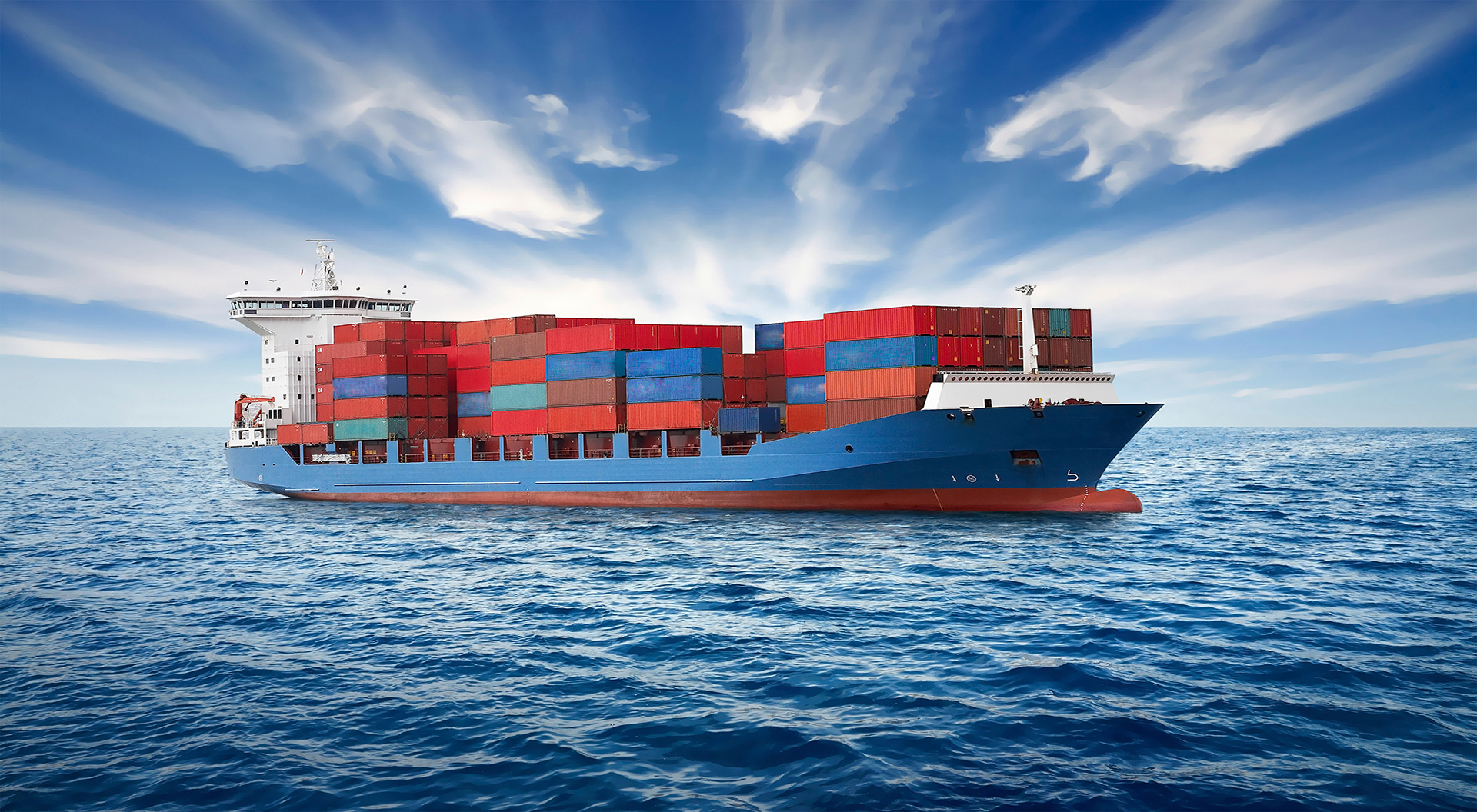
DSV-freight provides professional logistics solutions for shipping from China to Uruguay, serving manufacturers, importers, distributors, and international trading companies. As a key South American destination, shipments to Uruguay require stable routing, compliant documentation, and reliable carrier coordination. Each shipment is handled with a focus on transit stability, cost control, and regulatory compliance.
From major production hubs in China to final delivery locations across Montevideo and inland regions, DSV-freight manages supplier pickup, export customs clearance, carrier booking, and mainline transportation. Cargo is routed through suitable transshipment ports based on shipment type and delivery timelines. Destination coordination ensures smooth cargo release and onward movement.
By integrating sea freight, air freight, and rail freight services, DSV-freight supports flexible transport planning and consistent supply chain performance. Centralized operation management helps reduce risk and improve shipment visibility. This approach ensures dependable logistics execution from China to Uruguay.
DSV-freight offers reliable sea freight services from China to Uruguay via established Asia–South America shipping routes. Sea freight is suitable for bulk cargo, heavy goods, and shipments with flexible delivery schedules. It remains a cost-effective option for large-volume transportation. We handle container booking, export documentation, port operations, and destination coordination. Cargo moves through regional gateway ports before arrival in Uruguay. Each shipment is monitored to ensure smooth port handling.
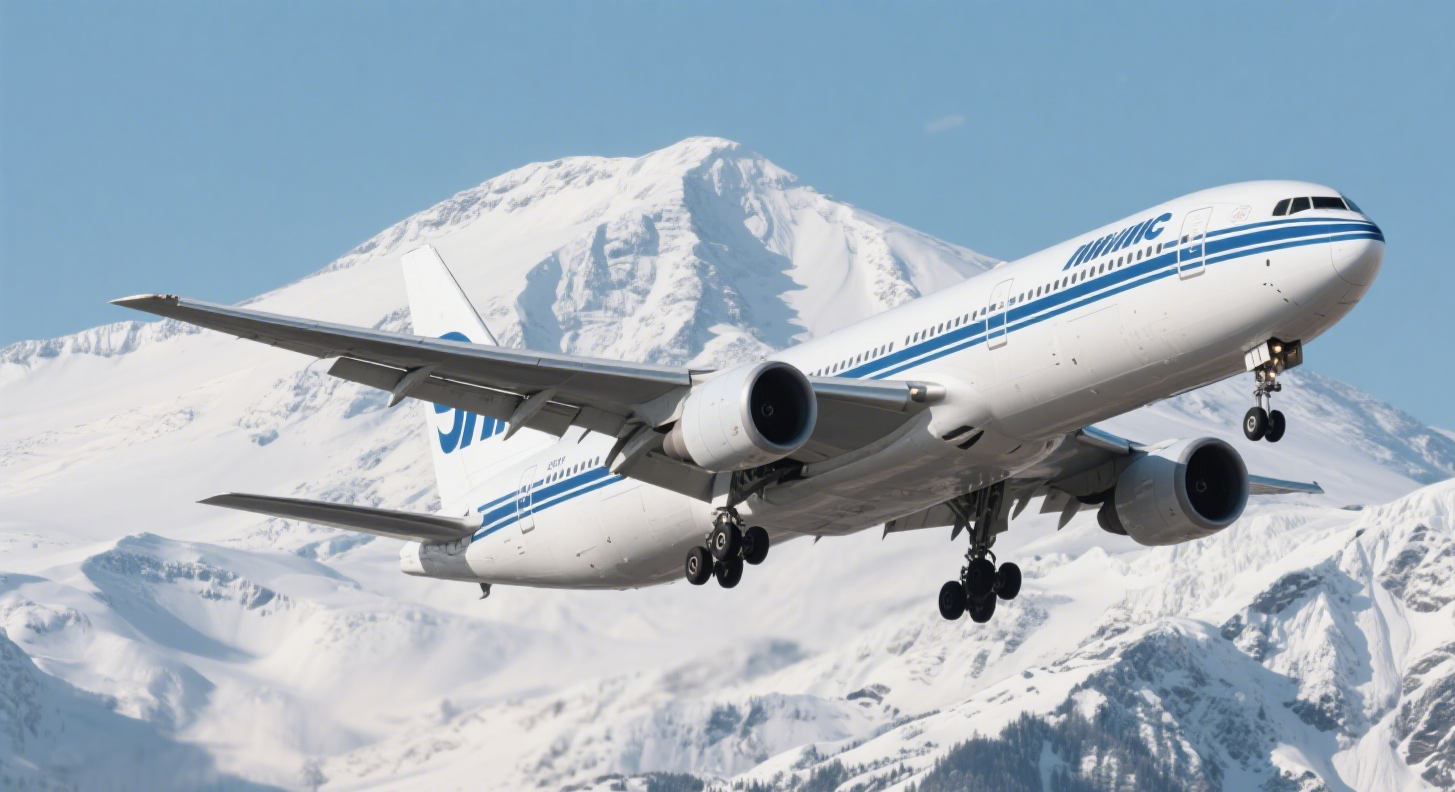
DSV-freight provides efficient air freight solutions from China to Uruguay for time-sensitive and high-value cargo. Air transport is suitable for urgent shipments and goods with strict delivery deadlines. Flexible flight options support different cargo priorities. Our team manages export customs clearance, flight booking, cargo security, and arrival coordination. Shipments are handled through major international airports serving Uruguay. This ensures fast transit and controlled cargo handling.

DSV-freight delivers structured rail freight services from China to Uruguay through coordinated intermodal routes. Rail freight supports inland cargo movement as part of the overall transport solution. It is suitable for customers seeking predictable inland handling. We coordinate rail booking, cross-border documentation where applicable, and inland transport planning. Cargo is transferred through designated terminals with planned handovers. This ensures stable inland delivery performance.

DSV-freight specializes in Full Container Load (FCL) shipping from China to Uruguay for customers with large shipment volumes or regular export requirements. We support 20GP, 40GP, and 40HQ containers with flexible routing options.
FCL shipping reduces cargo handling and improves shipment security during transportation. It is ideal for manufacturers, wholesalers, and distributors seeking cost predictability.
Our team manages container allocation, loading supervision, export customs clearance, carrier coordination, and destination delivery arrangements.
DSV-freight provides dependable Less than Container Load (LCL) shipping from China to Uruguay for smaller shipments. Cargo is consolidated at origin warehouses and deconsolidated at destination ports or inland facilities.
LCL shipping allows importers to reduce freight costs without booking a full container. It is commonly used by SMEs and mixed cargo shipments.
We manage consolidation, documentation, customs coordination, and destination delivery to maintain clear timelines.
DSV-freight will provide most fuel efficient pickup service China
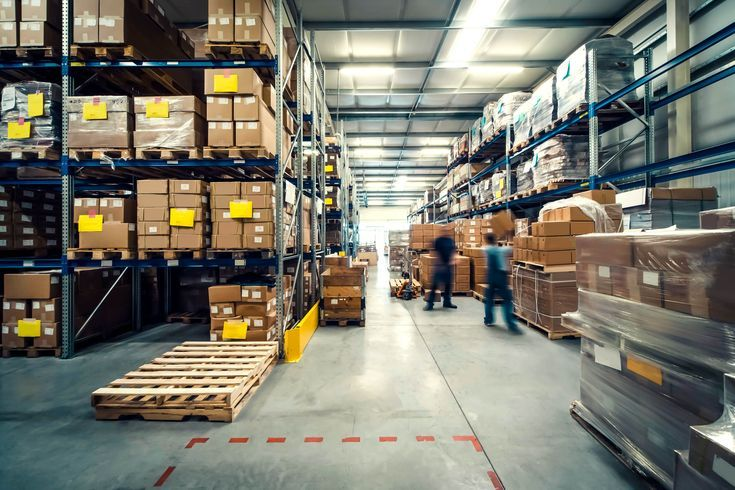
We provide free warehousing services for any of your goods.

The cargo insurance protects your goods all the way to any Any FBA Warehouse
We handle all paperwork and other details for you.

Ensure safe packaging and loading of goods in your suppliers' factory.
Uruguay imports machinery, electronics, automotive parts, and consumer goods (e.g., appliances, textiles). Chinese electric vehicles (e.g., BYD, Geely) and solar panels are gaining market share, driven by Uruguay’s renewable energy goals.
All shipments require commercial invoices, packing lists, and certificates of origin. For agricultural products, phytosanitary certificates are mandatory. Partner with a logistics provider familiar with Mercosur regulations (e.g., CE marking for electronics) to streamline clearance.
Uruguay applies Mercosur’s Common External Tariff (CET), averaging 11–14%. VAT is 22% on most goods. Use DDP (Delivered Duty Paid) services to pre-pay taxes and avoid delays.
Yes, but require MSDS reports for hazardous materials (e.g., EV batteries). Pharmaceuticals need temperature-controlled cold chain logistics (2–8°C) and Uruguay’s ANMAT approval.
Reverse logistics via Argentina is standard. Work with providers offering 72-hour damage claims and local storage in Montevideo for quick replacements.
Uruguay’s e-commerce growth (15% CAGR) demands efficient parcel services. Partner with providers offering last-mile delivery to cities like Punta del Este and Montevideo’s suburbs.
Leverage Uruguay as a Mercosur gateway. Invest in bonded warehouses in Montevideo for duty-free storage, and collaborate with local distributors for compliance (e.g., ANCAP vehicle homologation).
Leading firms like DSV-freight offer end-to-end solutions, including customs brokerage, VAT optimization, and bilingual support. They specialize in oversized cargo (e.g., construction machinery) and fragile goods (e.g., solar panels).
Operational management involves organizing transport resources, defining clear workflows, and following industry regulations. Depending on regional practices, infrastructure can be owned and operated by public institutions or private companies.
High code quality delivers a stable and responsive system, making daily logistics management smoother while minimizing technical issues and downtime.
A wide range of available features allows users to manage shipments more efficiently and access essential services with ease. In logistics, feature availability often depends on regional support and operational coverage.