

Shipping from China to Malta

Services

What we do

Services

img

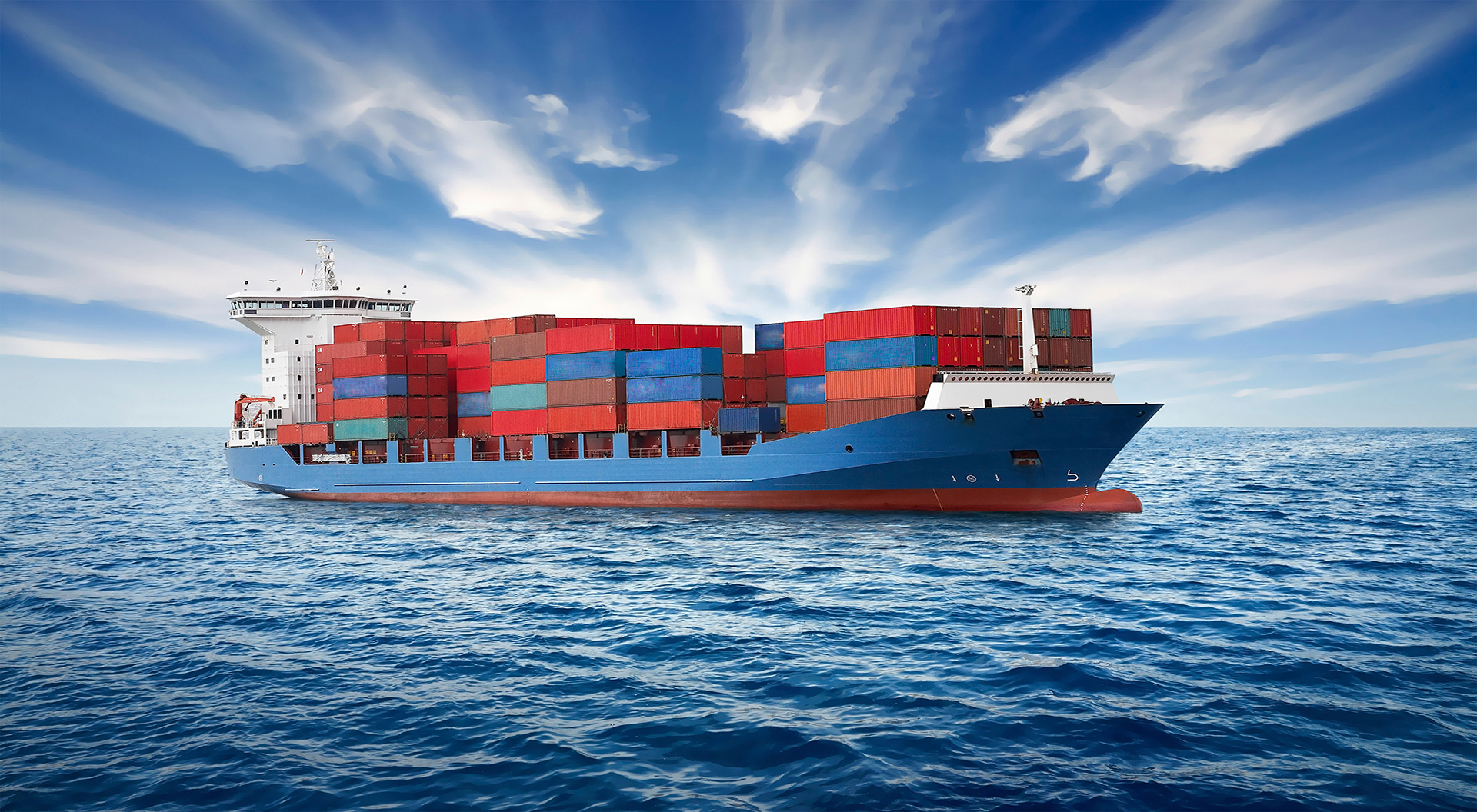
Sea Freight From China To Malta

Sea freight is the most commonly used and cost-effective transportation option for shipping from China to Malta. DSV-freight arranges ocean freight from major Chinese ports such as Shanghai, Ningbo, Shenzhen, and Qingdao to Malta Freeport, often via established Mediterranean transshipment hubs. This solution is suitable for consumer goods, industrial products, building materials, and general commercial cargo that requires stable sailing schedules and optimized transportation costs.

img

Air Freight From China To Malta

Air freight is suitable for urgent or high-value shipments from China to Malta that require shorter transit times. DSV-freight coordinates air cargo from major Chinese airports to Malta International Airport, with onward delivery arranged according to shipment requirements. With secure handling and professional documentation support, air freight is widely used for electronics, pharmaceuticals, spare parts, samples, and time-sensitive commercial goods.

img

Door to Door Shipping from China to Malta

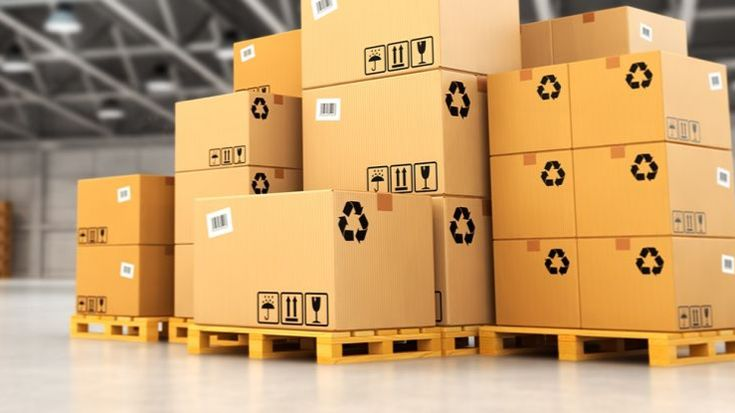
Door to door shipping provides a fully integrated logistics solution from China to Malta. DSV-freight manages factory pickup, export documentation, international transportation, import customs clearance, and final delivery to warehouses, distribution centers, or commercial locations across Malta. This service simplifies logistics coordination, improves shipment visibility, and ensures smoother cargo movement through customs and inland delivery stages. Door to door shipping is suitable for general cargo, retail imports, and customers seeking streamlined supply chain management.

FCL Shipping from China To Malta

FCL shipping is ideal for customers transporting large volumes or cargo that requires higher security and operational efficiency. DSV-freight provides full container load services using 20GP, 40GP, and 40HQ containers, covering container booking, professional loading at origin, international sea transportation, port handling at Malta Freeport, and coordinated inland delivery.

By keeping cargo sealed within a dedicated container throughout the main transport stages, FCL shipping minimizes handling risks, reduces cargo damage potential, and improves delivery reliability. This solution is commonly chosen for machinery, industrial equipment, bulk commercial goods, and long-term supply contracts.

LCL Shipping from China To Malta

LCL shipping is designed for smaller shipments that do not require a full container while maintaining cost efficiency and cargo safety. DSV-freight manages consolidation at origin in China, shared container transportation to Malta or nearby transshipment ports, professional deconsolidation, and coordinated final delivery.

This option allows importers to ship flexible volumes without waiting to fill a full container, helping optimize freight costs while maintaining stable transit performance. LCL shipping is suitable for SMEs, mixed cargo shipments, seasonal imports, and regular replenishment orders.

Features

More Services Shipping from China To Malta

img

Pickup and Delivery

DSV-freight will provide most fuel efficient pickup service China
img

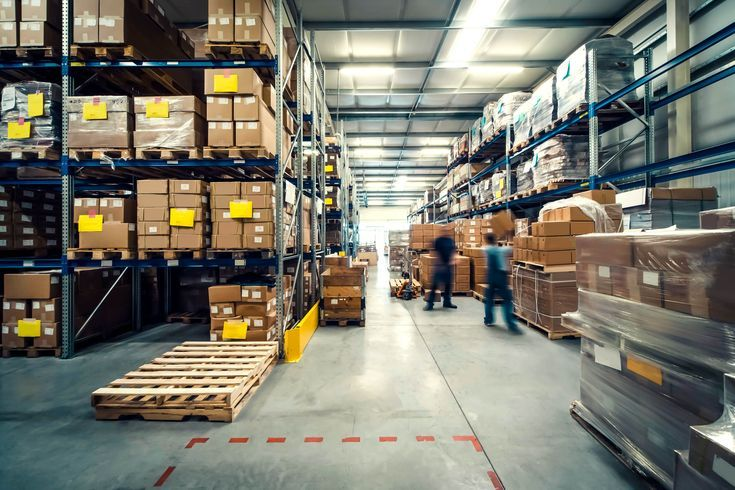
Warehousing

We provide free warehousing services for any of your goods.
img

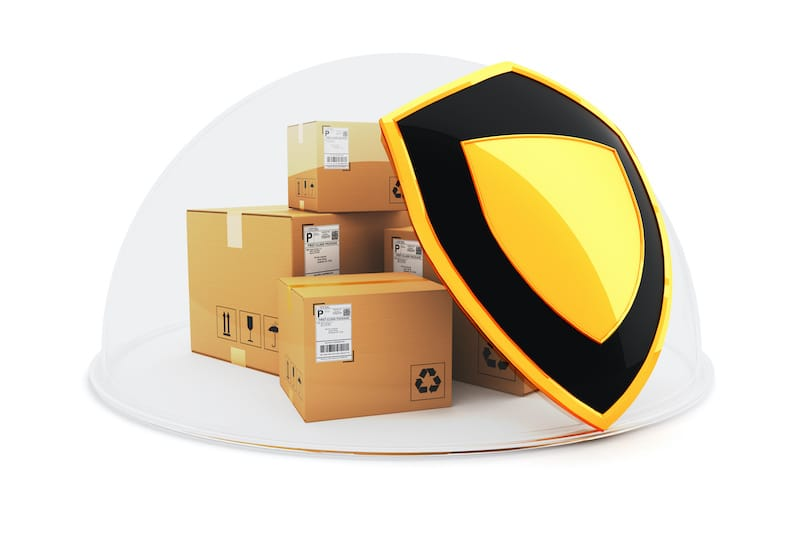
Cargo Insurance

The cargo insurance protects your goods all the way to any Any FBA Warehouse
img

Custom Clearance

We handle all paperwork and other details for you.

img

Loading Inspection

Ensure safe packaging and loading of goods in your suppliers' factory.
Here We Are

GET ANYTYPE QUOTE FROM HERE.

Your Best Freight Forwarder from China to Malta

  • Provide the best ocean freight from China to Malta
  • Provide the competitive air freight from China to Malta
  • The professional work for customs clearance in China
  • Provide the free warehouse service and loading solution
  • The container loading supervision service
  • Pick up and delivery service in China
  • 24/7 online support
What customers also want to know

Professional Shipping from China to Malta: The Ultimate FAQ Guide

Freight costs depend on factors like shipment size, weight, transportation mode, and current fuel prices. Customs duties, insurance, and handling fees also impact the total cost. Selecting a cost-effective route and reliable freight forwarder can help manage expenses efficiently.

Businesses should use durable materials, secure padding, and appropriate containers for different types of goods. Labeling fragile items clearly and ensuring compliance with international packaging standards are also crucial for optimizing packaging.

Common challenges include customs clearance delays, varying international regulations, potential damage or loss of goods, and logistical complexities. Effective planning, reliable partners, and robust tracking systems can help mitigate these issues.

Adverse weather conditions can cause significant delays in both sea and air freight. Storms, heavy rain, and extreme temperatures can disrupt schedules, requiring contingency plans to manage these delays effectively.

Technologies like GPS, RFID, and IoT sensors are commonly used for real-time shipment tracking. These technologies provide accurate location data, enhance visibility, and help manage the logistics process more efficiently.

Trade regulations impact documentation requirements, customs duties, and compliance standards. Staying updated on regulatory changes and ensuring accurate documentation helps prevent delays and additional costs in international shipping.

High-value shipments can be secured using tamper-proof seals, secure packaging, real-time tracking, and selecting trusted carriers. Additional insurance and security protocols during transit also help protect valuable goods.

Customs brokerage is crucial for navigating complex customs regulations and ensuring smooth clearance. Experienced brokers help manage documentation, tariffs, and compliance, reducing the risk of delays and penalties.

Air freight offers faster delivery times, higher security, and better tracking capabilities compared to sea freight. It is ideal for time-sensitive and high-value shipments, although it is typically more expensive than sea freight.

Improving supply chain efficiency involves optimizing logistics, selecting reliable partners, leveraging technology for tracking, and regularly reviewing processes for improvement. Effective communication and risk management are also key to enhancing overall efficiency.

Don’t Take Our Words for it

Listen to What Our Clients Say about Our Freight Forwarding Service

Design Quality

High design quality improves both efficiency and user experience by combining clear structure, practical functionality, and a professional visual layout. In logistics services, good design supports smoother operations and better customer interaction.

Jon D. William
Founder of Mixbix

Features Availability

A wide range of available features allows users to manage shipments more efficiently and access essential services with ease. In logistics, feature availability often depends on regional support and operational coverage.

Warleman Joliues
Co-Founder Carion ltd

Code Quality

High code quality delivers a stable and responsive system, making daily logistics management smoother while minimizing technical issues and downtime.

Sakira K. Lilliam
Ceo of Axone