
DSV-freight provides professional and compliant shipping solutions from China to Australia, supporting importers, distributors, and project cargo clients across multiple industries. With strong operational experience on China–Australia trade lanes, we deliver stable transit schedules, flexible routing options, and end-to-end logistics coordination.
From factory pickup in China to final delivery across Australia, our logistics team manages international transportation, customs clearance, and inland distribution, ensuring smooth, secure, and cost-efficient cargo movement.
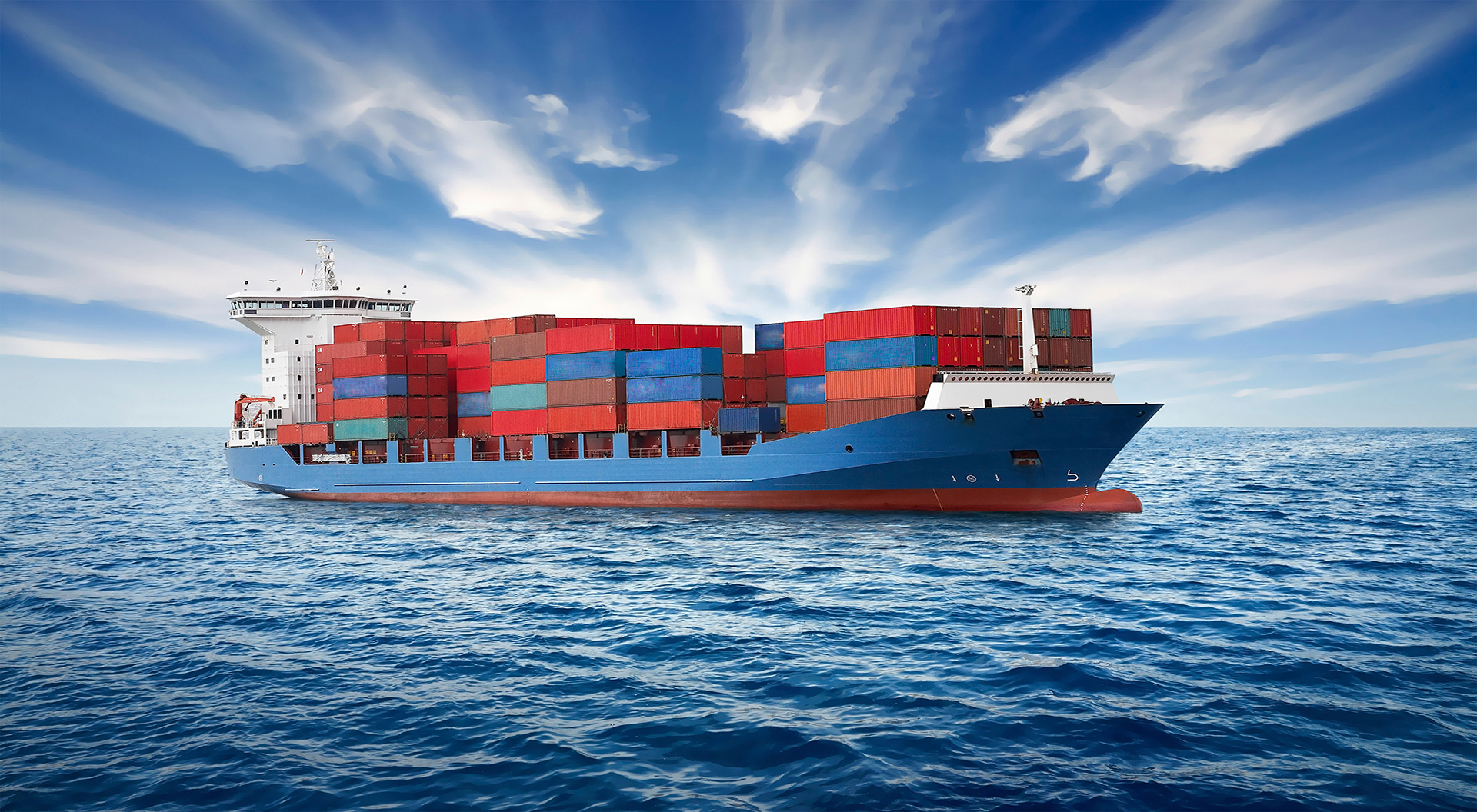
DSV-freight offers reliable sea freight services from major Chinese ports such as Shanghai, Ningbo, Shenzhen, and Qingdao to key Australian ports including Sydney, Melbourne, Brisbane, and Fremantle. Sea freight is the most economical option for bulk cargo, full container loads, and long-term supply chains. With stable carrier partnerships, flexible sailing schedules, and professional port coordination, our ocean freight solutions support both port-to-port and extended inland delivery across Australia.

DSV-freight provides efficient air freight solutions from China to Australia through major international airports and direct or transshipment flight options. Air freight is suitable for urgent shipments, high-value goods, and time-sensitive commercial cargo.
Our air logistics services include flight planning, export documentation, customs clearance coordination, and controlled delivery timelines, ensuring speed, safety, and regulatory compliance.

Rail freight is not applicable for direct transportation from China to Australia due to geographic limitations. However, DSV-freight can integrate rail services within China as a pre-carriage solution before connecting cargo to sea or air freight.
This multimodal approach helps optimize inland transit efficiency and improves overall shipping timelines from factory locations to Australian destinations.

DSV-freight’s FCL shipping services from China to Australia are ideal for clients with sufficient cargo volume to utilize a full container. FCL shipments offer better cargo security, fixed container allocation, and more predictable transit schedules.
We support standard containers including 20GP, 40GP, and 40HQ, with services covering container booking, loading supervision, export clearance, ocean transport, and delivery to Australian ports or inland destinations.
For smaller shipments, DSV-freight provides reliable LCL consolidation services from China to Australia. LCL shipping allows multiple shippers to share container space, reducing transportation costs while maintaining professional handling standards.
Our LCL solutions include cargo consolidation, export documentation, customs clearance coordination, deconsolidation at destination, and optional door delivery across Australia.
DSV-freight will provide most fuel efficient pickup service China
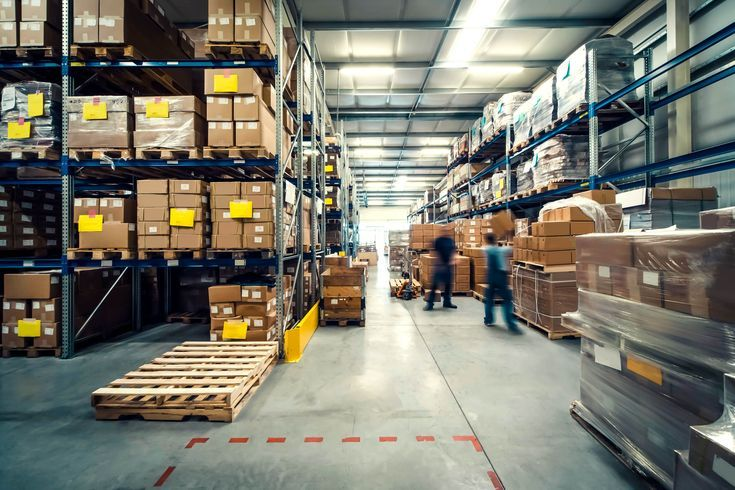
We provide free warehousing services for any of your goods.

The cargo insurance protects your goods all the way to any Any FBA Warehouse
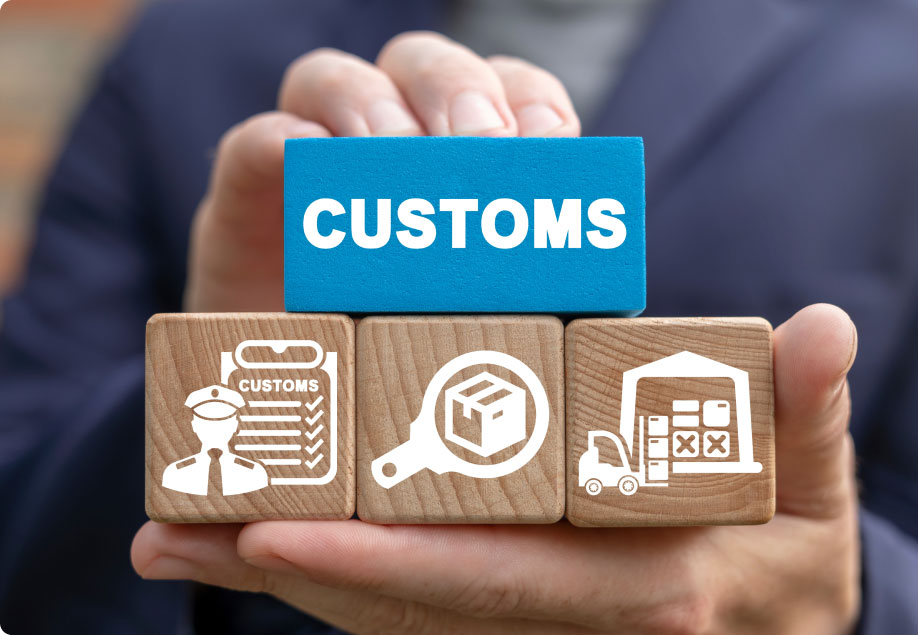
We handle all paperwork and other details for you.

Ensure safe packaging and loading of goods in your suppliers' factory.
Customs regulations can impact shipping times due to inspections, documentation requirements, and compliance checks. Specifically, incomplete or incorrect paperwork often causes delays. To prevent such issues, ensuring accurate documentation and compliance with Australian import regulations minimizes hold-ups at customs.
Challenges include navigating customs regulations, managing transit delays, dealing with packaging and handling issues, and fluctuating shipping costs. Additionally, weather conditions and geopolitical factors can affect delivery times. Proper planning, choosing reliable shipping partners, and understanding the regulations can help mitigate these challenges.
Freight forwarders offer expertise in logistics, helping clients navigate complex customs regulations and providing access to global carrier networks. Moreover, they optimize shipping routes, handle documentation, and offer consolidated options to reduce costs. By leveraging their experience, they ensure smoother, more efficient processes from origin to destination.
Seasonal factors like peak holidays or monsoon seasons often disrupt shipping schedules. For instance, increased demand during peak seasons may extend processing times and cause port congestion. Additionally, extreme weather—such as storms or heavy rains—can halt maritime/air operations. To mitigate these risks, plan shipments during off-peak periods and monitor weather forecasts to avoid delays.
To ensure safe delivery, use durable packaging materials appropriate for the type of goods being shipped. Fragile items should be well-padded, and heavy or bulky items should be securely packed to prevent damage. Proper labeling and adherence to international shipping standards also help in smooth handling and delivery.
The shipping route significantly impacts delivery time, primarily due to distance and logistical efficiency. For instance, direct routes bypass intermediate stops, reducing transit times compared to multi-port routes. To optimize delivery speed, choose routes with fewer transshipments and avoid congested ports like Sydney or Buenos Aires, where delays are common.
High design quality improves both efficiency and user experience by combining clear structure, practical functionality, and a professional visual layout. In logistics services, good design supports smoother operations and better customer interaction.
Operational management involves organizing transport resources, defining clear workflows, and following industry regulations. Depending on regional practices, infrastructure can be owned and operated by public institutions or private companies.
High code quality delivers a stable and responsive system, making daily logistics management smoother while minimizing technical issues and downtime.