
Sea Freight China Small Business: The Ultimate 2025 Shipping Guide
Navigating the complexities of international logistics is a major milestone for any growing company. When you choose to optimize your sea freight china small business strategy, you unlock significant cost savings and scalability. Many entrepreneurs find that partnering with a reliable partner like DSV-Freight helps them manage the intricacies of global trade while focusing on their core operations. This guide provides actionable insights into managing ocean shipments, understanding transit times, and reducing overhead costs for your imports.
Why Sea Freight China Small Business is Essential for Growth
Ocean transport remains the backbone of global trade because it offers the most economical way to move large volumes of goods. For a small business, managing margins is critical, and sea freight provides the lowest cost per unit compared to other modes. Consequently, companies can import larger inventories without exhausting their capital on transportation alone.
Moreover, the environmental impact of ocean shipping is significantly lower than air transport, which appeals to eco-conscious consumers. By choosing sea routes, you are adopting a sustainable long-term logistics model. Additionally, the ability to ship oversized or heavy items that are restricted in air cabins gives you more flexibility in your product catalog.
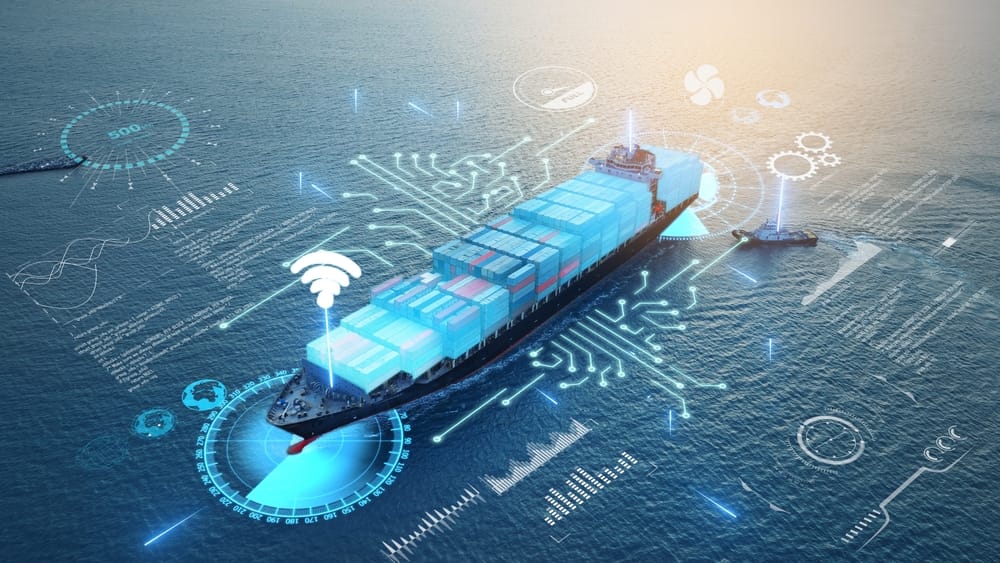
Furthermore, modern tracking technology has improved the transparency of sea shipments. You can now monitor your cargo across the Pacific or Indian Oceans with high precision. Therefore, the historical unpredictability of ocean travel is no longer a barrier for small enterprises looking to stabilize their supply chains.
How Does Sea Freight Compare to Other Shipping Options?
Choosing the right transportation method depends on your specific budget and timeline requirements. While sea freight is the most affordable, it requires careful planning due to longer transit times. In contrast, air freight is ideal for high-value or time-sensitive items but comes at a premium price.
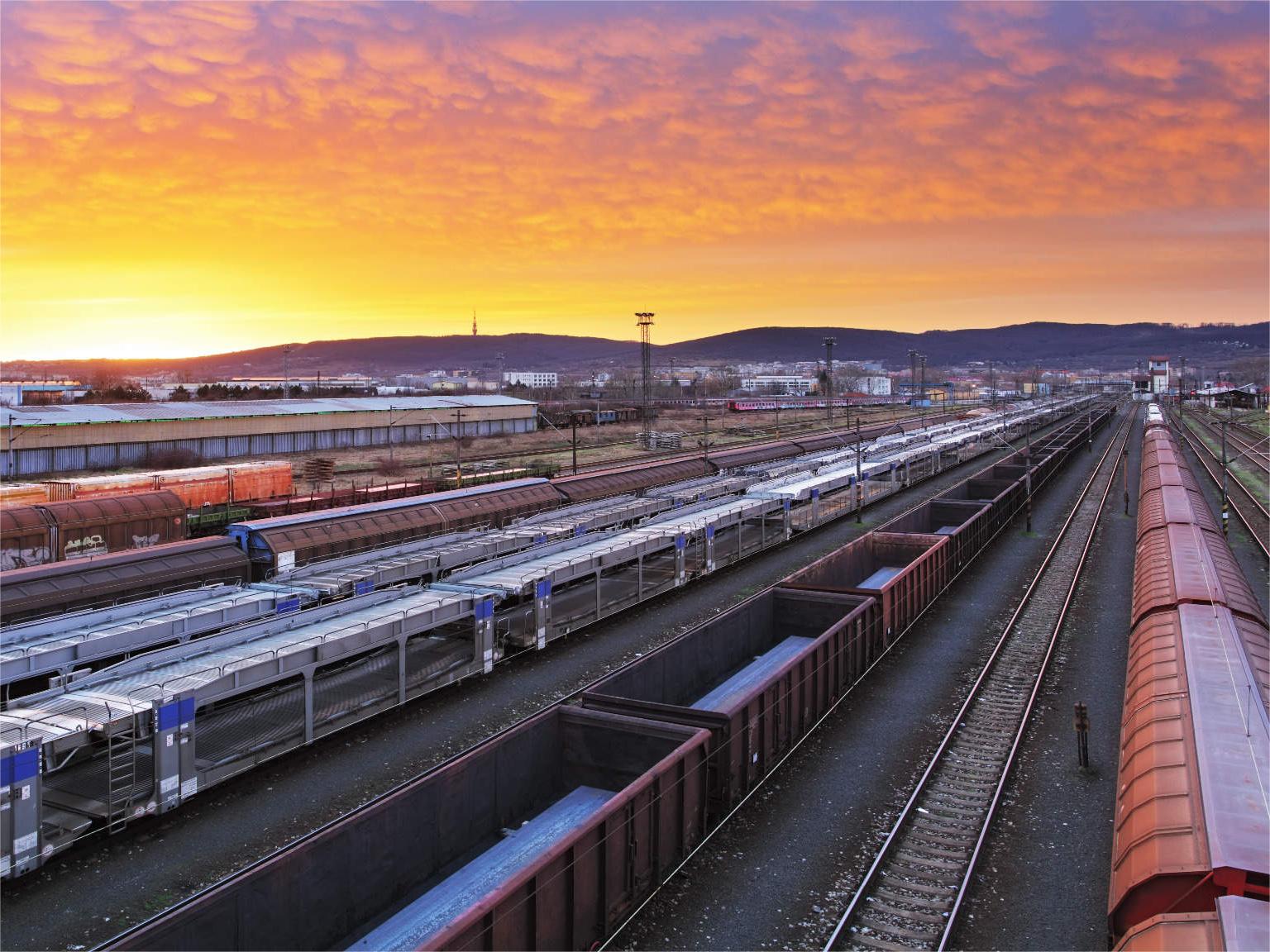
For instance, a shipment of electronics might justify the cost of air transport to meet a product launch date. However, bulky items like furniture or textiles are almost always better suited for ocean containers. Meanwhile, rail options provide a middle ground for certain land-locked destinations, though they are not applicable for routes to Australia or North America.
Specifically, for shipments under 15 CBM, LCL at 50-80 USD per CBM may be more economical than a full container. Direct routes usually cost 10-15 percent more but save 5-7 days compared to transshipment via major hubs like Singapore. Understanding these trade-offs is vital for maintaining a healthy bottom line.
| Shipping Method | Cost Range | Transit Time | Best For |
|---|---|---|---|
| Sea Freight (FCL) | 1,500 – 6,000 USD | 14 – 40 Days | Large inventory, Low cost |
| Sea Freight (LCL) | 50 – 150 USD/CBM | 20 – 45 Days | Small batches, Samples |
| Air Freight | 5 – 12 USD/KG | 3 – 7 Days | Urgent, High-value |
| Rail Freight | 1,200 – 2,500 USD | 15 – 22 Days | Inland Europe routes |
Understanding FCL vs LCL for Small Business Owners
Small businesses often struggle to decide between Full Container Load (FCL) and Less than Container Load (LCL). FCL means you rent an entire 20-foot or 40-foot container for your exclusive use. This method is generally faster because the container is sealed at the factory and stays closed until it reaches your warehouse.
On the other hand, LCL involves sharing container space with other shippers. This is perfect for those who do not have enough volume to fill a whole unit. However, LCL can take longer because the freight forwarder must consolidate multiple shipments at the origin and de-consolidate them at the destination.
Additionally, many small businesses utilize Amazon FBA services which often rely on LCL shipments to keep stock levels balanced. Consequently, you can maintain a steady flow of inventory without the high cost of FCL. Nevertheless, once your volume exceeds 15 cubic meters, switching to FCL usually becomes the more cost-effective choice.
Essential Customs Documents for Importing from China
Navigating the legal requirements of international trade is often the most daunting task for new importers. Without the correct paperwork, your shipment could face lengthy delays or expensive fines at the port. Therefore, hiring a professional customs brokerage service is often a wise investment for small businesses.
Indeed, the most critical documents include the Commercial Invoice, Packing List, and Bill of Lading. The Commercial Invoice provides the value of the goods for tax assessment. Meanwhile, the Bill of Lading serves as a contract between the shipper and the carrier. Furthermore, you may need a Certificate of Origin to qualify for specific trade agreements or duty reductions.
As a result, keeping your documentation organized is the best way to ensure a smooth transition through the port of entry. Typical rates as of early 2025 suggest that administrative errors are the leading cause of port congestion for small importers. Accordingly, you should always double-check every entry for accuracy before the ship leaves China.
| Document Name | Purpose | Issuer | Required |
|---|---|---|---|
| Commercial Invoice | Customs valuation | Supplier | Mandatory |
| Packing List | Cargo verification | Supplier | Mandatory |
| Bill of Lading | Title to goods | Carrier | Mandatory |
| CO (Cert. of Origin) | Duty preference | Chamber of Commerce | Optional |
How to Calculate Total Landed Costs for Your Shipments
Many first-time importers make the mistake of only considering the ocean freight rate. However, the total landed cost includes the price of the goods, insurance, duties, taxes, and local delivery. Specifically, door to door services provide a more comprehensive view of these expenses by bundling them into one quote.
For example, you must factor in the Terminal Handling Charges (THC) at both the loading and discharge ports. These fees cover the movement of the container within the port facility. Additionally, don’t forget the cost of trucking from the port to your final warehouse or retail location. Consequently, a seemingly cheap freight rate can become expensive if the local logistics are not managed efficiently.
Moreover, import duties vary significantly based on the HS Code of your product. You should research these codes in advance to avoid surprises. To summarize, always request an all-in quote to ensure your profit margins remain protected throughout the shipping process.
Case Studies: Real-World Sea Freight Success Stories
Case Study 1: Scaling Electronics Imports
Route: Shenzhen, China to Los Angeles, USA. Cargo: Consumer electronics, 12 CBM, 4,500 kg. Container: LCL. Carrier: Major carrier. Port of Loading: Shenzhen. Port of Discharge: Los Angeles. Route Type: Direct.
Cost Breakdown: Ocean Freight: 1,100 USD. Origin Charges: 250 USD. Destination Charges: 400 USD. Customs and Duties: 1,200 USD. Total Landed Cost: 2,950 USD. Timeline: Booking to Loading: 4 days. Sea Transit: 16 days. Customs Clearance: 3 days. Total Door-to-Door: 23 days.
Key Insight: By using a direct route to the West Coast, the business saved 12 days compared to an East Coast discharge, allowing them to restock before a major holiday sale. Based on Q3 2024 market rates.
Case Study 2: Sustainable Home Decor Expansion
Route: Ningbo, China to Hamburg, Germany. Cargo: Bamboo furniture, 28 CBM. Container: 20GP. Carrier: COSCO. Port of Loading: Ningbo. Port of Discharge: Hamburg. Route Type: Direct.
Cost Breakdown: Ocean Freight: 2,100 USD. Origin Charges: 300 USD. Destination Charges: 550 USD. Customs and Duties: 800 USD. Total Landed Cost: 3,750 USD. Timeline: Booking to Loading: 6 days. Sea Transit: 32 days. Customs Clearance: 4 days. Total Door-to-Door: 42 days.
Key Insight: FCL was more economical than LCL for this volume. The business avoided damage risks associated with consolidation. Typical rates as of early 2025.

Which Shipping Option Should You Choose?
Determining the best logistics strategy requires a clear understanding of your business priorities. If your primary goal is to minimize expenditure and you have a flexible timeline, sea freight is the clear winner. This is especially true for heavy or bulky goods that would be prohibitively expensive to ship by air.
On the other hand, if you are launching a new product and need it in stock immediately, air freight might be the necessary choice despite the higher cost. For businesses located in Europe, rail freight offers a compelling alternative that balances speed and cost. However, for most small businesses, a hybrid approach often works best.
Specifically, you might ship 10 percent of your inventory via air to start selling immediately, while the remaining 90 percent follows via sea. This ensures you never run out of stock while keeping your average shipping cost low. Note: Freight rates are subject to change based on fuel costs, carrier capacity, and seasonal demand. Contact us for a current quote tailored to your specific shipment.
| Priority | Recommended Method | Volume Threshold | Key Benefit |
|---|---|---|---|
| Budget | Sea Freight (LCL/FCL) | Any volume | Lowest unit cost |
| Speed | Air Freight | Under 500kg | Fastest delivery |
| Reliability | Sea Freight (FCL) | Over 15 CBM | Less handling |
| E-commerce | Express/FBA | Small parcels | Easy integration |
Mastering Your Small Business Logistics
In conclusion, mastering sea freight china small business logistics is a journey that requires patience and the right partners. By understanding the differences between FCL and LCL, keeping your documentation in order, and calculating your total landed costs, you can significantly improve your profitability. Market data suggests that rates have stabilized in early 2025, making it an excellent time to plan your next major import.
As you scale, remember that flexibility is key. Utilize a mix of shipping methods when necessary and always stay informed about current market trends. With the right strategy, your small business can compete on a global stage, leveraging the efficiency of ocean transport to reach customers around the world.
Ready to streamline your logistics?
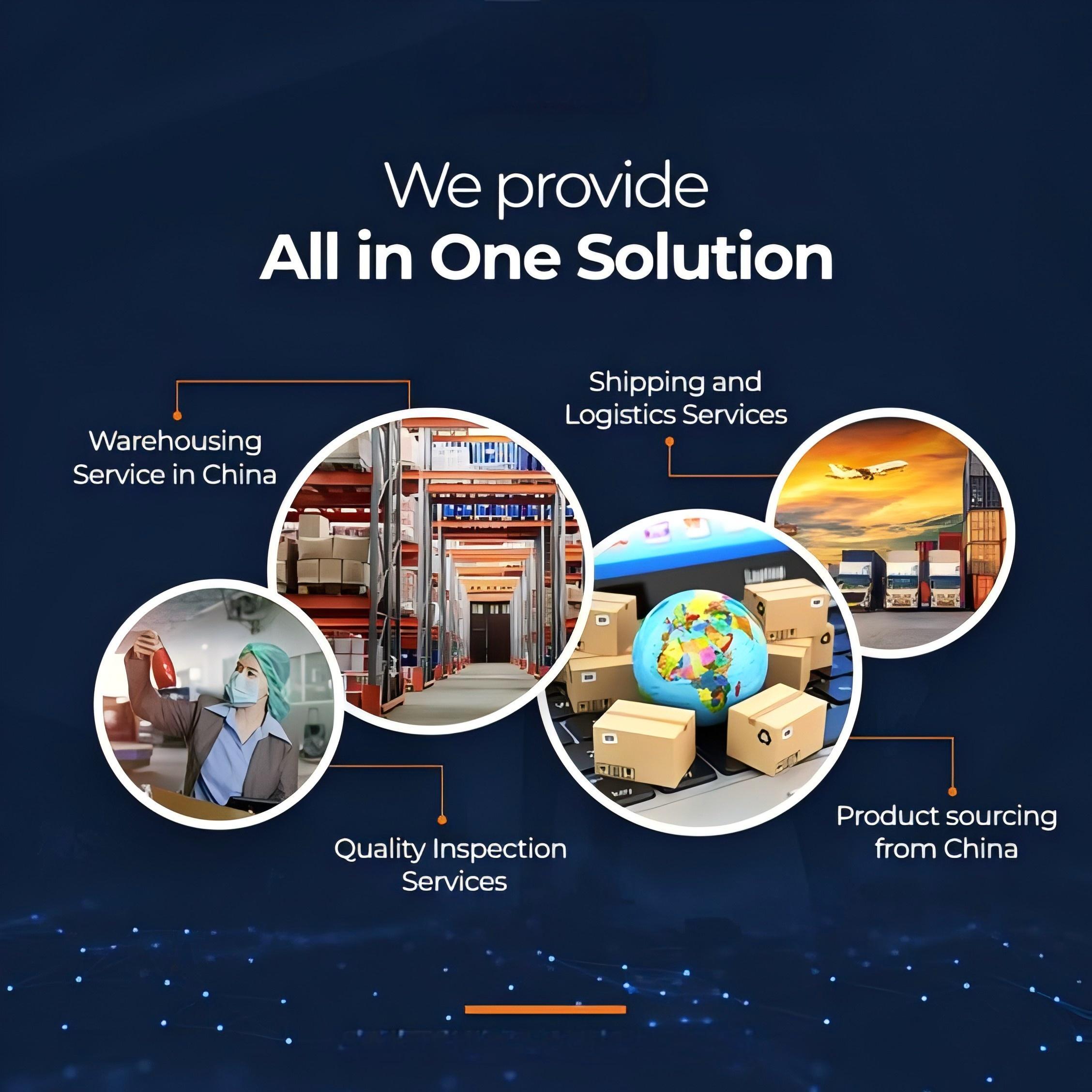
Ready to streamline your sea freight china small business operations? Contact the experts at DSV-Freight today to receive a customized quote and optimize your global supply chain. Visit our website to learn more and Send Inquiry to get started with our professional logistics team.
Request Quote