
DSV-freight provides professional shipping solutions from China to Cameroon, supporting importers, distributors, contractors, and project operators across Central Africa. With experience in African trade lanes and regional logistics coordination, we design shipping plans based on cargo type, routing efficiency, and local delivery requirements.
From origin pickup in China to final delivery in Cameroon, our logistics team manages international transport, customs coordination, and inland distribution. Whether shipping commercial goods, industrial equipment, or consolidated cargo, DSV-freight ensures compliant and well-organized China–Cameroon shipping operations.
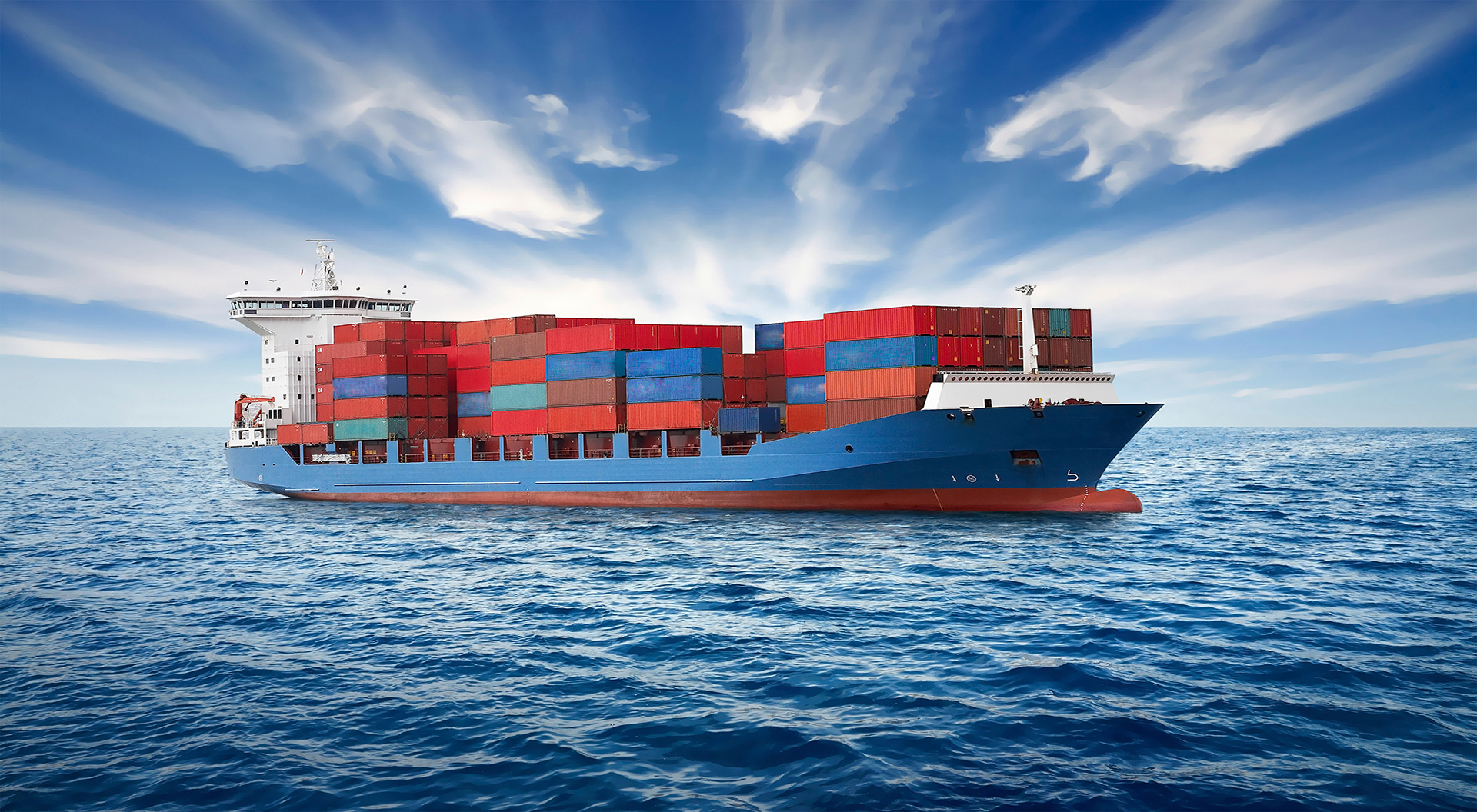
DSV-freight offers cost-effective sea freight services from China to Cameroon via major West and Central African ports. Shipments depart from key Chinese ports and arrive at Douala Port, Cameroon’s primary seaport and logistics gateway. Sea freight is suitable for full container loads, consolidated cargo, machinery, and bulk commercial goods, providing stable routing and controlled transportation costs for long-distance shipments.
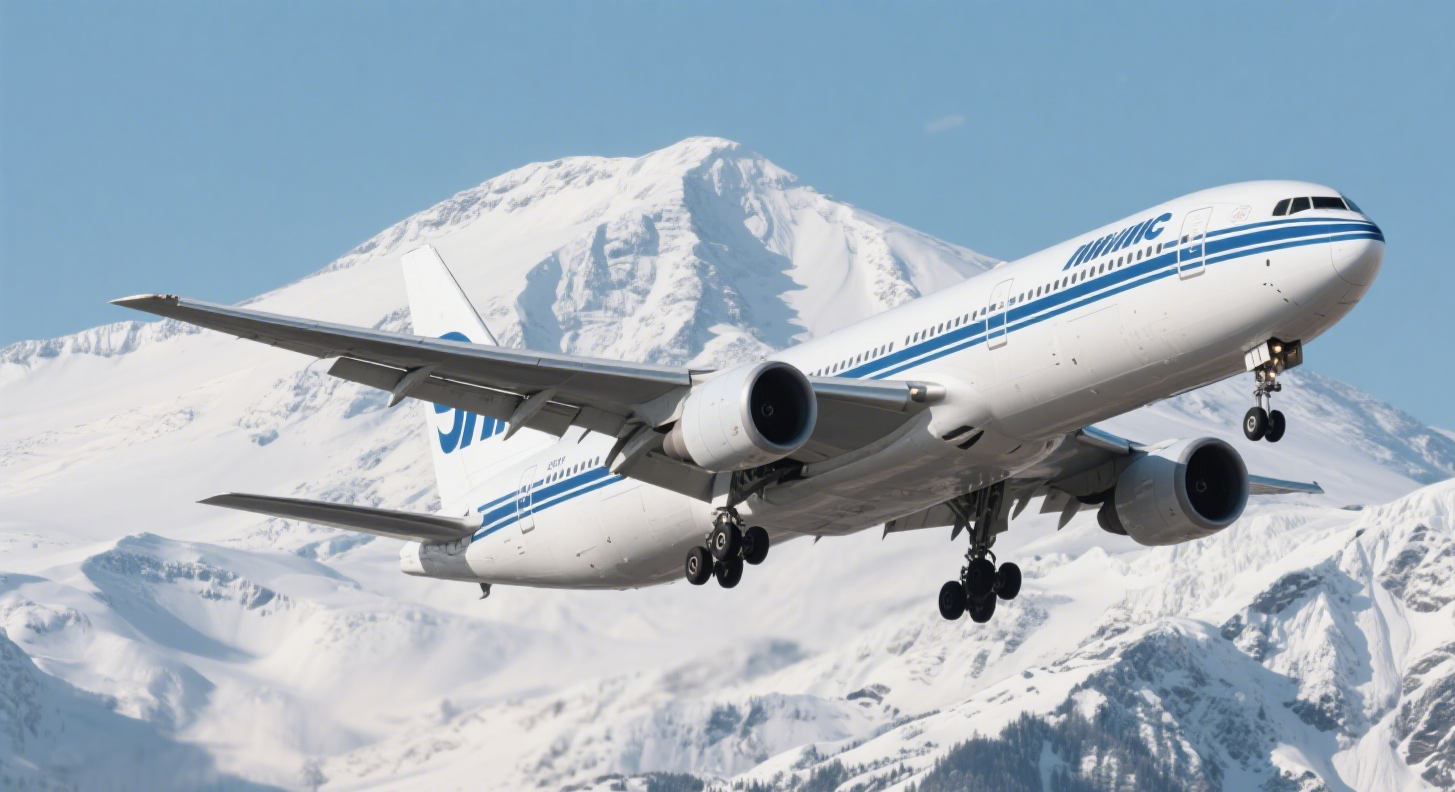
For urgent or high-value cargo, DSV-freight provides air freight services from China to Cameroon through regional and international aviation hubs.
Air shipments are routed to Douala International Airport (DLA) or Yaoundé Nsimalen International Airport (NSI), offering faster transit times and secure handling. Air freight is ideal for time-sensitive goods, medical supplies, spare parts, and critical project shipments.
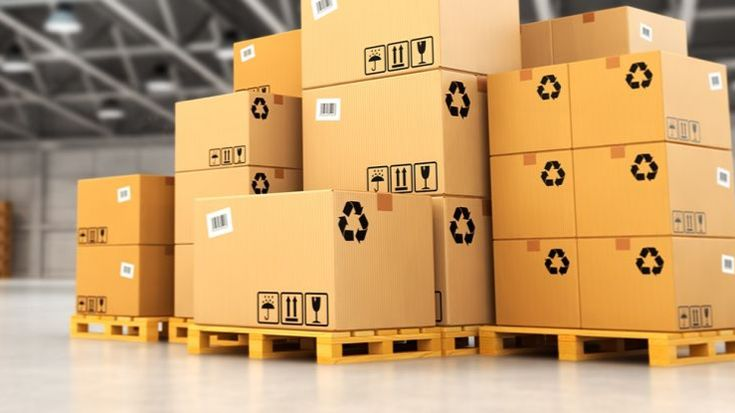
DSV-freight delivers fully managed door-to-door shipping solutions from China to Cameroon, covering supplier pickup, export customs clearance, international transport, import coordination, and final inland delivery.
By integrating sea or air freight with local trucking networks, we simplify logistics processes while maintaining shipment visibility, regulatory compliance, and predictable delivery timelines.

DSV-freight provides full container load (FCL) shipping from China to Cameroon for large-volume or project cargo.
FCL shipments move in dedicated containers, reducing cargo handling and improving transport stability. This option is suitable for construction materials, industrial equipment, and bulk commercial shipments entering the Cameroonian market.
For smaller shipments, DSV-freight offers flexible LCL (Less than Container Load) shipping from China to Cameroon.
Cargo is consolidated at origin, shipped to Douala, and deconsolidated at destination before inland delivery. LCL is a cost-efficient option for low-volume shipments, with transit times influenced by consolidation and port handling schedules.
DSV-freight will provide most fuel efficient pickup service China
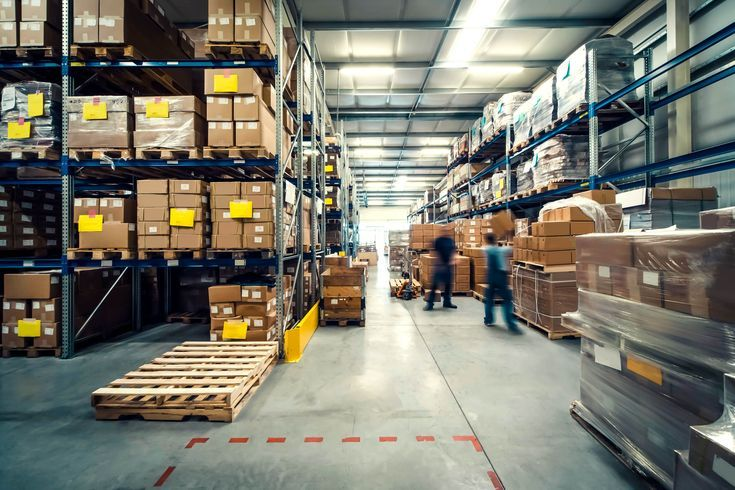
We provide free warehousing services for any of your goods.
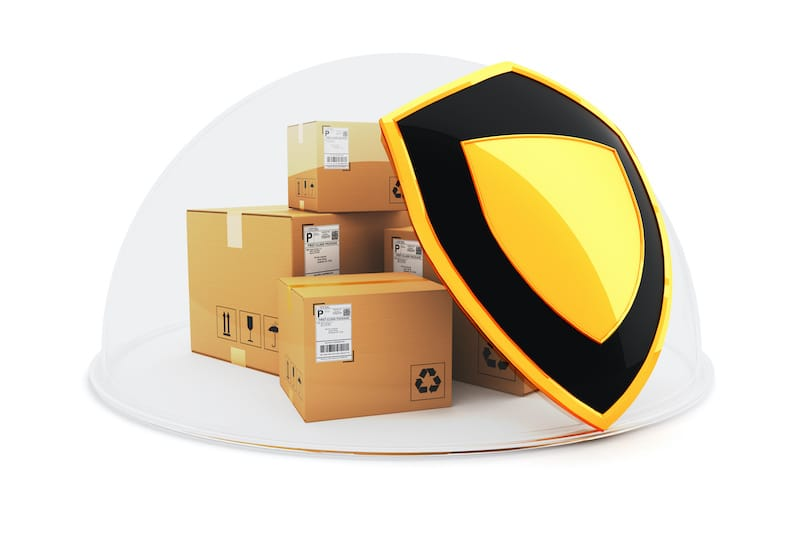
The cargo insurance protects your goods all the way to any Any FBA Warehouse
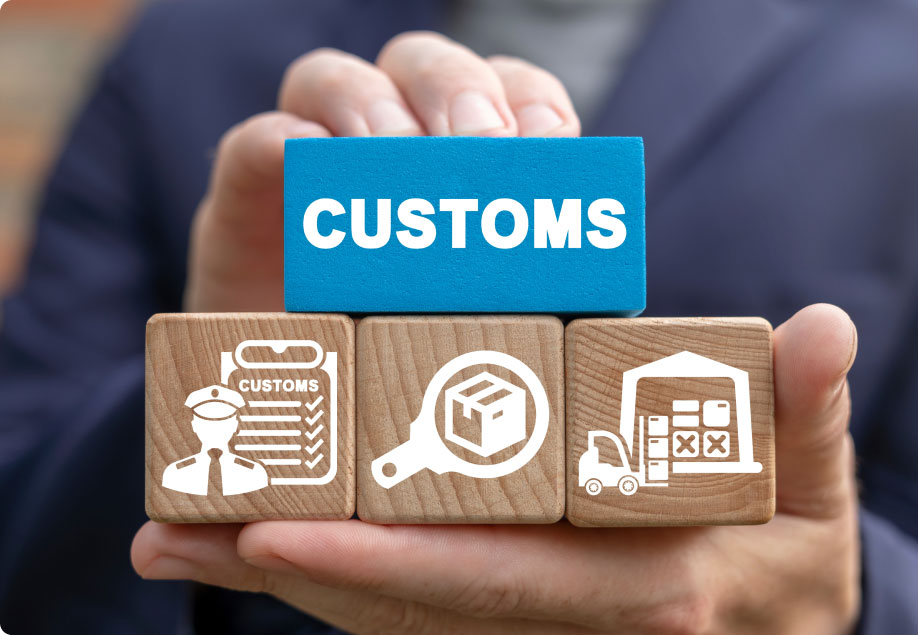
We handle all paperwork and other details for you.

Ensure safe packaging and loading of goods in your suppliers' factory.
You can ship from China to Cameroon via air freight, sea freight, or express services. Air freight is faster but more expensive, taking approximately 7-14 days. Sea freight is more economical and takes around 30-45 days. Express services, such as those provided by DHL or FedEx, can deliver in as little as 3-7 days but come at a premium.
Shipping times are influenced by the chosen method (air, sea, or express), the efficiency of customs processing, and any logistical delays. Weather conditions, port congestion, and the specific routes taken also affect delivery time. Proper documentation and choosing a reliable shipping partner can help minimize delays.
Most shipping companies provide tracking services. Once your shipment is dispatched, you’ll receive a tracking number. Use this number on the shipping company’s website to monitor your package’s journey. Additionally, freight forwarders often offer tracking services and updates throughout the shipping process.
Essential documents include a commercial invoice, packing list, bill of lading, and any required export/import permits. Proper documentation is crucial for smooth customs clearance and to avoid delays. Ensure all documents comply with both Chinese and Cameroonian regulations to facilitate efficient processing.
Customs duties vary depending on the type of goods being shipped. Cameroon’s customs authority will assess duties based on the product classification and value. Be prepared to provide accurate information and documentation to ensure correct duty assessment and avoid unexpected costs.
Yes, certain items may be restricted or prohibited from entering Cameroon, such as hazardous materials or counterfeit goods. Check with Cameroonian customs regulations for a list of restricted items and ensure your goods comply with these restrictions to avoid shipment issues.
Shipping costs depend on the method chosen, the weight and size of the shipment, and the distance between the ports. Air freight is generally more expensive than sea freight, and express services are the costliest. For accurate cost estimates, obtain quotes from multiple shipping providers.
Yes, it’s highly advisable to get insurance for international shipments. Insurance protects against loss, damage, or theft during transit. Speak with your freight forwarder or insurance provider to arrange coverage that suits your shipment's value and risk factors.
The fastest method is typically express shipping, offered by courier companies like DHL, FedEx, and UPS. This service can deliver your goods in 3-7 days, depending on the destination within Cameroon and any customs processing time.
Ensure all required documentation is accurate and complete. This includes a commercial invoice, packing list, and any necessary permits. Choose a reputable freight forwarder who can help navigate customs regulations and provide guidance on compliance to prevent delays.
High code quality delivers a stable and responsive system, making daily logistics management smoother while minimizing technical issues and downtime.
A wide range of available features allows users to manage shipments more efficiently and access essential services with ease. In logistics, feature availability often depends on regional support and operational coverage.
High design quality improves both efficiency and user experience by combining clear structure, practical functionality, and a professional visual layout. In logistics services, good design supports smoother operations and better customer interaction.