
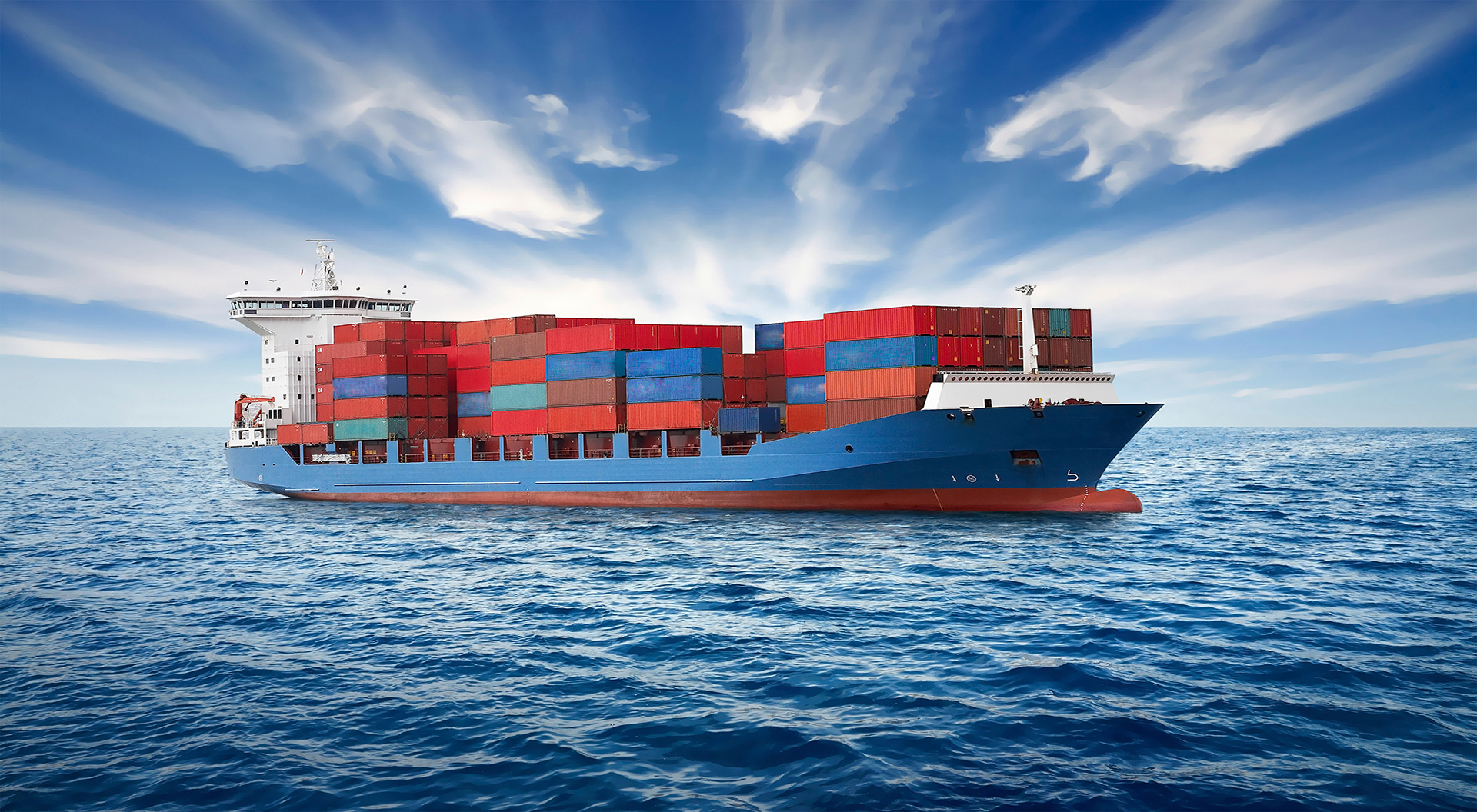
DSV-freight provides professional and reliable logistics solutions for shipping from China to Djibouti, serving traders, project contractors, NGOs, and importers supplying East Africa and surrounding inland markets.
With strong experience in China–Africa trade routes and Red Sea logistics corridors, DSV-freight delivers secure, compliant, and cost-efficient freight services tailored to different cargo types, transit requirements, and delivery destinations.
From cargo pickup in China to arrival at Djibouti port or airport, our logistics team manages transportation planning, international freight, documentation, and customs coordination to ensure smooth cargo flow and predictable delivery schedules.
DSV-freight offers stable and cost-effective sea freight services from major Chinese ports including Shanghai, Shenzhen, Ningbo, and Qingdao to the Port of Djibouti.
As a key gateway port for East Africa, Djibouti handles large volumes of commercial cargo, project equipment, and transit shipments to neighboring countries. DSV-freight provides flexible FCL and LCL options, reliable carrier space, and coordinated port handling to ensure secure and efficient ocean transportation.

For urgent and high-value shipments, DSV-freight provides fast and reliable air freight services from major Chinese airports to Djibouti International Airport.
Our air freight solutions include priority booking, secure cargo handling, accurate documentation, and optional airport-to-door delivery support. This service is suitable for electronics, spare parts, medical supplies, samples, and time-sensitive commercial goods.

DSV-freight offers integrated door-to-door shipping solutions from China to Djibouti, covering origin pickup, export customs clearance, international transportation, import clearance, and final delivery. By managing the entire logistics process under one service structure, our door-to-door solution reduces coordination complexity and improves shipment control. This option is ideal for general cargo, project shipments, and goods moving onward to Ethiopia or other inland destinations.

DSV-freight provides full container load (FCL) shipping services from China to Djibouti, offering 20GP, 40GP, and 40HQ containers for large-volume and heavy cargo.
FCL shipping ensures dedicated container usage, enhanced cargo security, and improved cost efficiency for bulk shipments, machinery, construction materials, and project cargo destined for Djibouti or transit markets.
For smaller shipments, DSV-freight offers less-than-container load (LCL) shipping from China to Djibouti through professional consolidation services.
Multiple shipments are combined into shared containers with controlled loading and handling procedures. Supported by experienced customs coordination and reliable scheduling, LCL shipping helps importers reduce freight costs while maintaining shipment safety and delivery reliability.
DSV-freight will provide most fuel efficient pickup service China
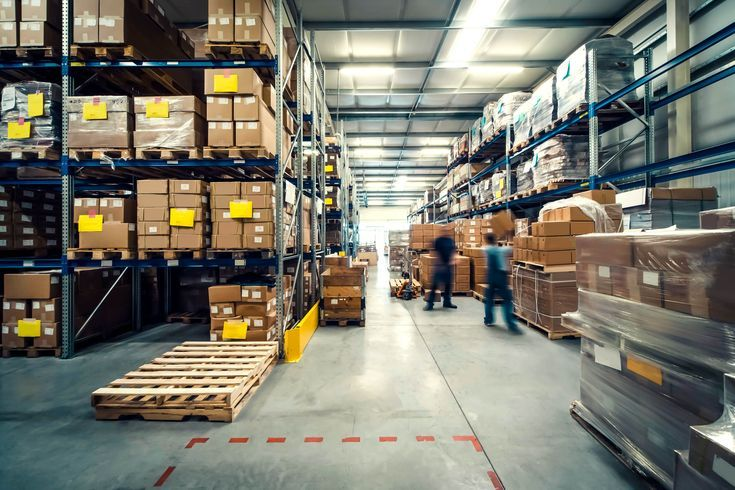
We provide free warehousing services for any of your goods.
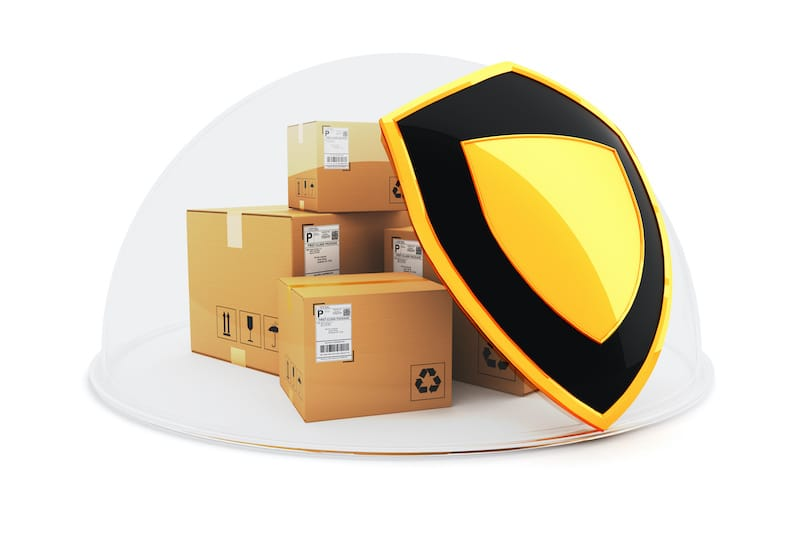
The cargo insurance protects your goods all the way to any Any FBA Warehouse
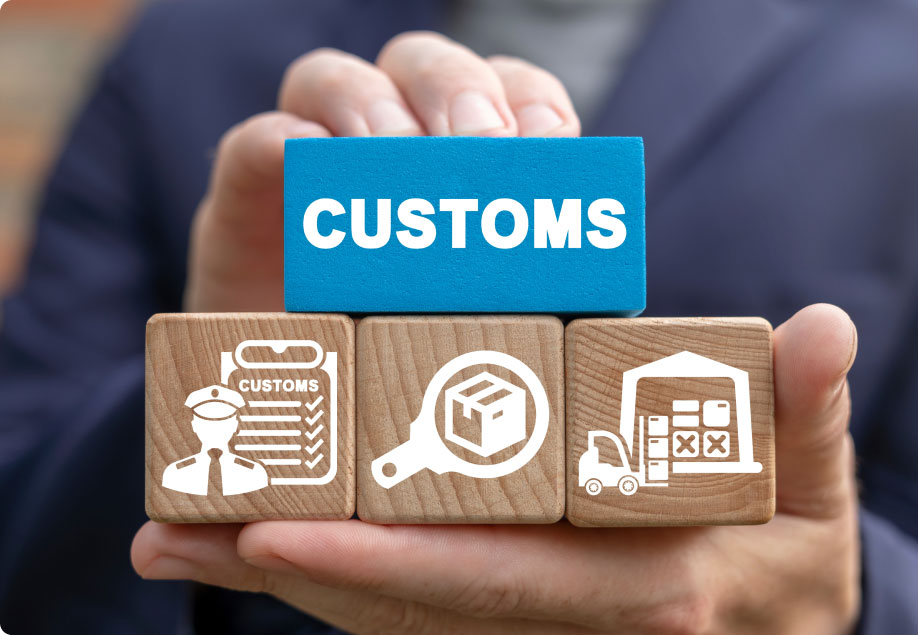
We handle all paperwork and other details for you.

Ensure safe packaging and loading of goods in your suppliers' factory.
Factors affecting shipping time include the shipping method (air, sea, or land), customs clearance procedures, the shipping route, weather conditions, and the carrier's efficiency. Sea freight is typically slower than air freight, and port congestion or delays in customs can further impact the timeline.
Common shipping methods include sea freight, air freight, and express courier services. Sea freight is cost-effective for large volumes but slower, while air freight is faster but more expensive. Express couriers offer a balance between speed and cost for smaller shipments.
Sea freight from China to Djibouti usually takes between 20 to 30 days, depending on the specific route, shipping line, and any potential delays at ports. This method is often used for bulk shipments due to its cost-effectiveness.
Air freight from China to Djibouti typically takes 3 to 7 days. This method is much faster than sea freight and is preferred for urgent or high-value shipments, despite being more expensive.
Shipping costs vary based on the method (sea, air, express), weight and volume of the shipment, distance, and additional services like insurance and handling fees. Sea freight is generally cheaper per unit weight than air freight, but slower.
Required documents include a commercial invoice, packing list, bill of lading (for sea freight) or airway bill (for air freight), certificate of origin, and any applicable import licenses or permits. Proper documentation ensures smooth customs clearance.
Djibouti has specific customs regulations that importers must follow, including paying duties and taxes, providing accurate documentation, and complying with any product-specific regulations or restrictions. Familiarity with these rules helps avoid delays and fines.
Major ports in China include Shanghai, Shenzhen, Ningbo, and Guangzhou. In Djibouti, the primary port is the Port of Djibouti, which handles most international cargo. Choosing efficient ports can impact shipping time and cost.
Shipments can be tracked using the carrier’s online tracking system or through third-party logistics providers. Tracking numbers provided on the bill of lading or airway bill allow shippers and receivers to monitor the shipment’s progress in real-time.
Common challenges include delays due to customs clearance, port congestion, adverse weather conditions, and logistical issues. Addressing these challenges requires thorough planning, choosing reliable carriers, and maintaining good communication with all parties involved.
High code quality delivers a stable and responsive system, making daily logistics management smoother while minimizing technical issues and downtime.
A wide range of available features allows users to manage shipments more efficiently and access essential services with ease. In logistics, feature availability often depends on regional support and operational coverage.
High design quality improves both efficiency and user experience by combining clear structure, practical functionality, and a professional visual layout. In logistics services, good design supports smoother operations and better customer interaction.