
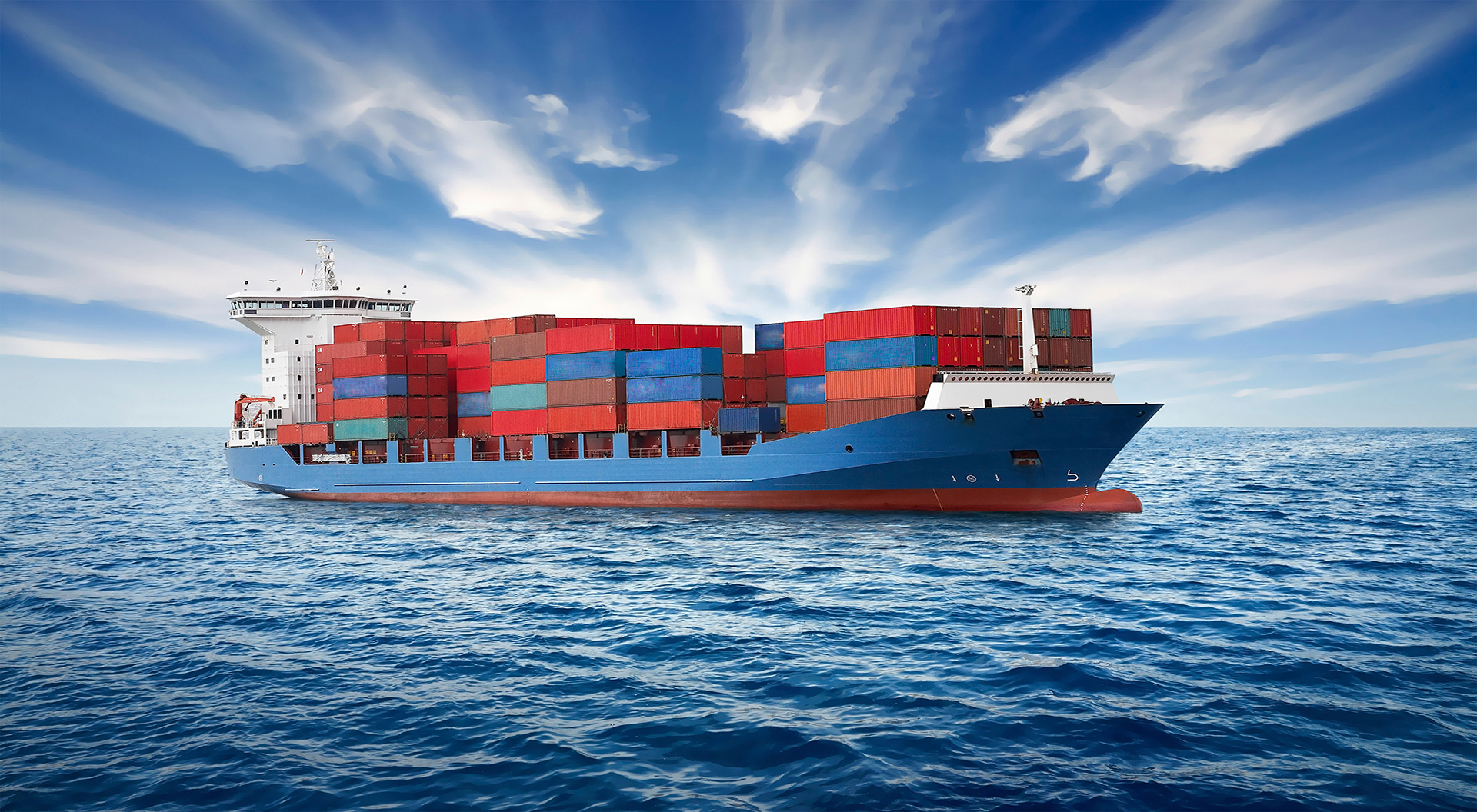
Shipping from China to Guyana involves long-distance international transport combined with South American and Caribbean regional routing, requiring clear coordination across multiple logistics stages. DSV-freight plans each shipment based on cargo characteristics, port operations, and delivery priorities rather than fixed transport routes.
From cargo pickup or port intake in China through international transportation, customs coordination, and final delivery in Guyana, DSV-freight manages the entire process as a single logistics flow. This approach improves shipment visibility, reduces unnecessary handling, and helps importers maintain control over cost, transit timing, and cargo safety.
Sea freight is the primary transportation method for cargo moving from China to Guyana, typically routed through regional ports in the Americas with onward delivery. DSV-freight selects ocean services based on schedule reliability, vessel stability, and cargo requirements to ensure consistent movement. Both full container and consolidated shipments are arranged by DSV-freight, allowing importers to balance freight cost, transit time, and shipment volume while maintaining standardized cargo handling.

Air freight is suitable for shipments that require faster transit or involve high-value goods. DSV-freight arranges air transport through international aviation hubs with coordinated handling and customs support.
This option is commonly used for electronics, spare parts, medical supplies, samples, and other time-sensitive cargo where delivery speed and reliability are critical.
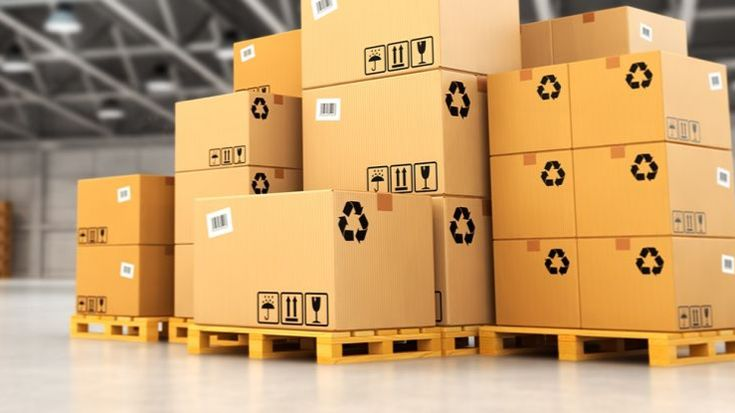
Door-to-door shipping provides a fully coordinated logistics solution covering origin handling, international transportation, customs clearance, and final delivery in Guyana. DSV-freight oversees each transport stage under one operational plan to reduce handover risk.
This service simplifies logistics management, improves schedule predictability, and is suitable for importers seeking end-to-end shipment control without managing multiple service providers.

Full container load shipping is designed for large-volume or heavy cargo requiring exclusive container use. DSV-freight plans container selection and loading based on cargo dimensions, weight distribution, and transport conditions.
This option offers improved cargo security, reduced handling, and better cost efficiency for machinery, construction materials, and bulk commercial goods.
Less-than-container load shipping is suitable for smaller consignments that do not require a full container. DSV-freight consolidates multiple shipments using controlled loading processes and standardized handling procedures.
LCL shipping helps importers manage freight costs while maintaining cargo safety and reliable delivery schedules.
DSV-freight will provide most fuel efficient pickup service China
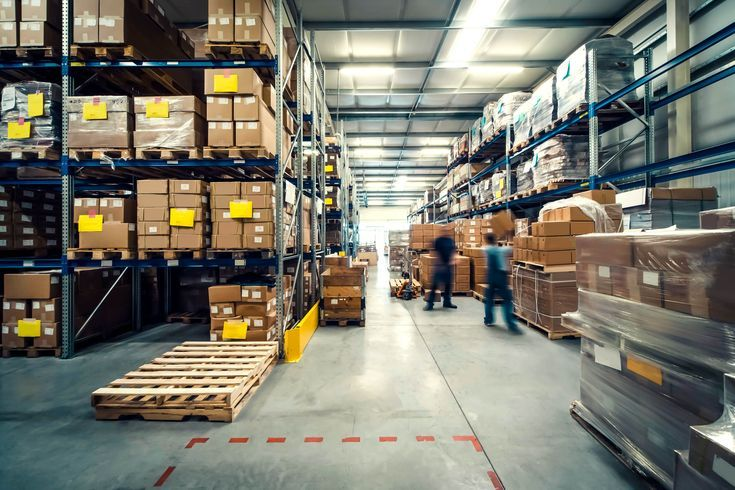
We provide free warehousing services for any of your goods.

The cargo insurance protects your goods all the way to any Any FBA Warehouse
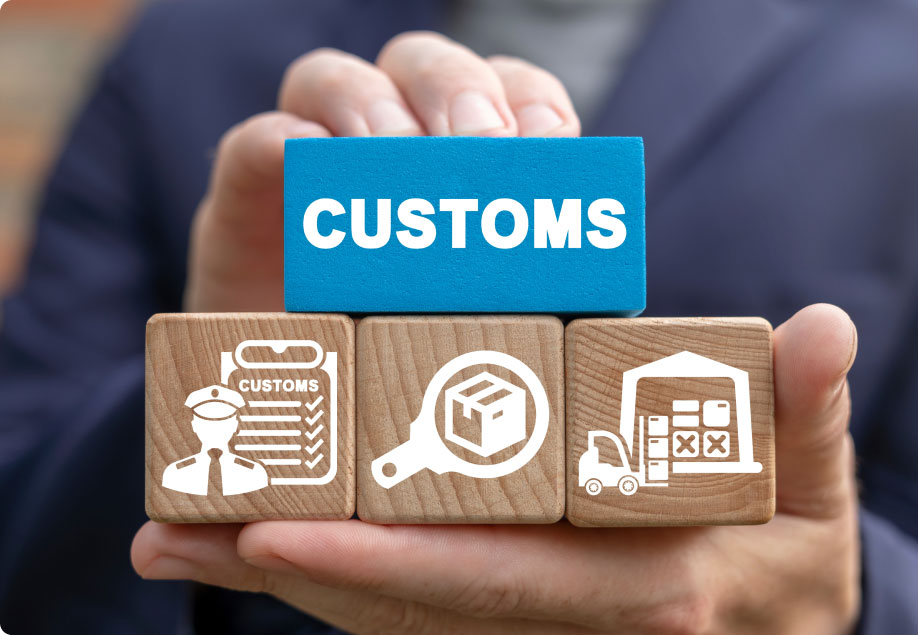
We handle all paperwork and other details for you.

Ensure safe packaging and loading of goods in your suppliers' factory.
The most cost-effective shipping method is usually sea freight, as it offers lower rates for bulk shipments. However, it takes longer, generally between 30 and 45 days. Air freight, while faster (7 to 14 days), is more expensive and better suited for urgent deliveries.
Air freight costs vary depending on the weight and volume of the shipment. On average, it can range from $5 to $10 per kilogram. Prices may fluctuate based on factors like fuel costs and demand, so it's advisable to get quotes from different carriers for a precise cost.
Customs fees can include import duties, VAT, and handling fees. Import duties in Guyana can be around 20% to 30% of the item's value, depending on the product. Additional handling and processing fees may also apply, so checking with Guyanese customs or a freight forwarder for detailed information is recommended.
Yes, certain items may be restricted or prohibited, such as hazardous materials, illegal substances, and some electronics. It's crucial to verify with Guyanese customs regulations and your shipping provider to ensure compliance with all restrictions.
Customs clearance time can vary but generally takes between 3 to 7 days. Delays can occur due to incomplete paperwork, additional inspections, or high volumes of shipments. Ensuring all documentation is accurate and complete can help expedite the process.
Yes, most logistics companies provide tracking services for shipments. You can track your shipment online using the tracking number provided by the shipping company. This allows you to monitor the progress and receive updates on the delivery status.
Express shipping options typically deliver within 3 to 7 days. This faster service is offered by major courier companies like DHL, FedEx, and UPS. The exact delivery time depends on factors such as the specific courier, origin, and destination.
Goods should be properly packed to prevent damage during transit. Use sturdy, well-sealed boxes or pallets, and ensure that items are cushioned and protected. Accurate labeling and documentation are also essential for smooth customs processing.
Required documents generally include a commercial invoice, packing list, bill of lading (for sea freight) or air waybill (for air freight), and a certificate of origin. Additional documents might be needed depending on the nature of the goods and customs requirements.
Contact the shipping company or freight forwarder to get an update on the delay. They can provide information on the cause and expected resolution time. Additionally, checking with customs or the local delivery service can help identify any issues affecting the shipment.
High code quality delivers a stable and responsive system, making daily logistics management smoother while minimizing technical issues and downtime.
High design quality improves both efficiency and user experience by combining clear structure, practical functionality, and a professional visual layout. In logistics services, good design supports smoother operations and better customer interaction.
A wide range of available features allows users to manage shipments more efficiently and access essential services with ease. In logistics, feature availability often depends on regional support and operational coverage.