
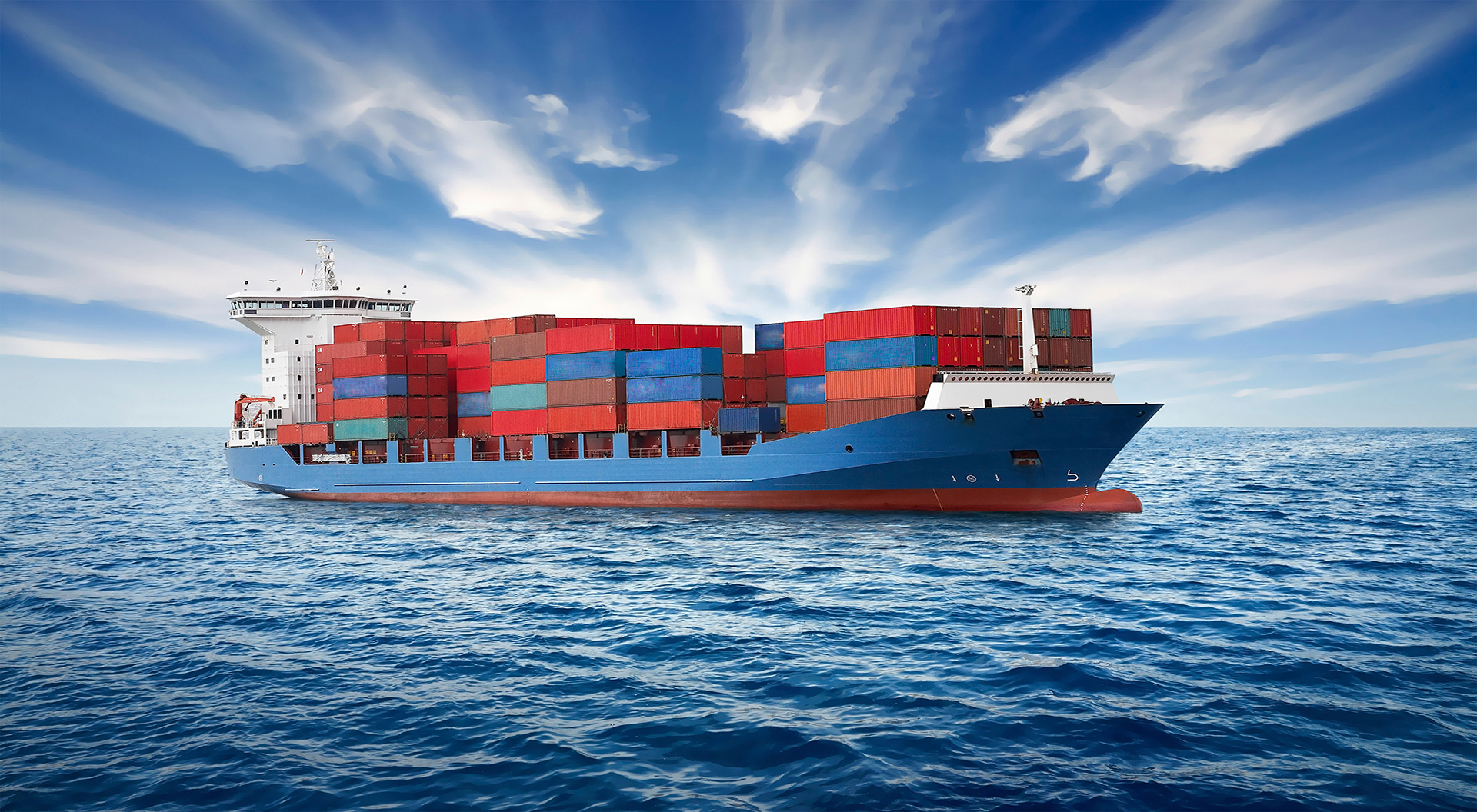
Shipping from China to Jordan requires careful coordination across Asia–Middle East trade routes, combining long-distance ocean or air transport with efficient destination handling. DSV-freight supports companies shipping from China to Jordan by delivering structured logistics solutions tailored to different cargo types, shipment volumes, and delivery timelines. With practical experience in regional routing and import procedures, we help businesses move goods smoothly while maintaining supply chain stability and predictable transit performance.
Sea freight is the most commonly selected option for shipping cargo from China to Jordan, offering strong cost control and high load capacity. DSV-freight organizes ocean shipments from major Chinese ports through reliable Middle East shipping routes to Aqaba, managing carrier selection, export paperwork, port operations, and destination coordination. This solution is well suited for large-volume shipments, heavy cargo, and regular commercial goods requiring stable and efficient maritime transportation.

Air freight provides a faster transportation option for shipments that require shorter transit times between China and Jordan. DSV-freight coordinates air cargo movements through international aviation networks, focusing on schedule alignment, documentation accuracy, and secure handling. This service is typically used for urgent orders, spare parts, electronics, samples, and other time-sensitive cargo.
Door-to-door shipping integrates multiple logistics stages into one coordinated service, covering pickup in China, international transport, customs processing, and final delivery in Jordan. DSV-freight manages the full process under centralized control, helping shippers reduce coordination effort while maintaining clear shipment visibility and consistent cargo movement from origin to destination.

FCL shipping is ideal for businesses shipping full container loads that require higher cargo security and controlled handling. DSV-freight provides standard container options and manages loading at origin, container sealing, ocean transport, and port handling in Jordan. This method reduces cargo manipulation during transit, improves schedule reliability, and is widely used for machinery, industrial materials, construction goods, and large-scale commercial shipments from China to Jordan.
LCL shipping is designed for smaller shipments that do not occupy a full container but still require professional international transportation. DSV-freight consolidates multiple consignments at origin, arranges shared container transport, and coordinates deconsolidation at destination ports. This solution allows importers to optimize freight costs while benefiting from organized cargo handling, customs coordination, and dependable delivery from China to Jordan.
DSV-freight will provide most fuel efficient pickup service China
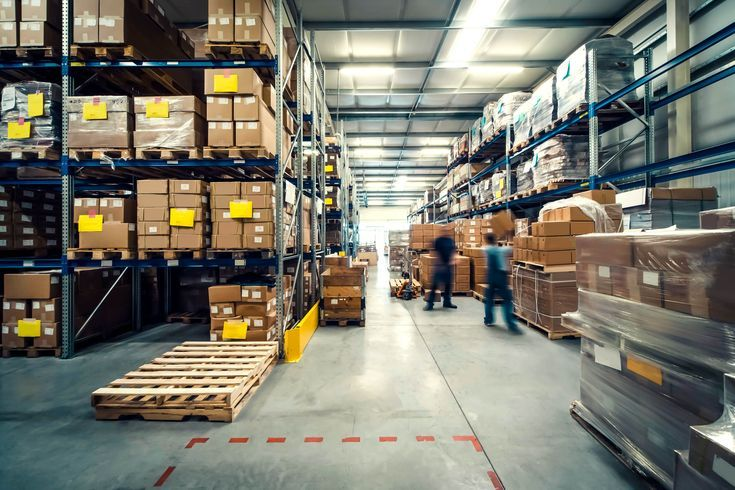
We provide free warehousing services for any of your goods.

The cargo insurance protects your goods all the way to any Any FBA Warehouse
We handle all paperwork and other details for you.

Ensure safe packaging and loading of goods in your suppliers' factory.
Shipping time from China to Jordan is influenced by factors such as the chosen shipping method (air or sea), customs clearance processes, specific shipping routes, and potential delays in transit.
To choose a reliable freight forwarder, research their safety protocols, compliance records, and customer reviews. Opt for companies with a proven track record and extensive experience in international shipping.
For fragile items, use ample padding materials like bubble wrap or foam. Ensure the items are snugly fitted in sturdy boxes to prevent movement and potential damage during transit.
Insurance is crucial for protecting shipments against potential losses, theft, or damage. It provides financial coverage and peace of mind, ensuring that high-value or sensitive items are safeguarded during transit.
International shipping regulations include customs laws, safety standards, and environmental guidelines. Compliance with these regulations ensures smooth transit and avoids delays or penalties.
Tracking technology allows real-time monitoring of shipments, providing updates on the location and status of goods. This helps address any issues promptly and ensures timely delivery.
Security measures include using sealed containers, secure storage facilities, and monitoring during loading and unloading. These steps help prevent theft and unauthorized access to shipments.
Conducting risk assessments helps identify potential hazards during transit and develop contingency plans. This proactive approach minimizes risks and ensures the safety of goods.
Personnel should be trained in safety procedures, compliance requirements, handling hazardous materials, and emergency response protocols. Proper training ensures safe and efficient handling of goods.
Regularly reviewing and updating safety practices based on feedback and industry developments helps improve efficiency, reduce risks, and ensure the secure delivery of shipments.
Operational management involves organizing transport resources, defining clear workflows, and following industry regulations. Depending on regional practices, infrastructure can be owned and operated by public institutions or private companies.
A wide range of available features allows users to manage shipments more efficiently and access essential services with ease. In logistics, feature availability often depends on regional support and operational coverage.
High code quality delivers a stable and responsive system, making daily logistics management smoother while minimizing technical issues and downtime.