


Shipping from China to Kazakhstan is a core trade route across Central Asia, involving cross-border transportation, inland logistics, and coordinated customs procedures. DSV-freight provides professional logistics solutions for shipping from China to Kazakhstan, supporting manufacturers, traders, and project-based importers across multiple industries. With solid experience in China–Central Asia corridors, we help clients manage cargo movement with better control, predictable transit schedules, and stable supply chain performance.
Rail transport is one of the most important shipping solutions between China and Kazakhstan. DSV-freight organizes cross-border rail freight services via established rail corridors, managing container loading, border customs clearance, and inland rail transportation. Rail shipping offers a balanced option between transit time and cost, making it suitable for commercial goods, industrial cargo, and regular shipments requiring stable schedules.

Air freight is suitable for shipments that require faster delivery from China to Kazakhstan. DSV-freight coordinates air cargo movements through major international airports, focusing on flight planning, documentation accuracy, and secure cargo handling. This service is commonly used for electronics, spare parts, medical supplies, samples, and other time-sensitive or high-value goods.
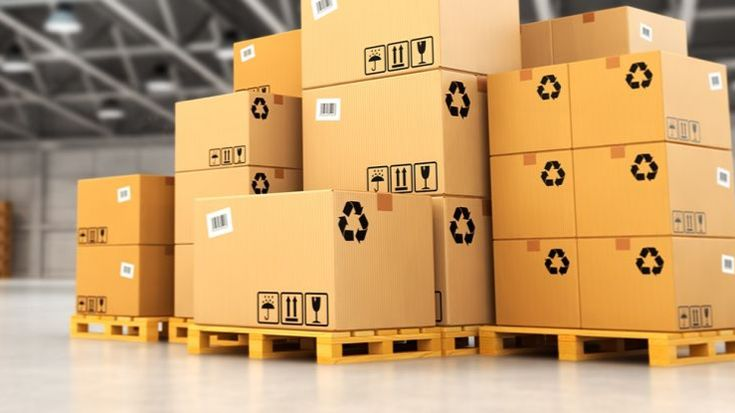
Door-to-door shipping from China to Kazakhstan provides a fully integrated logistics solution covering pickup at origin, international transportation, customs coordination, and final inland delivery. DSV-freight manages each stage of the shipment under centralized control, ensuring smoother cargo flow across borders and reducing operational complexity for importers. This service is suitable for general cargo, commercial goods, and industrial shipments requiring clear responsibility and consistent transit management.

FCL shipping is ideal for businesses transporting full container loads that require higher cargo security and controlled handling. DSV-freight provides standard container options and manages factory loading, container sealing, rail or door-to-door transportation, and destination handling in Kazakhstan. This shipping mode reduces cargo handling during transit, improves shipment stability, and is widely used for machinery, construction materials, industrial equipment, and bulk commercial goods shipped from China to Kazakhstan.
LCL shipping is designed for smaller shipments that do not fill an entire container but still require professional international transportation. DSV-freight consolidates multiple shipments at origin, arranges shared container transport via rail or door-to-door routes, and coordinates deconsolidation at destination facilities. This solution allows importers to control freight costs while maintaining organized cargo handling, customs coordination, and reliable delivery from China to Kazakhstan.
DSV-freight will provide most fuel efficient pickup service China
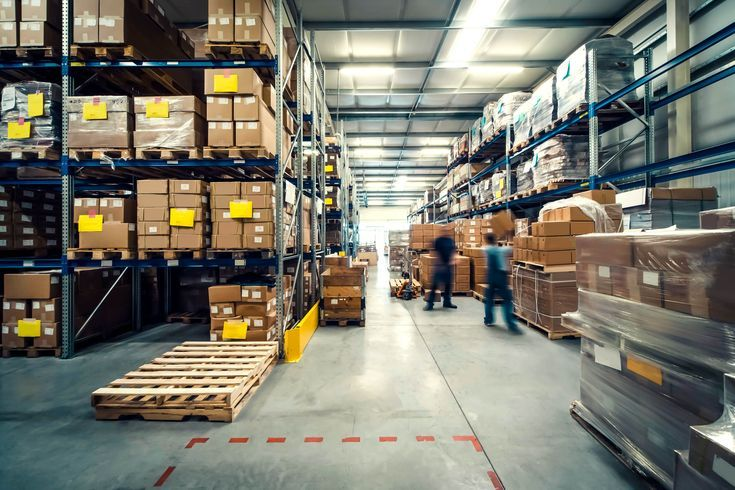
We provide free warehousing services for any of your goods.

The cargo insurance protects your goods all the way to any Any FBA Warehouse
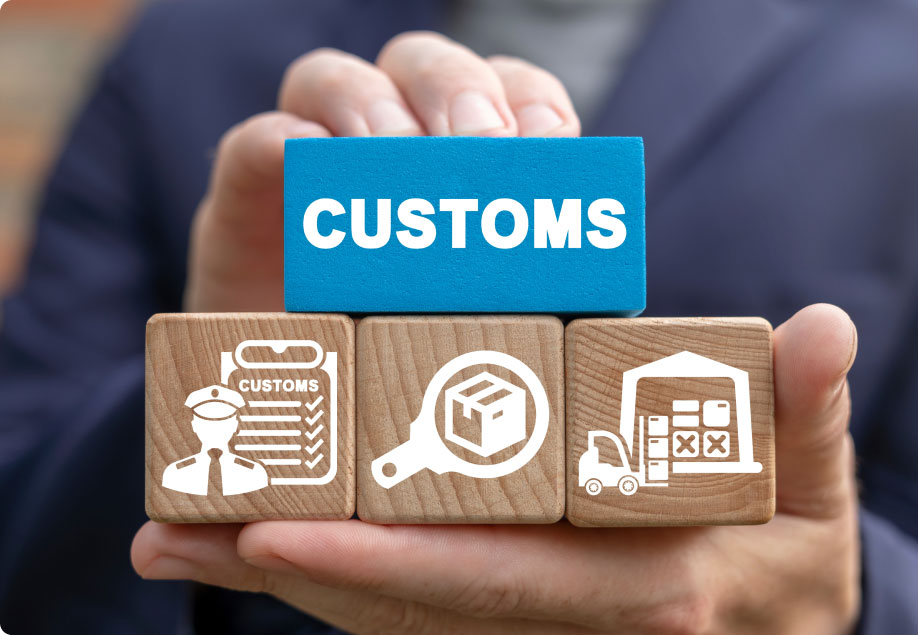
We handle all paperwork and other details for you.

Ensure safe packaging and loading of goods in your suppliers' factory.
Rail freight via the China-Europe Railway Express (Dostyk/Altynkol crossings) takes 12–18 days to Almaty/Nur-Sultan. Add 3–5 days for inland delivery to Karaganda or Shymkent.
Key documents include commercial invoices, packing lists, Bills of Lading, EAC certificates (for Eurasian Economic Union compliance), and import declarations.
Customs duty: 0–20% based on HS code. VAT: 12% on CIF value + duties. Goods under 200,000 KZT (≈ $400) are VAT-exempt.
Yes, but food requires sanitary certificates, and pharmaceuticals must meet EAEU standards. Partner with forwarders experienced in EAC compliance.
Use ePacket or AliExpress Standard Shipping for parcels under 2kg (15–25 days, $8–$15). For bulk orders, rail freight LCL is cost-effective.
Opt for DDP shipping (forwarder handles taxes) and ensure accurate EAC certification. Work with agents familiar with Kazakhstan’s customs system (e.g., Asycuda World).
Several reputable freight forwarders specialize in routes between China and Kazakhstan, including DHL, FedEx, and local forwarders with expertise in Central Asian logistics. Researching their services and reviews can help in selecting a reliable partner.
Packaging should ensure that goods are protected from damage during transit. Use sturdy materials and appropriate padding, especially for fragile items. Consider customs regulations and the nature of the goods when packaging.
Seasonal factors like winter weather can impact shipping times, particularly for sea freight. Delays due to adverse weather conditions or increased demand during peak seasons can affect transit times.
When shipping goods from China to Kazakhstan, you typically need several documents to ensure smooth customs clearance and transportation. Here's a list of common documents you may need:
Commercial Invoice: This document provides details about the goods being shipped, including their description, quantity, value, and the terms of sale. It's essential to ensure that the information on the commercial invoice matches the details of the shipment.
Packing List: A detailed list of all the items included in the shipment, specifying the quantity, weight, and dimensions of each item. The packing list helps customs authorities verify the contents of the shipment and ensures accurate customs declaration.
Bill of Lading (B/L): This serves as a receipt of goods from the carrier and is a contract between the shipper and the carrier. The Bill of Lading includes information about the shipment, such as the consignee, shipper, destination port, and terms of shipment. It's crucial for the transportation and delivery of the goods.
Certificate of Origin: This document certifies the origin of the goods and may be required for customs clearance. It indicates where the goods were manufactured or produced and helps determine eligibility for preferential trade agreements or tariff benefits.
Customs Declaration/Form: This form provides information about the contents of the shipment and is used by customs authorities to assess duties and taxes. It's essential to accurately complete the customs declaration to comply with Kazakhstan's import regulations.
Import License (if applicable): Certain goods may require an import license from Kazakhstan's government before they can be cleared through customs. Check with local authorities or your freight forwarder to determine if your goods require an import license.
Insurance Certificate: This document provides evidence of insurance coverage for the shipment and is often required by both the buyer and the seller. It helps protect the interests of all parties involved in the shipment.
Export License (if applicable): Certain goods may require an export license from Chinese authorities before they can be shipped out of the country. Verify if your goods require an export license and obtain it before shipping.
Other Certifications or Documentation: Depending on the nature of the goods being shipped, additional certificates or documentation may be required. For example, agricultural products may require a phytosanitary certificate, and hazardous materials may require a Material Safety Data Sheet (MSDS).
It's essential to consult with your freight forwarder, shipping agent, or customs broker to ensure you have all the necessary documentation for your specific shipment. Requirements may vary based on factors such as the type of goods, shipping method, and regulations in both China and Kazakhstan. Additionally, political and economic factors may influence documentation requirements, so it's crucial to stay updated on any changes in regulations
High code quality delivers a stable and responsive system, making daily logistics management smoother while minimizing technical issues and downtime.
High design quality improves both efficiency and user experience by combining clear structure, practical functionality, and a professional visual layout. In logistics services, good design supports smoother operations and better customer interaction.
A wide range of available features allows users to manage shipments more efficiently and access essential services with ease. In logistics, feature availability often depends on regional support and operational coverage.