

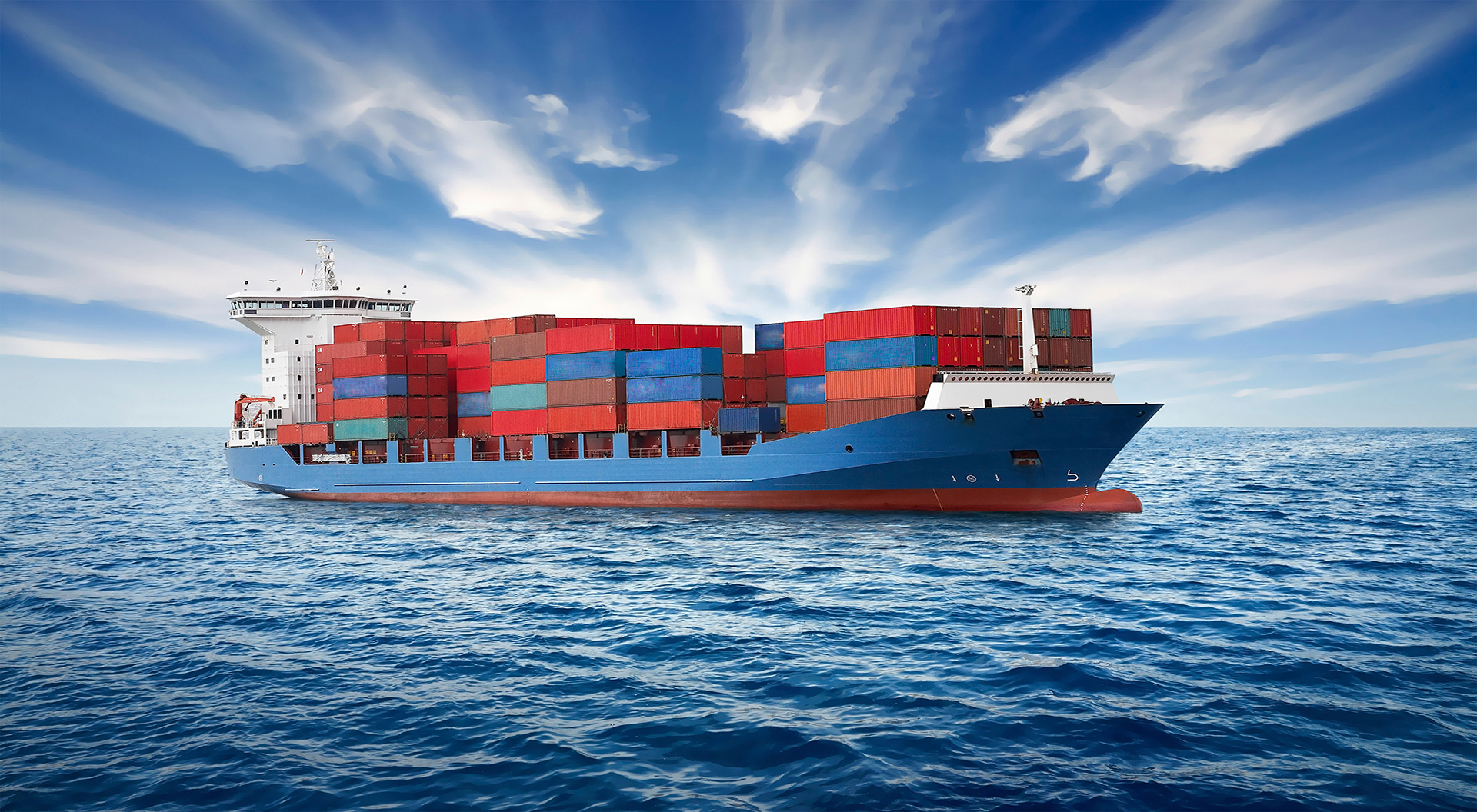
Shipping from China to Lebanon is essential for supporting regional trade, construction supply chains, retail distribution, and industrial imports across the Middle East. As a key gateway to the Eastern Mediterranean, Lebanon relies heavily on international freight connections to ensure stable cargo flows into Beirut and surrounding commercial zones. DSV-freight delivers professional logistics solutions for shipping from China to Lebanon, helping importers manage transportation risks, comply with customs regulations, and maintain reliable delivery schedules across complex trade routes.
Sea freight is the primary and most cost-effective shipping method from China to Lebanon, especially for large-volume and heavy cargo. DSV-freight organizes ocean freight from major Chinese ports such as Shanghai, Ningbo, Shenzhen, and Qingdao to Beirut Port through optimized Mediterranean routing. With stable carrier cooperation, controlled cargo handling, and coordinated inland transport at destination, sea freight supports consistent delivery performance for commercial goods, building materials, machinery, and bulk shipments.

Air freight provides a faster transportation solution for time-sensitive shipments moving from China to Lebanon. DSV-freight manages air cargo from major Chinese airports to Beirut, ensuring efficient flight planning, secure handling, and accurate documentation. This service is commonly used for electronics, medical supplies, automotive parts, samples, and urgent commercial cargo that requires reduced transit time and higher delivery reliability.
Rail freight offers an alternative solution for shipping from China to Lebanon by combining rail transportation with onward sea or road connections through regional hubs. DSV-freight coordinates China–Europe and Eurasian rail services to strategic transit points, followed by onward movement toward the Eastern Mediterranean. This option suits medium-urgency cargo requiring more predictable transit times than sea freight while maintaining better cost control compared with air freight.

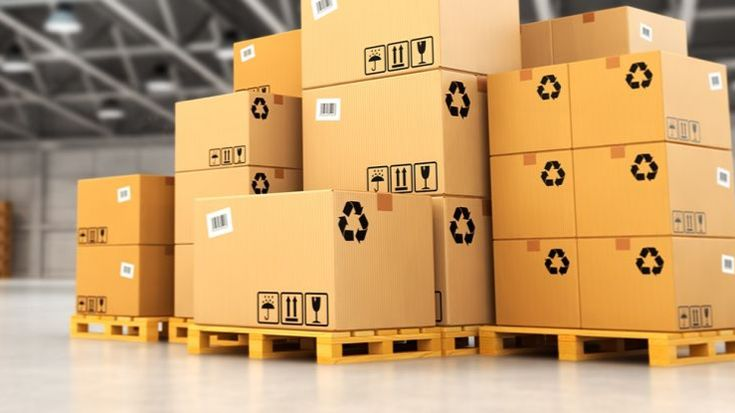
FCL shipping is ideal for businesses moving full container loads that demand higher cargo security, organized loading, and stable transit performance. DSV-freight provides professional FCL services including factory pickup, container loading, ocean transportation, port handling, and destination coordination in Lebanon. By minimizing cargo handling during transit, FCL shipping helps protect goods and is widely used for industrial equipment, construction materials, project cargo, and bulk commercial shipments from China to Lebanon.
LCL shipping supports smaller consignments that do not require a full container but still need reliable international transportation. DSV-freight consolidates cargo at origin in China, arranges shared container transport through optimized maritime routes, and manages deconsolidation and customs procedures upon arrival in Lebanon. This solution enables importers to control freight costs while maintaining structured cargo handling, compliance support, and dependable delivery performance.
DSV-freight will provide most fuel efficient pickup service China
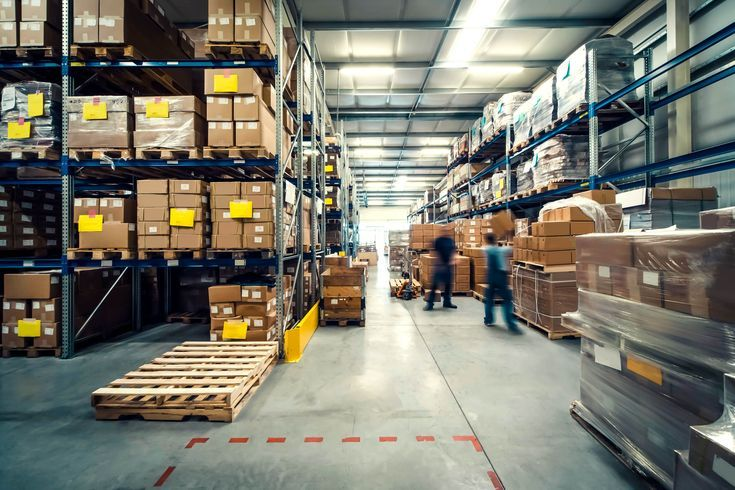
We provide free warehousing services for any of your goods.
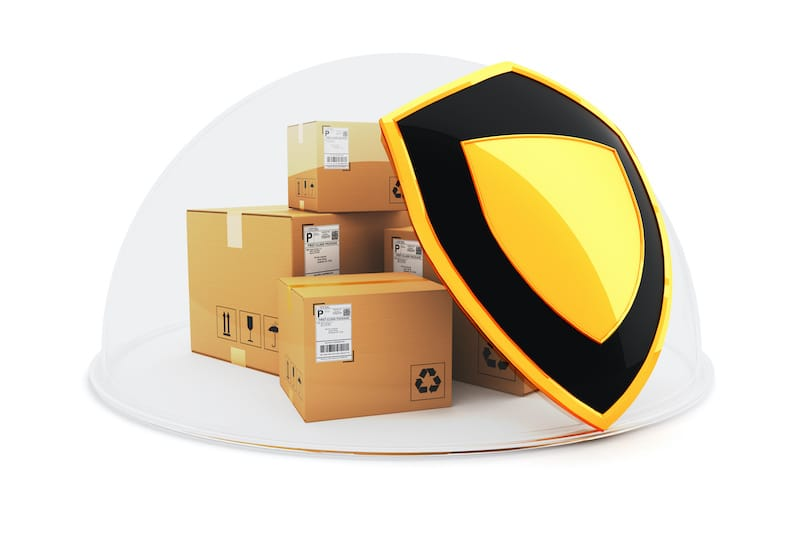
The cargo insurance protects your goods all the way to any Any FBA Warehouse
We handle all paperwork and other details for you.

Ensure safe packaging and loading of goods in your suppliers' factory.
Several factors impact shipping time from China to Lebanon. These include the chosen shipping method (air or sea), the specific route taken, customs processing times, and any potential delays in transit. Air freight is generally faster, taking 7-10 days, while sea freight may take 20-30 days. Additionally, factors such as port congestion and weather conditions can also affect shipping duration.
To expedite shipping, consider using air freight instead of sea freight. Choose express shipping options offered by carriers, which prioritize faster delivery. Ensure that all documentation is accurate and complete to avoid delays in customs. Working with a reliable freight forwarder who specializes in fast-tracked shipments can also help in reducing overall shipping time.
Shipping costs from China to Lebanon depend on the chosen method (air or sea), shipment weight, volume, and the urgency of delivery. Air freight is typically more expensive but faster, while sea freight is cost-effective for larger shipments but takes longer. Additional costs may include customs fees, insurance, and handling charges. It’s advisable to get a detailed quote from your freight forwarder.
Customs procedures can significantly impact shipping time. Delays may occur if documentation is incomplete or incorrect. Customs clearance involves checking goods, verifying documents, and assessing duties and taxes. Proper preparation, including accurate and complete documentation, can help minimize delays and ensure a smoother customs process.
Essential documents for shipping from China to Lebanon include the commercial invoice, packing list, bill of lading, and certificate of origin. Depending on the type of goods, additional documentation such as certificates of conformity or import permits may be required. Ensuring all documents are accurate and complete can help prevent delays and complications.
Yes, tracking is available for shipments from China to Lebanon. Most freight forwarders and carriers offer tracking services that allow you to monitor your shipment’s progress in real-time. This can help you stay informed about the location and status of your cargo, and promptly address any issues that arise during transit.
If your shipment is delayed, first check the tracking information provided by your carrier or freight forwarder for updates. Contact them for details on the delay and any actions being taken. Review all documentation to ensure it is complete and correct. If necessary, work with your forwarder to resolve any issues with customs or transit.
Shipping hazardous materials requires compliance with international regulations and additional precautions. Ensure you follow proper labeling, packaging, and documentation guidelines as specified by regulatory bodies. Work with a freight forwarder experienced in handling hazardous materials to ensure safe and compliant transport.
Proper preparation involves using suitable packaging materials to protect goods during transit. For fragile items, use adequate padding, and for heavy cargo, select robust containers. Ensure that goods are labeled correctly and that all documentation is complete. Working with a professional freight forwarder can also help ensure proper preparation.
Shipping schedules can change due to various factors, including seasonal demand, port congestion, and carrier availability. It’s important to regularly check with your freight forwarder for the most up-to-date schedule information. Additionally, unexpected delays such as weather conditions or operational issues may impact schedules.
High design quality improves both efficiency and user experience by combining clear structure, practical functionality, and a professional visual layout. In logistics services, good design supports smoother operations and better customer interaction.
A wide range of available features allows users to manage shipments more efficiently and access essential services with ease. In logistics, feature availability often depends on regional support and operational coverage.
Operational management involves organizing transport resources, defining clear workflows, and following industry regulations. Depending on regional practices, infrastructure can be owned and operated by public institutions or private companies.