

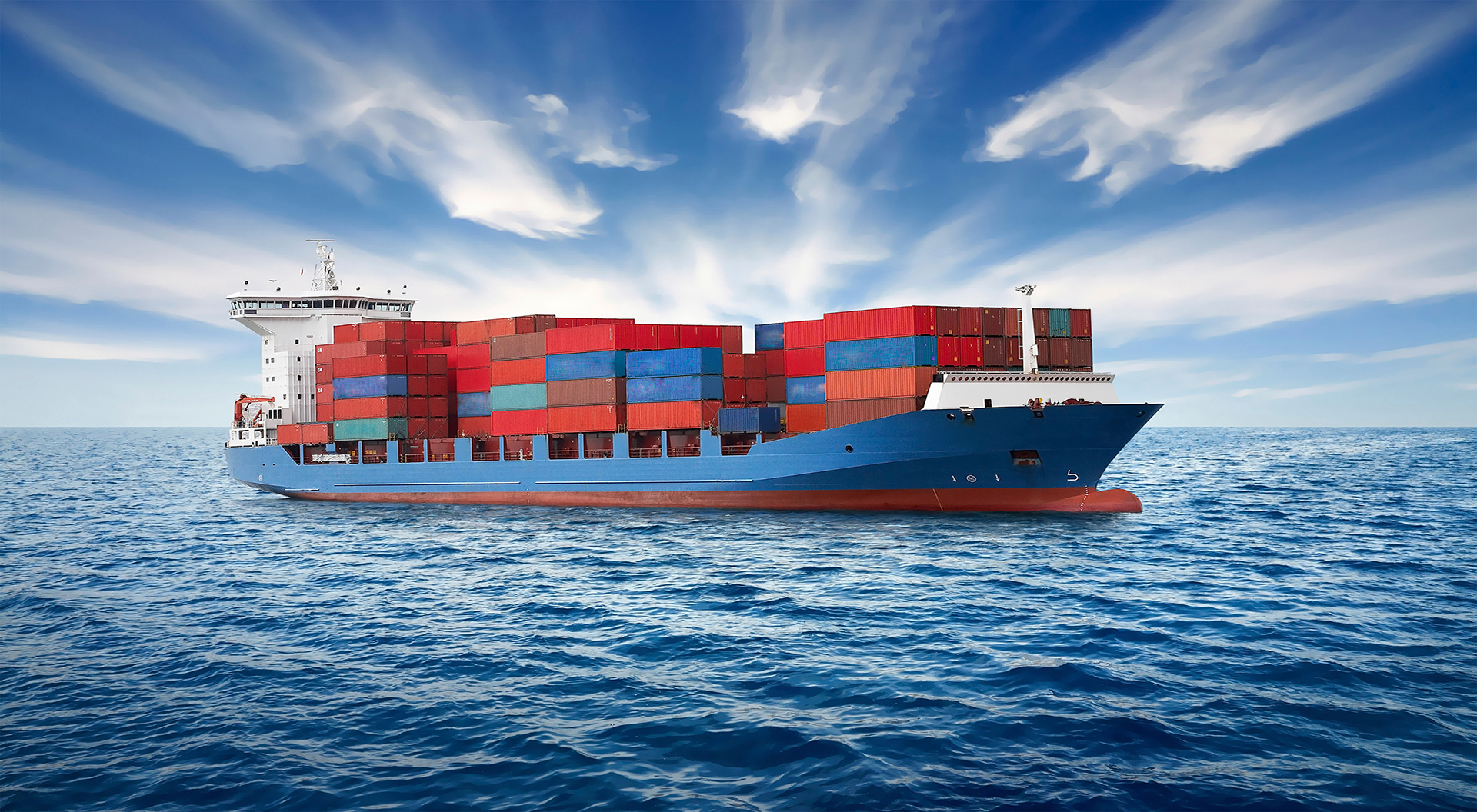
Shipping from China to the Marshall Islands supports local consumption, infrastructure maintenance, government procurement, and project-related supplies across this Pacific island nation. Due to its remote geographic location and limited local production, the Marshall Islands relies heavily on international freight combined with coordinated regional and island distribution. DSV-freight provides professional and reliable logistics solutions for shipping from China to the Marshall Islands, managing cargo movement from Chinese origins to final delivery with controlled routing and consistent service execution.
With experience in Asia–Pacific trade lanes and island logistics operations, DSV-freight ensures compliant documentation, secure cargo handling, and dependable delivery performance.
Sea freight is the most economical option for shipping from China to the Marshall Islands, particularly for bulk, non-urgent, or project cargo. DSV-freight arranges ocean freight from major Chinese ports such as Shanghai, Ningbo, Shenzhen, and Qingdao to the Port of Majuro, typically via established Pacific transshipment hubs.
This solution is commonly used for construction materials, machinery, food supplies, and general commercial cargo that requires cost control and stable transport planning.

Air freight is suitable for urgent or high-value shipments from China to the Marshall Islands that require shorter transit times. DSV-freight coordinates air cargo from major Chinese airports to Marshall Islands International Airport, often via regional aviation hubs.
With secure handling and professional documentation support, air freight is frequently used for medical supplies, electronics, spare parts, samples, and time-sensitive commercial shipments.
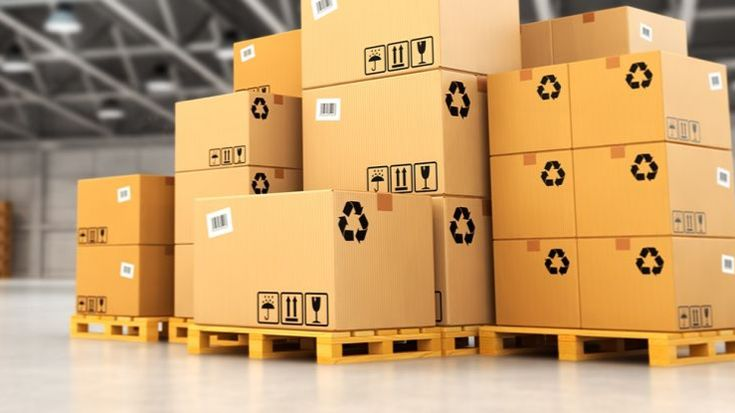
Door to door shipping provides a fully integrated logistics solution from China to the Marshall Islands. DSV-freight manages factory pickup, export documentation, international transportation, import customs clearance, and final delivery to warehouses, government facilities, or project sites across the islands. This service reduces coordination complexity, improves shipment visibility, and ensures smoother cargo movement across multiple transport stages. Door to door shipping is suitable for general cargo, aid-related shipments, and customers seeking simplified supply chain management.

FCL shipping is ideal for customers transporting large volumes or cargo that requires higher security and operational efficiency. DSV-freight provides full container load services using 20GP, 40GP, and 40HQ containers, covering container booking, professional loading at origin, international sea transportation, port handling at Pacific gateways, and coordinated delivery to the Marshall Islands.
By keeping cargo sealed within a dedicated container throughout the journey, FCL shipping minimizes handling risks and improves delivery reliability. This solution is commonly chosen for infrastructure materials, large-scale equipment, bulk commercial goods, and long-term supply or development projects.
LCL shipping is designed for smaller shipments that do not require a full container while maintaining cost efficiency and cargo safety. DSV-freight manages consolidation at origin in China, shared container transportation via regional transshipment ports, professional deconsolidation, and coordinated final delivery to the Marshall Islands.
This option allows importers to ship flexible volumes without waiting to fill an entire container, helping optimize freight costs while maintaining stable transit performance. LCL shipping is suitable for SMEs, mixed cargo shipments, phased project deliveries, and regular replenishment orders.
DSV-freight will provide most fuel efficient pickup service China
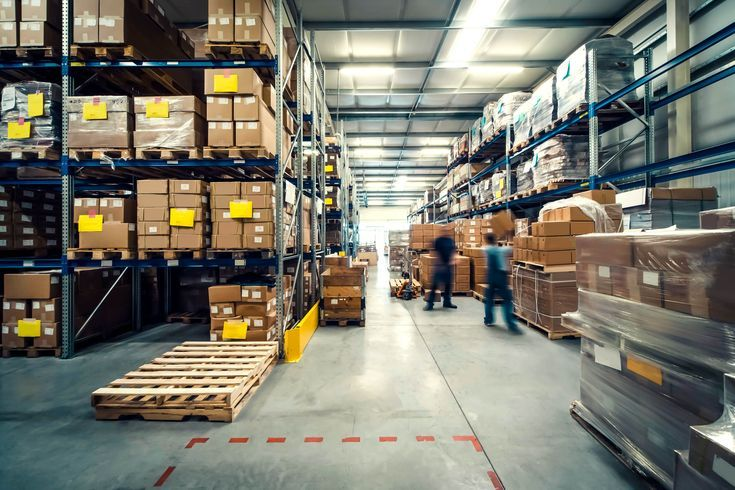
We provide free warehousing services for any of your goods.
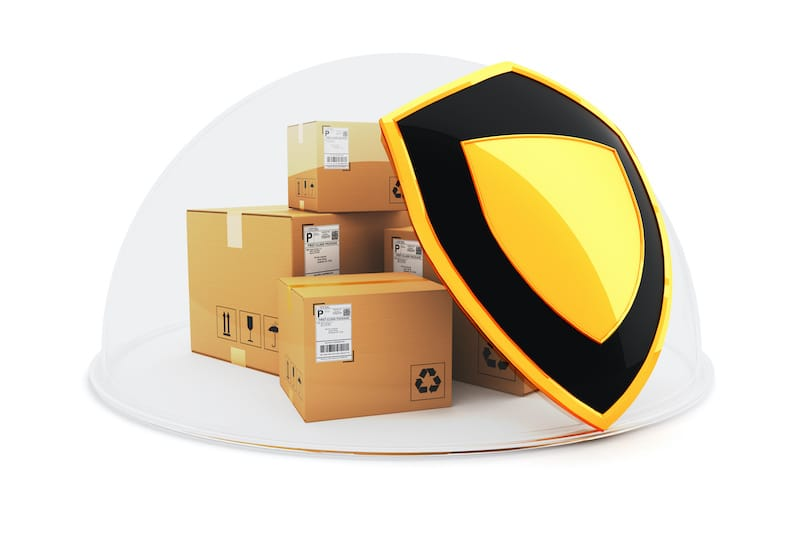
The cargo insurance protects your goods all the way to any Any FBA Warehouse
We handle all paperwork and other details for you.

Ensure safe packaging and loading of goods in your suppliers' factory.
Shipping time is influenced by the mode of transport (air or sea), the specific route taken, weather conditions, and customs processing times. Sea freight is slower but more economical, while air freight is faster but costs more.
To track your shipment, use the tracking number provided by your freight forwarder or carrier. Most shipping companies offer online tracking systems that allow you to monitor the progress of your shipment in real-time.
Ensure that your shipment complies with the Marshall Islands’ customs regulations. This includes accurate documentation such as invoices and packing lists, and adherence to import duties and taxes.
For faster delivery, air freight is ideal, but it's more costly. Sea freight is more economical for larger or less urgent shipments. Your choice depends on your budget and urgency.
Yes, additional fees may include customs duties, import taxes, and handling charges. Be sure to inquire with your freight forwarder about any potential extra costs that might apply.
Properly package your goods to prevent damage during transit. Use durable packaging materials, and ensure that all items are securely packed and labeled according to international shipping standards.
Risks include potential damage to goods, delays due to weather or customs issues, and loss or theft. Adequate insurance coverage can help mitigate these risks and ensure compensation in case of issues.
Adverse weather conditions such as storms or heavy rain can delay shipping times, particularly for sea freight. It’s important to check weather forecasts and plan accordingly to minimize potential disruptions.
Contact your freight forwarder or carrier to get updated information on the status of your shipment. They can provide details on the cause of the delay and the estimated new delivery time.
Yes, you can opt for expedited shipping options such as air freight or express services. This will speed up delivery times but may come with a higher cost compared to standard shipping methods.
Operational management involves organizing transport resources, defining clear workflows, and following industry regulations. Depending on regional practices, infrastructure can be owned and operated by public institutions or private companies.
High design quality improves both efficiency and user experience by combining clear structure, practical functionality, and a professional visual layout. In logistics services, good design supports smoother operations and better customer interaction.
High code quality delivers a stable and responsive system, making daily logistics management smoother while minimizing technical issues and downtime.