

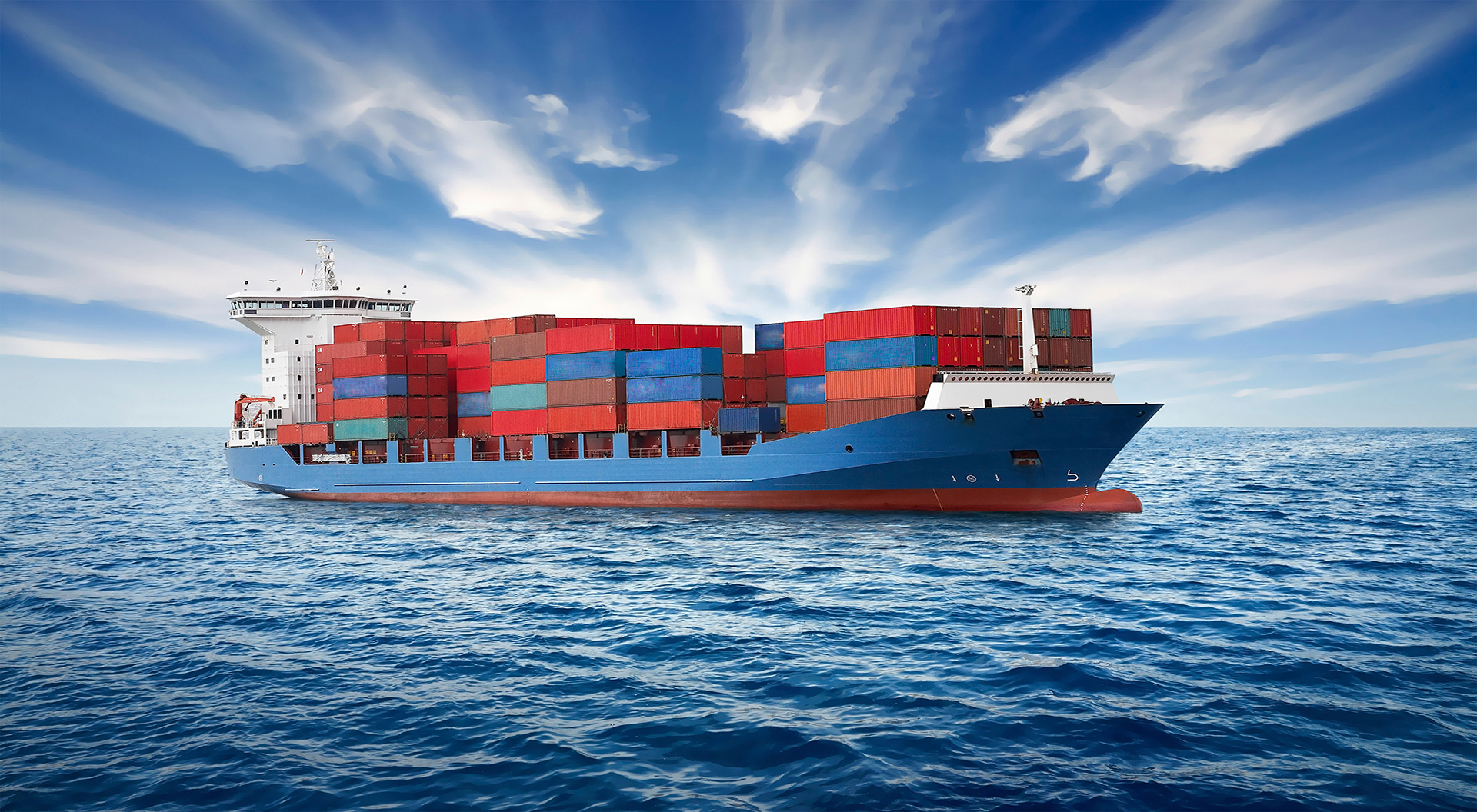
Shipping from China to Mozambique supports trade in construction materials, mining equipment, agricultural machinery, consumer goods, and industrial supplies serving southern and eastern Africa. As a key coastal country with important ports along the Indian Ocean, Mozambique relies on efficient international shipping combined with inland distribution to neighboring regions. DSV-freight provides professional logistics solutions for shipping from China to Mozambique, managing cargo movement from Chinese production centers to final destinations across Mozambique with controlled transit and compliant documentation.
With experience in Asia–Africa trade lanes and regional logistics coordination, DSV-freight ensures secure cargo handling, clear customs processes, and reliable delivery performance.
Sea freight is the most commonly used and cost-effective option for shipping from China to Mozambique. DSV-freight arranges ocean freight from major Chinese ports such as Shanghai, Ningbo, Shenzhen, and Qingdao to Mozambican ports including Maputo, Beira, and Nacala, followed by inland transportation to cities and industrial zones across the country.
This solution is suitable for bulk cargo, project cargo, commercial goods, machinery, and non-urgent shipments that prioritize freight cost efficiency and large container capacity.

Air freight is suitable for time-sensitive or high-value shipments from China to Mozambique. DSV-freight coordinates air cargo from major Chinese airports to Maputo International Airport and other regional airports, with onward delivery arranged according to shipment requirements.
With professional handling and documentation support, air freight is commonly used for electronics, spare parts, medical supplies, samples, and urgent commercial shipments.

Door to door shipping provides a fully integrated logistics solution from China to Mozambique. DSV-freight manages factory pickup, export documentation, international transportation, customs clearance, and final delivery to warehouses, industrial sites, retail locations, or project destinations across Mozambique. This service simplifies logistics coordination, improves shipment visibility, and ensures smooth cargo movement throughout international and inland transport stages. Door to door shipping is suitable for general cargo, project shipments, and importers seeking a streamlined and controlled logistics process.

FCL shipping is ideal for customers transporting large volumes or cargo that requires higher security and operational efficiency. DSV-freight provides full container load services using 20GP, 40GP, and 40HQ containers, covering container booking, professional loading at origin, international sea transportation, port handling, inland container movement, and coordinated final delivery across Mozambique.
By keeping cargo sealed within a dedicated container throughout the main transport stages, FCL shipping reduces handling risks, protects cargo integrity, and improves schedule reliability. This option is widely used for construction materials, mining equipment, industrial machinery, and long-term commercial supply contracts.
LCL shipping is designed for smaller shipments that do not require a full container while maintaining cost efficiency and cargo safety. DSV-freight manages consolidation at origin in China, shared container transportation to Mozambican ports, professional deconsolidation, customs coordination, and inland delivery to consignees across Mozambique.
This option allows importers to ship flexible cargo volumes without waiting to fill an entire container, helping control logistics costs while maintaining predictable transit performance. LCL shipping is suitable for SMEs, mixed cargo shipments, retail replenishment, and phased import orders.
DSV-freight will provide most fuel efficient pickup service China
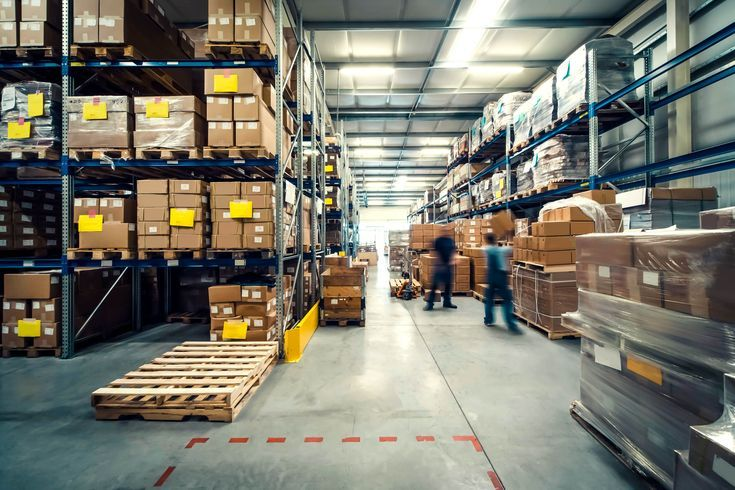
We provide free warehousing services for any of your goods.
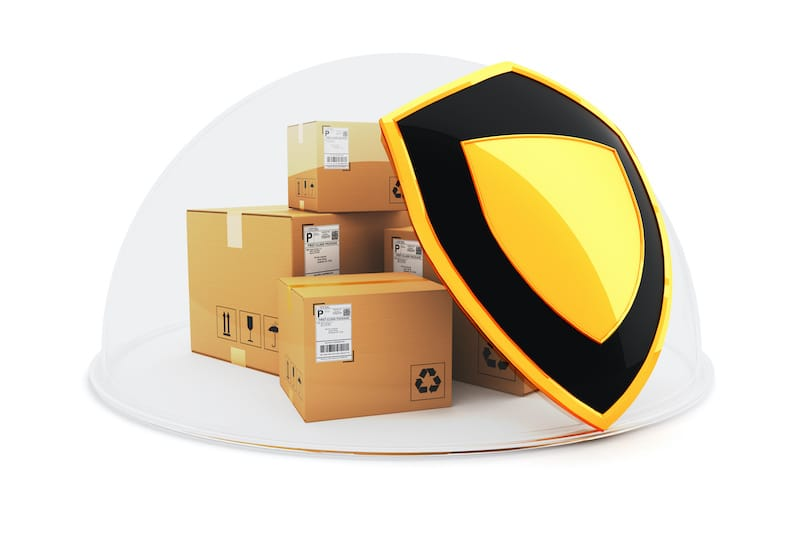
The cargo insurance protects your goods all the way to any Any FBA Warehouse
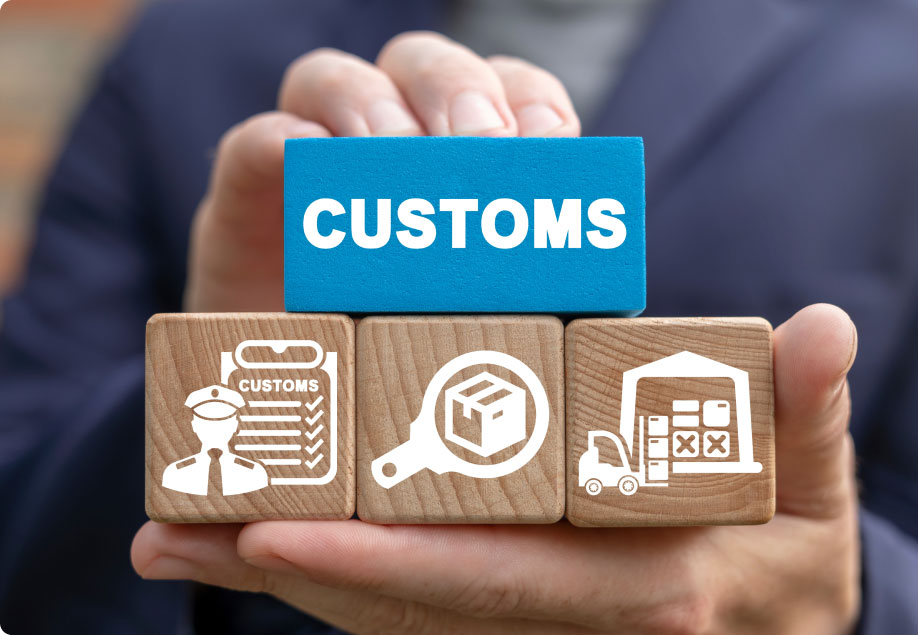
We handle all paperwork and other details for you.

Ensure safe packaging and loading of goods in your suppliers' factory.
Factors Affecting Shipping Time: Shipping time can be impacted by the chosen method (air or sea), distance, carrier efficiency, customs processing, and any logistical issues such as port congestion. Air freight is typically quicker but more expensive, whereas sea freight is slower but more cost-effective.
Tracking Shipments: To track your shipment, use the tracking number provided by your logistics provider. Most major carriers offer online tracking services where you can input your tracking number to see real-time updates on your shipment's status and location.
Express Shipping Options: Yes, express shipping options such as DHL, FedEx, and UPS provide faster delivery times, often between 5 to 10 days. These services are more expensive but ideal for urgent shipments.
Shipping Costs: Costs vary based on the weight and dimensions of the shipment, the shipping method, and the carrier. Air freight is typically more costly than sea freight. Additional costs may include customs duties, taxes, and handling fees.
Required Documentation: Documentation generally includes a commercial invoice, packing list, bill of lading (for sea freight) or air waybill (for air freight), and a certificate of origin. Customs declarations and any relevant permits may also be required depending on the type of goods.
Reducing Shipping Costs: To minimize costs, consider shipping larger volumes to benefit from bulk rates, choosing sea freight over air freight for non-urgent shipments, and comparing quotes from different carriers. Efficient packaging can also help reduce costs.
Customs Duties: Duties vary depending on the type of goods and their value. Mozambique’s customs authority assesses these duties based on the Harmonized System (HS) codes of the items. It’s advisable to consult with a customs broker for accurate duty rates.
Item Restrictions: Mozambique has specific regulations on the import of certain goods such as prohibited or restricted items, including some food products and chemicals. Check with Mozambique’s customs regulations to ensure compliance with import restrictions.
Ensuring Safe Arrival: To ensure safe delivery, use a reputable carrier, opt for insurance coverage for valuable goods, and ensure proper packaging to prevent damage. Regularly check tracking updates and communicate with your carrier if any issues arise.
Common Delays: Common delays can occur due to customs clearance issues, port congestion, and logistical disruptions. To avoid delays, ensure all paperwork is accurate and complete, choose a reliable carrier, and plan for potential delays by allowing extra time for delivery.
A wide range of available features allows users to manage shipments more efficiently and access essential services with ease. In logistics, feature availability often depends on regional support and operational coverage.
High design quality improves both efficiency and user experience by combining clear structure, practical functionality, and a professional visual layout. In logistics services, good design supports smoother operations and better customer interaction.
Operational management involves organizing transport resources, defining clear workflows, and following industry regulations. Depending on regional practices, infrastructure can be owned and operated by public institutions or private companies.