
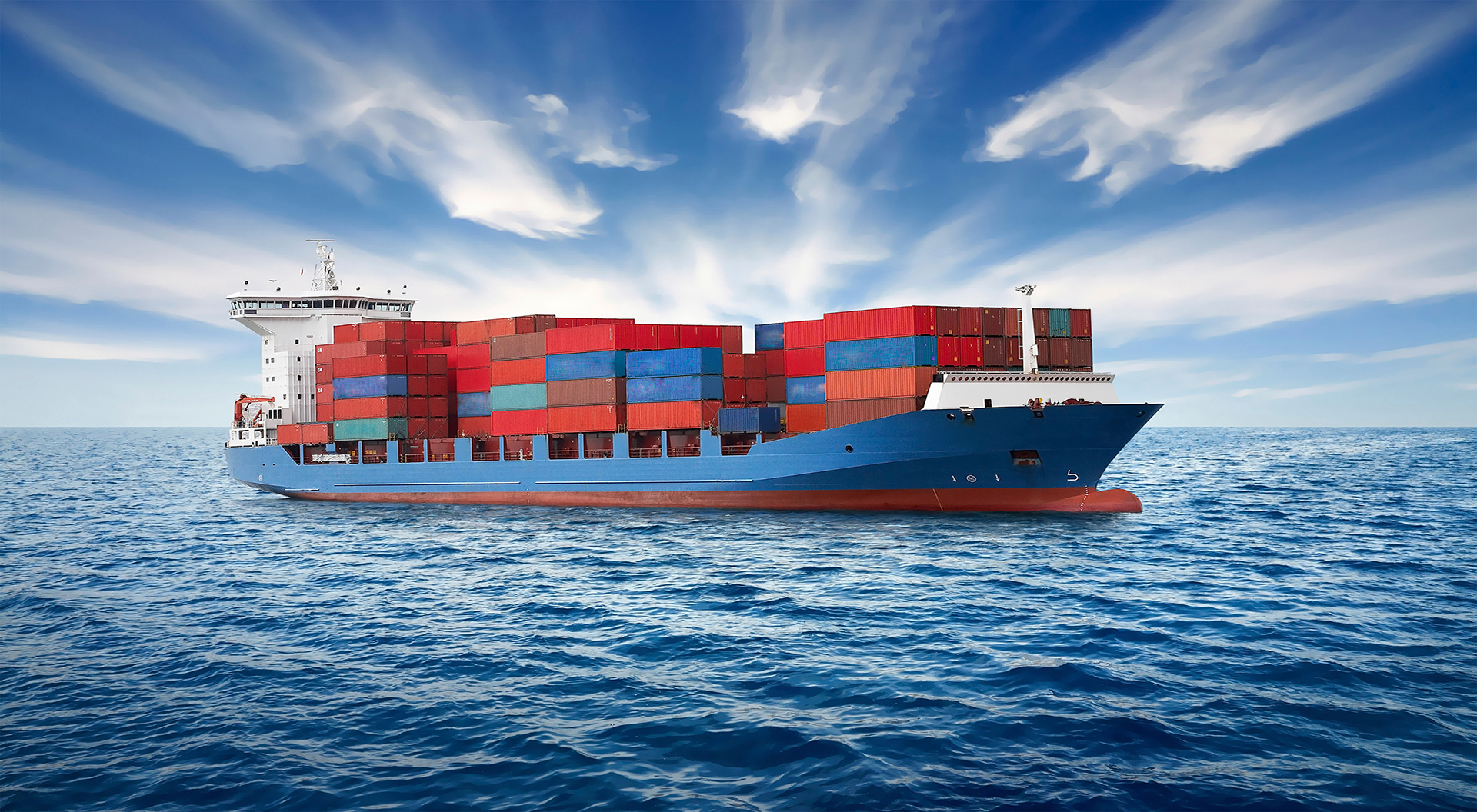
Shipping from China to Pakistan plays a critical role in supporting bilateral trade, covering consumer goods, machinery, electronics, construction materials, industrial equipment, and CPEC-related project cargo. As a key logistics corridor linking China to South Asia and the Middle East, Pakistan relies on well-established maritime gateways and expanding inland transport networks. DSV-freight provides professional logistics solutions for shipping from China to Pakistan, managing cargo movement from Chinese manufacturing centers to final destinations across Pakistan with controlled transit and compliant documentation.
With extensive experience in China–South Asia trade lanes and regional logistics operations, DSV-freight ensures secure cargo handling, efficient customs coordination, and reliable delivery performance.
Sea freight is the most commonly used and cost-effective option for shipping from China to Pakistan. DSV-freight arranges ocean freight from major Chinese ports such as Shanghai, Ningbo, Shenzhen, and Qingdao to Pakistani ports including Karachi, Port Qasim, and Gwadar, followed by inland transportation to industrial zones and commercial centers across Pakistan.
This solution is suitable for bulk cargo, commercial goods, machinery, and non-urgent shipments that prioritize freight cost efficiency and high container capacity.

Air freight is suitable for time-sensitive or high-value shipments from China to Pakistan. DSV-freight coordinates air cargo from major Chinese airports to Jinnah International Airport in Karachi, Allama Iqbal International Airport in Lahore, and other regional airports, with onward delivery arranged according to shipment requirements.
With professional cargo handling and documentation support, air freight is commonly used for electronics, spare parts, medical supplies, samples, and urgent commercial shipments.
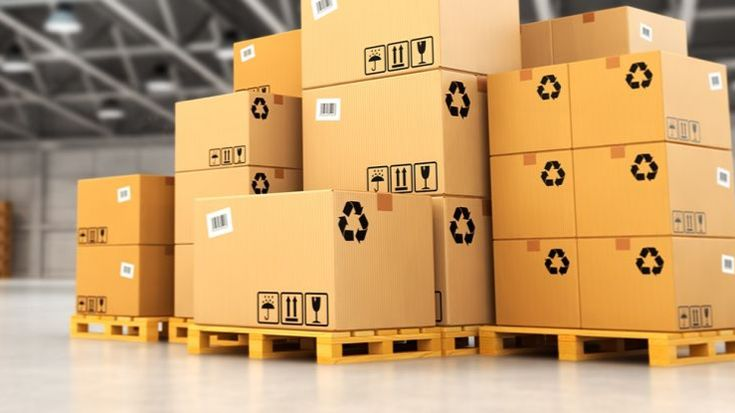
Door to door shipping provides a fully integrated logistics solution from China to Pakistan. DSV-freight manages factory pickup, export documentation, international transportation, customs clearance, and final delivery to warehouses, construction sites, retail locations, or business addresses across Pakistan. This service simplifies logistics coordination, improves shipment visibility, and ensures smooth cargo movement throughout international and inland transport stages. Door to door shipping is suitable for general cargo, project shipments, and importers seeking a streamlined logistics process.

FCL shipping is ideal for customers transporting large volumes or cargo that requires higher security and operational efficiency. DSV-freight provides full container load services using 20GP, 40GP, and 40HQ containers, covering container booking, professional loading at origin, international sea transportation, port handling, inland trucking or rail movement, and coordinated final delivery across Pakistan.
By keeping cargo sealed within a dedicated container throughout the main transport stages, FCL shipping reduces handling risks, protects cargo integrity, and improves delivery schedule reliability. This option is widely used for industrial machinery, construction materials, project equipment, and long-term commercial supply contracts.
LCL shipping is designed for smaller shipments that do not require a full container while maintaining cost efficiency and cargo safety. DSV-freight manages cargo consolidation at origin in China, shared container transportation to Pakistani ports, professional deconsolidation, customs coordination, and inland delivery to consignees across Pakistan.
This option allows importers to ship flexible cargo volumes without waiting to fill an entire container, helping control logistics costs while maintaining predictable transit performance. LCL shipping is suitable for SMEs, mixed cargo shipments, retail replenishment, and phased import orders.
DSV-freight will provide most fuel efficient pickup service China
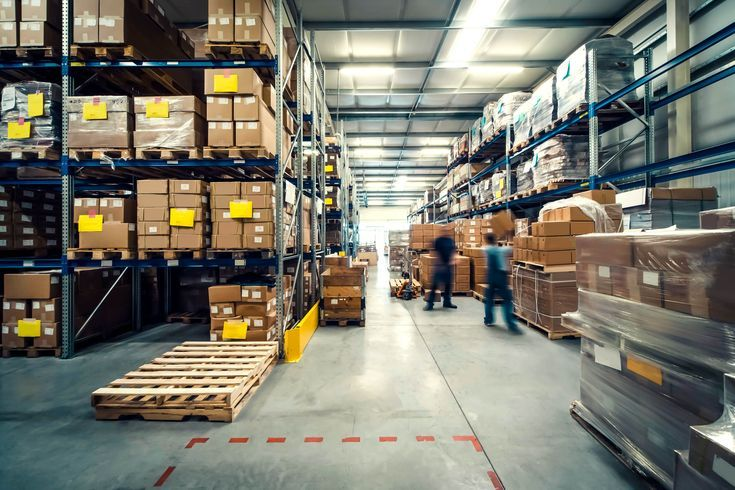
We provide free warehousing services for any of your goods.
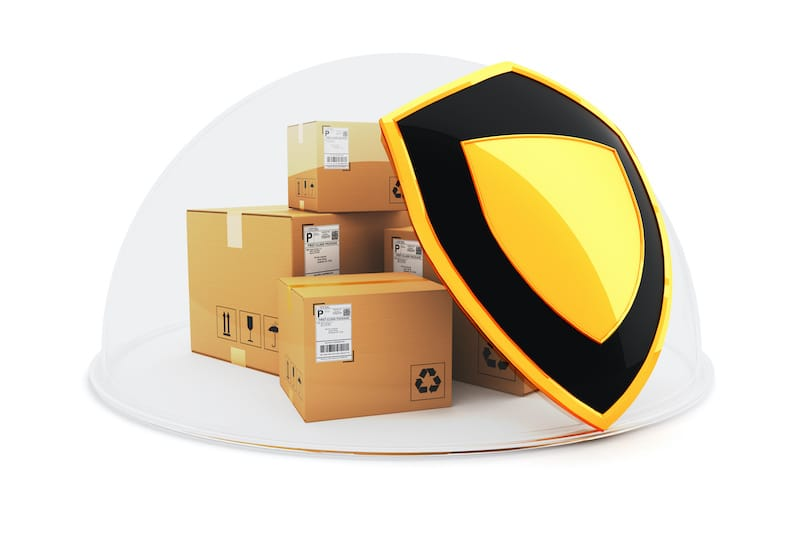
The cargo insurance protects your goods all the way to any Any FBA Warehouse
We handle all paperwork and other details for you.

Ensure safe packaging and loading of goods in your suppliers' factory.
Certain goods (e.g., machinery, medical equipment) may qualify for duty exemptions under SRO (Statutory Regulatory Order) notifications. Check Pakistan's Federal Board of Revenue (FBR) website for eligibility criteria.
You can track your shipment using tracking numbers provided by your freight forwarder or courier service. Most companies offer online tracking tools that provide real-time updates on the location and status of your shipment.
The common shipping methods include air freight, sea freight, and express courier services. Air freight is faster but more expensive, while sea freight is cost-effective for larger shipments. Express services offer quick delivery for urgent needs.
Use ePacket or AliExpress Standard Shipping for packages under 2kg, with rates starting at $5–$10 and delivery in 15–25 days. Ideal for e-commerce sellers.
Yes. All electronic devices (phones, laptops) require Pakistan Telecommunication Authority (PTA) certification. Submit IMEI/serial numbers for clearance.
Use sea freight LCL for bulk orders (transit 20–25 days) or air freight for urgent restocks. Ensure compliance with PSQCA textile standards.
The best time to ship depends on your needs and the type of goods. For urgent shipments, air freight or express services are preferable. For non-urgent items, consider shipping during off-peak seasons to potentially lower costs.
To ensure safety, use reliable packaging, secure insurance coverage, and choose reputable freight forwarders. Employ tracking technology and implement security measures to protect against loss or damage.
If delayed, contact your freight forwarder or courier for updates and solutions. Check the tracking information, verify with customs if there are any hold-ups, and consider alternative arrangements if needed.
Ensure all required documents are accurate and complete, including commercial invoices and packing lists. Work with your freight forwarder to navigate the customs clearance process and address any issues that may arise.
High code quality delivers a stable and responsive system, making daily logistics management smoother while minimizing technical issues and downtime.
A wide range of available features allows users to manage shipments more efficiently and access essential services with ease. In logistics, feature availability often depends on regional support and operational coverage.
Operational management involves organizing transport resources, defining clear workflows, and following industry regulations. Depending on regional practices, infrastructure can be owned and operated by public institutions or private companies.