
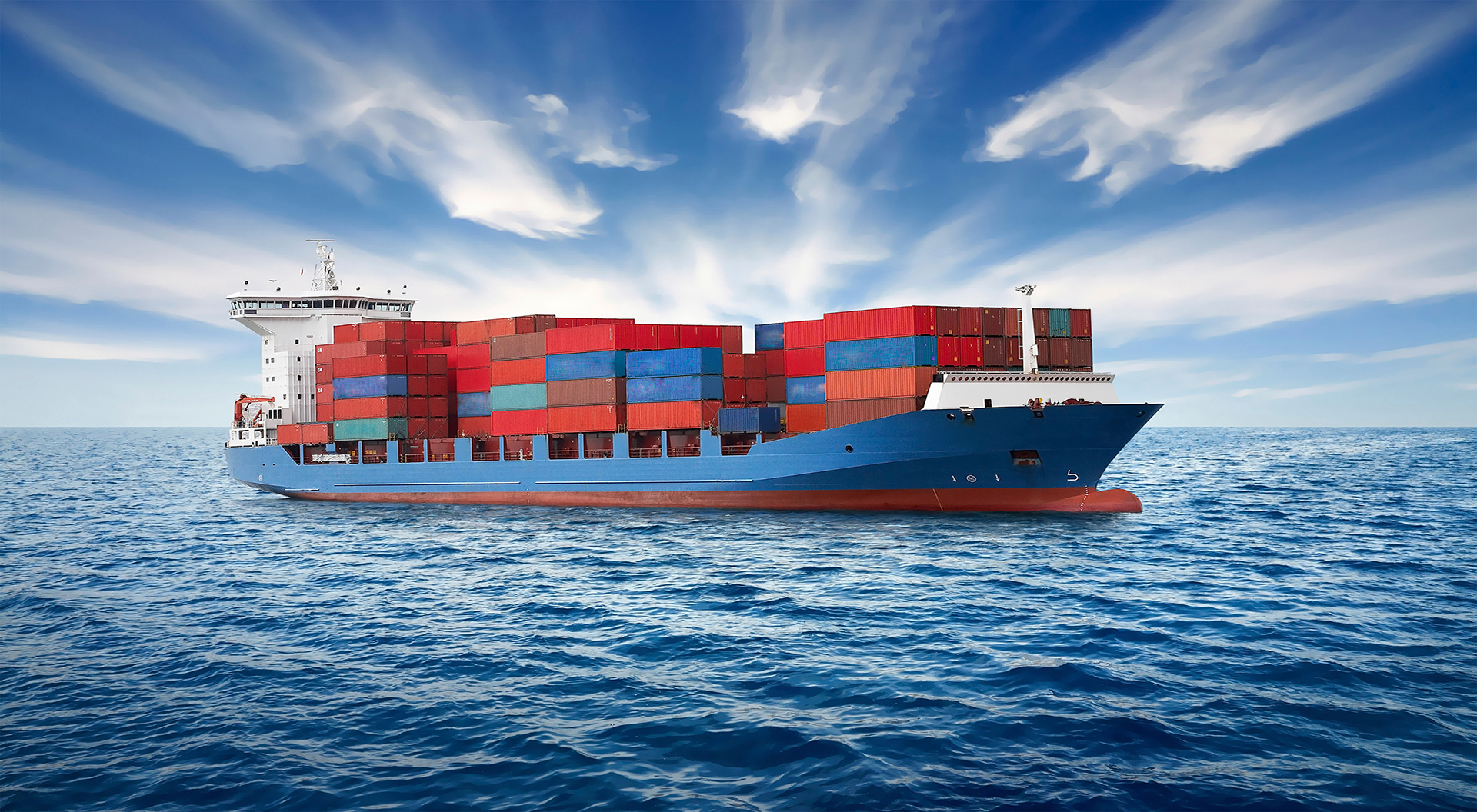
Shipping from China to the Philippines is a key trade route in Southeast Asia, supporting imports of electronics, machinery, consumer goods, building materials, garments, and industrial products. Due to close geographic proximity and strong bilateral trade ties, shipping from China to the Philippines maintains high frequency and stable demand. DSV-freight provides professional logistics solutions designed to ensure smooth, efficient, and reliable cargo transportation.
With extensive experience in Asian shipping lanes, DSV-freight supports exporters and importers with optimized routing, professional handling, and consistent delivery performance across Philippine destinations.
Sea freight is the most common and cost-effective shipping method from China to the Philippines. DSV-freight arranges ocean freight from major Chinese ports such as Shanghai, Ningbo, Shenzhen, Guangzhou, and Xiamen to key Philippine ports including Manila, Cebu, and Davao. This option is ideal for bulk cargo, commercial goods, machinery, and large-volume shipments. With frequent sailings and short transit times, sea freight offers a reliable solution for both regular and project-based shipments.
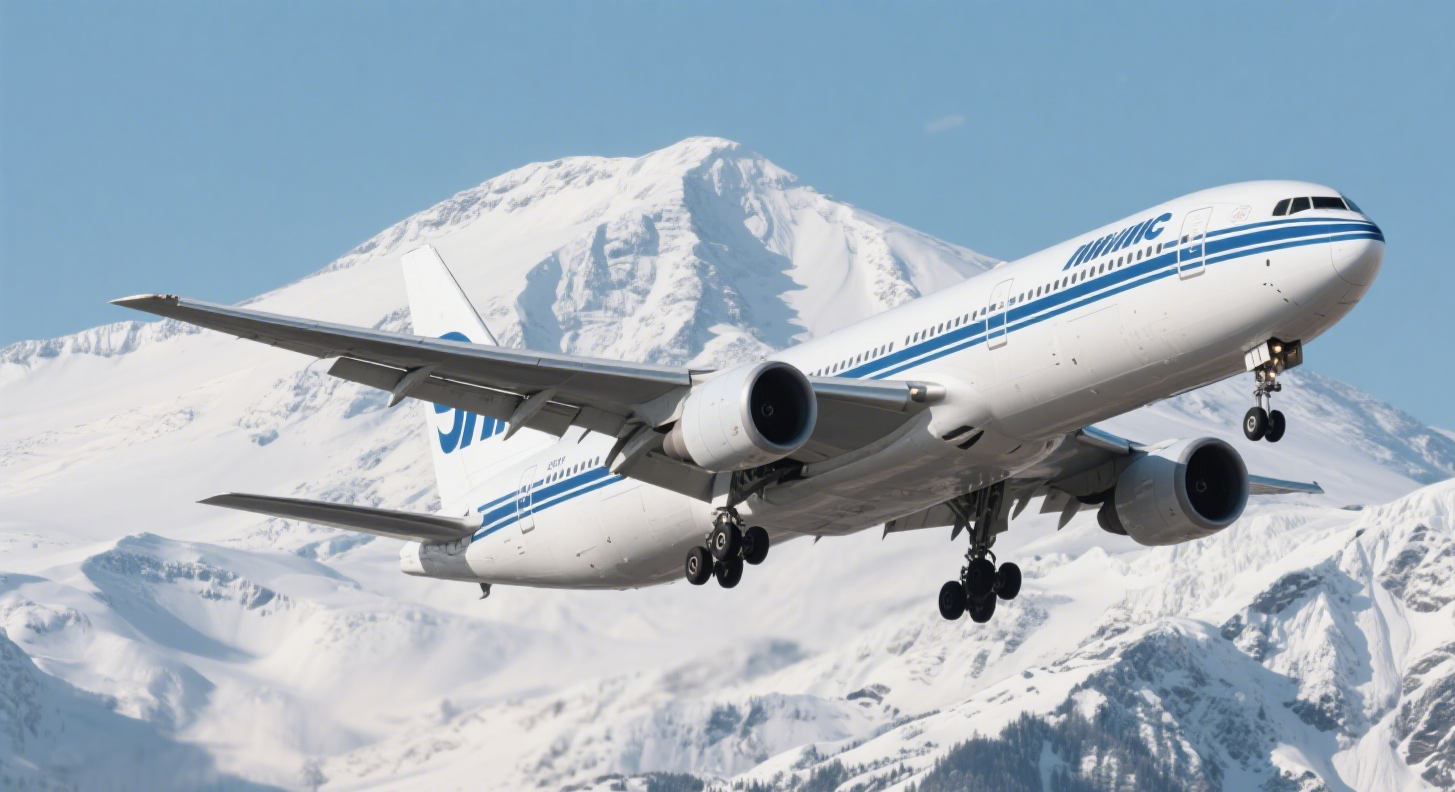
Air freight is suitable for urgent and high-value shipments from China to the Philippines. DSV-freight manages air cargo services from major Chinese airports to Ninoy Aquino International Airport in Manila and other international airports across the Philippines.
This service is commonly used for electronics, spare parts, medical supplies, samples, and time-sensitive goods requiring fast delivery and secure transportation.
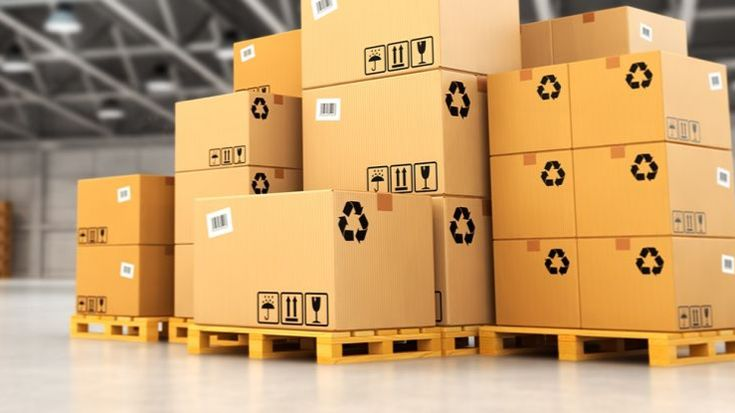
Door to door shipping provides a fully integrated logistics solution from China to the Philippines. DSV-freight handles factory pickup, export documentation, international transportation, customs clearance, and final delivery to warehouses, retail locations, or project sites throughout the Philippines. This service minimizes operational complexity, improves shipment visibility, and ensures consistent delivery timelines, making it an ideal option for businesses seeking a hassle-free logistics experience.

FCL shipping is recommended for larger cargo volumes and shipments requiring enhanced security. DSV-freight offers full container load services using 20GP, 40GP, and 40HQ containers, covering container booking, loading, sea transportation, port handling, and inland delivery across the Philippines.
By using a dedicated container, FCL shipping reduces cargo handling risks and provides greater control over schedules, making it suitable for industrial equipment, furniture, and wholesale shipments.
LCL shipping is a flexible and cost-efficient solution for smaller shipments from China to the Philippines. DSV-freight manages cargo consolidation, shared container transport, destination deconsolidation, customs coordination, and final inland delivery.
This option allows businesses to ship smaller quantities without the cost of a full container, making it ideal for SMEs, mixed cargo, and trial orders while maintaining reliable transit performance.
DSV-freight will provide most fuel efficient pickup service China
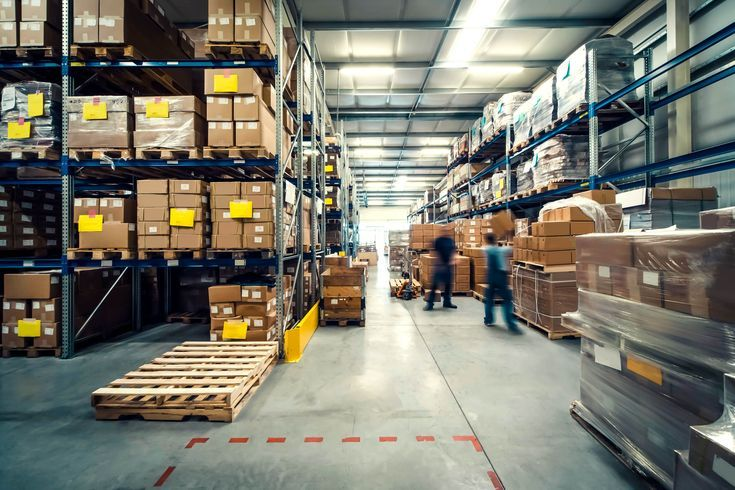
We provide free warehousing services for any of your goods.
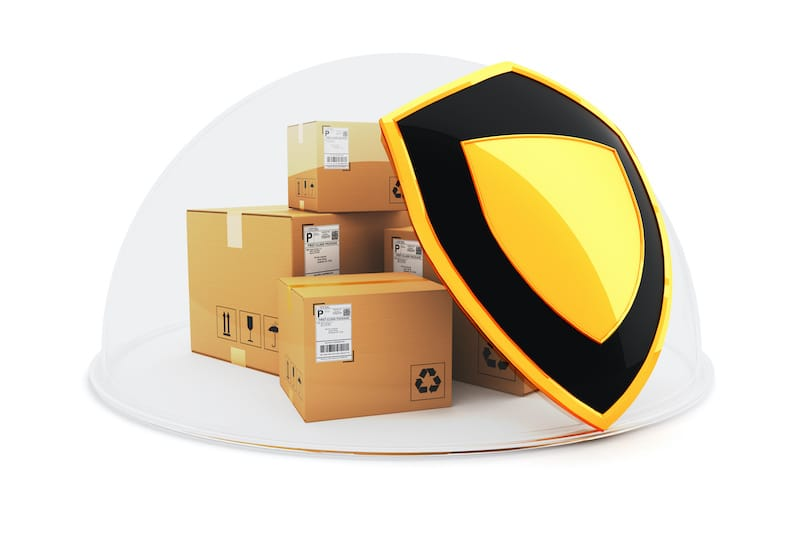
The cargo insurance protects your goods all the way to any Any FBA Warehouse
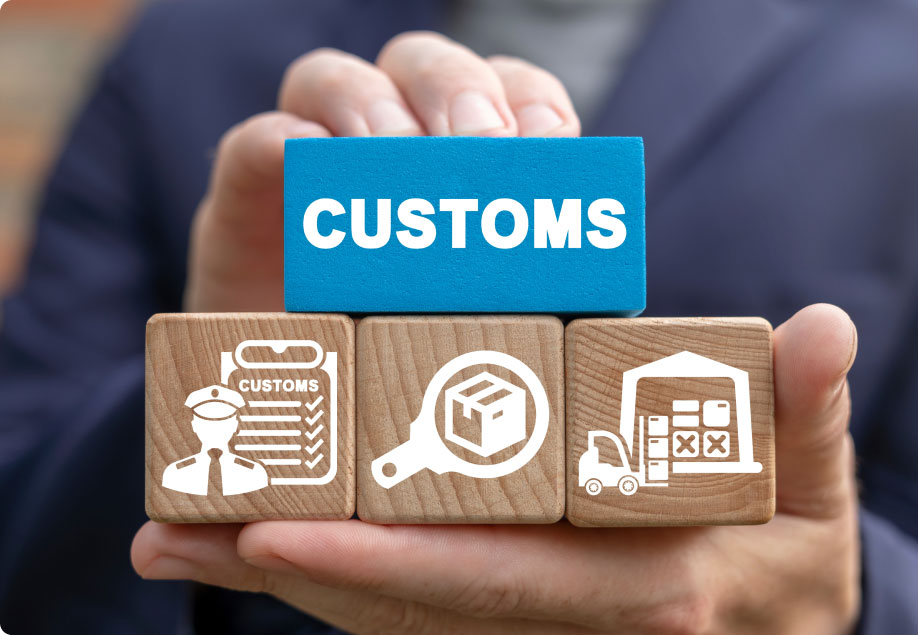
We handle all paperwork and other details for you.

Ensure safe packaging and loading of goods in your suppliers' factory.
The most cost - effective option is sea freight, which is ideal for large or non - urgent items. Full Container Load (FCL) and Less than Container Load (LCL) costs vary according to the volume of goods and the port of destination. For instance, a 20 - foot container from Shenzhen to Manila starts at approximately $105, and the shipping time ranges from 3 to 6 days. If speed is a priority, air freight takes about 3 - 5 days but is more expensive. For example, the cost to ship to Manila is around $2.28 per kilogram.
Sea freight to major ports such as Manila and Cebu typically takes 10 - 15 days. The exact time depends on the shipping company and whether transshipment is involved. For example, a direct shipment from Shanghai to Manila takes 6 days, while a transshipped one may take up to 15 days. Air freight offers a consistent delivery time of 3 - 5 days, making it suitable for high - value or urgent goods.
You need a commercial invoice, packing list, Bill of Lading (B/L), and a Certificate of Origin (like Form E). Special items such as electronics and machinery may need additional certifications, including FDA and CE. To avoid delays, it's advisable to have a freight forwarder assist with the documentation process.
Duties are levied based on the Harmonized System (HS) code of the goods and their value, ranging from 0% to 30%. In addition, a 12% Value - Added Tax (VAT) is applied. The total taxes are calculated on the Cost, Insurance, and Freight (CIF) value of the goods. For example, the duty on electronics usually ranges from 0% to 15%, and on textiles from 5% to 20%.
Make sure to declare your goods truthfully and use the correct HS codes. Partner with an experienced freight forwarder who can handle pre - customs clearance and prepare all the necessary compliance documents. Since the Philippines customs conducts strict inspections, especially during peak seasons like November and December, it's a good idea to allow extra time for your shipments.
Door - to - door shipping covers picking up the goods from the supplier in China, international transportation, customs clearance in the Philippines, and local delivery to homes or offices in Metro Manila and other provinces. Some freight forwarders also offer double - clearance and tax - inclusive services, which are great for individuals or small and medium - sized enterprises.
Yes, you can. Freight forwarders provide LCL or consolidation services. By combining multiple batches of goods, you can reduce costs. For example, the cost of LCL sea freight can start as low as $890 per cubic meter.
It's recommended to purchase cargo insurance, which usually costs 0.3% - 1% of the goods' value. Freight forwarders can help you arrange this. Choosing a logistics company that has insurance partnerships will ensure that you get compensation in case of any damage to your goods.
The major ports in the Philippines are Manila, Cebu, and Davao. Among them, Manila North Port and South Port have the highest throughput and are suitable for transshipment to other islands.
Look for a freight forwarder that offers 24/7 customer service, provides transparent quotes, and has extensive experience in customs clearance. Check customer reviews and compare the shipping times and costs of different companies. Make sure the freight forwarder can support the specific transportation methods you need, such as cold chain or dangerous goods transportation.
High code quality delivers a stable and responsive system, making daily logistics management smoother while minimizing technical issues and downtime.
High design quality improves both efficiency and user experience by combining clear structure, practical functionality, and a professional visual layout. In logistics services, good design supports smoother operations and better customer interaction.
A wide range of available features allows users to manage shipments more efficiently and access essential services with ease. In logistics, feature availability often depends on regional support and operational coverage.
Operational management involves organizing transport resources, defining clear workflows, and following industry regulations. Depending on regional practices, infrastructure can be owned and operated by public institutions or private companies.