

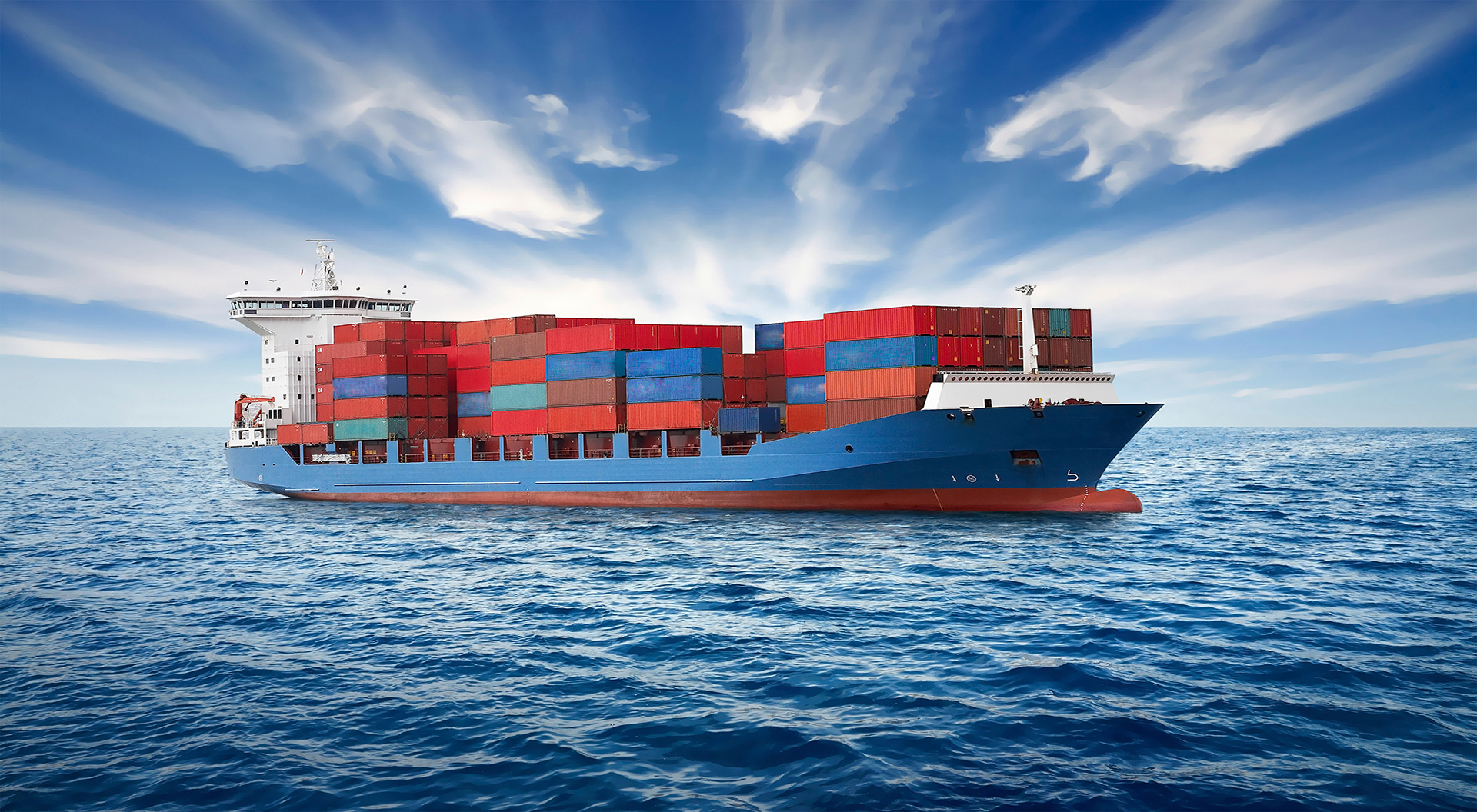
Shipping from China to Saudi Arabia is one of the most important trade routes linking Asia with the Middle East. As the largest economy in the Gulf region, Saudi Arabia has strong and continuous demand for imported goods supporting infrastructure projects, industrial production, energy-related sectors, retail distribution, and consumer markets.
Cargo shipped from China to Saudi Arabia typically includes construction materials, machinery, industrial equipment, electrical products, project cargo, consumer goods, furniture, and spare parts. Compared with many other destinations, shipments to Saudi Arabia place higher requirements on customs compliance, product conformity, labeling, and documentation, making professional logistics planning essential.
DSV-freight provides end-to-end shipping solutions from China to Saudi Arabia, combining stable international transport capacity with experienced Middle East customs coordination. From Chinese origin ports to final delivery across Saudi cities, we focus on shipment reliability, regulatory compliance, and cost-effective execution.
Sea freight is the most widely used transportation method for shipping cargo from China to Saudi Arabia. DSV-freight arranges ocean freight from major Chinese ports such as Shanghai, Ningbo, Shenzhen, Qingdao, and Tianjin to key Saudi ports including Jeddah Islamic Port, Dammam (King Abdulaziz Port), and Jubail. Sea freight offers strong capacity for both containerized cargo and project shipments. It is suitable for large-volume goods, heavy cargo, construction materials, and non-urgent commercial shipments requiring stable transit and competitive costs.

Air freight is ideal for urgent, high-value, or time-sensitive shipments to Saudi Arabia. DSV-freight provides air cargo services from major Chinese airports to Riyadh, Jeddah, and Dammam.
This service is commonly used for electronics, urgent spare parts, medical equipment, samples, and fast-moving commercial goods where delivery speed and cargo security are critical.

Door to door shipping is a preferred solution for many importers shipping to Saudi Arabia due to complex customs procedures and inland delivery requirements. DSV-freight manages the entire process, including pickup in China, export clearance, international transportation, Saudi import customs clearance, and final delivery to warehouses, factories, or project sites. This service is especially suitable for buyers seeking simplified logistics management, clear cost visibility, and reduced risk related to customs inspections, SASO requirements, and port clearance delays.

FCL shipping is recommended for customers with medium to large shipment volumes requiring exclusive container use. DSV-freight provides full container load services using 20GP, 40GP, and 40HQ containers from China to Saudi Arabia, covering booking, documentation, ocean freight, customs clearance, and inland trucking.
FCL shipping offers better cargo protection, fewer handling points, and improved schedule control. It is widely used for machinery, industrial equipment, construction materials, furniture, retail goods, and long-term supply contracts serving the Saudi market.
LCL shipping is a cost-effective option for smaller shipments that do not require a full container. DSV-freight handles cargo consolidation at origin, shared container transportation, destination deconsolidation, customs coordination, and final delivery within Saudi Arabia.
This solution is suitable for SMEs, mixed cargo, spare parts, trial orders, and frequent replenishment shipments. Proper documentation and cargo classification are especially important for LCL shipments to avoid clearance delays in Saudi ports.
DSV-freight will provide most fuel efficient pickup service China

We provide free warehousing services for any of your goods.

The cargo insurance protects your goods all the way to any Any FBA Warehouse

We handle all paperwork and other details for you.

Ensure safe packaging and loading of goods in your suppliers' factory.
Shipping times from China to Saudi Arabia can be influenced by several factors including the mode of transport (air vs. sea), route taken, customs processing times, and weather conditions. Air freight is faster but more costly, while sea freight is cheaper but slower. Efficient customs clearance and good weather can help minimize delays.
Air freight is faster, typically taking 5 to 7 days, but is more expensive. Sea freight, on the other hand, takes 20 to 30 days but is more cost-effective for larger shipments. The choice depends on the urgency of delivery and budget constraints.
Customs clearance can significantly impact shipping times. Delays in documentation or inspections can extend the shipping duration. Ensuring accurate and complete paperwork can help expedite the process and avoid additional delays.
Common ports in China include Shanghai, Shenzhen, and Guangzhou. In Saudi Arabia, the main ports are Jeddah Islamic Port, King Abdulaziz Port in Dammam, and King Fahd Industrial Port. Choosing the right port can affect shipping efficiency.
Shipments can be tracked using tracking numbers provided by your freight forwarder or carrier. Many companies offer online tracking systems that provide real-time updates on the location and status of your shipment.
Essential documents include the commercial invoice, packing list, bill of lading or air waybill, and any required certificates (e.g., certificate of origin). Accurate documentation is crucial for smooth customs clearance and delivery.
Yes, Saudi Arabia has specific regulations regarding imports, including restrictions on certain goods, requirements for documentation, and compliance with local standards. It’s important to familiarize yourself with these regulations to ensure compliance and avoid issues.
If delays occur, contact your freight forwarder or carrier for updates. Ensure all documentation is accurate and complete, and consider using expedited shipping options if delays are significant. Regular communication helps in managing and resolving issues efficiently.
Costs can include freight charges, insurance, customs duties, and handling fees. Air freight is generally more expensive than sea freight. Additional factors like shipment size, weight, and value also impact the overall cost.
Yes, insuring your shipment is advisable to protect against risks such as loss, theft, or damage. Ensure you obtain adequate insurance coverage based on the value and nature of your goods, and verify the terms and conditions of the insurance policy.
Operational management involves organizing transport resources, defining clear workflows, and following industry regulations. Depending on regional practices, infrastructure can be owned and operated by public institutions or private companies.
High code quality delivers a stable and responsive system, making daily logistics management smoother while minimizing technical issues and downtime.
High design quality improves both efficiency and user experience by combining clear structure, practical functionality, and a professional visual layout. In logistics services, good design supports smoother operations and better customer interaction.