
Shipping from China to Sierra Leone supports infrastructure construction, mining-related projects, energy supply, and local commercial distribution across this West African market. As a developing country with limited domestic manufacturing, Sierra Leone relies heavily on imported goods to support public projects, private investment, and daily consumption.
Cargo shipped from China to Sierra Leone typically includes construction materials, machinery, mining equipment, electrical products, generators, steel products, household goods, and consumer merchandise. Many shipments are project-driven and sensitive to delivery schedules, making realistic transit planning and destination handling essential.
DSV-freight provides tailored shipping solutions from China to Sierra Leone by combining long-haul ocean transport with experienced West African destination coordination. From Chinese export ports to final delivery in Freetown and inland locations, we focus on cargo safety, customs efficiency, and operational reliability.
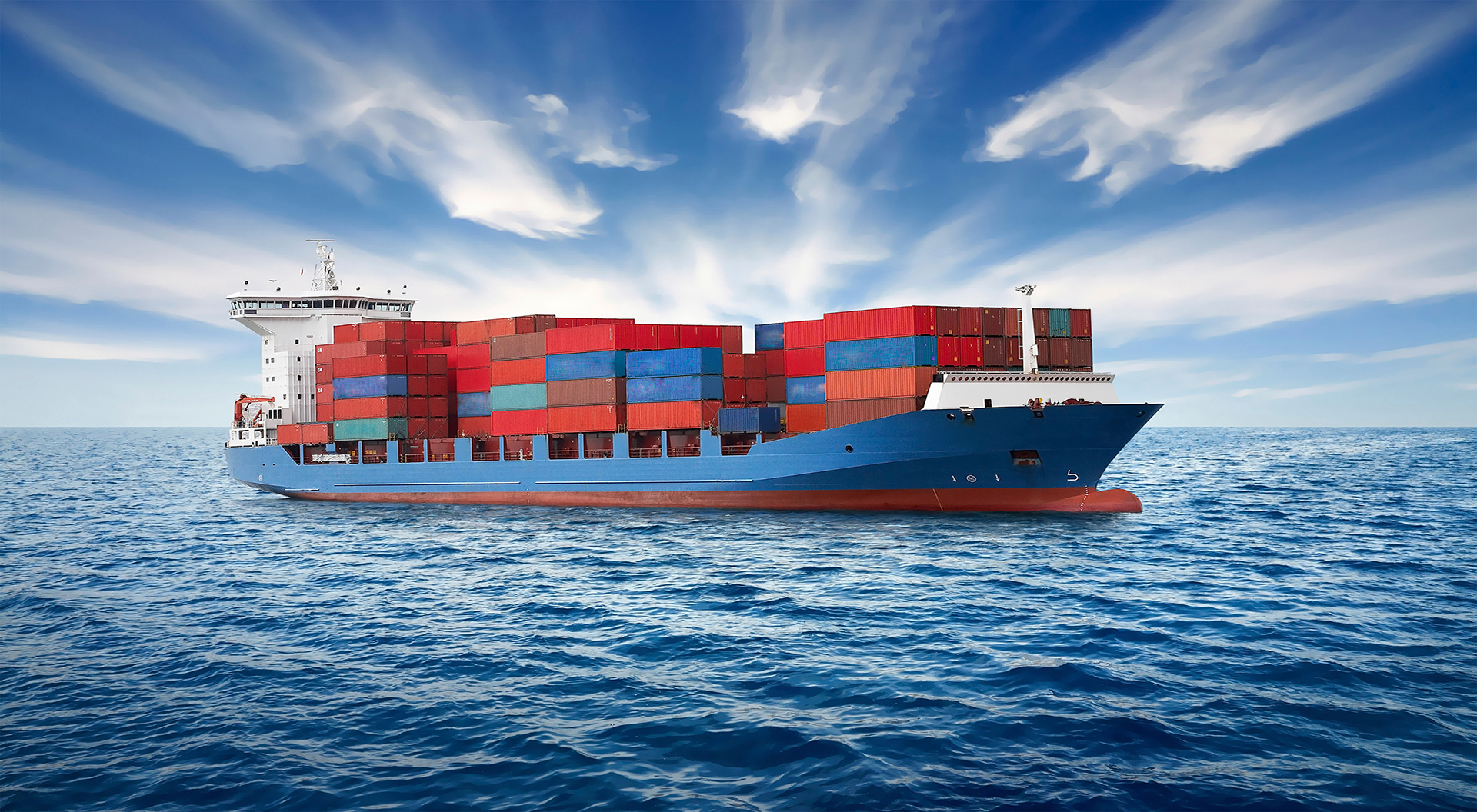
Sea freight is the primary transportation method for shipping cargo from China to Sierra Leone. DSV-freight arranges ocean freight from major Chinese ports such as Shanghai, Ningbo, Shenzhen, and Qingdao to the Port of Freetown, either via direct regional services or West African transshipment hubs. Due to port congestion and limited handling capacity, sea freight shipments require careful planning and documentation accuracy. This option is suitable for heavy cargo, construction materials, machinery, and non-urgent commercial shipments.
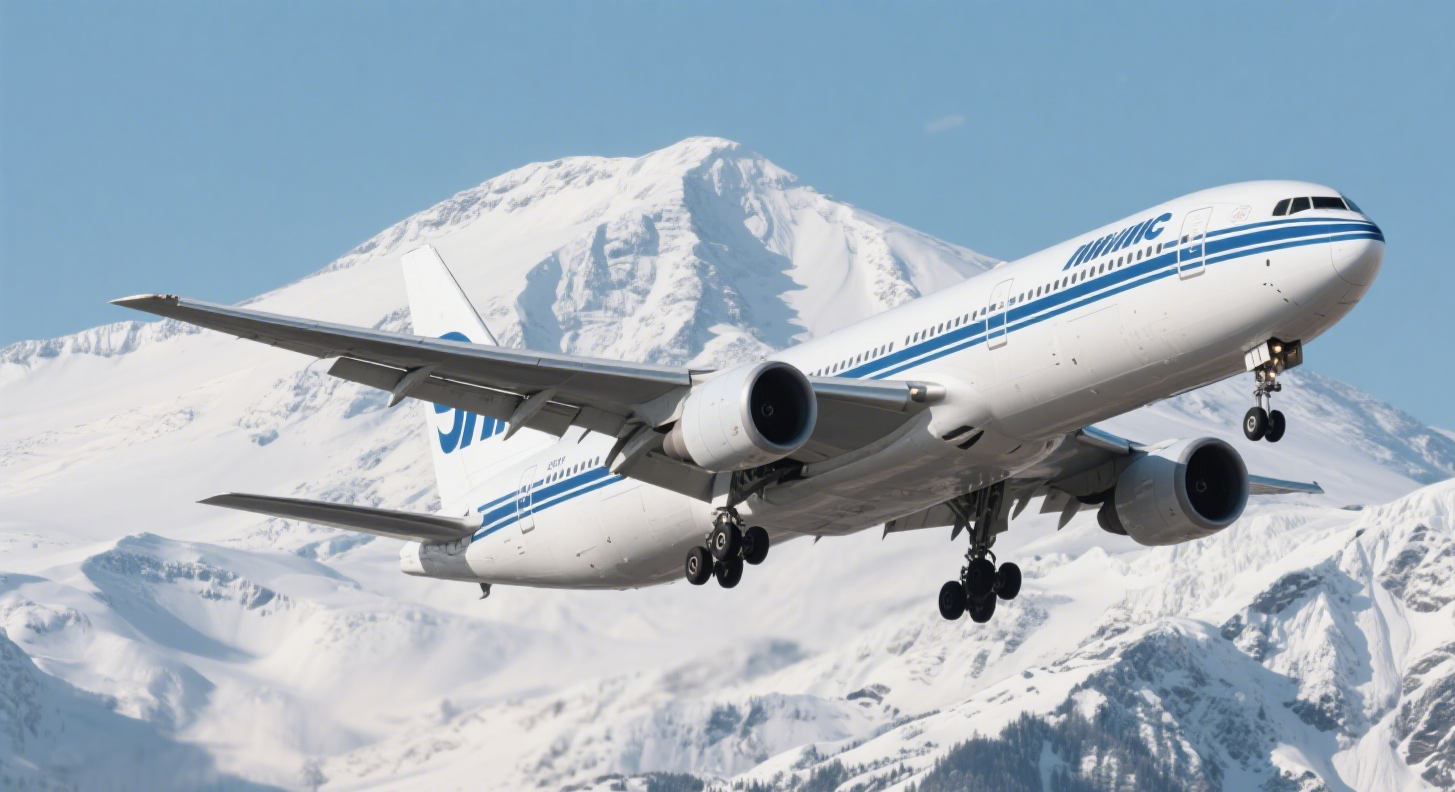
Air freight is used for urgent or high-value shipments to Sierra Leone. DSV-freight coordinates air cargo services from major Chinese airports to Lungi International Airport via international transit hubs.
This service is commonly selected for medical supplies, urgent spare parts, electronics, samples, and time-sensitive goods where delivery speed outweighs transportation cost considerations.
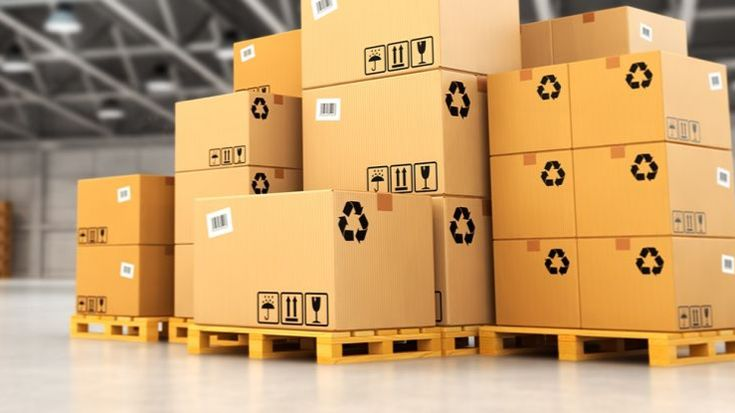
Door to door shipping is often the most reliable solution for importers shipping to Sierra Leone. DSV-freight manages pickup in China, export clearance, international transportation, destination customs coordination, port handling, and final inland delivery.
Given the complexity of local customs procedures and inland logistics conditions, door to door service reduces operational risk and helps importers avoid delays caused by documentation issues or local handling limitations.

FCL shipping is suitable for customers with medium to large shipment volumes or project cargo requiring exclusive container use. DSV-freight provides full container load services using 20GP and 40HQ containers from China to Sierra Leone.
FCL shipping offers improved cargo protection, reduced handling, and better control over delivery schedules. It is widely used for construction materials, mining equipment, industrial machinery, generators, and bulk commercial cargo serving infrastructure and investment projects.
LCL shipping is a practical option for smaller shipments destined for Sierra Leone. DSV-freight handles cargo consolidation at origin, shared container transportation, destination deconsolidation, customs coordination, and final delivery.
This solution is suitable for SMEs, mixed cargo, spare parts, trial orders, and regular replenishment shipments. Accurate cargo classification and documentation are especially important to minimize clearance delays for LCL shipments in Sierra Leone.
DSV-freight will provide most fuel efficient pickup service China
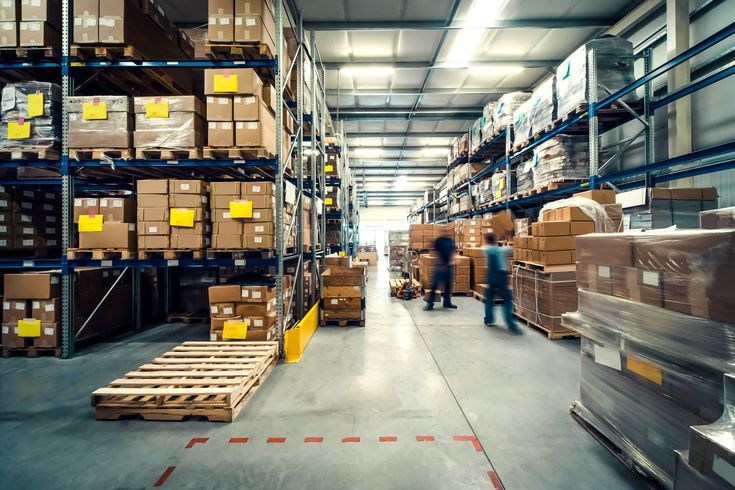
We provide free warehousing services for any of your goods.
The cargo insurance protects your goods all the way to any Any FBA Warehouse
We handle all paperwork and other details for you.

Ensure safe packaging and loading of goods in your suppliers' factory.
Shipping times from China to Sierra Leone are influenced by various factors including the mode of transport (air or sea), weather conditions, customs clearance processes, and the specific ports of departure and arrival. Sea freight generally takes longer, usually between 30 to 45 days, depending on the shipping line and route taken. Air freight is faster, typically requiring 7 to 10 days, but it's more expensive. Delays can also occur due to port congestion and regulatory inspections.
The shipping method greatly impacts delivery time. Sea freight from China to Sierra Leone typically takes 30 to 45 days, as it involves longer transit routes and possible port delays. In contrast, air freight is much quicker, usually taking 7 to 10 days, but it comes with higher costs. The choice of shipping method depends on the urgency of the shipment and budget considerations.
Yes, there are specific ports commonly used for shipping from China to Sierra Leone. Major ports in China like Shanghai, Ningbo, and Shenzhen are frequently used for sea freight, while Freetown Port is the primary port in Sierra Leone for receiving international shipments. The choice of port can affect shipping times due to differences in port efficiency and customs processing speed.
Customs procedures for shipping goods from China to Sierra Leone involve several steps, including documentation review, inspection, and duty assessment. Shippers must provide necessary paperwork like the bill of lading, commercial invoice, and packing list. Customs authorities may inspect the goods to ensure compliance with local regulations. This process can add to the overall shipping time, especially if there are discrepancies or additional inspections required.
Seasonal changes can significantly affect shipping times. During peak seasons, such as the Chinese New Year or holiday seasons, there is a higher volume of shipments, leading to longer processing times and potential delays. Adverse weather conditions, such as typhoons in the Pacific Ocean, can also impact sea freight schedules. Planning shipments during off-peak periods can help avoid these delays and ensure a smoother shipping process.
Shipping costs from China to Sierra Leone depend on several factors, including the shipping method (air or sea), the weight and volume of the shipment, and any additional services like insurance or expedited processing. Sea freight is generally more cost-effective for large, heavy shipments, while air freight is suitable for smaller, time-sensitive consignments. Additional costs may include customs duties, port fees, and handling charges.
Insurance is highly recommended for shipping goods from China to Sierra Leone. It provides financial protection against potential risks such as damage, loss, or theft during transit. International shipments, especially over long distances, are exposed to various hazards. Purchasing insurance ensures that in case of any unforeseen events, the shipper can recover the value of their goods, minimizing financial losses.
Shipping companies employ several measures to ensure the safety of goods during transit from China to Sierra Leone. These include using durable packaging materials, securing cargo in containers, implementing tracking systems, and adhering to international shipping standards. Additionally, companies may offer insurance coverage and use experienced personnel for handling and transporting goods. Regular inspections and maintenance of shipping vessels also contribute to the safe delivery of shipments.
Documentation required for shipping from China to Sierra Leone includes a bill of lading, commercial invoice, packing list, certificate of origin, and any applicable export or import licenses. These documents are essential for customs clearance and verification of the shipment's contents, value, and compliance with trade regulations. Proper documentation helps prevent delays and ensures a smooth shipping process.
Yes, tracking services are available for shipments from China to Sierra Leone. Most shipping companies provide tracking numbers that allow customers to monitor the progress of their shipment in real-time. This service enhances transparency and provides peace of mind, enabling shippers to stay informed about their goods' location and estimated delivery time. Tracking can be accessed through the shipping company's website or customer service.
Operational management involves organizing transport resources, defining clear workflows, and following industry regulations. Depending on regional practices, infrastructure can be owned and operated by public institutions or private companies.
High design quality improves both efficiency and user experience by combining clear structure, practical functionality, and a professional visual layout. In logistics services, good design supports smoother operations and better customer interaction.
High code quality delivers a stable and responsive system, making daily logistics management smoother while minimizing technical issues and downtime.