
Shipping from China to Sri Lanka

Services

What we do

Services

img

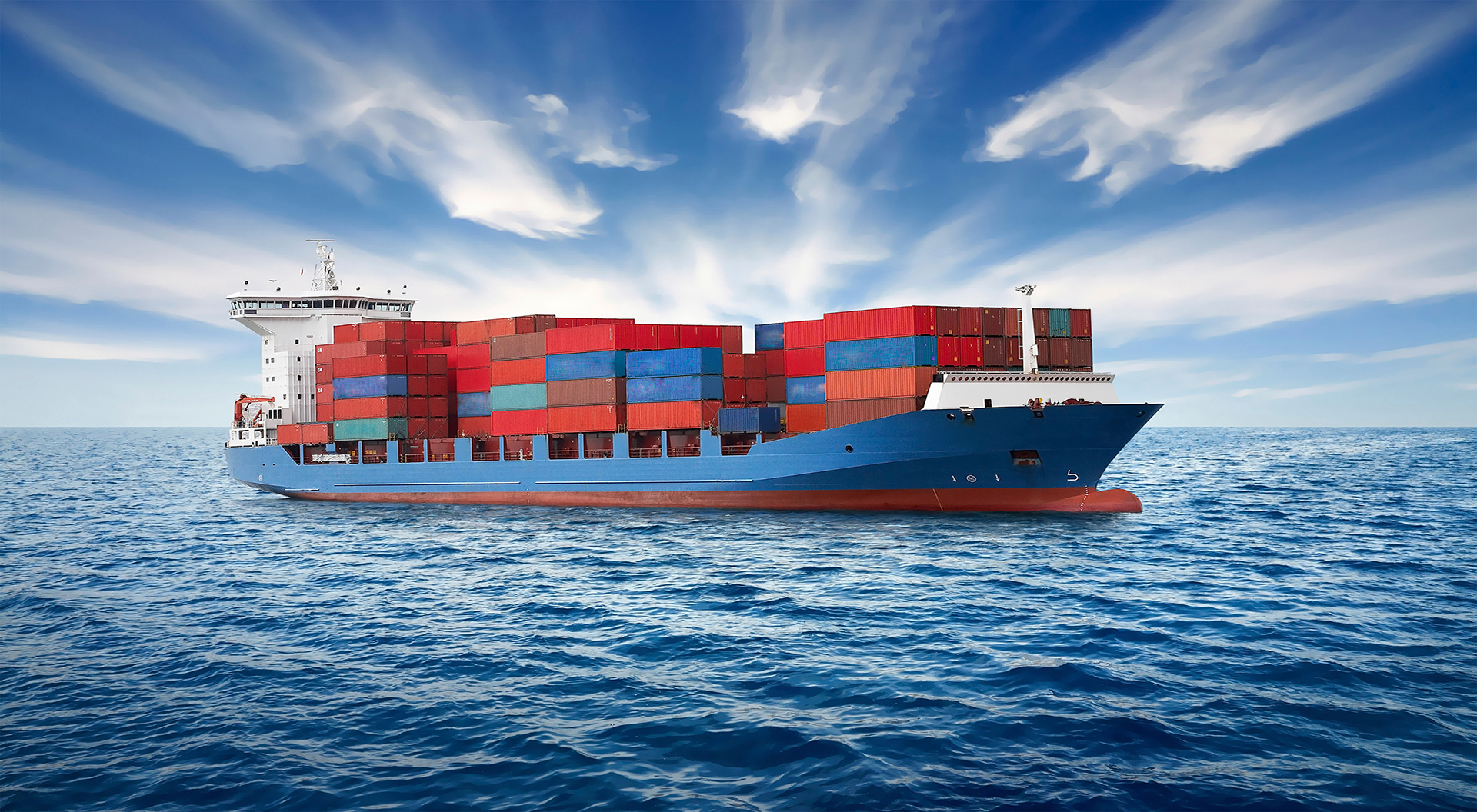
Sea Freight From China To Sri Lanka

DSV-freight provides professional sea freight services from China to Sri Lanka via major Chinese ports such as Shanghai, Ningbo, Shenzhen, and Qingdao, with direct or transshipment routes into key Sri Lankan ports. This service focuses on stable carrier schedules, secure container handling, and optimized ocean routing, making it suitable for bulk cargo, heavy goods, and general commercial shipments that prioritize cost efficiency and transit stability.
img

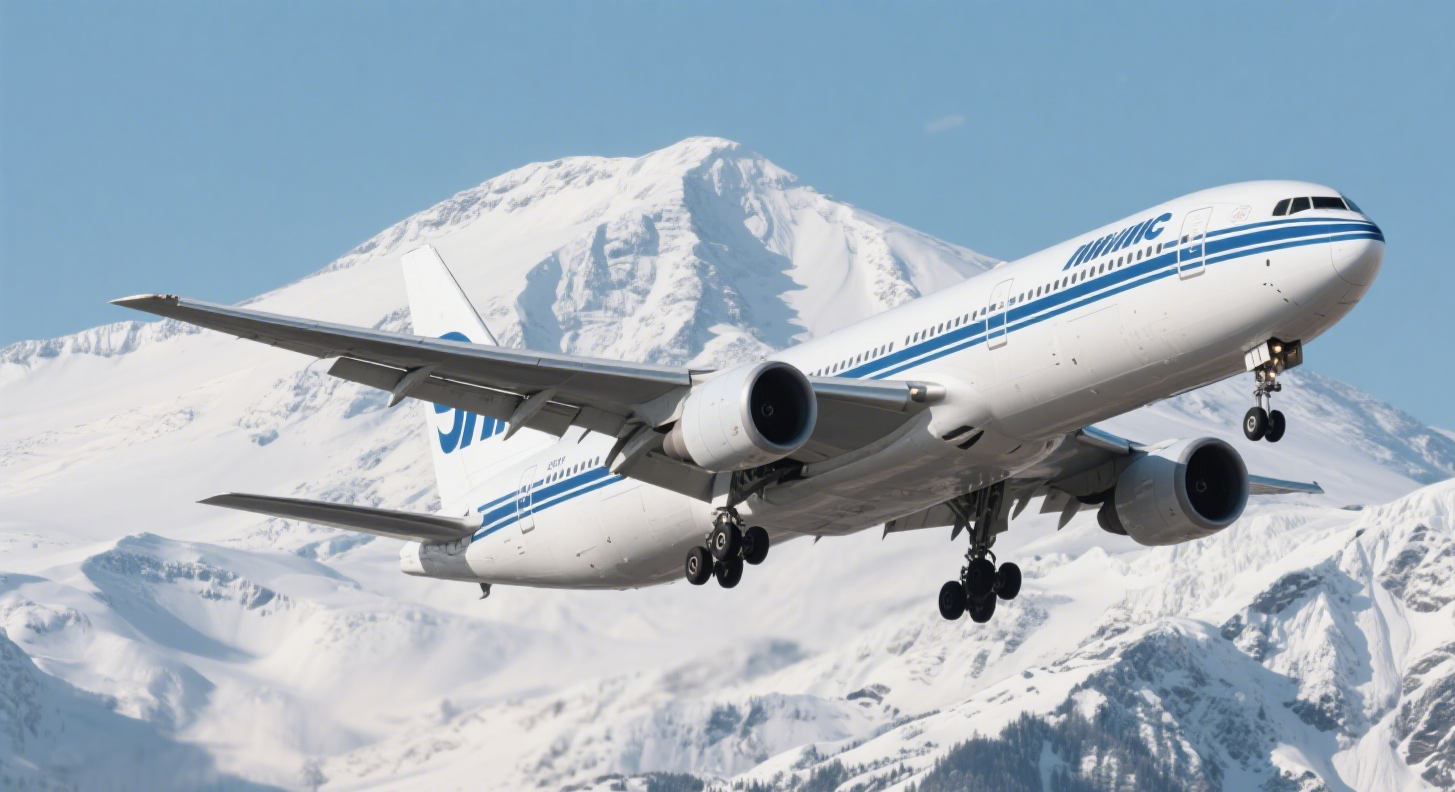
Air Freight From China To Sri Lanka

DSV-freight offers structured air freight solutions from China to Sri Lanka through major international air hubs, ensuring fast transit and reliable space allocation. With an emphasis on secure handling, schedule control, and time-critical delivery, this service is ideal for urgent shipments, high-value goods, electronics, samples, and commercial cargo requiring speed and visibility.
img

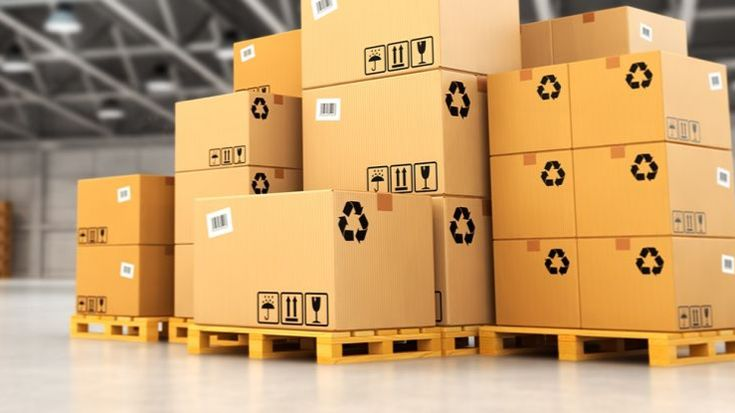
Door to Door Shipping from China to Sri Lanka

DSV-freight delivers fully coordinated door-to-door shipping solutions from China to Sri Lanka, covering factory pickup, export handling, international transportation, customs clearance, and final delivery. By managing the entire logistics chain under one operational framework, this service reduces coordination complexity while ensuring cargo security, regulatory compliance, and predictable end-to-end delivery performance.

FCL Shipping from China To Sri Lanka

DSV-freight provides reliable FCL full container load shipping solutions from China to Sri Lanka for clients moving large volumes or heavy cargo. Dedicated container options such as 20GP, 40GP, and 40HQ allow for improved cargo protection, efficient loading, and better control over shipment schedules throughout the ocean transport process.

With optimized routing and established carrier partnerships, FCL shipping is well suited for machinery, construction materials, consumer goods, and large commercial consignments. DSV-freight ensures consistent shipment tracking and coordinated inland delivery, helping importers reduce transit risks and manage logistics costs more effectively.

LCL Shipping from China To Sri Lanka

For smaller shipments, DSV-freight offers structured LCL less-than-container-load shipping from China to Sri Lanka. Through professional consolidation services, multiple shipments are combined into shared containers, enabling cost savings while maintaining cargo safety and delivery reliability.

LCL solutions include careful cargo handling, coordinated export and import customs procedures, and stable sailing schedules. This option is ideal for small and medium-sized importers seeking flexible shipping volumes, controlled freight costs, and dependable transit performance into Sri Lanka.

Features

More Services Shipping from China To Sri Lanka

img

Pickup and Delivery

DSV-freight will provide most fuel efficient pickup service China
img

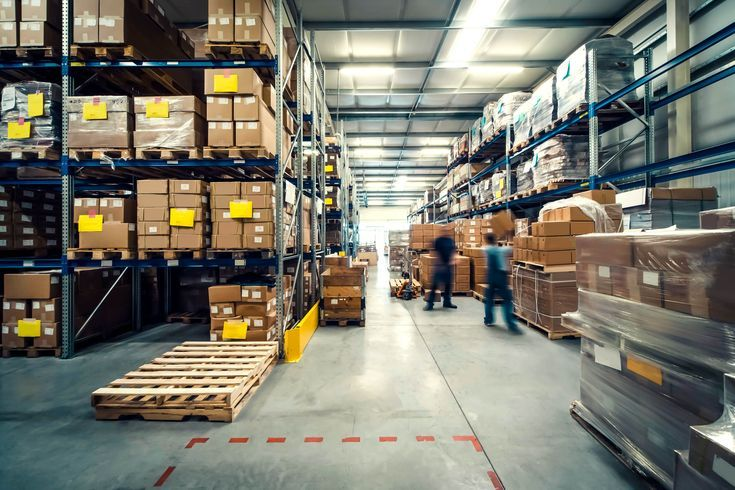
Warehousing

We provide free warehousing services for any of your goods.
img

Cargo Insurance

The cargo insurance protects your goods all the way to any Any FBA Warehouse
img

Custom Clearance

We handle all paperwork and other details for you.

img

Loading Inspection

Ensure safe packaging and loading of goods in your suppliers' factory.

Here We Are

GET ANYTYPE QUOTE FROM HERE.

Your Best Freight Forwarder from China to Sri Lanka

  • Provide the best ocean freight from China to Sri Lanka
  • Provide the competitive air freight from China to Sri Lanka
  • The professional work for customs clearance in China
  • Provide the free warehouse service and loading solution
  • The container loading supervision service
  • Pick up and delivery service in China
  • 24/7 online support
What customers also want to know

Professional Shipping from China to Lanka: The Ultimate FAQ Guide

The primary shipping methods from China to Sri Lanka include sea freight, air freight, and rail freight. Sea freight is cost-effective for large volumes but slower, taking 20-30 days. Air freight offers faster delivery, typically within 5-10 days, but is more expensive. Rail freight is less common but can be a viable alternative depending on the specific logistics and needs.

Several factors influence shipping costs, including the method of transport (sea or air), shipment size and weight, distance, and the urgency of delivery. Additional costs can arise from customs duties, handling fees, and insurance. Choosing the right freight forwarder and optimizing packaging can help manage and potentially reduce costs.

To track your shipment, use tracking tools provided by your freight forwarder or carrier. Most services offer online tracking systems where you can input your tracking number to view real-time updates. Additionally, you can contact your freight forwarder directly for status updates and detailed information on your shipment's location.

Essential customs documentation includes a commercial invoice, packing list, and bill of lading or air waybill. Depending on the type of goods, additional documents such as certificates of origin or import permits may be required. Ensuring all documentation is complete and accurate is crucial to avoid delays and compliance issues.

Sea freight transit times from China to Sri Lanka generally range from 20 to 30 days. This duration depends on the specific ports of departure and arrival, the shipping line used, and any transshipment points along the route. For more precise transit times, consult with your freight forwarder.

Yes, shipping perishable goods requires adherence to specific regulations. You must ensure proper packaging with temperature control, use appropriate documentation such as health certificates, and comply with import regulations for perishable items. Choosing a freight forwarder experienced in handling perishable goods is essential to ensure compliance and timely delivery.

If your shipment is delayed, first check the tracking system provided by your freight forwarder for updates. If you need further assistance, contact your freight forwarder directly to inquire about the delay. They can provide information on the current status, potential reasons for the delay, and any necessary steps to resolve the issue.

Selecting the best freight forwarder involves evaluating their reputation, experience with routes to Sri Lanka, and customer reviews. Ensure they offer comprehensive services, including customs clearance, tracking, and reliable delivery times. Request quotes from multiple forwarders to compare pricing and services before making a decision.

Common challenges include navigating customs regulations, managing shipping delays, and dealing with port congestion. Ensuring accurate documentation and understanding local regulations can help mitigate these issues. Collaborating with experienced freight forwarders can also ease the process and address potential challenges effectively.

To minimize shipping costs, consider optimizing shipment size and weight, choosing the most cost-effective transportation method, and negotiating rates with freight forwarders. Efficient packaging and consolidating shipments can also reduce costs. Additionally, maintaining a good relationship with your forwarder can lead to better rates and service options.

Don’t Take Our Words for it

Listen to What Our Clients Say about Our Freight Forwarding Service

Features Availability

A wide range of available features allows users to manage shipments more efficiently and access essential services with ease. In logistics, feature availability often depends on regional support and operational coverage.

Warleman Joliues
Co-Founder Carion ltd

Design Quality

High design quality improves both efficiency and user experience by combining clear structure, practical functionality, and a professional visual layout. In logistics services, good design supports smoother operations and better customer interaction.

Jon D. William
Founder of Mixbix

Customer Support

Operational management involves organizing transport resources, defining clear workflows, and following industry regulations. Depending on regional practices, infrastructure can be owned and operated by public institutions or private companies.

Sofia Harvey
Chairman News grove