
DSV-freight provides specialized and well-coordinated logistics solutions for shipping from China to Turkmenistan, supporting traders, industrial buyers, and project cargo operators across Central Asia. With hands-on experience in inland and multimodal transport routes, we design shipment plans that balance transit reliability, route feasibility, and total landed cost.
From factory pickup in China to final delivery in Ashgabat or other inland destinations, DSV-freight manages the complete shipping process with structured operational control. Our team coordinates export documentation, cross-border transit planning, carrier selection, and destination-side handling through key corridors connecting China with Central Asia. Each shipment is planned according to cargo type, shipment size, and delivery timelines, ensuring smooth cargo movement across multiple borders.
Whether transporting full containers, consolidated shipments, or time-sensitive air cargo, DSV-freight integrates sea, rail, road, and air freight options into a unified logistics solution. This integrated approach reduces transit uncertainty, improves shipment visibility, and supports stable supply chains between China and Turkmenistan.
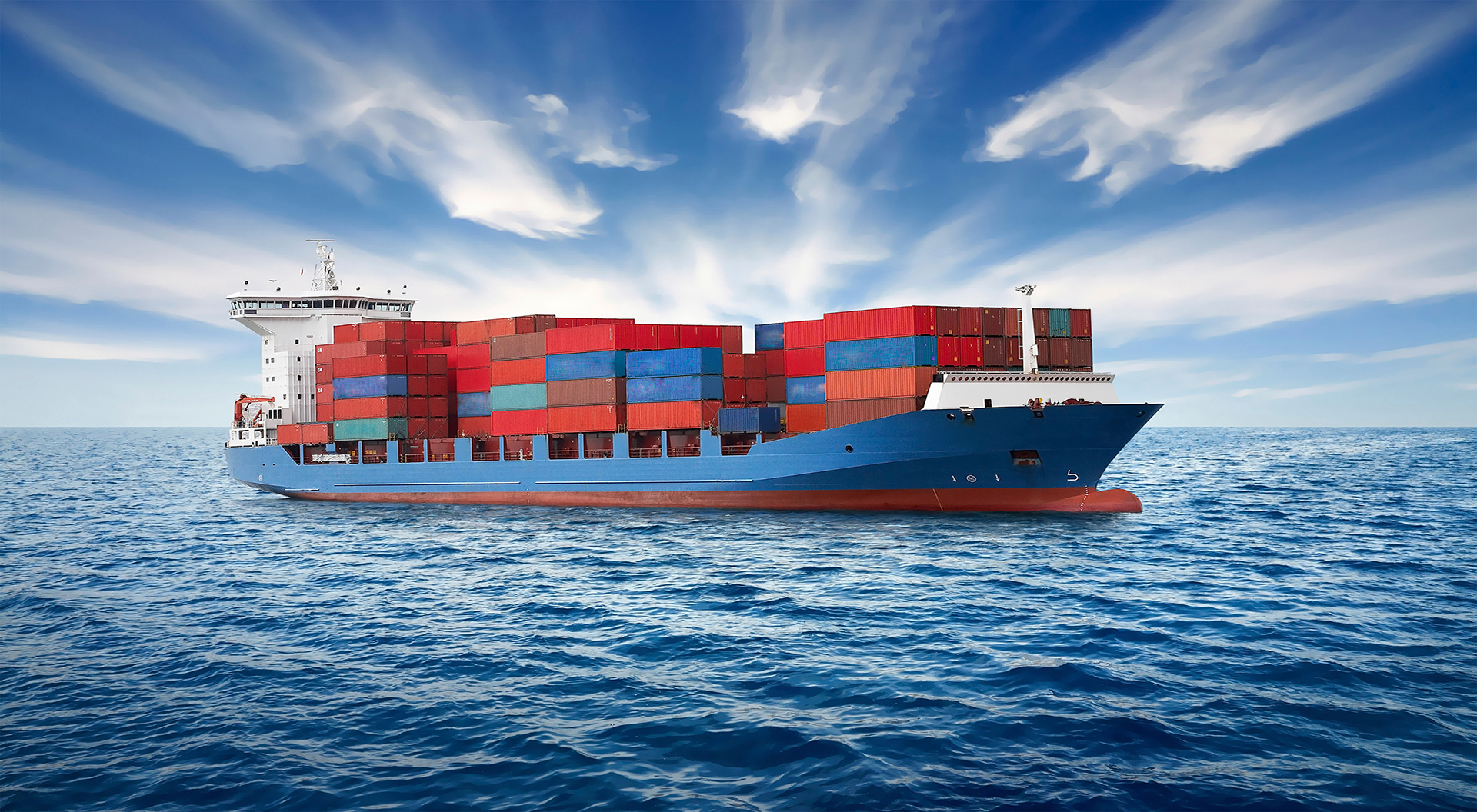
DSV-freight arranges sea freight from China to Turkmenistan through strategic transit ports, typically routing cargo via major seaports before inland transfer to Turkmenistan. Ocean freight is suitable for heavy cargo, industrial equipment, and bulk shipments that require cost-effective international transport. By coordinating port operations and onward inland transport, we ensure secure cargo handling and stable transit performance across extended shipping routes.
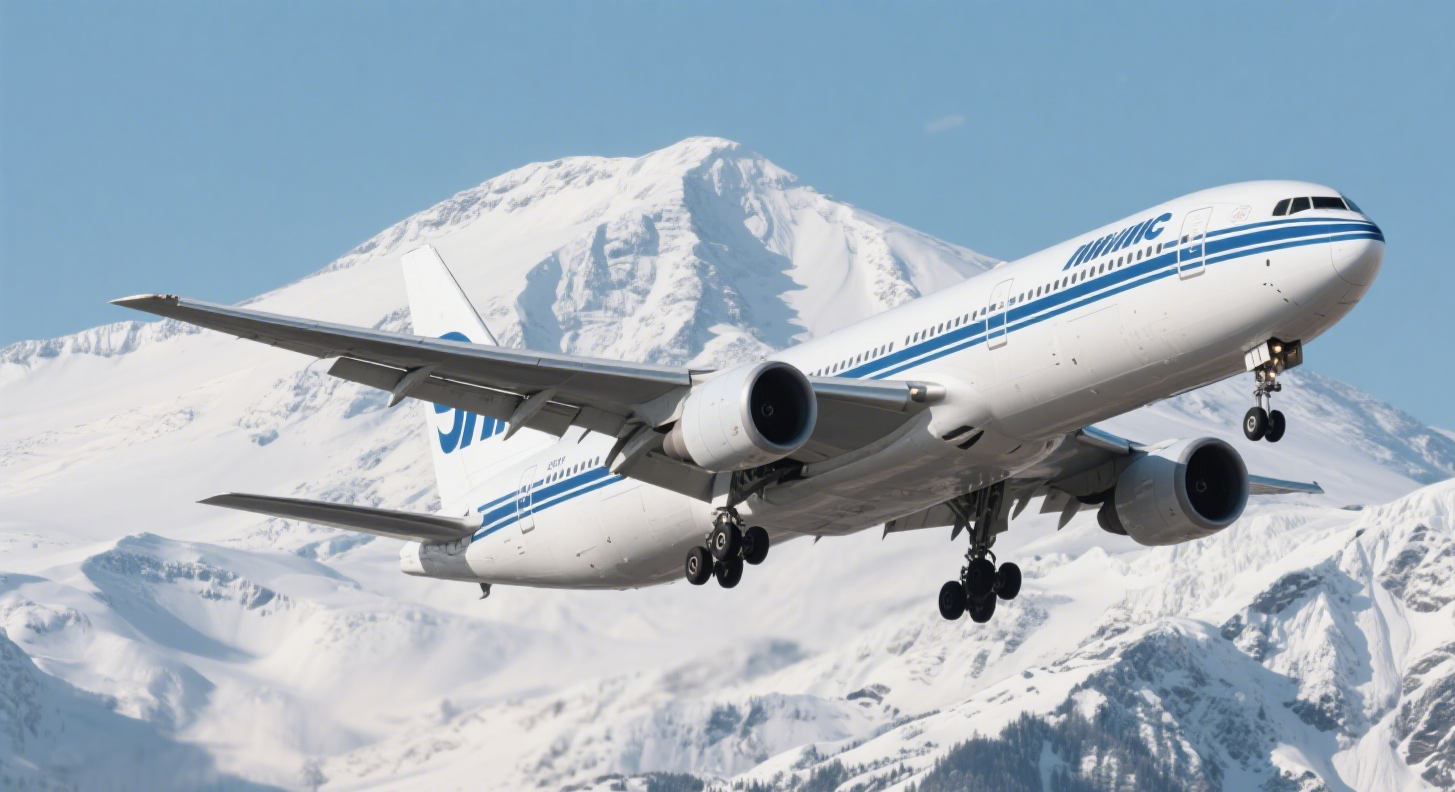
For urgent or high-value shipments, DSV-freight offers controlled air freight solutions from China to Turkmenistan. Utilizing international airline connections and optimized routing, we reduce transit time while maintaining strict cargo security.
Air freight services support export clearance, priority handling, and shipment tracking, making them suitable for spare parts, electronics, and time-critical industrial cargo.
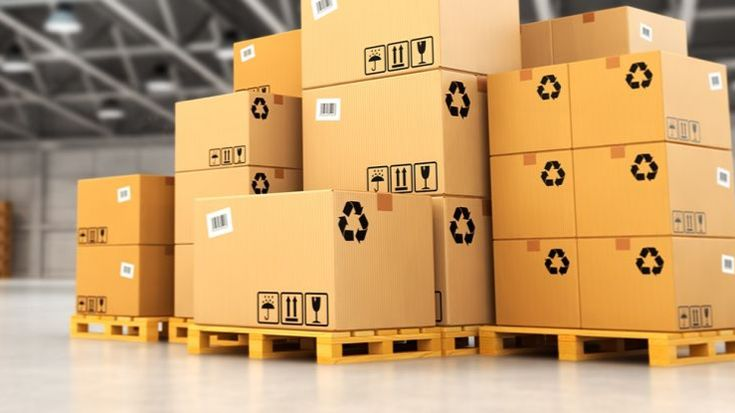
DSV-freight provides fully managed door-to-door shipping from China to Turkmenistan, covering supplier pickup, international transport, cross-border coordination, and final inland delivery. This service simplifies complex logistics involving multiple transit stages. With centralized management and clear shipment visibility, our door-to-door solution helps reduce coordination risks and ensures compliant, on-time delivery.

DSV-freight specializes in Full Container Load (FCL) shipping from China to Turkmenistan for clients moving large or consistent cargo volumes. We support standard container types such as 20GP, 40GP, and 40HQ, with careful coordination across international and inland transport legs.
FCL shipping is ideal for industrial machinery, construction materials, and project cargo requiring improved cost control and reduced handling.
For smaller or consolidated shipments, DSV-freight offers flexible LCL (Less than Container Load) shipping from China to Turkmenistan. Through professional consolidation and deconsolidation processes, we help optimize shipping costs while maintaining reliable delivery schedules.
LCL shipping is suitable for traders and businesses that do not require full container capacity but still need structured and dependable logistics execution.
DSV-freight will provide most fuel efficient pickup service China
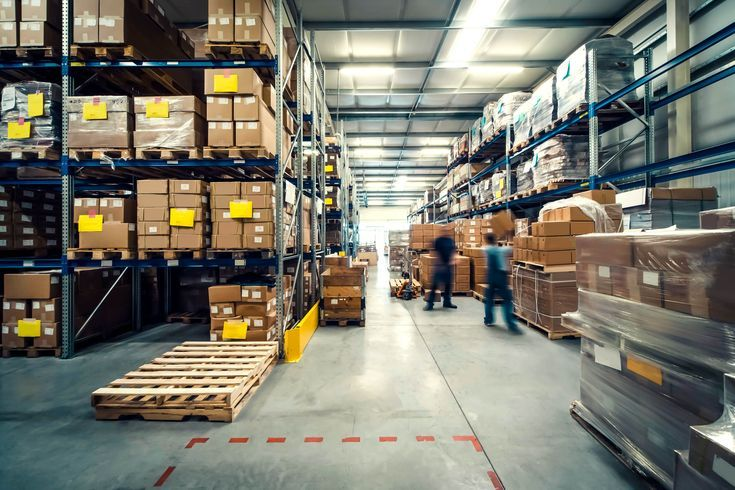
We provide free warehousing services for any of your goods.

The cargo insurance protects your goods all the way to any Any FBA Warehouse
We handle all paperwork and other details for you.

Ensure safe packaging and loading of goods in your suppliers' factory.
Shipping from China to Turkmenistan can be done via air freight or sea freight. Air freight is quicker and suitable for urgent deliveries, taking about 5 to 7 days. Sea freight, while slower, is more cost-effective, generally taking 20 to 30 days. Each method has its own advantages depending on the urgency and budget.
Shipping costs from China to Turkmenistan vary based on the method and size of the shipment. Air freight costs more but provides faster delivery, while sea freight is more budget-friendly but takes longer. Additional costs may include customs duties, insurance, and handling fees. For an accurate estimate, consult with freight forwarders.
Required documents include a commercial invoice, packing list, bill of lading or air waybill, and a certificate of origin. Customs declarations and any required permits or licenses depending on the nature of the goods are also necessary. Proper documentation ensures smooth processing and avoids delays.
Yes, shipments to Turkmenistan must comply with local customs regulations. This includes accurate declaration of goods, payment of applicable duties and taxes, and adherence to import restrictions. Customs inspections may also apply, so ensuring proper documentation and compliance is crucial to avoid delays.
You can track your shipment using the tracking number provided by your freight forwarder or carrier. Most forwarders offer online tracking systems that allow you to monitor the shipment’s status in real-time. This helps you stay informed about delivery progress and any potential issues.
To ensure safe delivery, choose a reliable freight forwarder with a good track record. Use appropriate packaging to protect goods, obtain insurance coverage, and adhere to all customs regulations. Regularly track the shipment and communicate with all parties involved to address any issues promptly.
To reduce costs, consider using sea freight instead of air freight for non-urgent shipments. Consolidating shipments, negotiating rates with forwarders, and optimizing packaging can also help. Ensure that all documentation is accurate to prevent delays and additional fees.
If a shipment is delayed, first check the tracking information for updates. Contact your freight forwarder or carrier to inquire about the cause and estimated delivery time. Reviewing and addressing any issues with documentation, customs, or logistics can also help resolve delays.
Common challenges include navigating complex customs regulations, potential delays due to long transit times, and ensuring proper packaging to prevent damage. Working with experienced freight forwarders can help manage these challenges effectively and ensure smooth shipping.
When selecting a freight forwarder, consider their experience, reputation, and the range of services they offer. Check their track record for reliability and safety, their understanding of Turkmenistan’s regulations, and their ability to provide tracking and support throughout the shipping process.
High design quality improves both efficiency and user experience by combining clear structure, practical functionality, and a professional visual layout. In logistics services, good design supports smoother operations and better customer interaction.
High code quality delivers a stable and responsive system, making daily logistics management smoother while minimizing technical issues and downtime.
Operational management involves organizing transport resources, defining clear workflows, and following industry regulations. Depending on regional practices, infrastructure can be owned and operated by public institutions or private companies.