
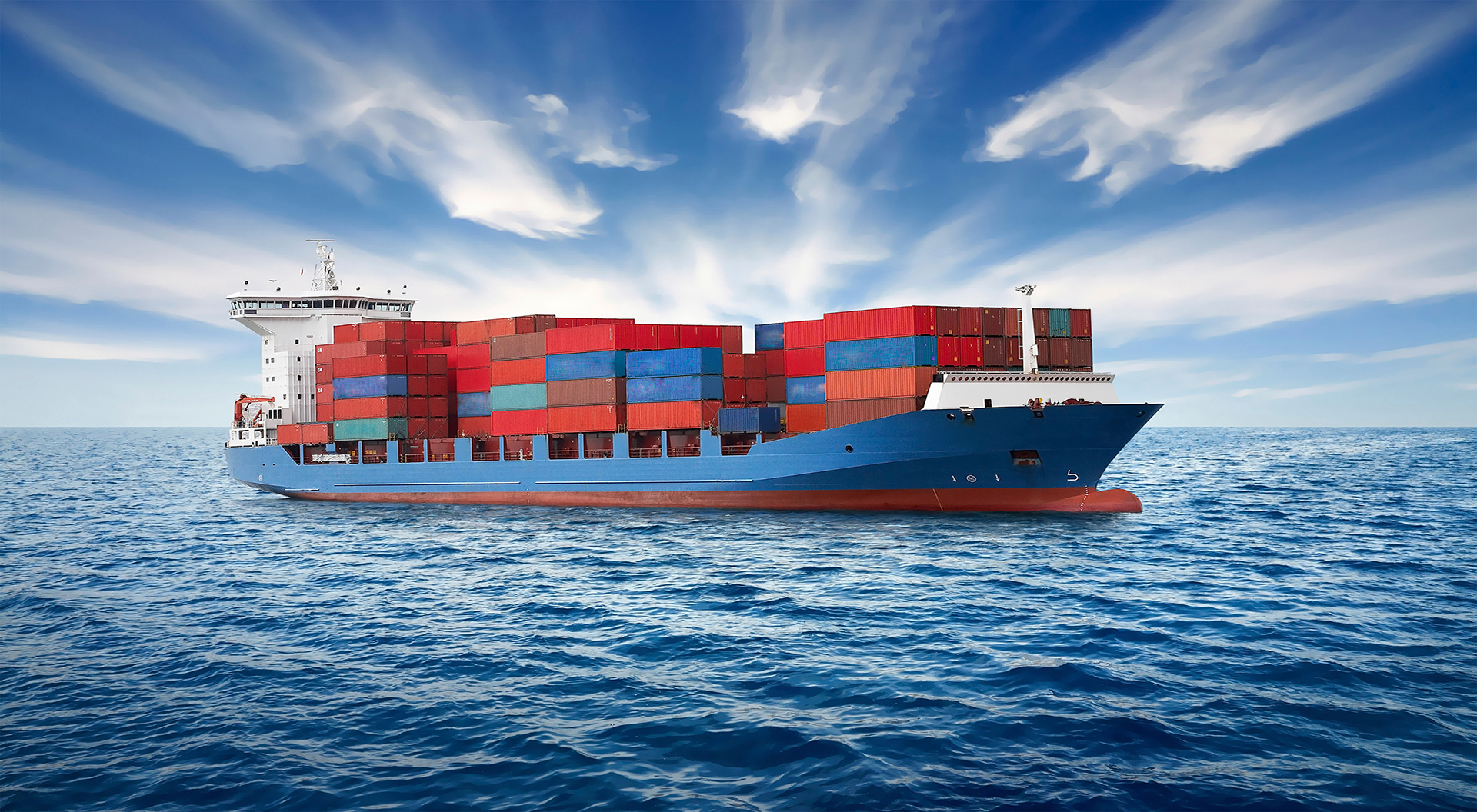
DSV-freight provides carefully planned logistics solutions for shipping from China to Western Sahara, supporting traders, project cargo owners, and organizations operating in politically and operationally sensitive regions.
Shipping from China to Western Sahara requires precise route selection, compliant documentation, and controlled handover at destination gateways. Due to limited direct port infrastructure and regulatory sensitivity, shipments are typically routed through neighboring countries with coordinated inland delivery to final destinations within the region.
DSV-freight manages cargo movements from major Chinese export hubs such as Shanghai, Ningbo, Shenzhen, Guangzhou, and Qingdao, routing shipments via selected North African or European transit ports before onward delivery. Services include origin pickup, export customs clearance, carrier booking, international transportation, and destination-side coordination.
Based on cargo type, shipment size, and delivery requirements, shipments are routed via ocean freight combined with inland transport solutions. Centralized shipment management, standardized operating procedures, and proactive risk control help maintain visibility and reduce uncertainty when shipping from China to Western Sahara.
By combining regional expertise with disciplined operational control, DSV-freight supports stable, compliant, and predictable logistics operations into Western Sahara.
DSV-freight offers sea freight solutions from China to Western Sahara via carefully selected transit ports in North Africa or Southern Europe.
Ocean freight is suitable for project cargo, construction materials, and non-urgent commercial goods. Services include container booking, export documentation, port handling, transshipment coordination, and inland delivery planning to reach final destinations within Western Sahara.

For urgent or high-value shipments, DSV-freight provides air freight solutions from China to Western Sahara through approved regional airports.
Air freight services include export customs clearance, flight coordination, cargo security handling, and onward inland transport arrangements. This option is typically used for time-sensitive goods and critical supplies.

DSV-freight delivers end-to-end door-to-door shipping services from China to Western Sahara, managing the logistics process from origin pickup to final delivery. Door-to-door solutions include cargo collection, export documentation, international transportation, customs coordination, cross-border inland transport, and destination delivery management. Centralized control helps reduce operational complexity in sensitive regions.

DSV-freight provides structured Full Container Load (FCL) shipping solutions from China to Western Sahara for customers moving dedicated cargo volumes under controlled routing conditions.
FCL shipping is suitable for project cargo, construction materials, machinery, and bulk commercial goods requiring reduced handling and improved cargo security. Containers are shipped from major Chinese ports to selected transit ports in North Africa or Southern Europe, followed by coordinated inland transportation into Western Sahara.
Supported container types include 20GP, 40GP, and 40HQ. Through careful carrier selection, transshipment planning, and destination coordination, DSV-freight helps customers maintain predictable costs and controlled delivery timelines for full-container shipments.
For smaller-volume shipments, DSV-freight offers reliable Less than Container Load (LCL) shipping from China to Western Sahara through scheduled consolidation services.
LCL shipping is ideal for mixed cargo, trial shipments, or customers without full-container volumes. Cargo is consolidated at origin, shipped via selected transit ports, and delivered inland under coordinated handling procedures to ensure compliance and cargo integrity.
By optimizing consolidation schedules and destination routing, DSV-freight allows customers to reduce freight costs while maintaining stable transit performance when shipping smaller consignments to Western Sahara.
DSV-freight will provide most fuel efficient pickup service China

We provide free warehousing services for any of your goods.

The cargo insurance protects your goods all the way to any Any FBA Warehouse

We handle all paperwork and other details for you.

Ensure safe packaging and loading of goods in your suppliers' factory.
Several factors influence shipping times from China to Western Sahara, including the chosen shipping method (sea or air freight), weather conditions, customs clearance procedures, and the efficiency of the logistics companies involved. Sea freight is usually slower but more economical, while air freight offers faster delivery at a higher cost. Additionally, unforeseen events like port congestion or political instability can also impact shipping durations.
The main shipping methods from China to Western Sahara include sea freight and air freight. Sea freight is cost-effective for large shipments and typically takes 30 to 45 days. Air freight, while significantly faster, often costs more and is suitable for smaller, time-sensitive shipments. Freight forwarders and logistics companies can help determine the best method based on the shipment size, budget, and urgency.
Sea freight is generally more affordable and ideal for large or bulky shipments, with transit times ranging from 30 to 45 days. It involves container shipping via cargo ships. In contrast, air freight is much faster, often taking less than a week, but it comes with higher costs. The choice between sea and air freight depends on the shipment’s size, urgency, and budget constraints.
Freight forwarders offer numerous benefits, including expert knowledge of shipping routes, customs regulations, and documentation requirements. They can negotiate better shipping rates, consolidate shipments, and provide end-to-end logistics solutions. Utilizing a freight forwarder can streamline the shipping process, reduce transit times, and ensure compliance with international shipping standards, making the entire process more efficient and cost-effective.
Key documents for shipping from China to Western Sahara include the bill of lading, commercial invoice, packing list, certificate of origin, and any relevant import/export permits. Accurate and complete documentation is crucial to avoid delays in customs clearance and ensure smooth transit. Additionally, depending on the nature of the goods, other specific certificates or licenses may be required.
Customs clearance is a critical factor that can significantly affect shipping times. Delays in documentation, inspections, or compliance with import regulations can extend transit durations. Efficient customs procedures, accurate paperwork, and adherence to local regulations are essential to minimize delays. Working with experienced customs brokers or freight forwarders can help navigate these complexities and expedite the process.
Insurance is vital in protecting shipments from potential risks such as damage, loss, or theft during transit. It provides financial coverage and peace of mind, ensuring that any unforeseen incidents do not result in significant financial losses. Freight insurance options vary, so it is essential to choose a policy that covers the specific needs and value of the goods being shipped.
Port congestion and logistical challenges can lead to significant delays in shipping. High traffic volumes, limited port capacity, and inefficient handling procedures contribute to longer wait times for unloading and loading cargo. Additionally, logistical challenges such as inadequate infrastructure or transportation strikes can further disrupt schedules. Effective planning, real-time tracking, and alternative routing can help mitigate these issues.
The cost of shipping from China to Western Sahara varies based on the chosen method. Sea freight is typically more economical, suitable for large shipments, but involves longer transit times. Air freight, while faster, incurs higher costs, making it ideal for smaller, urgent shipments. Balancing cost, speed, and the nature of the goods is crucial in selecting the appropriate shipping method.
Businesses can optimize shipping strategies by analyzing their supply chain, choosing the appropriate shipping method, and leveraging technology for real-time tracking and communication. Collaborating with reliable freight forwarders and logistics partners ensures efficient handling and transit. Regularly reviewing shipping performance, costs, and market conditions also helps in making informed decisions to enhance efficiency and cost-effectiveness.
Operational management involves organizing transport resources, defining clear workflows, and following industry regulations. Depending on regional practices, infrastructure can be owned and operated by public institutions or private companies.
High code quality delivers a stable and responsive system, making daily logistics management smoother while minimizing technical issues and downtime.
A wide range of available features allows users to manage shipments more efficiently and access essential services with ease. In logistics, feature availability often depends on regional support and operational coverage.