
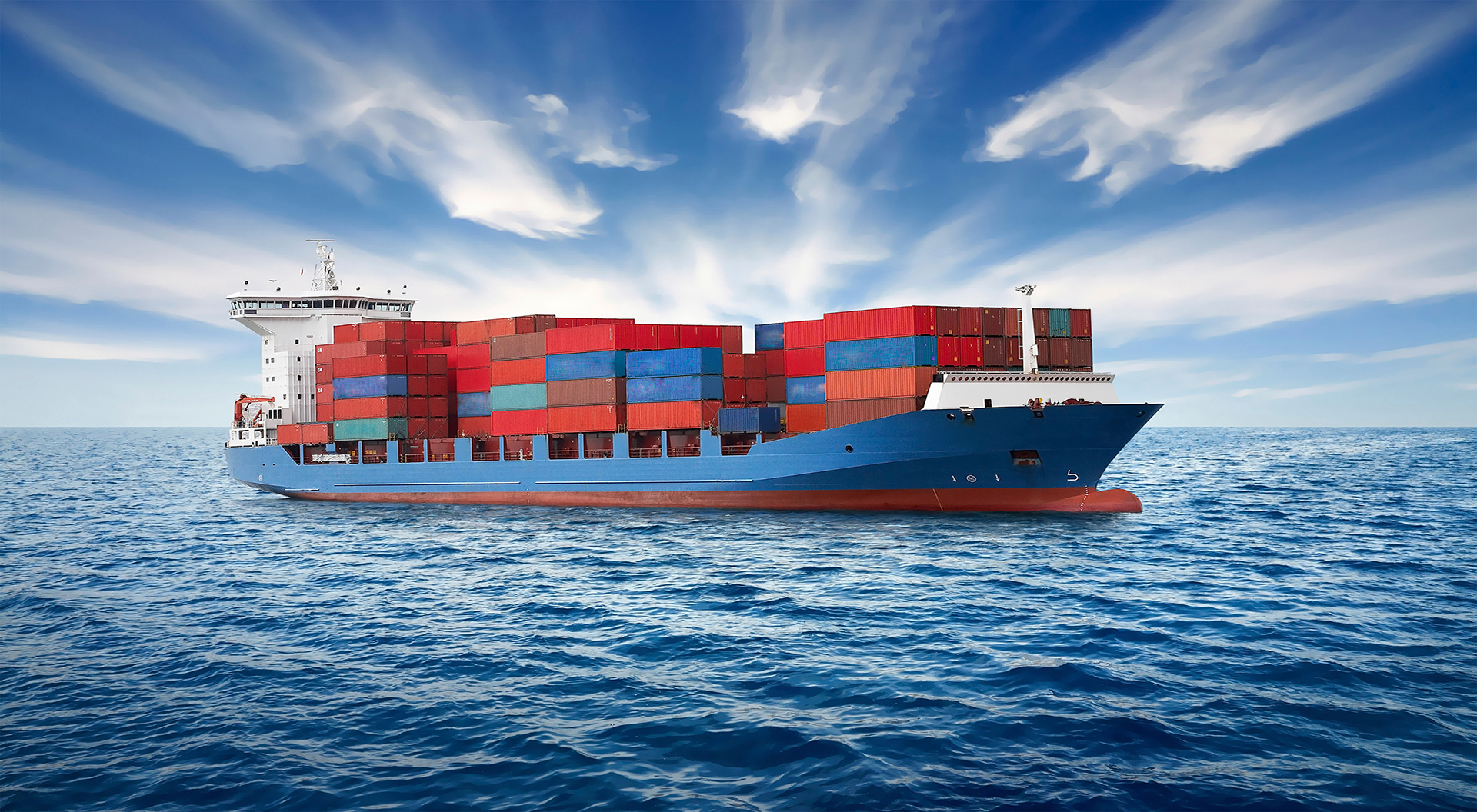
DSV-freight provides destination-focused freight forwarding solutions for shipping from China to South Sudan, supporting traders, contractors, NGOs, and project-driven importers operating in East Africa. Due to limited infrastructure and complex inland access, shipments to South Sudan require realistic routing, strict document control, and coordinated regional execution. DSV-freight builds logistics plans that prioritize feasibility, cargo security, and delivery continuity.
From factory pickup in China to final delivery within South Sudan, DSV-freight manages export handling, international transportation, customs coordination, and inland delivery through established regional gateways. Shipments are planned with close attention to transit stability, border procedures, and local operating conditions, ensuring cargo moves under controlled and practical timelines.
By combining experienced operations teams with flexible routing strategies, DSV-freight helps clients maintain cargo flow, manage uncertainty, and achieve consistent delivery outcomes along the China–South Sudan trade route.
DSV-freight offers sea freight services from China to South Sudan via major Chinese ports such as Shanghai, Ningbo, and Shenzhen. Ocean cargo is routed through selected regional ports before onward inland transportation to South Sudan. Sea freight planning emphasizes sailing reliability, transshipment control, and coordination with inland transport partners to support complex destination requirements.

For urgent or sensitive cargo, DSV-freight provides air freight services from major Chinese airports to South Sudan via established regional air hubs.
Air freight is suitable for medical supplies, relief goods, spare parts, and time-critical shipments requiring reduced transit time and controlled handling.

DSV-freight delivers coordinated door-to-door shipping from China to South Sudan, covering factory pickup, export documentation, international transport, customs support, and inland delivery coordination.
This solution is designed for clients seeking centralized shipment responsibility across multiple transport stages.

DSV-freight provides FCL full container load shipping from China to South Sudan for cargo owners moving large volumes or project-related goods. Dedicated 20GP, 40GP, and 40HQ containers are commonly used for construction materials, equipment, infrastructure supplies, and bulk commercial cargo.
Given the destination’s limited port access and inland transport constraints, FCL shipping offers better cargo protection and reduced handling risk. DSV-freight manages factory loading supervision, container sealing, carrier selection, and routing through stable regional gateways, followed by planned inland transport. This approach helps minimize cargo exposure, improve shipment control, and support predictable delivery for complex supply chains.
DSV-freight offers LCL less than container load shipping from China to South Sudan for smaller or irregular shipment volumes. This option is commonly used for mixed commercial goods, spare parts, relief supplies, and replenishment cargo.
LCL shipping requires careful consolidation and documentation accuracy due to multiple handling stages. DSV-freight oversees consolidation planning, cargo segregation, transit monitoring, and customs coordination, enabling importers to balance freight cost efficiency with acceptable delivery reliability on South Sudan–bound routes.
DSV-freight will provide most fuel efficient pickup service China
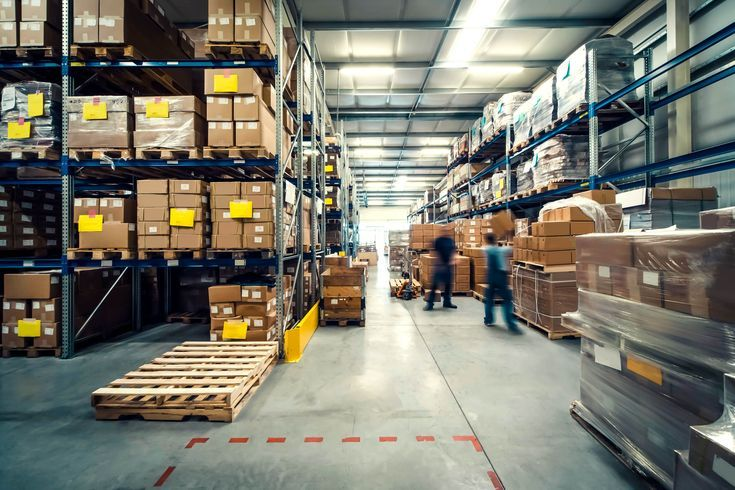
We provide free warehousing services for any of your goods.
The cargo insurance protects your goods all the way to any Any FBA Warehouse
We handle all paperwork and other details for you.

Ensure safe packaging and loading of goods in your suppliers' factory.
Air freight from China to South Sudan typically takes between 7 and 15 days. This timeframe includes transport and potential customs processing. The exact duration can vary depending on the airline, route, and weather conditions.
Sea freight from China to South Sudan usually ranges from 2 to 4 months. This period encompasses the entire journey, including transport, transshipment, and customs procedures. The exact duration depends on the departure and arrival ports and the complexity of the shipping route.
South Sudan primarily relies on ports in neighboring Sudan, such as Port Sudan, since South Sudan does not have a coastline. These ports handle the majority of international shipping for South Sudan.
Yes, you can track shipments from China to South Sudan using tracking systems provided by the shipping company or courier service. Most logistics companies offer online tracking for both air and sea freight.
Required documents typically include a commercial invoice, packing list, bill of lading (for sea freight) or air waybill (for air freight), and a certificate of origin. Additional documents may be needed depending on the type of goods and local regulations.
Shipping costs vary significantly based on the mode of transport, weight, and volume of goods. Air freight is generally more expensive than sea freight. Additional costs may include handling fees, insurance, and customs duties.
For perishable items, air freight is typically the best option due to its faster transit time. Ensuring proper packaging and temperature control is crucial to maintain the quality of perishable goods during transit.
To minimize delays, ensure all documentation is accurate and complete, use reliable shipping companies, and consider potential delays at customs or in transit. Choosing a faster shipping method, like air freight, can also reduce the risk of delays.
South Sudan has specific import regulations that vary by product type. It's important to check the latest import requirements and restrictions, which can include certifications, inspections, and compliance with local standards. Consulting with a local import/export expert can provide detailed guidance.
A wide range of available features allows users to manage shipments more efficiently and access essential services with ease. In logistics, feature availability often depends on regional support and operational coverage.
High code quality delivers a stable and responsive system, making daily logistics management smoother while minimizing technical issues and downtime.
Operational management involves organizing transport resources, defining clear workflows, and following industry regulations. Depending on regional practices, infrastructure can be owned and operated by public institutions or private companies.