
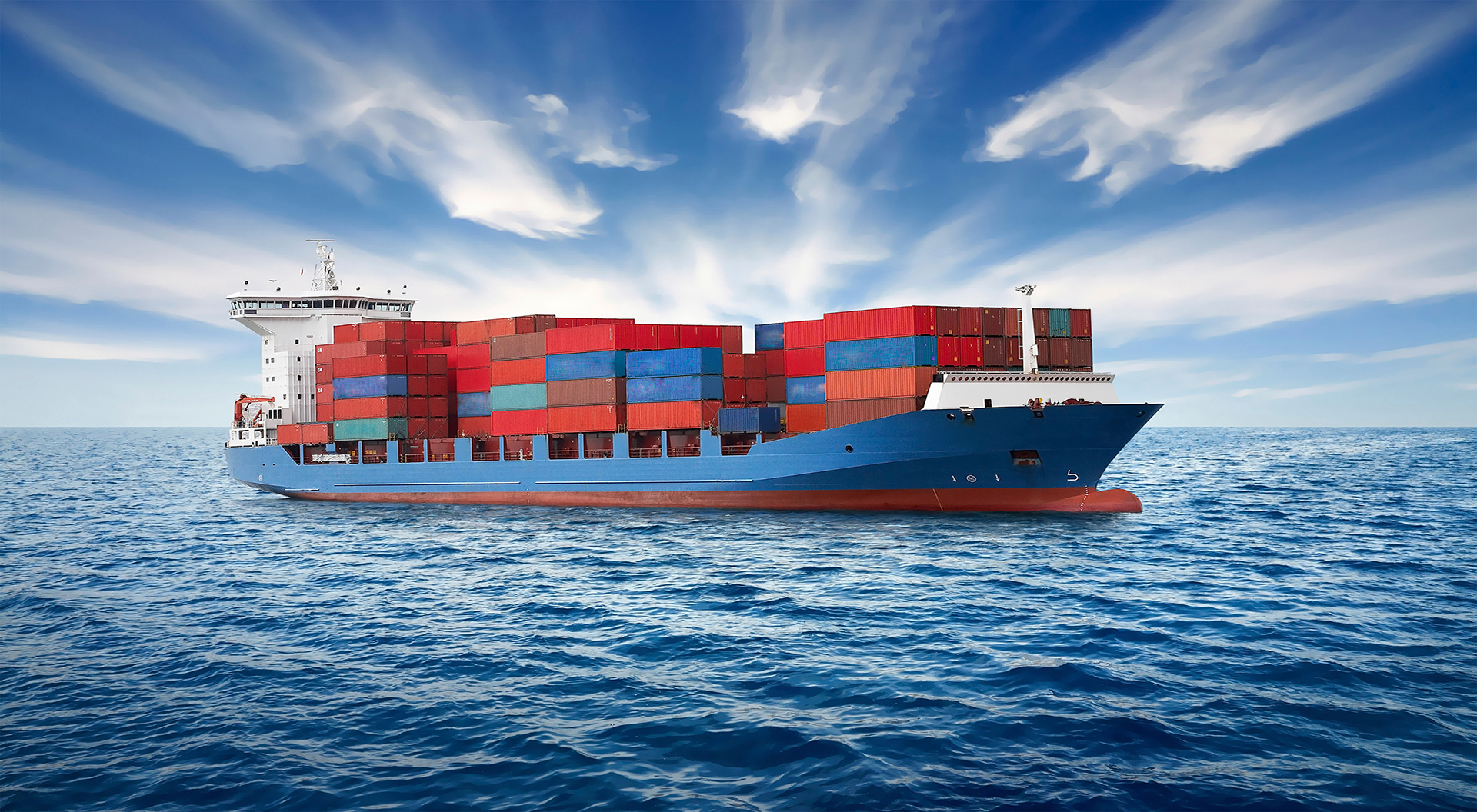
Shipping from China to São Tomé and Príncipe requires careful coordination of ocean routes and regional transshipment due to the country’s small market size and limited port infrastructure. Located in the Gulf of Guinea off the west coast of Central Africa, São Tomé and Príncipe relies almost entirely on international shipping for imported goods, as local manufacturing capacity is very limited.
Cargo imported from China to São Tomé and Príncipe mainly includes construction materials, power and electrical equipment, machinery, consumer goods, household products, hotel and tourism supplies, and government or aid-related cargo. Shipments are typically small to medium in volume but require stable scheduling, accurate documentation, and reliable destination handling to avoid delays caused by port congestion or limited local facilities.
DSV-freight provides tailored shipping solutions from China to São Tomé and Príncipe by combining long-haul ocean transport with well-planned African regional transshipment. From Chinese export ports to final delivery on the islands, we focus on route feasibility, cargo safety, and realistic transit planning.
Sea freight is the primary and most practical transportation method for shipping cargo from China to São Tomé and Príncipe. DSV-freight arranges ocean freight from major Chinese ports such as Shanghai, Ningbo, Shenzhen, and Qingdao to West African transshipment hubs, typically via ports like Pointe-Noire or other regional gateways, followed by feeder services to São Tomé. Due to limited direct vessel calls, sea freight shipments require precise connection planning and flexible scheduling. This option is suitable for construction materials, machinery, consumer goods, and other non-urgent cargo moving in steady volumes.

Air freight is used for urgent, high-value, or critical shipments to São Tomé and Príncipe. DSV-freight coordinates air cargo from major Chinese airports to international hubs, followed by onward flights to São Tomé International Airport.
This solution is commonly selected for medical supplies, urgent spare parts, electronics, samples, and time-sensitive goods where delivery speed is essential despite higher transportation costs.

Door to door shipping is often the most efficient option for importers shipping to São Tomé and Príncipe. DSV-freight manages the full logistics chain, including pickup in China, export clearance, international transportation, destination customs coordination, and final delivery to warehouses, project sites, or commercial locations.
Given the country’s limited logistics infrastructure, this service reduces operational risk and minimizes the need for local coordination, making it suitable for government projects, contractors, NGOs, and businesses without local logistics teams.

FCL shipping is suitable for customers with larger shipment volumes or cargo that requires exclusive container use. DSV-freight provides full container load services using 20GP and 40HQ containers from China to São Tomé and Príncipe via regional transshipment ports.
FCL shipping offers better cargo protection, reduced handling, and improved shipment control. It is commonly used for construction materials, industrial equipment, hotel supplies, infrastructure-related cargo, and bulk commercial goods shipped to the islands.
LCL shipping is a practical and cost-effective solution for smaller shipments destined for São Tomé and Príncipe. DSV-freight handles consolidation at origin, shared container transport to West Africa, destination deconsolidation, customs coordination, and final delivery.
This option is well suited for SMEs, mixed cargo, spare parts, trial orders, and recurring replenishment shipments, allowing importers to manage costs while maintaining dependable delivery into a challenging island market.
DSV-freight will provide most fuel efficient pickup service China

We provide free warehousing services for any of your goods.

The cargo insurance protects your goods all the way to any Any FBA Warehouse
We handle all paperwork and other details for you.

Ensure safe packaging and loading of goods in your suppliers' factory.
The average shipping time from China to Sao Tome and Principe typically ranges between 25 to 45 days. This time frame depends on various factors such as the shipping route, the type of shipping service used (standard or expedited), customs clearance, and potential delays due to weather or other unforeseen circumstances.
Common shipping routes from China to Sao Tome and Principe usually involve transiting through major ports in Asia, the Middle East, and Africa. Some routes may include stops at ports in Singapore, Dubai, and Lagos before reaching the final destination. The choice of route can affect the overall shipping time and cost.
Several factors can influence shipping duration, including the shipping method (sea freight vs. air freight), weather conditions, port congestion, customs clearance efficiency, and the specific route taken. Additionally, holidays and peak shipping seasons can also impact transit times.
Direct shipping options from China to Sao Tome and Principe are relatively rare due to the smaller size of the destination market. Most shipments involve transshipment through major regional hubs. Direct options may be available for high-priority or large-volume shipments, but they are generally more expensive.
Customs clearance can significantly impact shipping times. Delays in processing documents, inspections, and verification of goods can add days or even weeks to the total transit time. Efficient documentation and compliance with both countries' regulations can help minimize these delays.
Shipping costs vary based on the weight and volume of the shipment, the shipping method chosen (sea or air freight), and additional services such as insurance, tracking, and expedited delivery. Typically, sea freight is more cost-effective for large shipments, while air freight is faster but more expensive.
Air freight is a viable option for shipping goods that require faster delivery, such as perishable items or urgent supplies. While more expensive than sea freight, air freight significantly reduces transit times to approximately 5 to 10 days, depending on the specific service and route.
Essential documents for shipping include a bill of lading, commercial invoice, packing list, certificate of origin, and any required import/export licenses or permits. Proper documentation ensures smooth customs clearance and avoids potential delays and fines.
To minimize shipping delays, choose a reliable shipping company with a good track record, ensure all documentation is accurate and complete, plan for potential delays during peak seasons, and consider using expedited services if time-sensitive. Regular communication with the shipping provider can also help address issues promptly.
Logistics companies manage the entire shipping process, from pick-up and transportation to customs clearance and final delivery. They provide expertise in navigating complex shipping regulations, optimizing routes, and offering additional services such as warehousing, insurance, and real-time tracking. Partnering with a reputable logistics company can streamline the shipping process and improve efficiency.
High code quality delivers a stable and responsive system, making daily logistics management smoother while minimizing technical issues and downtime.
Operational management involves organizing transport resources, defining clear workflows, and following industry regulations. Depending on regional practices, infrastructure can be owned and operated by public institutions or private companies.
High design quality improves both efficiency and user experience by combining clear structure, practical functionality, and a professional visual layout. In logistics services, good design supports smoother operations and better customer interaction.