

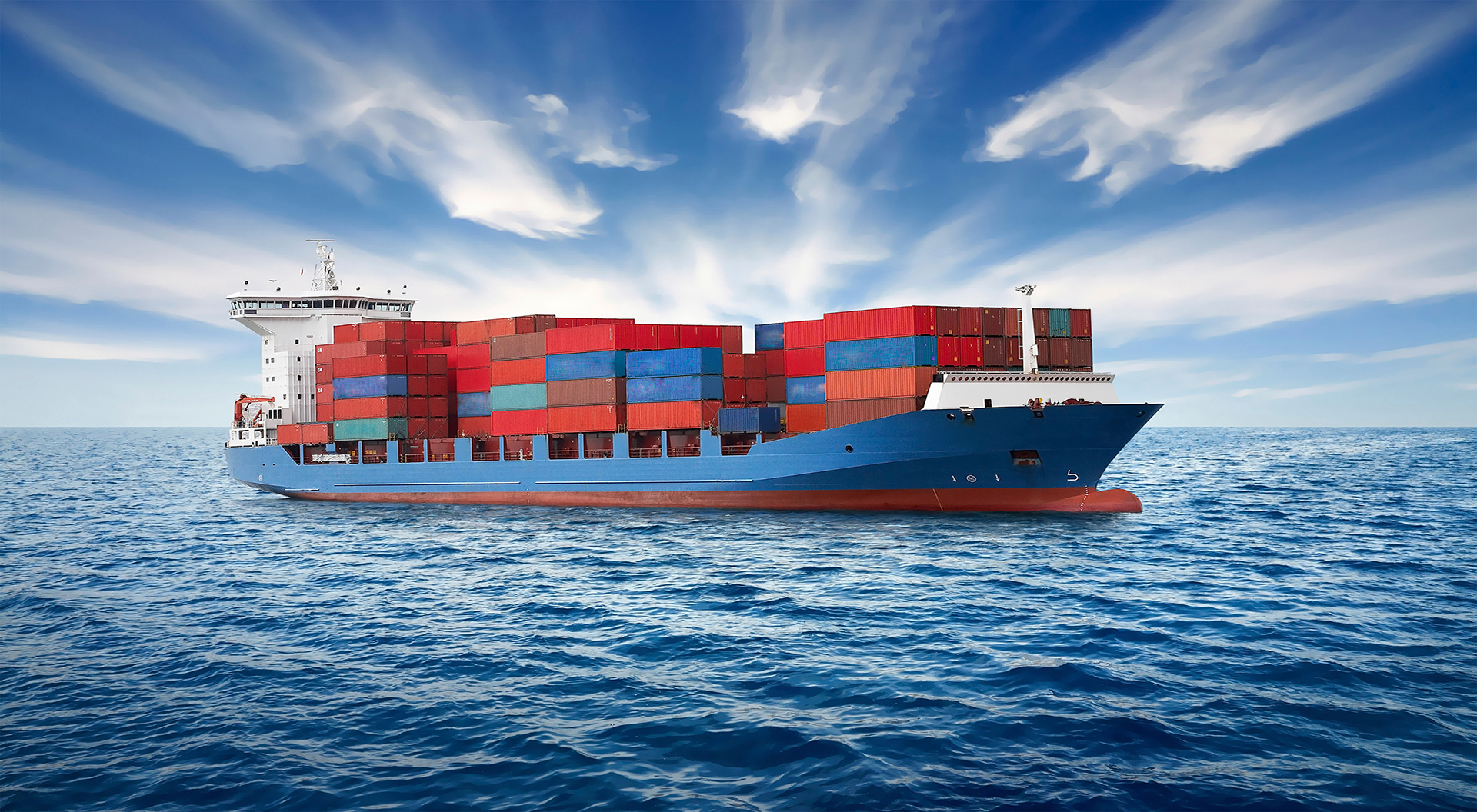
DSV-freight provides professional and reliable freight forwarding services for shipments from China to Greenland, supporting importers, distributors, retailers, and specialist buyers operating in the Arctic region.
With tailored logistics networks and expertise in long-distance ocean routes and remote delivery coordination, DSV-freight delivers secure, compliant, and cost-efficient freight services aligned with cargo requirements and shipment timelines.
From origin pickup in China to delivery at Greenland ports or inland destinations, our logistics team handles route planning, carrier coordination, documentation, and customs clearance, ensuring smooth cargo movement and transparent shipment tracking.
DSV-freight offers reliable sea freight services from major Chinese ports such as Shanghai, Shenzhen, Ningbo, and Qingdao to Greenland via established European transit hubs.
Cargo is routed through stable ocean services with onward connections to Greenland ports including Nuuk, supported by coordinated scheduling and professional cargo handling.
With flexible FCL and LCL options, DSV-freight ensures efficient, secure, and cost-controlled sea freight solutions suitable for different shipment volumes and cargo types.

For urgent and high-value shipments, DSV-freight provides dependable air freight services from major Chinese airports to Greenland through key international aviation hubs.
Our air freight solutions offer fast transit times, secure handling, accurate documentation, and coordinated customs clearance.
This service is ideal for electronics, spare parts, medical supplies, samples, and other time-sensitive cargo requiring reliable delivery under challenging conditions.

DSV-freight provides integrated door-to-door shipping solutions from China to Greenland, covering origin pickup, export customs clearance, international transportation, import clearance, and final delivery. Through coordinated transport planning and multi-leg routing, shipments are delivered reliably to Greenland destinations including Nuuk and surrounding areas. This end-to-end service simplifies logistics management, improves shipment visibility, and ensures predictable delivery for commercial goods, industrial cargo, and consolidated shipments.

DSV-freight provides professional full container load (FCL) shipping services from China to Greenland, offering 20GP, 40GP, and 40HQ container options for large-volume or heavy cargo.
Our FCL solutions include secure origin loading, optimized routing with reliable carriers, and integrated customs coordination, reducing handling risk and improving schedule reliability on long-distance ocean routes.
This service is ideal for machinery, construction materials, commercial goods, and project cargo requiring enhanced cargo security and cost control.
For smaller shipments, DSV-freight offers less-than-container load (LCL) shipping from China to Greenland through professional consolidation services.
Multiple consignments are combined into shared containers with standardized loading procedures and careful cargo handling.
Supported by experienced customs coordination and coordinated transit planning, LCL shipping helps importers reduce freight costs while maintaining cargo safety and delivery reliability to remote Arctic destinations.
DSV-freight will provide most fuel efficient pickup service China
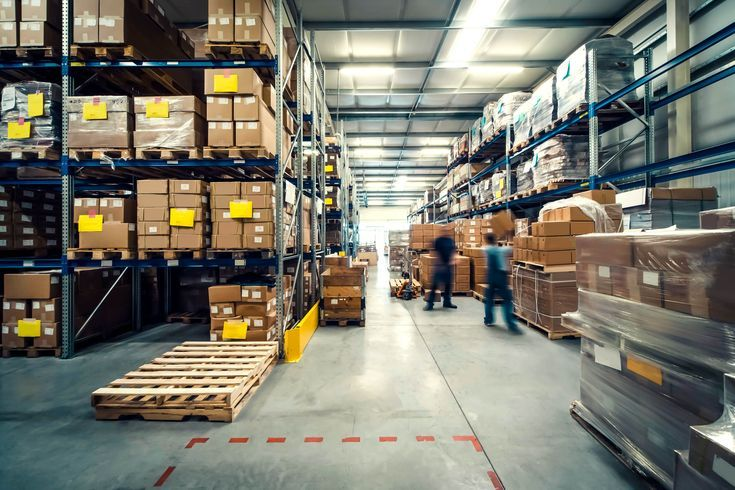
We provide free warehousing services for any of your goods.
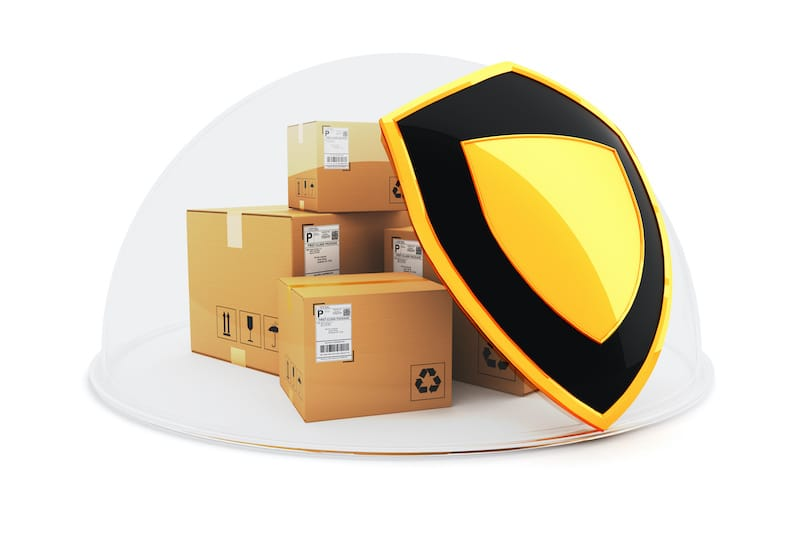
The cargo insurance protects your goods all the way to any Any FBA Warehouse
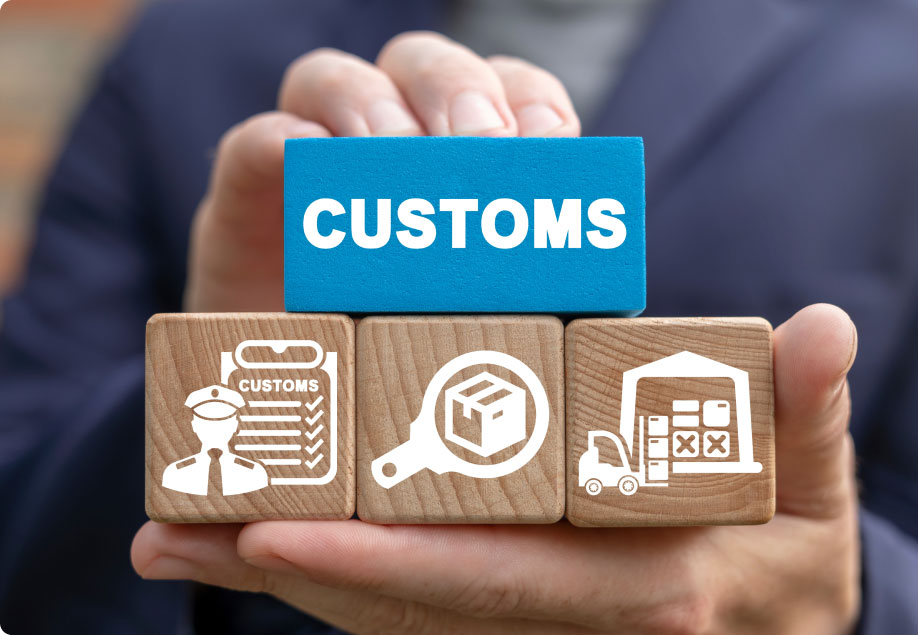
We handle all paperwork and other details for you.

Ensure safe packaging and loading of goods in your suppliers' factory.
Shipping from China to Greenland varies by method:
Air Freight: Typically takes 5-10 days. This includes time for collection, transport to the airport, flight, and customs clearance.
Sea Freight: Usually takes 20-40 days. Timeframes depend on the shipping route, transshipment points, and port congestion.
Actual shipping times may vary due to weather, peak seasons, or unforeseen delays. For precise estimates, consult your shipping carrier or freight forwarder.
Shipping costs from China to Greenland vary based on several factors:
Air Freight: Fast but expensive. Costs depend on cargo weight, volume, and the specific airports. Prices typically range from hundreds to thousands of dollars.
Sea Freight: More economical for larger shipments, but slower. Costs depend on cargo volume, shipping route, and whether you choose FCL or LCL. Expect costs from a few hundred to several thousand dollars.
Courier Services: Faster than sea freight but generally costlier than air freight. Prices vary based on package weight and dimensions, typically ranging from hundreds to over a thousand dollars.
Additional Fees: Be aware of extra costs such as fuel surcharges, customs clearance fees, handling fees, insurance, and taxes.
Customs Duties and Taxes: Costs depend on the nature and value of your goods. Factor these into your shipping budget.
For precise quotes, contact shipping companies, freight forwarders, or courier services with details about your shipment.
Here’s a concise guide for shipping from China to Greenland:
Select a Shipping Method: Choose between air freight, sea freight, or a combination. Consider the size, urgency, and budget of your shipment.
Research Freight Forwarders: Find a reputable freight forwarder experienced in shipping to Greenland. Look for reliability and tailored services.
Get Quotes: Request quotes from multiple freight forwarders. Provide details like size, weight, nature of goods, and origin and destination points.
Prepare Documentation: Collect necessary documents such as a commercial invoice, packing list, bill of lading (for sea freight), air waybill (for air freight), and any required permits.
Arrange Pickup/Delivery: Coordinate with your supplier in China to prepare goods for pickup or arrange delivery to the port or airport.
Customs Clearance: Your freight forwarder will handle customs procedures in both China and Greenland. Ensure all documentation is accurate.
Track Shipment: Monitor your shipment’s progress online through the freight forwarder’s website or customer service.
Receive Goods: Upon arrival in Greenland, arrange for customs clearance and delivery to your final destination.
Evaluate and Improve: After delivery, review the process for efficiency and cost-effectiveness improvements for future shipments.
Following these steps will help ensure a smooth shipping experience from China to Greenland.
Here’s a streamlined guide to arranging air freight from China to Greenland:
Determine Shipment Details: Collect information about the origin, destination, weight, dimensions, and nature of your goods.
Choose a Freight Forwarder: Research and select a reputable freight forwarder or air cargo carrier with routes from China to Greenland.
Request Quotes: Contact selected carriers to request quotes. Provide detailed shipment information for accurate pricing.
Compare Quotes: Evaluate quotes based on cost, transit time, included services, and carrier reliability.
Book Shipment: Choose a carrier and book your shipment. Submit all required documentation, including the air waybill and commercial invoice.
Arrange Pickup/Drop-off: Coordinate pickup from the supplier or drop-off at the forwarder’s facility. Ensure proper packaging and labeling.
Track Shipment: Monitor your shipment’s progress using the tracking services provided by your carrier.
Customs Clearance: Prepare for customs procedures in Greenland. Ensure all documents are accurate and duties are paid.
Receive Goods: Once cleared, arrange for the pickup or delivery of your goods in Greenland.
Follow Up: Confirm successful delivery with your carrier and address any issues.
Following these steps will help ensure a smooth air freight process from China to Greenland.
To calculate shipping costs from China to Greenland, follow these steps:
Determine Package Details: Measure the dimensions (length, width, height) in centimeters and weigh the package in kilograms.
Choose a Shipping Method: Decide between air freight, sea freight, or courier services (e.g., DHL, FedEx, UPS). The choice impacts both cost and delivery time.
Obtain Shipping Rates: Contact carriers or freight forwarders for quotes. Use online calculators provided by many companies for estimates, or request quotes directly.
Consider Additional Services: Determine if you need extra services like insurance, tracking, customs clearance assistance, or special handling. These may incur additional charges.
Factor in Customs Duties and Taxes: Be aware of potential customs duties, taxes, and import fees that may apply. These are typically the recipient’s responsibility and not included in the shipping cost.
Compare Quotes: Gather quotes from multiple providers to compare rates, services, and delivery times. Evaluate reliability, transit time, and customer service.
Finalize Shipping Arrangements: Choose a provider and finalize the shipment. Schedule pickup or drop-off, complete necessary paperwork (e.g., customs forms), and arrange payment.
Review and Confirm: Double-check all shipment details, including addresses, dimensions, weight, and special instructions, to ensure accuracy and avoid delays or extra charges.
Clear communication with your shipping provider and understanding all terms and conditions will help ensure a smooth shipping process.
Air shipping from China to Greenland is typically chosen for the following reasons:
Urgency: When quick delivery is needed, air shipping is faster than ocean freight, making it ideal for tight deadlines or urgent orders.
High-Value or Perishable Goods: Air shipping is suitable for items that are valuable or perishable, as it ensures prompt delivery to maintain quality.
Small Shipments: For smaller quantities of goods, air shipping can be more cost-effective compared to ocean freight.
Remote Locations: Greenland's remote areas with limited infrastructure benefit from air shipping, which can reach locations where other transportation modes may not.
Seasonal Demand or Weather Constraints: During harsh winter weather, air shipping is a reliable alternative to disrupted maritime routes.
Emergency Situations: Air shipping can quickly deliver essential supplies and aid during emergencies or crises.
Despite its advantages, air shipping is generally more expensive than ocean freight. Evaluate the cost against the urgency, value of goods, and other logistical factors to determine if air shipping is the best option for your needs.
Determining the taxes and duties for importing goods from China to Greenland involves several key factors:
Customs Duties: As Greenland is part of the Kingdom of Denmark, imports are subject to Danish customs regulations. Although Greenland is not an EU member, it follows Denmark's customs rules. Customs duty rates depend on the type of goods, their origin, and any applicable trade agreements.
Value Added Tax (VAT): Greenland imposes a VAT of 25% on imported goods. This VAT is calculated on the customs value of the goods plus any customs duties.
Origin of Goods: The origin of the goods and existing trade agreements may influence duty rates. For example, certain goods from China might benefit from reduced tariffs if trade agreements between China and Denmark apply.
Import Documentation and Fees: Additional fees may include customs clearance, documentation, and administrative charges.
To get precise details on the taxes and duties for your specific shipment, consult Greenland’s customs authorities, your freight forwarder, or a customs broker. They can provide tailored information based on your shipment's specifics and current regulations.
When deciding between LCL (Less than Container Load) and FCL (Full Container Load) for shipping from China to Greenland, consider the following factors:
Volume of Goods:
Urgency:
Cost Considerations:
Security and Handling:
Flexibility:
Discussing your specific needs with a freight forwarder can help you choose the best option based on your shipment's volume, urgency, cost, and security requirements.
When shipping from China to Greenland, you can track your shipment with these steps:
Obtain Tracking Number: Get the tracking number from your shipping carrier or freight forwarder at the time of booking.
Visit Carrier’s Website: Go to the website of the carrier handling your shipment (e.g., FedEx, DHL, UPS).
Enter Tracking Number: Find the tracking section on the carrier’s website, enter your tracking number, and start tracking.
View Shipment Status: Check the real-time status and location of your shipment, including transit milestones and estimated delivery date.
Receive Updates: Sign up for email or SMS notifications if available, to get updates on your shipment’s status and any potential delays.
Contact Carrier: If needed, reach out to the carrier for detailed information or assistance with any issues.
By following these steps, you can monitor your shipment's progress from China to Greenland efficiently.
When shipping from China to Greenland, you'll typically need the following documents:
Commercial Invoice: Details about the goods, including description, quantity, value, and recipient.
Packing List: A list of items in the shipment, including weight, dimensions, and packaging details.
Bill of Lading (B/L): Receipt of goods and contract between shipper and carrier, including shipment details and title to claim goods.
Certificate of Origin: Verifies the origin of the goods, necessary for customs clearance and trade agreements.
Customs Declaration: Forms required for customs clearance based on the nature of the goods and Greenland's regulations.
Export License (if applicable): License or permit from Chinese authorities if required for certain goods.
Insurance Certificate: Proof of insurance for the shipment, covering loss or damage during transit.
Import Permit (if required): Authorization from Greenland authorities for specific products.
Documentation for Specialized Goods: Additional documents for specific types of goods, like Material Safety Data Sheets (MSDS) for hazardous materials.
Consult with a freight forwarder or shipping agent experienced with Greenland to ensure all documents are in order and to meet any specific regulations.
High code quality delivers a stable and responsive system, making daily logistics management smoother while minimizing technical issues and downtime.
A wide range of available features allows users to manage shipments more efficiently and access essential services with ease. In logistics, feature availability often depends on regional support and operational coverage.
Operational management involves organizing transport resources, defining clear workflows, and following industry regulations. Depending on regional practices, infrastructure can be owned and operated by public institutions or private companies.