
Amazon FBA Shipping China by Sea: The Ultimate 2025 Guide
Managing international logistics effectively is the backbone of a successful e-commerce venture. By visiting DSV-Freight, you can access comprehensive solutions that simplify the complexities of global trade. Choosing amazon fba shipping china by sea is widely considered the most economical way to transport large volumes of inventory while maintaining healthy profit margins. This guide explores everything from transit times to cost-saving strategies for modern Amazon sellers.
Why Choose Amazon FBA Shipping China by Sea?
Cost efficiency remains the primary driver for sellers selecting ocean transport over air or rail alternatives. Furthermore, the ability to ship massive quantities of goods in a single container allows for significant economies of scale. Consequently, businesses can lower their per-unit landed cost, which is essential for competing in the crowded Amazon marketplace.
Reliability has improved significantly as carriers adopt better tracking technology and more predictable schedules. Additionally, using a specialized Amazon FBA service ensures that your cargo meets the strict labeling and packaging requirements of fulfillment centers. Therefore, you reduce the risk of inventory rejection or costly delays upon arrival at the warehouse.
Environmental considerations are also pushing more brands toward sea freight due to its lower carbon footprint per ton-mile. Meanwhile, the flexibility of choosing between full and partial container loads provides options for businesses of all sizes. Indeed, this method serves as the foundation for most successful long-term supply chain strategies.
How Does Sea Freight Compare to Other Shipping Options?
Evaluating different transportation modes is vital for determining the best fit for your specific inventory needs. While air freight offers unmatched speed, the high cost often erodes the margins of low-to-mid priced consumer goods. On the other hand, sea freight provides the volume capacity required for bulky or heavy items that would be prohibitively expensive to fly.
Rail freight presents a middle-ground solution for shipments to Europe, offering faster transit than sea but lower costs than air. However, for shipments bound for North America or Australia, sea freight remains the only viable large-scale alternative to air transport. Moreover, the stability of ocean freight rates in early 2025 makes it a more predictable budgeting choice for long-term planning.
Hybrid solutions like sea-air combinations are becoming more popular for urgent restocking needs. Nevertheless, the traditional sea route remains the most popular choice for the majority of Amazon sellers worldwide.
| Shipping Method | Cost Range | Transit Time | Best For |
|---|---|---|---|
| Sea Freight | $1,500 – $4,500 per FEU | 18 – 45 Days | Bulk inventory, heavy goods |
| Air Freight | $4.50 – $9.00 per kg | 3 – 7 Days | High-value, urgent stock |
| Rail Freight | $2.00 – $4.00 per kg | 15 – 22 Days | Mid-range urgency (Europe) |
| Express | $7.00 – $12.00 per kg | 2 – 5 Days | Samples, very small parcels |
FCL vs LCL: Which Method Fits Your Business?
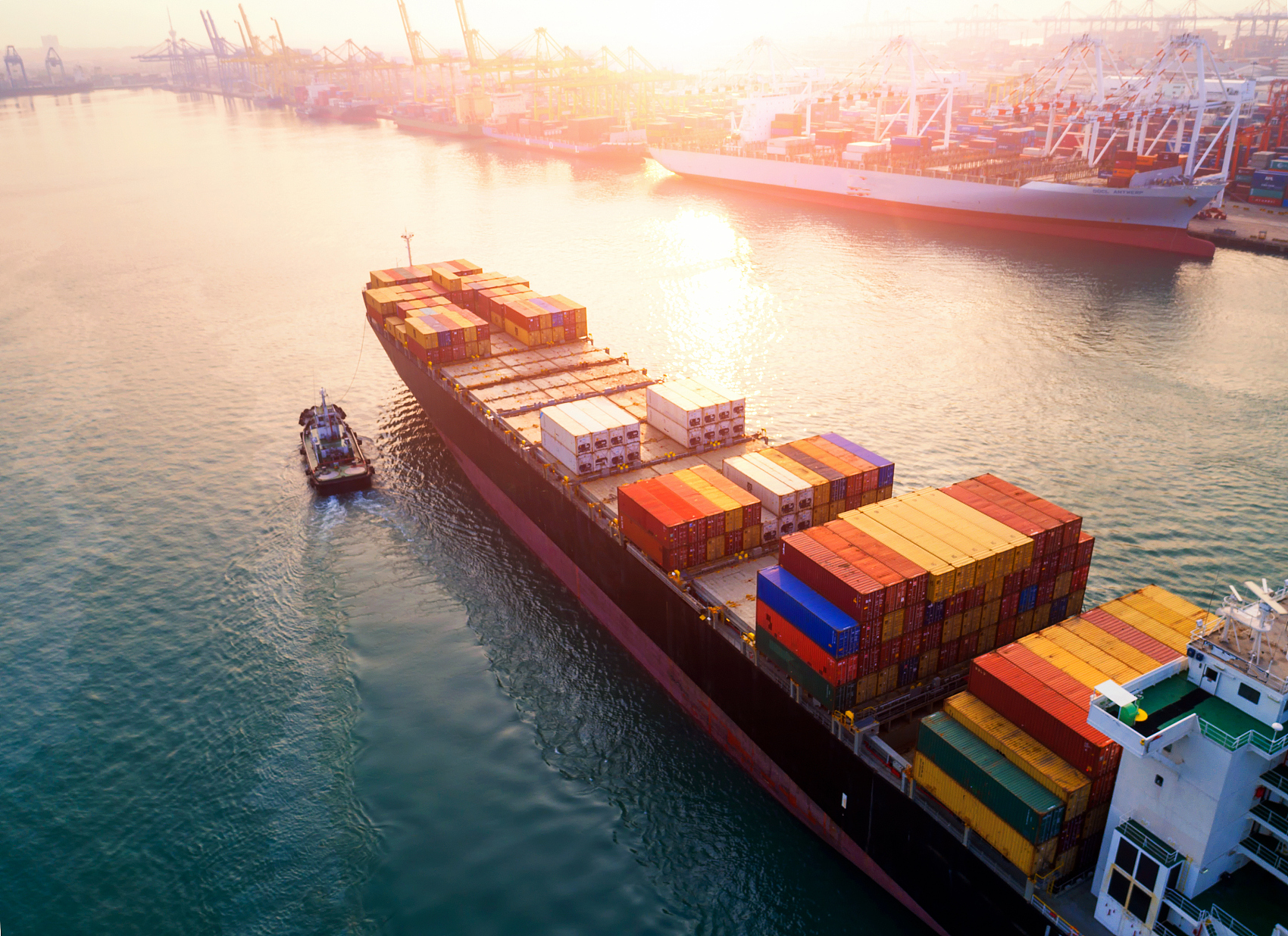
Full Container Load (FCL) shipping involves renting an entire 20ft or 40ft container for your exclusive use. This method is typically faster because the container does not need to be opened for consolidation or deconsolidation at transit hubs. Consequently, FCL is often the preferred choice for established sellers with high-volume inventory turnover.
Less than Container Load (LCL) allows multiple sellers to share space within a single container, paying only for the volume they use. Although LCL is more cost-effective for smaller shipments, it usually involves longer transit times due to the extra handling required. In addition, there is a slightly higher risk of damage or loss because goods are handled more frequently during the consolidation process.
Deciding between these two depends largely on your current stock levels and your budget for sea freight services. For shipments exceeding 15 cubic meters, FCL usually becomes more economical than LCL. Conversely, LCL is perfect for testing new products or maintaining inventory for smaller niche brands.
Key Steps in the Amazon FBA Shipping Process
Initiating the process requires a clear understanding of Amazon’s strict delivery requirements and warehouse protocols. First, you must create a shipping plan in Seller Central to generate the necessary FBA labels for your boxes and pallets. Subsequently, your freight forwarder will coordinate the pickup of goods from your manufacturer in China.
Documentation plays a critical role in ensuring that your cargo passes through customs without unnecessary delays. Therefore, you must ensure that the Commercial Invoice, Packing List, and Bill of Lading are all accurately prepared. Professional customs brokerage services can be invaluable during this stage to navigate complex tariff codes.
Once the vessel arrives at the destination port, the cargo must be cleared and transported to a local warehouse for palletization. Afterward, an appointment must be scheduled through Amazon’s Carrier Central for the final delivery. Without a doubt, coordinating these steps requires a partner who understands the nuances of the Amazon ecosystem.
Transit Times and Port Selection for Sea Freight
Geographic location significantly influences the total time your goods spend in transit from China to their final destination. For instance, shipping from Shenzhen to Los Angeles is much faster than shipping from Shanghai to New York via the Panama Canal. Accordingly, choosing the right port of loading and discharge can save you weeks of lead time.
Seasonal fluctuations, such as the period leading up to the Lunar New Year or the Q4 peak season, can also impact schedules. Meanwhile, port congestion in major hubs like Long Beach or Rotterdam can lead to unexpected delays in offloading. Indeed, savvy sellers often build a 10-14 day buffer into their supply chain timelines to account for these variables.
Market data suggests that transit times have stabilized in early 2025 compared to the volatility seen in previous years. However, staying informed about global logistics trends remains essential for maintaining a resilient inventory flow.
| Route | Port of Loading | Port of Discharge | Avg. Transit |
|---|---|---|---|
| China to US West Coast | Ningbo/Shanghai | Los Angeles/Long Beach | 14 – 20 Days |
| China to US East Coast | Shenzhen/Xiamen | Savannah/New York | 30 – 38 Days |
| China to Europe | Qingdao/Shanghai | Hamburg/Rotterdam | 32 – 42 Days |
| China to Australia | Guangzhou | Sydney/Melbourne | 12 – 18 Days |
Real Case Studies: Successful Amazon FBA Logistics
Analyzing real-world scenarios helps sellers understand the practical application of different shipping strategies and their associated costs. These examples reflect typical market conditions as of late 2024 and early 2025. By observing these outcomes, you can better estimate your own logistics budget and timeline expectations.
Case Study 1: US West Coast Expansion. A toy seller shipped 18 CBM of goods from Ningbo to Los Angeles using LCL. Total door-to-door transit took 26 days, and the landed cost was $2,450. This allowed the seller to restock before the holiday rush without paying for a full container.
Case Study 2: European Bulk Shipment. A home goods brand utilized a 40HQ container for shipping from Shanghai to Hamburg. Despite a 35-day sea transit, the FCL method reduced their per-unit shipping cost by 40% compared to previous LCL shipments. Consequently, their net profit margin increased by 8% for that quarter.
Case Study 1: Electronics to USA West Coast
Route: Shenzhen, China to Los Angeles, USA. Cargo: Consumer electronics, 12 CBM, 3,500 kg. Container: LCL. Shipping Details: Major carrier, Port of Loading: Shenzhen, Port of Discharge: Los Angeles. Route Type: Direct.
Cost Breakdown: Ocean Freight: $950. Origin Charges: $300. Destination Charges: $550. Customs and Duties: $1,200. Total Landed Cost: $3,000. Timeline: Booking to Loading: 4 days. Sea Transit: 16 days. Customs Clearance: 3 days. Total Door-to-Door: 28 days.
Key Insight: Using a direct route to the West Coast saved the seller significant time and money compared to transshipment options.
Case Study 2: Apparel to UK Fulfillment Center
Route: Shanghai, China to Felixstowe, UK. Cargo: Summer apparel, 28 CBM, 6,000 kg. Container: 20GP. Shipping Details: Major carrier, Port of Loading: Shanghai, Port of Discharge: Felixstowe. Route Type: Direct via Suez Canal.
Cost Breakdown: Ocean Freight: $2,100. Origin Charges: $450. Destination Charges: $600. Customs and Duties: $2,800. Total Landed Cost: $5,950. Timeline: Booking to Loading: 6 days. Sea Transit: 34 days. Customs Clearance: 4 days. Total Door-to-Door: 48 days.
Key Insight: FCL was more secure for high-volume apparel, preventing the wrinkles and moisture damage often associated with LCL handling.
Which Option Should You Choose? Decision Framework
Selecting the right shipping method involves balancing the need for speed against the constraints of your operating budget. If your primary goal is budget priority, then sea freight is almost always the recommended option for shipments over 200 kg. Furthermore, for bulky items like furniture or heavy machinery, sea freight is the only practical choice.
Speed priority dictates a move toward air freight or express services, especially for high-value items or urgent stock-outs. However, many sellers find success with a split-shipping strategy. For example, you might send 10% of your inventory via air to keep the listing active while the remaining 90% travels by sea.
Cargo type considerations also play a role, as hazardous materials or items with batteries may face stricter regulations on planes. In contrast, sea freight is generally more accommodating of diverse product categories. Finally, always consider the volume thresholds where switching from LCL to FCL provides a better return on investment.
Cost-Saving Strategies for Amazon Sellers
Reducing your logistics expenses requires a proactive approach to planning and negotiation with your freight partners. One effective method is to consolidate shipments from multiple suppliers into a single FCL container to avoid LCL fees. Additionally, optimizing your packaging to reduce wasted space can significantly lower your volumetric weight charges.
Negotiating long-term contracts with a reliable North America shipping specialist can provide more stable pricing. Moreover, booking your shipments at least 3-4 weeks in advance helps you secure better rates and guaranteed space on vessels. Indeed, avoiding the last-minute rush during peak seasons is one of the easiest ways to save money.
Utilizing a door to door service can also eliminate hidden middleman fees and streamline the entire billing process. By having a single point of contact, you reduce the administrative overhead associated with managing multiple logistics providers. Consequently, you can focus more energy on marketing and product development.
Mastering Your Amazon FBA Logistics
Successfully navigating amazon fba shipping china by sea is a vital skill for any serious e-commerce entrepreneur. By understanding the differences between FCL and LCL, and by choosing the right ports, you can significantly impact your bottom line. Furthermore, partnering with experienced logistics providers ensures that your inventory arrives safely and in compliance with Amazon’s strict standards.
As market conditions evolve in 2025, staying adaptable and informed will be your greatest competitive advantage. Remember that while cost is important, reliability and transit time consistency are equally crucial for maintaining high seller ratings. With the right strategy, your shipping process can transform from a headache into a powerful engine for business growth.
Ready to streamline your logistics?
Ready to streamline your amazon fba shipping china by sea operations? Contact the experts at DSV-Freight today to receive a customized quote and expert guidance for your next shipment. Visit our website to learn how we can optimize your global supply chain and help your Amazon business thrive in 2025. Send Inquiry: https://dsv-freight.com/contact/
Request Quote