
China to Australia Import Shipping Logistics Company: 2026 Guide
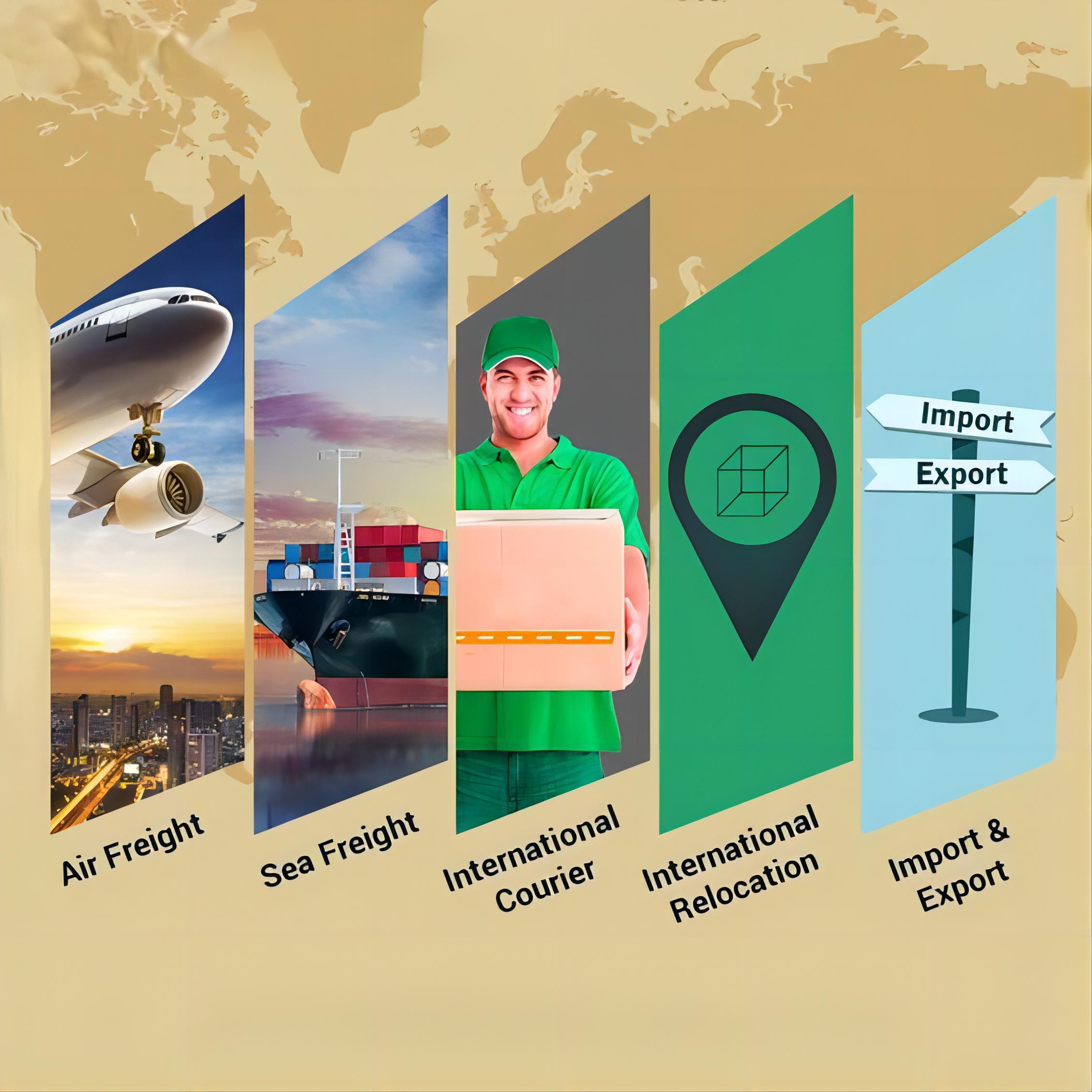
Partnering with a reliable china to australia import shipping logistics company is essential for businesses navigating the 2026 trade landscape. Whether you are scaling an e-commerce brand or managing industrial supply chains, efficient freight solutions ensure your cargo arrives on time and within budget. This guide explores the most effective strategies for moving goods from Chinese manufacturing hubs to Australian ports while minimizing costs and delays.

What to Look for in a China to Australia Import Shipping Logistics Company
Selecting the right logistics partner requires a deep understanding of the specific trade lane between China and Oceania. Consequently, you should prioritize companies that demonstrate a strong presence in major Chinese ports like Shenzhen, Ningbo, and Shanghai.
Furthermore, a professional logistics provider must offer comprehensive end-to-end visibility. This allows importers to track their cargo in real-time, which is crucial for maintaining inventory levels in a fast-paced market.
Reliability in 2026 depends heavily on a company’s ability to navigate fluctuating fuel surcharges and port congestion. Therefore, choosing a partner with established carrier relationships can secure more stable pricing and space allocations.
Moreover, the ideal company should provide localized support in both China and Australia. This ensures that communication remains seamless across different time zones and cultural business practices.
Primary Shipping Methods for Australian Imports
Importers generally choose between two main transport modes based on their budget and urgency. Specifically, sea freight remains the most popular choice for bulk commodities and large consumer goods due to its cost-effectiveness.
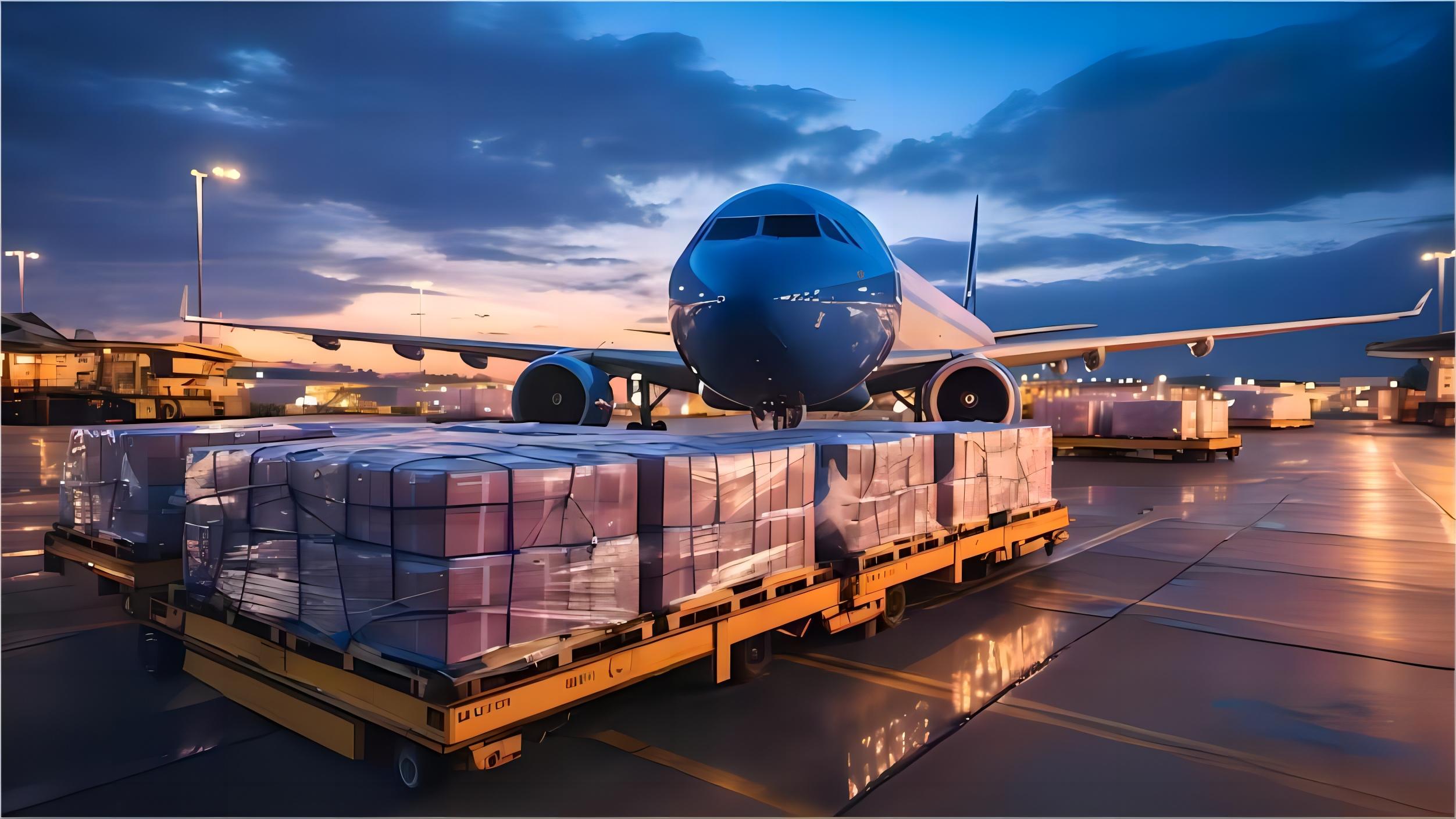
On the other hand, air freight provides the speed necessary for high-value electronics or urgent restocks. While more expensive, the reduced transit time can significantly improve cash flow for many businesses.
Additionally, many companies now utilize hybrid models to balance speed and cost. These solutions often combine different transport modes to bypass specific bottlenecks in the supply chain during peak seasons.
Finally, for smaller parcels or samples, Express Service offers a streamlined door-to-door solution. This method simplifies the process by including customs handling within the service fee.
| Method | Transit Time | Cost Level | Best For |
|---|---|---|---|
| Sea Freight (FCL) | 12-18 Days | Low | Bulk Goods |
| Sea Freight (LCL) | 15-22 Days | Moderate | Small Pallets |
| Air Freight | 3-7 Days | High | Urgent Cargo |
| Express Courier | 2-5 Days | Premium | Small Samples |
How Does Sea Freight Compare to Other Shipping Options?
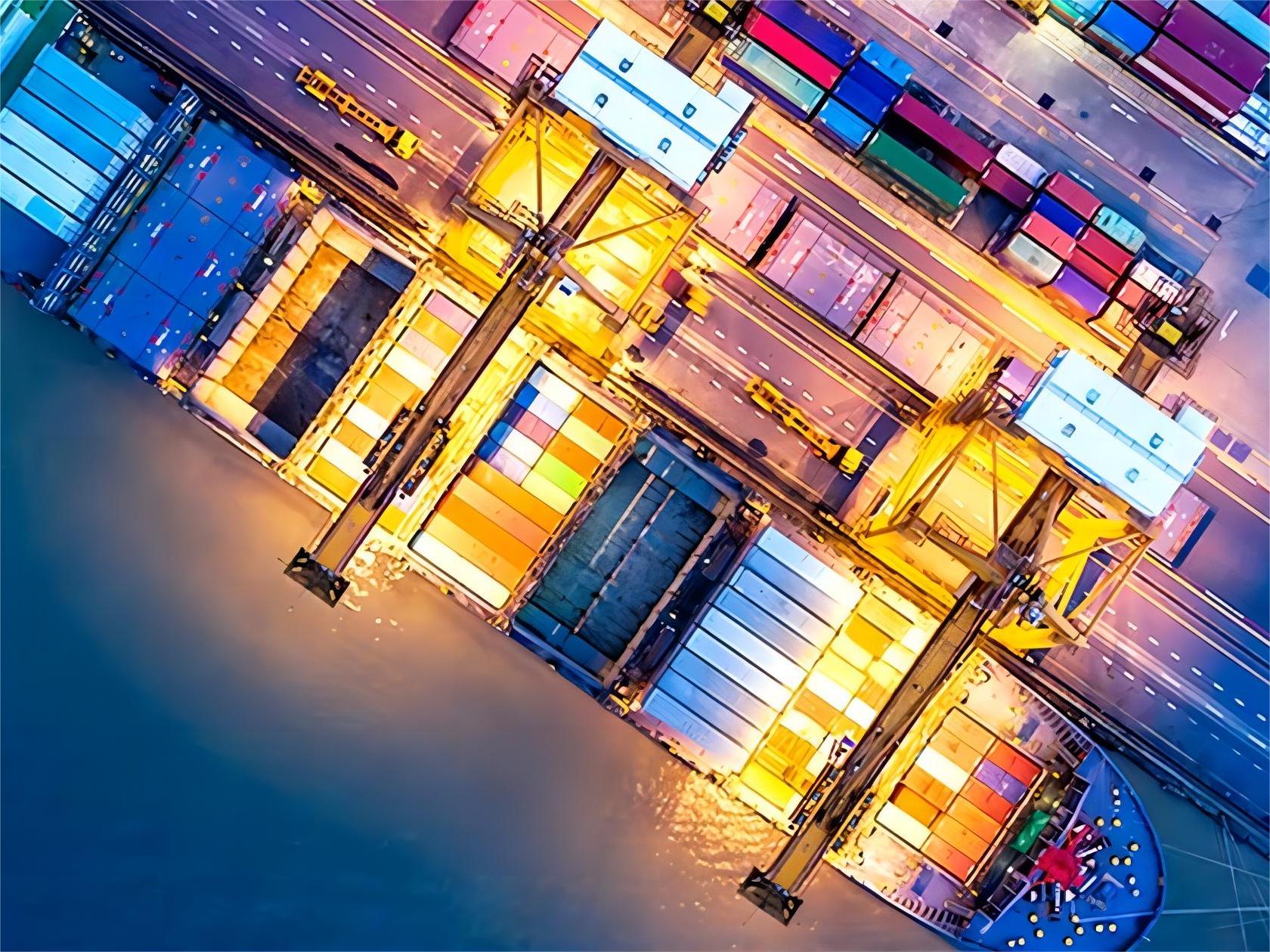
Analyzing the trade-offs between different shipping methods is vital for optimizing your logistics budget. For instance, sea freight offers a massive capacity advantage, allowing for the transport of heavy machinery that would be cost-prohibitive via air.
In contrast, air freight avoids the long lead times associated with ocean transit. This is particularly important for seasonal products where a delay of two weeks could result in lost sales opportunities.
Moreover, sea freight pricing is often more stable over long periods compared to the volatile rates of the air cargo market. Importers can often lock in contract rates for ocean containers to ensure predictable landed costs.
However, sea freight requires more rigorous packaging to protect against moisture and handling during the longer journey. Businesses must account for these additional material costs when comparing total logistics expenses.
| Strategy | Cost Impact | Time Impact | Suitability |
|---|---|---|---|
| Direct Shipping | +15% Cost | -5 Days | Time-sensitive |
| Transshipment | -10% Cost | +6 Days | Budget-focused |
| Consolidated LCL | -20% Cost | +3 Days | Small volumes |
| Sea-Air Hybrid | Medium | Medium | Mid-tier value |
Cost-Saving Strategies for 2026 Imports
Reducing logistics expenses requires a proactive approach to shipment planning. One effective method is to utilize Door to Door services that bundle all costs into a single quote, preventing hidden fees.
Furthermore, optimizing your container loading can lead to significant savings. Moving from LCL to FCL even with a partially full 20GP container is often cheaper once you exceed 15 cubic meters.
Additionally, booking your shipments at least 3-4 weeks in advance can help you secure lower ‘Early Bird’ rates. Last-minute bookings in 2026 often carry a premium price tag due to limited equipment availability.
Another strategy involves consolidating shipments from multiple suppliers into a single container. This reduces the fixed costs associated with documentation and port handling at both the origin and destination.
Navigating Customs and Australian Regulations
Compliance with Australian Border Force regulations is non-negotiable for successful importing. Specifically, engaging a professional Customs Brokerage ensures that your goods are classified correctly under the Harmonized System codes.
Consequently, accurate classification prevents overpaying on duties and avoids costly delays or fines. Australia has strict biosecurity laws, meaning wood packaging must be treated and certified before arrival.
Moreover, the China-Australia Free Trade Agreement (ChAFTA) provides duty-free access for many goods. However, you must provide a valid Certificate of Origin to claim these benefits during the clearance process.
Indeed, failing to prepare the necessary paperwork can lead to storage charges at the port. These ‘demurrage’ fees can quickly erode the profit margins of your imported products if not managed carefully.
| Document | Purpose | Source | Requirement |
|---|---|---|---|
| Commercial Invoice | Value declaration | Supplier | Mandatory |
| Packing List | Cargo details | Supplier | Mandatory |
| Bill of Lading | Title of goods | Carrier | Mandatory |
| ChAFTA CoO | Duty reduction | Manufacturer | Optional |
Real Case Studies for China to Australia Routes
Case Study 1: Shenzhen to Sydney Office Furniture. A furniture retailer imported a 40HQ container of ergonomic chairs. By using a direct sea route, they achieved a transit time of 14 days with a total landed cost of 1,850 USD including origin charges. The key insight was that Q1 2026 rates remained stable compared to the volatile Q4 2025 peak.
Case Study 2: Ningbo to Melbourne Apparel. An e-commerce brand moved 5 CBM of fashion items via LCL. The shipping cost was 520 USD with a transit time of 19 days. Using a consolidated service allowed them to maintain stock levels without the high cost of air freight. Typical rates as of early 2026 show LCL remains the best entry point for small businesses.
Case Study 3: Shanghai to Brisbane Electronics. A medical supplier required urgent delivery of diagnostic equipment. They chose air freight, costing 4,200 USD for 600kg. The cargo arrived in 4 days, allowing the hospital to meet a critical deadline. This highlights when speed outweighs the premium cost of air logistics.
Note: Freight rates are subject to change based on fuel costs, carrier capacity, and seasonal demand. Contact us for a current quote tailored to your specific shipment.
Which Option Should You Choose?
Deciding on the best logistics path depends on your specific business priorities. If your primary goal is budget optimization, sea freight is the clear winner for shipments over 100kg.
In contrast, if you are launching a new product with high market demand, air freight ensures you don’t miss the initial sales window. Speed often justifies the cost in high-margin industries.
Specifically, for those shipping from China to Australia regularly, building a relationship with a single logistics provider offers the best long-term value. They can provide tailored advice as market conditions change throughout 2026.
Ultimately, the best strategy often involves a mix of methods. Use sea freight for your core inventory and air freight for emergency restocks to maintain a resilient supply chain.
Mastering Your Australia Import Logistics
Successfully navigating the route from China to Australia requires more than just choosing the cheapest rate. It involves a strategic partnership with a china to australia import shipping logistics company that understands the nuances of customs, transit times, and local delivery.
Furthermore, staying informed about 2026 market trends and utilizing cost-saving strategies like consolidation can significantly impact your bottom line. By prioritizing reliability and compliance, you ensure that your business remains competitive in the global marketplace.
Get Your Shipping Quote Today
Streamline your supply chain today by partnering with an expert china to australia import shipping logistics company. Contact our team for a personalized freight quote and professional customs advice. Visit our inquiry page to get started with your 2026 shipping strategy.
Request Quote