
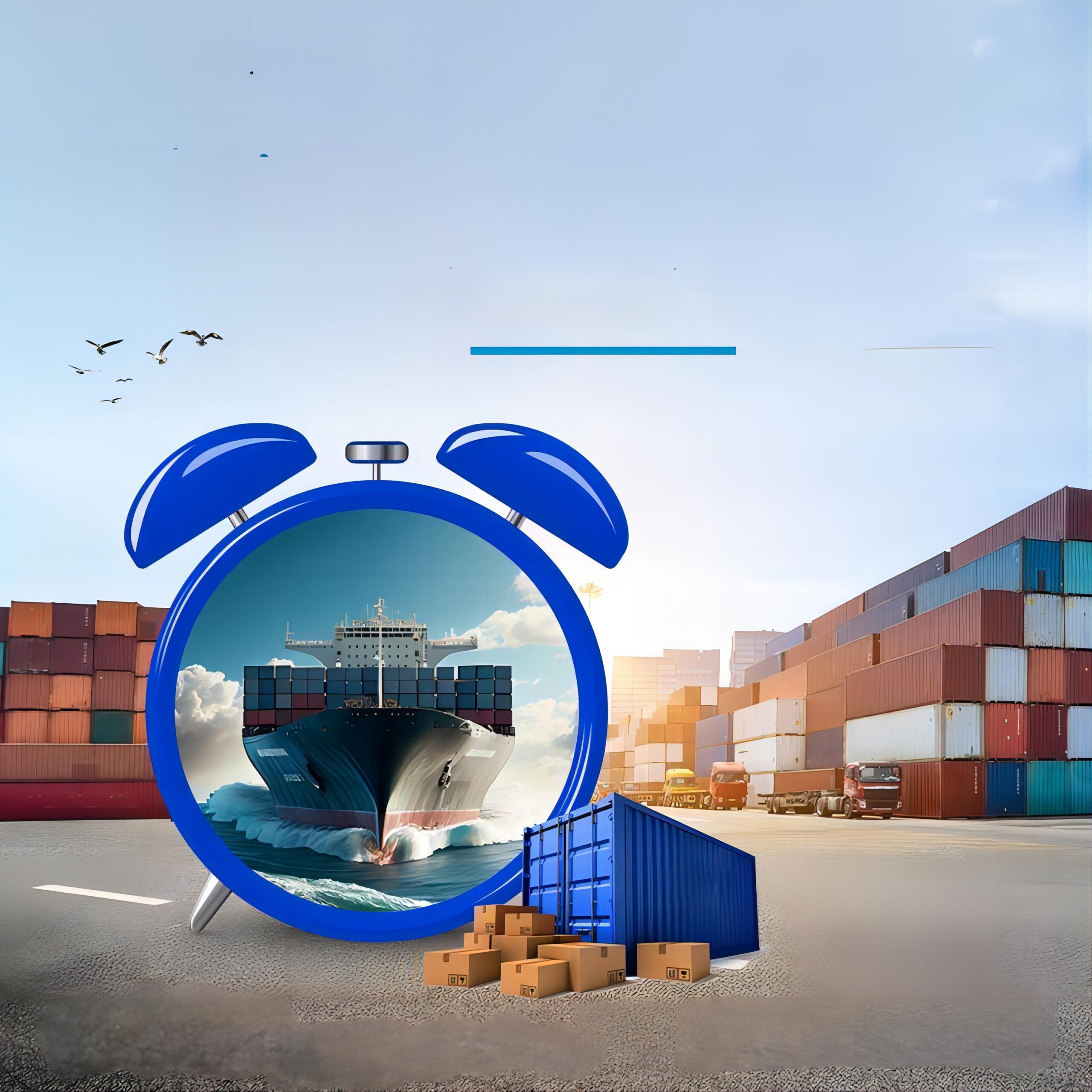
China to Chile DDP Shipping Cost Container Air Freight 2026 Guide
Navigating the complexities of international trade requires precise data and reliable partners. When calculating the china to chile ddp shipping cost container air freight, businesses must account for fluctuating fuel prices and seasonal demand shifts in 2026. This comprehensive guide provides the essential market intelligence needed to optimize your South American supply chain efficiently.
Understanding DDP Shipping from China to Chile in 2026
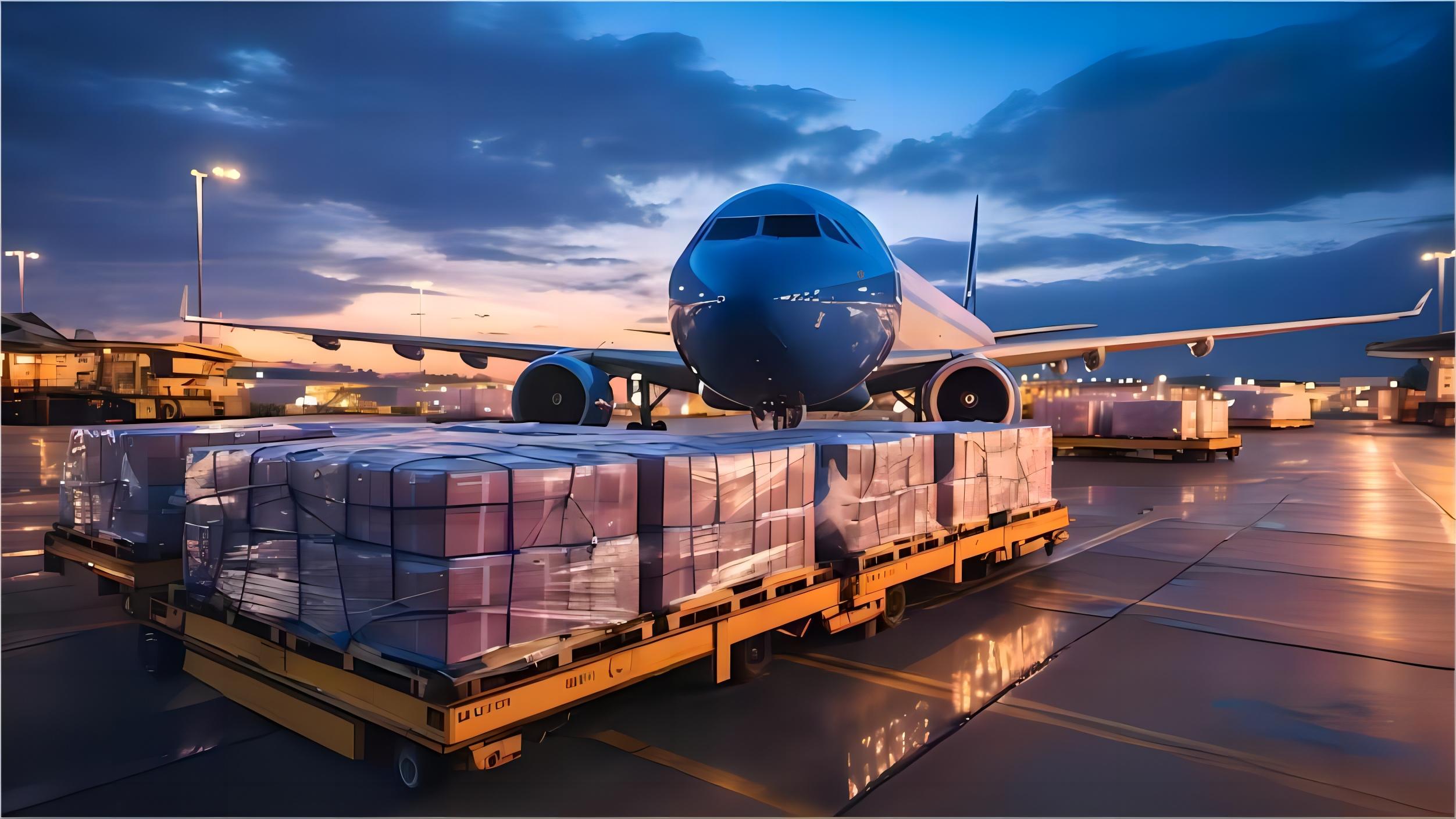
Delivered Duty Paid (DDP) remains the most convenient incoterm for importers who prefer a hands-off approach. Under this agreement, the seller assumes all responsibility for transporting goods, including paying duties and taxes at the Chilean border. Consequently, the buyer simply waits for the cargo to arrive at their specified warehouse or storefront.
Moreover, this method provides total cost transparency from the outset of the transaction. You avoid unexpected fees that often arise during customs clearance in ports like Valparaiso or San Antonio. Therefore, many e-commerce businesses and retailers choose this option to maintain predictable profit margins throughout the fiscal year.
China to Chile DDP Shipping Cost: Air Freight Analysis
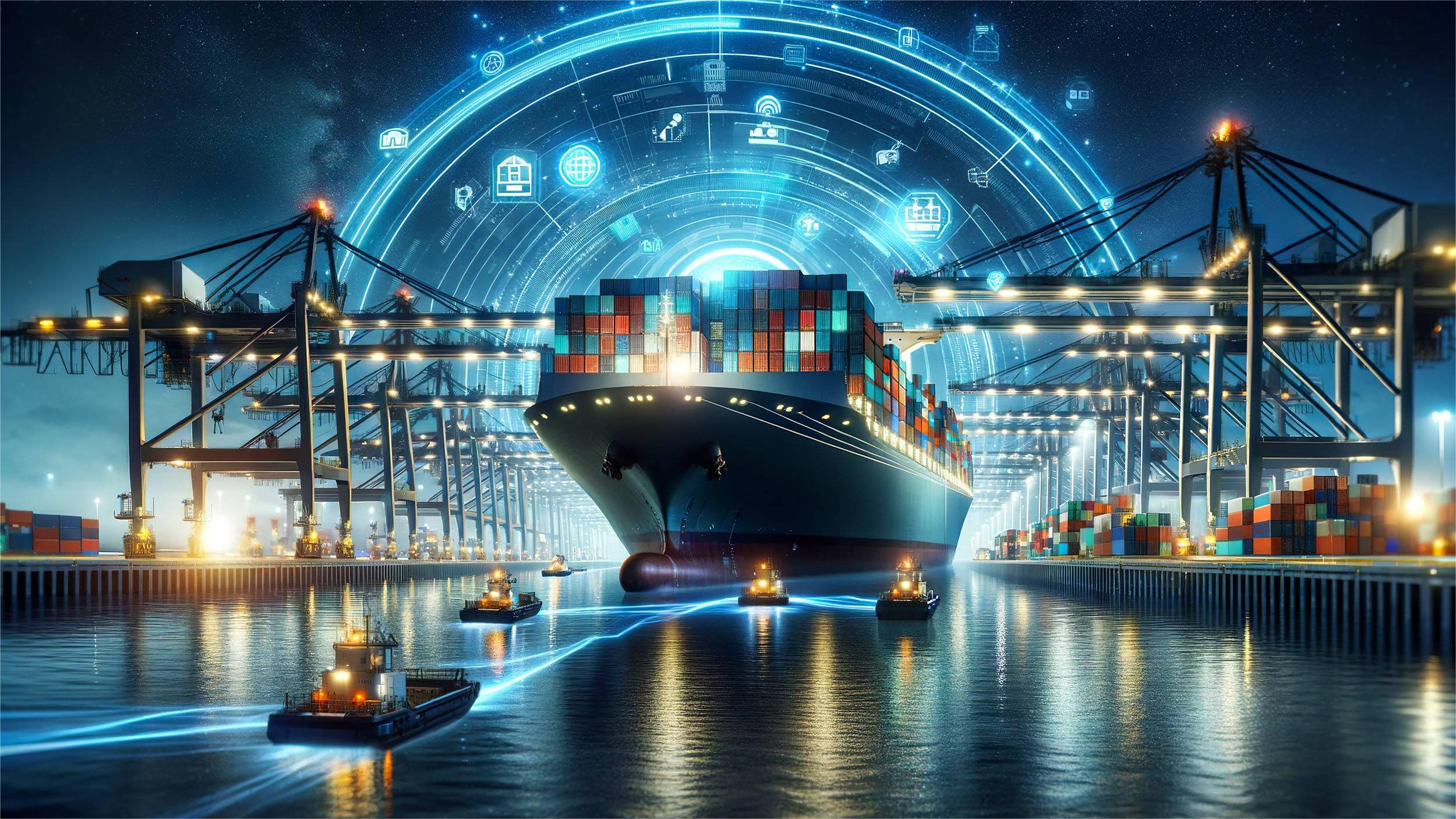
Air freight represents the premium choice for businesses prioritizing speed over lower expenses. As of early 2026, market rates for air freight from major Chinese hubs to Santiago range between 6.50 and 12.00 USD per kilogram. These prices fluctuate based on the volume of the shipment and the specific urgency of the delivery schedule.
Specifically, high-value electronics and seasonal fashion items frequently utilize this mode of transport. While the cost is significantly higher than maritime options, the reduced transit time minimizes inventory holding costs. Additionally, you can utilize express service for smaller parcels that require delivery within 3 to 5 business days.
Sea Freight Container Costs: FCL and LCL Options
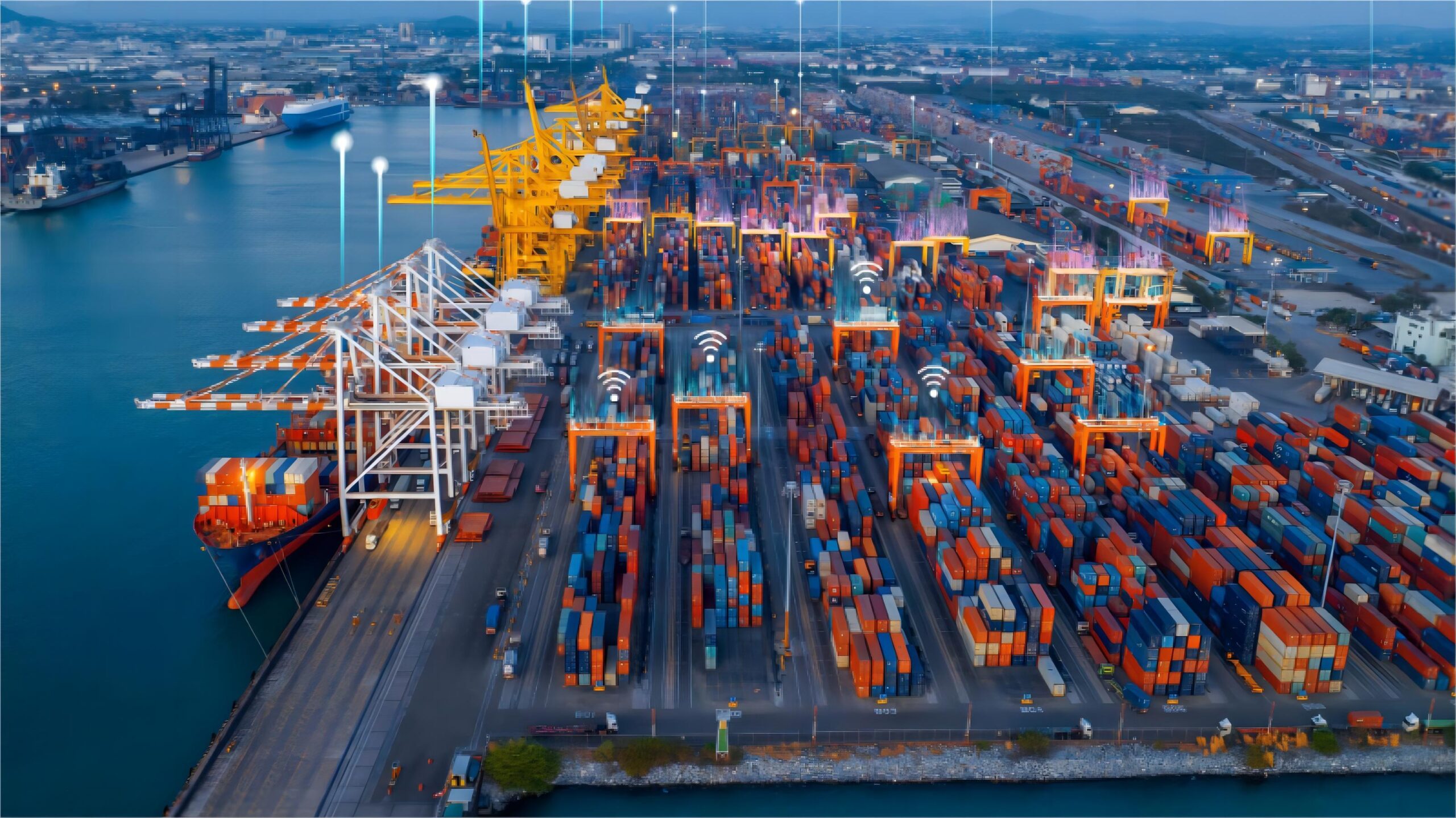
Maritime logistics offer the most economical way to move large volumes of goods across the Pacific. For full container loads (FCL), a 20GP container currently costs between 2,800 and 3,500 USD, while a 40HQ container ranges from 4,000 to 5,500 USD. These sea freight rates include the base ocean freight plus current fuel surcharges and port handling fees.
Alternatively, Less than Container Load (LCL) is ideal for shipments that do not fill an entire 20-foot unit. In this scenario, you pay only for the space your cargo occupies, typically measured in cubic meters (CBM). Prices for LCL DDP services to Chile generally fall between 120 and 250 USD per CBM depending on the origin city in China.
| Container Type | Average Cost (USD) | Capacity (CBM) | Best For |
|---|---|---|---|
| 20GP FCL | $2,800 – $3,500 | 28-30 CBM | Heavy machinery |
| 40GP FCL | $3,800 – $4,800 | 56-58 CBM | General consumer goods |
| 40HQ FCL | $4,000 – $5,500 | 65-68 CBM | Light bulky items |
| LCL (per CBM) | $120 – $250 | Variable | Small business orders |
How Does DDP Compare to Other Shipping Options?
Choosing between DDP and other incoterms like CIF or FOB depends on your internal logistics capabilities. While DDP is more expensive upfront, it eliminates the need for the importer to manage complex Chilean customs paperwork. In contrast, FOB requires you to handle everything once the goods leave the Chinese port, which can lead to delays if you lack experience.
Furthermore, hybrid solutions like sea-air combinations are gaining traction for South American routes. These services involve shipping goods by sea to a mid-way hub and then flying them to Santiago to balance cost and speed. Nevertheless, for most standard imports, a direct DDP sea or air route remains the most straightforward strategy.
| Shipping Method | Cost Range | Transit Time | Limitations |
|---|---|---|---|
| Air Freight | $6.50 – $12.00/kg | 5-9 Days | Weight restrictions |
| Sea Freight FCL | $2,800 – $5,500 | 30-45 Days | Slow transit |
| Sea Freight LCL | $120 – $250/CBM | 35-50 Days | Higher handling risk |
| Express Courier | $15.00 – $25.00/kg | 3-5 Days | Very high cost |
Navigating Customs and Documentation for Chile
Chilean customs regulations are strict regarding product labeling and valuation accuracy. When utilizing a customs brokerage service, you ensure that all Commercial Invoices and Packing Lists comply with local laws. This prevents costly fines and storage fees that accrue when cargo is held at the terminal.
Specifically, certain items like textiles and electronics may require additional certifications or import permits. Your freight forwarder should verify these requirements before the cargo departs from China. Indeed, proactive documentation management is the most effective way to ensure a smooth transition through the Port of Valparaiso.
Door to Door Logistics: The Ultimate Convenience
Implementing a door to door strategy removes the burden of local drayage and final-mile delivery. Once the container is unloaded at the Chilean port, the logistics provider arranges for truck transport directly to your warehouse. This seamless integration reduces the risk of cargo damage during multiple handovers.
Consequently, businesses can focus on sales and marketing rather than tracking individual shipments across different carriers. Most DDP quotes already include these local delivery charges, providing a truly landed cost for your inventory. Therefore, this model is highly recommended for companies without their own dedicated logistics department.
Real-World Case Studies: China to Chile Shipments
Case Study 1: Electronics Distribution. Route: Shenzhen to Santiago. Cargo: 450 kg of high-end tablets. Method: Air Freight DDP. Total Landed Cost: $5,100. Transit Time: 7 days. Key Insight: Using DDP allowed the client to meet a product launch deadline without worrying about customs delays.
Case Study 2: Retail Furniture. Route: Ningbo to Valparaiso. Cargo: 40HQ container of home decor. Method: Sea Freight FCL DDP. Total Landed Cost: $6,200 (including duties). Transit Time: 42 days. Key Insight: Booking 4 weeks in advance secured a lower rate before the Q3 peak season surge.
Which Option Should You Choose? A Decision Framework
Budget priority dictates a move toward sea freight FCL if you have at least 15 CBM of goods. For smaller volumes, LCL is the logical choice to keep costs manageable. However, if your inventory turnover is high and the products are lightweight, air freight may actually be more profitable due to faster cash flow cycles.
Cargo type also plays a critical role in your selection process. Fragile or perishable items often require the stability and speed of air transport. Conversely, bulk raw materials and large machinery are almost exclusively shipped via ocean containers to maintain economic viability. Always consult with a freight expert to evaluate the specific trade-offs for your 2026 shipping plan.
Final Thoughts on Shipping to Chile
Mastering the china to chile ddp shipping cost container air freight requires a balance of timing, method selection, and regulatory knowledge. By utilizing 2026 market data and choosing the right incoterms, you can significantly reduce your overhead. Whether you opt for the speed of air or the volume of sea freight, DDP remains the gold standard for hassle-free importing.
Note: Freight rates are subject to change based on fuel costs, carrier capacity, and seasonal demand. Contact us for a current quote tailored to your specific shipment.

Ready to streamline your logistics?
Take the stress out of your South American imports today. Contact us for a precise quote on your china to chile ddp shipping cost container air freight and let our experts handle the logistics for you. Send Inquiry: https://dsv-freight.com/
Request Quote