
Container Shipping China FCL LCL Global Freight Rates: 2026 Guide
Navigating the complexities of container shipping China FCL LCL global freight rates remains a top priority for international businesses in 2026. At DSV-Freight, we provide the expertise needed to streamline your supply chain and optimize logistics costs. Understanding current market trends and pricing structures allows importers to make informed decisions that impact their bottom line directly. This guide explores the essential factors influencing ocean freight today while offering actionable strategies for your cargo handling needs.

Understanding the Fundamentals of FCL and LCL Shipping
Full Container Load (FCL) involves renting an entire container for your goods exclusively. Consequently, this method is often preferred for large volumes due to its security and speed. Most businesses choose sea freight in FCL format when shipping more than 15 cubic meters of cargo.
Less than Container Load (LCL) allows multiple shippers to share space within a single container. This approach is highly cost-effective for smaller shipments that do not require a full 20-foot or 40-foot unit. However, LCL typically involves longer transit times because of the consolidation and deconsolidation processes at the ports.
Choosing between these two depends heavily on your specific cargo handling requirements and budget constraints. Furthermore, FCL often results in lower risks of damage since the container is sealed from the point of origin until it reaches its final destination. In contrast, LCL cargo is handled more frequently during the loading and unloading phases.
Global Freight Rates Trends and Market Intelligence for 2026
Current market data suggests that freight rates have stabilized significantly following the disruptions seen in previous years. As of Q1 2026, the industry has adapted to new environmental regulations and technological advancements in vessel efficiency. Therefore, shippers can expect more predictable pricing compared to the volatility experienced during the mid-2020s.
Seasonal patterns still play a major role in determining the final cost of shipping. For instance, rates typically increase by 15 to 25 percent during the peak season from August to October. Consequently, booking your shipments well in advance can help mitigate these price hikes and ensure space on desired vessels.
Industry benchmarks indicate that fuel surcharges remain a variable factor in the total landed cost. Meanwhile, carriers are increasingly utilizing digital platforms to provide real-time updates on delivery schedules and vessel availability. This transparency helps businesses manage their inventory more effectively across the global supply chain.
| Destination Route | 20GP Container | 40HQ Container | Transit Time |
|---|---|---|---|
| China to USA West Coast | $1,600 – $2,300 | $2,900 – $3,900 | 14 – 18 Days |
| China to Europe (Base Ports) | $1,900 – $2,600 | $3,100 – $4,300 | 28 – 35 Days |
| China to Australia | $850 – $1,300 | $1,500 – $2,100 | 12 – 20 Days |
| China to UK | $2,100 – $2,900 | $3,600 – $4,600 | 30 – 38 Days |
How Container Shipping China FCL LCL Global Freight Rates Compare to Other Shipping Options
Evaluating alternative transport modes is crucial for optimizing your logistics strategy. While ocean freight is the most economical for bulk goods, air freight offers unmatched speed for time-sensitive electronics or fashion items. Indeed, the choice often comes down to a trade-off between cost and urgency.
Rail freight has emerged as a viable middle ground for shipments moving from China to Europe. It offers faster transit times than the sea while remaining significantly cheaper than air transport. Nevertheless, rail is not an option for routes to North America or Australia due to geographical limitations.
Hybrid solutions like sea-air combinations are also gaining popularity in 2026. These strategies involve shipping goods by sea to a major hub and then completing the journey via air to save time. Such approaches are ideal when you need to balance a strict budget with a tight delivery schedule.
| Shipping Method | Cost Range | Transit Time | Best For |
|---|---|---|---|
| Sea Freight (FCL) | Low | 25 – 45 Days | Bulk Goods |
| Air Freight | High | 3 – 7 Days | Urgent Cargo |
| Rail Freight | Medium | 15 – 22 Days | Mid-value items |
| Express Service | Very High | 2 – 5 Days | Small Samples |

Which Option Should You Choose for Your Business?
Determining the best shipping method requires a clear understanding of your volume thresholds and budget priorities. If your shipment is under 15 cubic meters, LCL is generally the most economical choice. On the other hand, shipments exceeding this volume usually justify the cost of an FCL 20-foot container.
Cargo type considerations also play a vital role in your decision-making process. Fragile or high-value goods may benefit from the reduced handling of FCL or the speed of air transport. Additionally, businesses focused on sustainability might prefer rail or sea freight due to their lower carbon footprint per ton-mile.
Speed priority often dictates the use of air or express services regardless of the higher cost. However, if your supply chain can accommodate longer lead times, sea freight remains the gold standard for global trade. Always factor in the total landed cost, including duties and taxes, when comparing different logistics options.
Real-World Case Studies for 2026 Logistics Success
Case Study 1: Electronics Distribution to North America. Origin: Shenzhen, China. Destination: Los Angeles, USA. Cargo: Consumer electronics, 28 CBM, 4,500 kg. Container: 40GP. Shipping Method: FCL Sea Freight. Ocean Freight: $3,200. Origin Charges: $450. Destination Charges: $600. Customs and Duties: $1,200. Total Landed Cost: $5,450. Sea Transit: 16 days. Total Door-to-Door: 22 days. Key Insight: Utilizing a direct route to the West Coast saved 5 days compared to transshipment options.
Case Study 2: Furniture Import to Europe. Origin: Ningbo, China. Destination: Hamburg, Germany. Cargo: Office furniture, 12 CBM, 2,800 kg. Container: LCL. Shipping Method: Sea Freight. Ocean Freight: $1,100 ($91 per CBM). Origin Charges: $300. Destination Charges: $400. Customs and Duties: $850. Total Landed Cost: $2,650. Sea Transit: 32 days. Total Door-to-Door: 40 days. Key Insight: Consolidating LCL cargo during the off-peak season reduced ocean freight costs by 12 percent.
Case Study 3: Industrial Machinery to Australia. Origin: Shanghai, China. Destination: Sydney, Australia. Cargo: Spare parts, 5 CBM, 1,200 kg. Container: LCL. Shipping Method: Sea Freight. Ocean Freight: $650. Total Landed Cost: $1,950. Transit Time: 18 days. Key Insight: Accurate documentation prevented customs delays, ensuring the delivery schedule was met exactly as planned.
Optimizing Your Supply Chain and Customs Clearance
Effective customs management is essential for avoiding costly delays at the port of discharge. Working with an experienced customs brokerage ensures that all paperwork, including the Bill of Lading and Commercial Invoice, is accurate. Consequently, your goods can move through the inspection process without unnecessary interruptions.
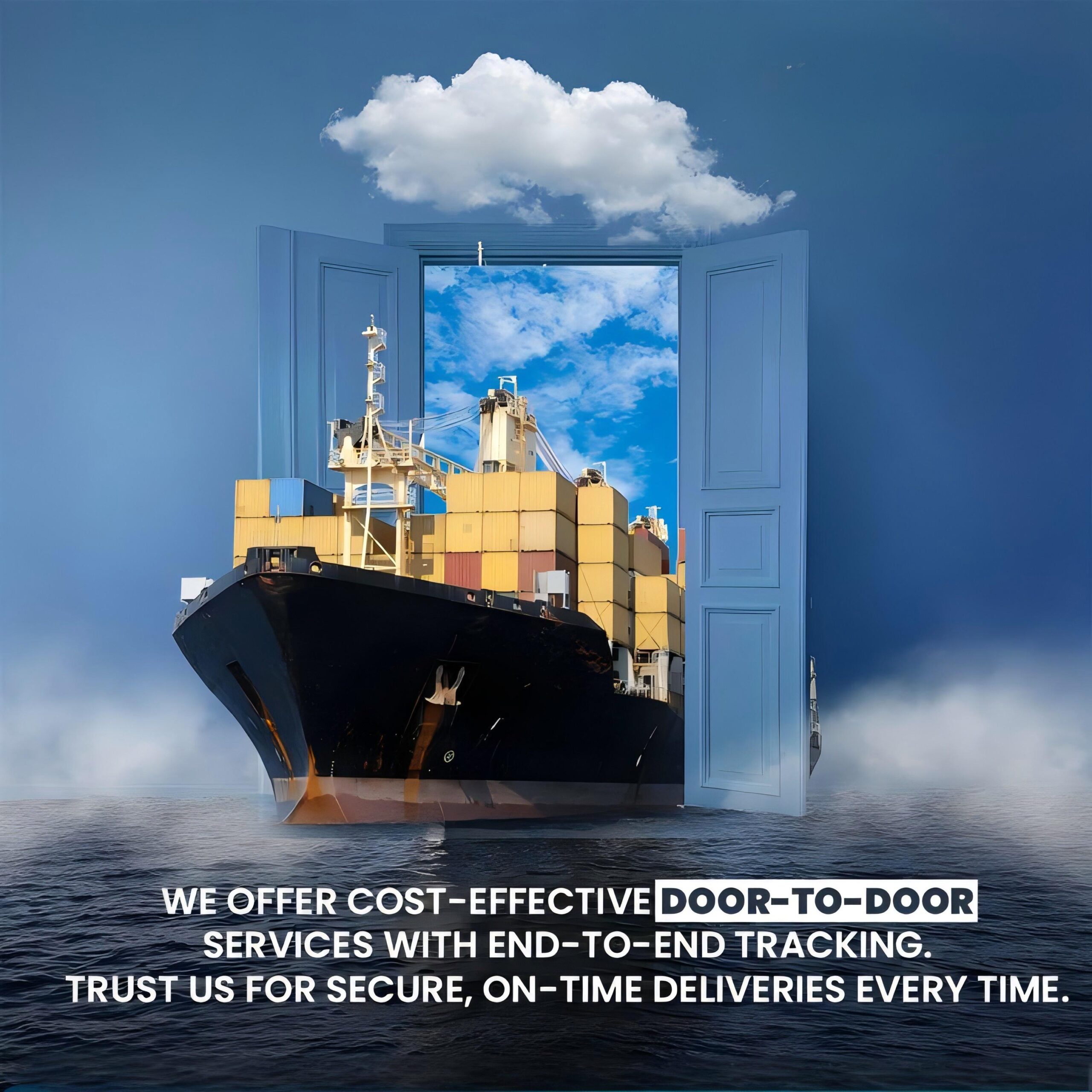
Door-to-door services provide a seamless experience by managing every step of the journey from the factory floor to the final warehouse. By choosing a door to door solution, you reduce the administrative burden on your team. Moreover, this integrated approach often leads to better coordination between local trucking and international carriers.
Logistics trends in 2026 emphasize the importance of real-time tracking and visibility. Furthermore, advanced software now allows shippers to monitor cargo handling at every major transition point. This data is invaluable for identifying bottlenecks and improving the overall efficiency of your global trade operations.
Navigating the 2026 Peak Season and Regional Challenges
Shipping from China to North America requires careful planning during the holiday rush. Typically, port congestion increases in late Q3, leading to potential delays in the delivery schedule. Therefore, businesses should consider diversifying their ports of entry to avoid the busiest hubs like Long Beach or Savannah.
Regional geopolitical factors continue to influence global freight rates and route availability. For instance, shifts in trade agreements may impact the customs duties applicable to certain categories of goods. Meanwhile, infrastructure improvements in Southeast Asian transshipment ports are providing more options for rerouting cargo when necessary.
Market intelligence suggests that staying flexible with your shipping dates can lead to significant savings. If your production schedule allows, moving cargo just a week before or after peak demand periods can lower your ocean freight costs. Additionally, maintaining a strong relationship with your freight forwarder provides access to priority space during high-demand cycles.
Mastering Your Global Logistics Strategy
In summary, understanding the dynamics of container shipping China FCL LCL global freight rates is the key to a successful import business in 2026. By carefully choosing between FCL and LCL, monitoring market trends, and utilizing professional services, you can ensure your cargo arrives safely and on time.
Freight rates will always fluctuate, but a proactive approach to logistics management provides a competitive advantage. Remember to factor in all costs, from ocean freight to customs brokerage, to determine the true landed cost of your products. With the right strategy and a reliable partner, navigating the world of global trade becomes a streamlined and profitable endeavor.

Get Your Shipping Quote Today
Ready to optimize your international logistics? Contact our expert team today for a personalized quote on container shipping China FCL LCL global freight rates. Visit DSV-Freight to start your inquiry and secure the best market rates for your 2026 shipments. Send Inquiry: info@dsv-freight.com
Request Quote