
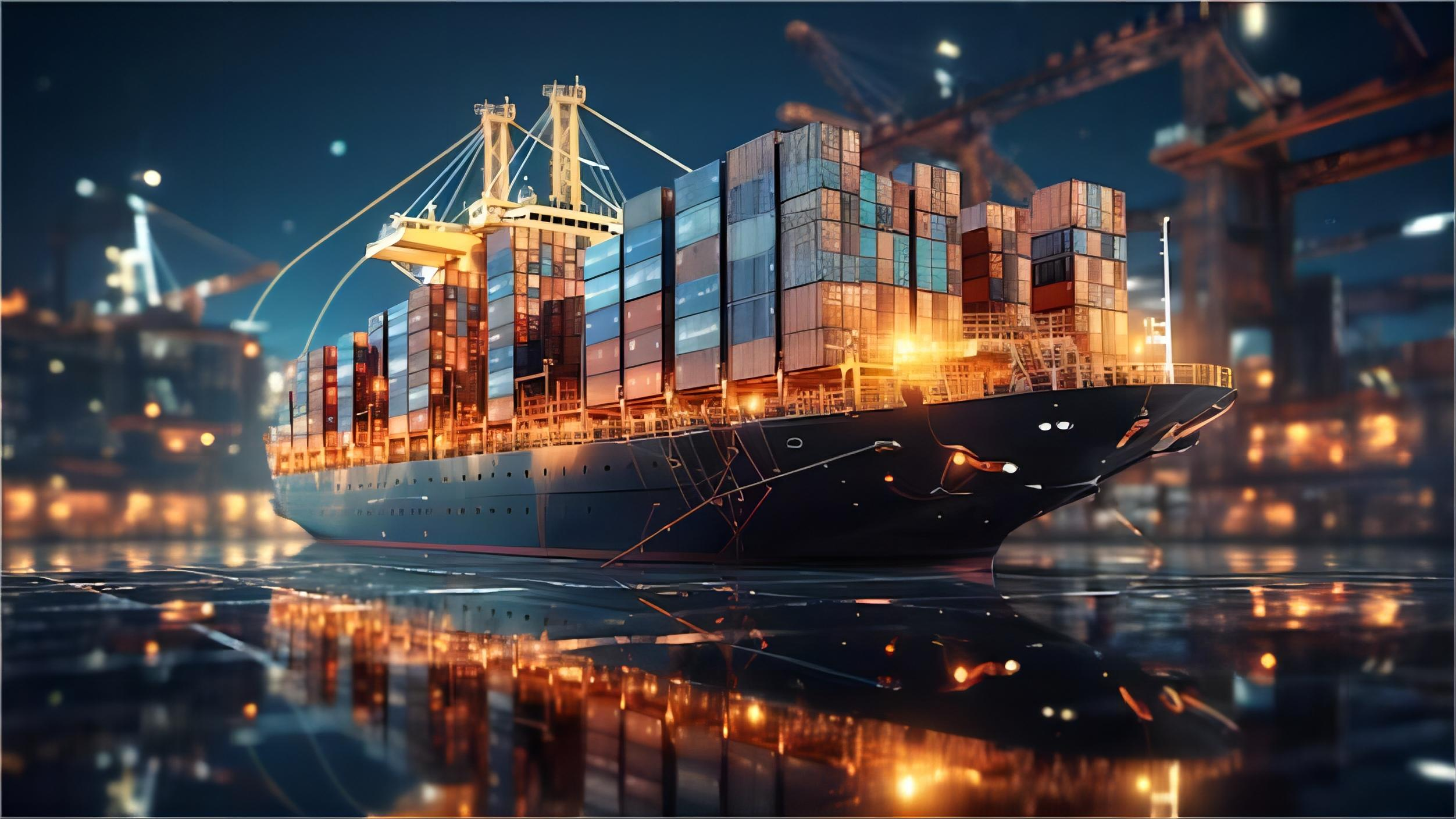
China to Brazil Sea Freight Container Shipping Cost FCL LCL Guide 2026
Successfully managing international trade between Asia and South America requires a deep understanding of the china to brazil sea freight container shipping cost fcl lcl to maintain healthy profit margins. Many importers face challenges with volatile market rates and complex Brazilian customs regulations that can delay supply chains. By collaborating with a professional logistics provider like DSV-Freight, businesses can access transparent pricing and reliable schedules for their trans-Atlantic shipments. This comprehensive guide explores the current 2026 shipping landscape, providing the data necessary to make informed decisions for your cargo.
Understanding FCL and LCL Shipping from China to Brazil
Choosing between Full Container Load (FCL) and Less than Container Load (LCL) is the first critical decision for any importer looking to optimize their china to brazil sea freight container shipping cost fcl lcl. FCL shipping involves renting an entire 20ft or 40ft container for your exclusive use, which is typically the most cost-effective method for high-volume shipments. Consequently, businesses moving more than 15 cubic meters of goods often prefer this method to ensure faster transit and reduced handling risks.
In contrast, sea freight via LCL allows multiple shippers to share space within a single container. This strategy is ideal for smaller businesses or trial shipments that do not fill a whole unit. However, LCL often involves longer transit times because the consolidator must wait for the container to reach full capacity before departure from Chinese ports like Ningbo or Shanghai.
Moreover, the pricing structure for these two methods differs significantly. FCL is priced at a flat rate per container, whereas LCL is calculated based on the volume in cubic meters (CBM) or weight. Therefore, calculating the break-even point between these two options is essential for maintaining a competitive edge in the Brazilian market.
How Does Sea Freight Compare to Other Shipping Options?
Evaluating alternative transport modes is necessary to determine if ocean transport remains the best fit for your specific delivery schedule. While sea freight offers the lowest cost per unit, it requires significantly more lead time compared to faster alternatives. For instance, high-value electronics or urgent spare parts might justify the higher expense of air freight to meet tight deadlines.
Furthermore, hybrid solutions have gained popularity in 2026 to balance cost and speed. Some logistics managers utilize sea-air combinations where goods are shipped by sea to a hub like Panama and then flown to Brazil. This approach can save approximately 15-20 days compared to pure ocean freight while costing much less than direct air transport.
Additionally, businesses must consider the trade-offs between speed and budget. For large-scale industrial equipment or bulk commodities, the ocean route is often the only viable choice due to weight and volume restrictions on aircraft. Indeed, the cost difference is substantial, as air freight can be ten times more expensive than sea transport for the same weight.
| Shipping Method | Cost Range (USD) | Transit Time | Best For | Limitations |
|---|---|---|---|---|
| Sea Freight (FCL) | $3,500 – $6,500 | 30 – 45 Days | Bulk / Large Volume | Slowest speed |
| Sea Freight (LCL) | $120 – $220/CBM | 35 – 50 Days | Small volumes | High handling |
| Air Freight | $6.50 – $12.00/kg | 5 – 9 Days | Urgent / High Value | Very expensive |
| Express Service | $12.00 – $18.00/kg | 3 – 6 Days | Samples / Documents | Weight limits |
Factors Influencing China to Brazil Sea Freight Container Shipping Cost FCL LCL
Several variables determine the final invoice for moving goods across this long-haul route. Fuel surcharges, known as the Bunker Adjustment Factor (BAF), fluctuate based on global oil prices and can significantly impact the total china to brazil sea freight container shipping cost fcl lcl. Additionally, seasonal demand spikes during the pre-Christmas rush and before the Chinese New Year often lead to General Rate Increases (GRI) by major carriers.
Port congestion also plays a pivotal role in pricing. If major Brazilian gateways like Santos or Paranagua experience labor strikes or technical delays, carriers may implement congestion surcharges to offset idling costs. Consequently, importers should monitor these local conditions carefully when planning their procurement cycles for 2026.
Currency fluctuations between the US Dollar, Chinese Yuan, and Brazilian Real further complicate the financial landscape. Because most international freight is billed in USD, a weakening Real can make imports more expensive for Brazilian buyers. Therefore, utilizing a door to door service that provides all-inclusive pricing can help mitigate some of these unpredictable financial risks.
| Container Type | Low Season Rate | Peak Season Rate | Avg. Transit Time |
|---|---|---|---|
| 20GP Standard | $3,200 – $4,100 | $4,500 – $5,800 | 32 Days |
| 40GP Standard | $4,800 – $5,900 | $6,200 – $7,800 | 35 Days |
| 40HQ High Cube | $5,200 – $6,400 | $6,800 – $8,500 | 35 Days |
Navigating Brazilian Customs and Documentation
Brazil is known for having one of the most complex customs environments in the world. Every importer must be registered with the SISCOMEX system and hold a valid RADAR license before shipping begins. Failure to comply with these local regulations often results in heavy fines and prolonged storage fees at the port of discharge.
Working with an experienced customs brokerage is essential for navigating the ‘Tax on Industrialized Products’ (IPI) and other local levies. Furthermore, ensuring that the Bill of Lading (BL), Commercial Invoice, and Packing List are perfectly aligned is critical. Any discrepancy in the NCM (Mercosul Common Nomenclature) codes can lead to the seizure of goods by Brazilian authorities.
Meanwhile, documentation must be prepared in Portuguese or English as per the requirements of the Federal Revenue of Brazil. Importers should also verify if their products require specific import licenses (LI) before the cargo leaves China. Without a doubt, proactive compliance is the most effective way to prevent unexpected costs from inflating your total shipping budget.
Which Option Should You Choose? Decision Framework
Selecting the right shipping strategy depends on your specific business priorities and cargo characteristics. If your primary goal is budget optimization and you have a volume exceeding 15 CBM, FCL is almost always the superior choice. This method provides the lowest cost per unit and offers better security for your goods since the container remains sealed from origin to destination.
On the other hand, if you are a startup testing the Brazilian market with small quantities, LCL is the logical entry point. Although the cost per CBM is higher, the total outlay is much lower than paying for an entire container. Additionally, businesses utilizing Amazon FBA models often find LCL useful for frequent, smaller replenishments to avoid excessive inventory storage fees in Brazil.
Finally, consider the nature of your goods. Fragile items may benefit from FCL even if the volume is lower, as it reduces the risk of damage from other shippers’ cargo. Conversely, durable goods in robust packaging are well-suited for the consolidation process inherent in LCL shipping.
Real-World Case Studies: China to Brazil Logistics
Examining actual shipping scenarios provides valuable insights into the practicalities of the china to brazil sea freight container shipping cost fcl lcl. These examples reflect market conditions in 2026 and illustrate how different factors impact the final landed cost of goods.
Case Study 1: Shanghai to Santos FCL Shipment Cargo: Consumer Electronics, 68 CBM, 18,500 kg Container: 40HQ Shipping Details: – Carrier: COSCO – Port of Loading: Shanghai – Port of Discharge: Santos – Route Type: Direct Cost Breakdown: – Ocean Freight: $6,200 – Origin Charges: $350 – Destination Charges: $550 – Total Landed Cost (Freight only): $7,100 Timeline: – Booking to Loading: 5 days – Sea Transit: 34 days – Customs Clearance: 6 days – Total Door-to-Door: 45 days Key Insight: Using a direct route saved 8 days compared to transshipment via Singapore, justifying the $400 premium.
Case Study 2: Shenzhen to Itajai LCL Shipment Cargo: Home Furniture, 8 CBM, 2,400 kg Container: LCL Shipping Details: – Carrier: Major Consolidation Service – Port of Loading: Shenzhen – Port of Discharge: Itajai – Route Type: Transshipment via Durban Cost Breakdown: – Ocean Freight: $1,280 ($160/CBM) – Origin Charges: $200 – Destination Charges: $480 – Total Landed Cost (Freight only): $1,960 Timeline: – Booking to Loading: 7 days – Sea Transit: 44 days – Customs Clearance: 8 days – Total Door-to-Door: 59 days Key Insight: LCL was significantly cheaper than a 20GP container, which would have cost over $4,000 for this small volume.
Case Study 3: Ningbo to Paranagua 20GP Shipment Cargo: Industrial Machinery, 22 CBM, 12,000 kg Container: 20GP Shipping Details: – Carrier: MSC – Port of Loading: Ningbo – Port of Discharge: Paranagua – Route Type: Direct Cost Breakdown: – Ocean Freight: $3,800 – Origin Charges: $300 – Destination Charges: $500 – Total Landed Cost (Freight only): $4,600 Timeline: – Booking to Loading: 4 days – Sea Transit: 36 days – Customs Clearance: 5 days – Total Door-to-Door: 45 days Key Insight: Proper NCM coding before departure prevented a potential $2,000 fine at the Brazilian border.
Cost-Saving Strategies for South American Logistics
Reducing your china to brazil sea freight container shipping cost fcl lcl requires a proactive approach to supply chain management. One effective strategy is to consolidate shipments from multiple Chinese suppliers into a single FCL container at a warehouse near the port. This avoids multiple LCL fees and gives you better control over the packing quality of your goods.
Furthermore, booking your shipments at least 3-4 weeks in advance can help you secure lower ‘Early Bird’ rates and guarantee space during peak seasons. Carriers often offer discounts to shippers who provide consistent volume and reliable forecasts. Therefore, building a long-term relationship with a freight forwarder is often more beneficial than constantly chasing the absolute lowest spot rate.
Another tip is to optimize your packaging to maximize container utilization. Even a small reduction in box dimensions can allow you to fit more units into a 40HQ container, effectively lowering the shipping cost per unit. Indeed, many successful importers in 2026 have redesigned their retail packaging specifically to fit the dimensions of standard shipping containers.
Mastering Your Brazil Shipping Strategy
Summarizing the logistics landscape, it is clear that managing the china to brazil sea freight container shipping cost fcl lcl requires a balance of speed, cost, and regulatory compliance. By understanding the differences between FCL and LCL, importers can select the most efficient method for their specific volume and budget needs.
As we move through 2026, staying informed about market trends and maintaining flexible supply chains will be the key to success in the competitive Brazilian market. Always remember to account for the total landed cost, including customs and local port charges, to ensure your business remains profitable in the long term.

Get Your Shipping Quote Today
Optimizing your china to brazil sea freight container shipping cost fcl lcl is simple when you have the right logistics partner. Contact our expert team today to receive a customized quote and learn how we can streamline your South American imports. Send Inquiry
Request Quote