

China to Chile Air Freight Cargo Shipping Rates per KG Service
“Navigating the complexities of international trade requires a reliable partner for China to Chile air freight cargo shipping rates per kg service. At DSV-Freight, we specialize in bridging the gap between Asian manufacturing hubs and South American markets. Consequently, businesses can optimize their supply chains while maintaining strict delivery schedules in 2026. This comprehensive guide explores current market trends and pricing structures to help you make informed logistics decisions.”

What Factors Determine China to Chile Air Freight Cargo Shipping Rates per KG Service?
❖Determining the exact cost of transporting goods involves several dynamic variables. For instance, the chargeable weight often differs from the actual weight because carriers consider the volume of the package. Moreover, fuel surcharges fluctuate monthly based on global energy market trends in early 2026.
Airlines typically apply a volumetric factor of 1:6000 for standard air cargo. Specifically, if your shipment is bulky but light, you will pay based on the space it occupies rather than its mass. Furthermore, seasonal demand during the peak months of August through October usually drives prices upward by 20 percent.
Security fees and terminal handling charges at airports like Shanghai Pudong or Santiago International also add to the base rate. Additionally, the type of commodity influences the price, as hazardous materials or perishables require specialized handling. Consequently, shippers must account for these ancillary costs when budgeting for their annual logistics expenses.
How Does Air Freight Compare to Other Shipping Options?
❖Choosing between different transport modes requires a careful balance of speed and budget. While sea freight offers the lowest cost for bulk items, it lacks the agility needed for time-sensitive electronics or fashion. In contrast, air cargo provides rapid transit that minimizes inventory holding costs.
Alternative strategies like sea-air hybrid solutions have gained popularity in 2026. For example, cargo might travel by sea to a hub like Los Angeles before flying to Santiago. This approach reduces costs by 30 percent compared to pure air freight while remaining faster than traditional ocean routes.
Direct air routes are the most expensive but offer the highest reliability. On the other hand, transshipment via major hubs like Miami or Madrid can lower the per-kilogram rate significantly. Shippers should evaluate the urgency of their cargo before committing to a specific shipping method.
| Shipping Method | Cost Range | Transit Time | Best For |
|---|---|---|---|
| Air Freight | $5.50 – $9.50/kg | 5 – 8 Days | Urgent/High-value |
| Sea Freight | $180 – $320/CBM | 35 – 45 Days | Bulk/Heavy Goods |
| Express Service | $11.00 – $16.00/kg | 3 – 5 Days | Small Parcels |
| Sea-Air Hybrid | $3.50 – $5.00/kg | 18 – 22 Days | Mid-range Budget |
Understanding the 2026 Market for China to Chile Air Freight Cargo Shipping Rates per KG Service
❖Market intelligence for Q1 2026 suggests that freight rates have stabilized following the logistical disruptions of previous years. Indeed, increased belly capacity on passenger flights has provided more options for small to medium-sized enterprises. However, geopolitical factors still influence insurance premiums for certain trans-Pacific routes.
Logistics trends indicate a shift toward digital booking platforms that offer real-time pricing transparency. Therefore, savvy importers are now comparing multiple quotes before finalizing their carrier choice. Meanwhile, sustainability initiatives are prompting some airlines to introduce carbon offset surcharges which slightly impact the final per-kg rate.
Typical rates as of early 2026 for the China-Chile route hover between 5.50 and 9.50 USD per kilogram for shipments over 100kg. Nevertheless, high-volume shippers can often negotiate lower contract rates with freight forwarders. Industry average data suggests that consolidated shipments yield the best value for non-urgent air cargo.
Key Logistics Hubs and Transit Times for Chile Cargo
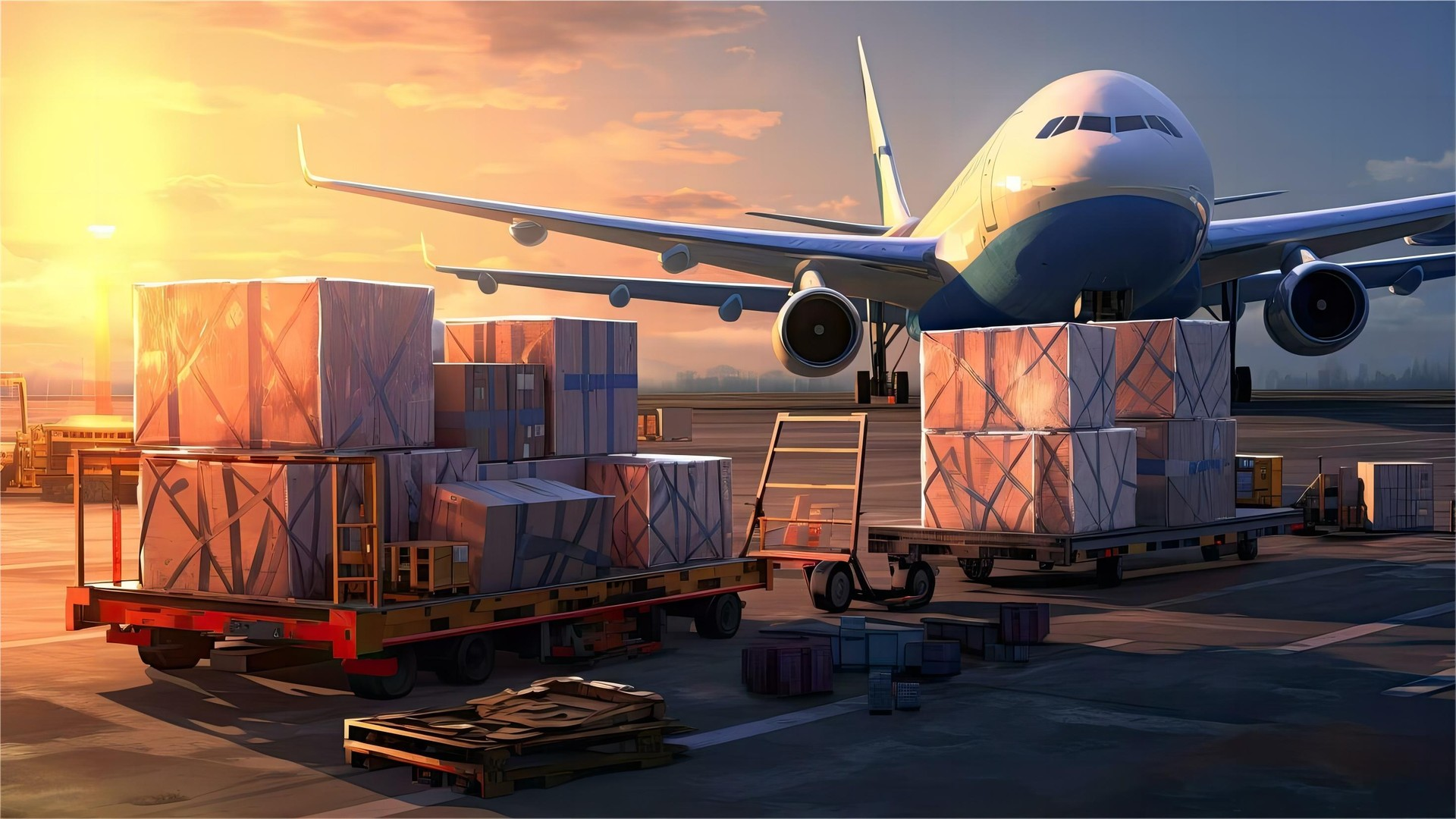
❖Most air cargo departing from China originates from major industrial centers like Shenzhen, Guangzhou, or Shanghai. Consequently, these airports offer the most frequent flight schedules and competitive air freight options. Transit times to Arturo Merino Benitez International Airport in Santiago usually range from 5 to 8 days including ground handling.
Direct flights are rare for this long-haul route, so most cargo stops in North America or Europe. For instance, many carriers route shipments through Los Angeles or Miami to optimize fuel efficiency. These stopovers are critical for maintaining the cold chain if you are shipping temperature-sensitive goods.
Regional airports in Chile such as Antofagasta or Concepcion usually require secondary domestic transport. Therefore, utilizing a door to door service is often the most efficient way to reach final destinations. Shippers should coordinate closely with their forwarder to ensure seamless transfers between international and domestic legs.
Customs Clearance and Documentation in Chile
❖Navigating Chilean customs requires precise documentation to avoid costly delays at the border. Specifically, the Chilean National Customs Service (Aduanas) mandates a thorough review of commercial invoices and packing lists. Moreover, a professional customs brokerage service can expedite this process significantly.
Importers must ensure that the Certificate of Origin is accurate to benefit from the China-Chile Free Trade Agreement. Consequently, properly documented goods may qualify for reduced or zero import duties. Additionally, certain products like agricultural items require clearance from the Agricultural and Livestock Service (SAG).
Digital filing has become the standard in 2026, allowing for pre-clearance while the cargo is still in transit. As a result, many shipments clear customs within 24 to 48 hours of arrival. However, any discrepancy in the Air Waybill (AWB) can lead to inspections and storage fees at the airport terminal.
Real-World Case Studies for 2026 Shipping
❖Case Study 1: Electronics Distribution. Route: Shenzhen to Santiago. Cargo: High-end tablets, 4 CBM, 920 kg. Shipping Method: Standard Air Freight. Ocean Freight: N/A. Origin Charges: $450. Destination Charges: $580. Customs and Duties: $1,200. Total Landed Cost: $8,850. Timeline: 7 days door-to-door. Key Insight: Using a direct-to-SCL flight via Los Angeles saved 3 days compared to cheaper transshipment options.
Case Study 2: Fashion Samples. Route: Guangzhou to Santiago. Cargo: Seasonal apparel samples, 1.5 CBM, 280 kg. Shipping Method: Express Service. Total Landed Cost: $4,200. Timeline: 4 days. Key Insight: Express was chosen due to the urgent nature of the fashion show deadline despite the higher per-kg rate.
Case Study 3: Industrial Machinery Parts. Route: Shanghai to Santiago. Cargo: Critical spare parts, 0.8 CBM, 150 kg. Shipping Method: Air Freight. Total Landed Cost: $1,950. Timeline: 6 days. Key Insight: Accurate HTS code classification saved the importer 6 percent in duties under the FTA.

Which Option Should You Choose? Decision Framework
❖Determining the best shipping strategy depends on your specific business priorities and cargo characteristics. If your primary goal is budget optimization and your lead time is flexible, sea freight remains the king of value. However, for high-value items where security and speed are paramount, air freight is the logical choice.
Consider the volume threshold for switching methods; for instance, shipments under 100kg are often most economical via express. Conversely, once you exceed 500kg, standard air freight rates become significantly more attractive. Shippers should also evaluate the cost of capital tied up in long sea transits when making this decision.
Perishable goods or high-tech components with short lifecycles almost always require the speed of air transport. On the other hand, raw materials or large machinery are better suited for the lower costs of ocean containers. Always request a current quote to see how 2026 market fluctuations affect your specific lane.
Cost-Saving Strategies for Air Cargo Shippers
❖Reducing your logistics spend requires a proactive approach to packing and scheduling. For example, optimizing your packaging to minimize dead space can significantly lower your volumetric weight. Furthermore, booking your shipments at least 10 to 14 days in advance can help you secure better rates from carriers.
Consolidating multiple smaller orders into a single larger shipment allows you to access better weight breaks in the pricing tariff. Additionally, choosing off-peak departure days, such as mid-week flights, can sometimes result in lower fuel surcharges. Shippers should also maintain a good relationship with their forwarder to receive alerts about promotional rates.
Note: Freight rates are subject to change based on fuel costs, carrier capacity, and seasonal demand. Contact us for a current quote tailored to your specific shipment.
Summary of China to Chile Air Freight Solutions
In conclusion, mastering the China to Chile air freight cargo shipping rates per kg service requires an understanding of both market trends and technical logistics factors. By leveraging the right shipping mode and optimizing your documentation, you can ensure a smooth flow of goods across the Pacific. Transitioning to more efficient logistics strategies in 2026 will undoubtedly provide a competitive edge for your business.
Whether you prioritize speed via express or cost-efficiency through consolidated air freight, DSV-Freight is here to support your growth. We encourage you to evaluate your shipping data regularly to identify further cost-saving opportunities. Our team remains dedicated to providing transparent pricing and reliable service for all your South American trade needs.
Ready to streamline your logistics?
Ready to optimize your supply chain with competitive China to Chile air freight cargo shipping rates per kg service? Contact our logistics experts today for a personalized quote and professional guidance. Visit our website to learn more about our comprehensive transport solutions. Send Inquiry: https://dsv-freight.com/contact/
Request Quote