
Freight Forwarder China to Peru Logistics Company Import Export Guide 2026
Navigating the complex trade routes between East Asia and South America requires a specialized partner to ensure your goods arrive safely and on time. As a leading DSV-Freight provider, we understand the unique challenges of the Pacific crossing. Choosing the right freight forwarder china to peru logistics company import export services is the most critical decision for your supply chain success in 2026.
How Do You Choose the Best Shipping Method for Peru?
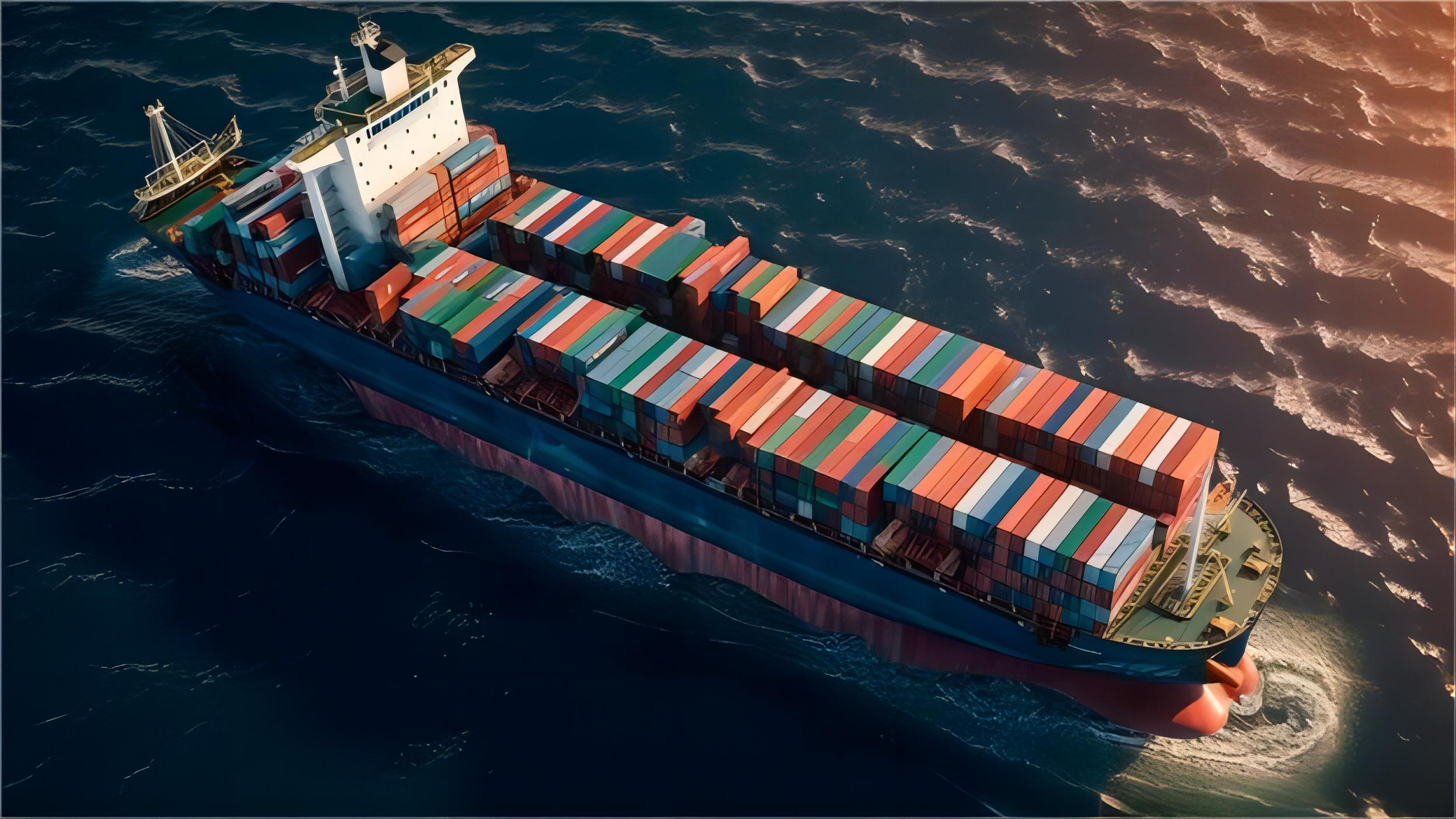
Selecting the appropriate transport mode depends heavily on your budget, cargo volume, and required delivery speed. Most businesses importing from China to Peru utilize ocean freight due to its cost-effectiveness for large volumes. However, air freight remains the primary choice for high-value electronics or urgent medical supplies.
Additionally, the distance between major Chinese ports like Shanghai and the Port of Callao in Peru is approximately 17,000 kilometers. Consequently, transit times for sea freight typically range from 30 to 45 days. Businesses must plan their inventory cycles carefully to account for these durations.
| Method | Cost Range | Transit Time | Best For |
|---|---|---|---|
| Sea Freight (FCL) | $2,500 – $4,800 | 30-45 Days | Bulk goods, machinery |
| Sea Freight (LCL) | $80 – $150/CBM | 35-50 Days | Small shipments |
| Air Freight | $6 – $12/kg | 5-9 Days | High-value, urgent |
| Express Service | $10 – $18/kg | 3-5 Days | Samples, documents |
How Does Sea Freight Compare to Other Shipping Options?
While sea freight is the backbone of international trade, it is not always the most efficient choice for every scenario. For instance, a 40HQ container might cost $4,500 for a 35-day transit, whereas the same volume via air would be prohibitively expensive. Nevertheless, sea freight involves more complex port handling and longer exposure to maritime risks.
In contrast, air freight offers unparalleled speed and security for sensitive items. Although the cost is significantly higher, the reduction in inventory holding costs often justifies the expense for tech companies. Furthermore, the risk of damage is statistically lower during air transit compared to long ocean voyages.
FCL vs LCL: Which Should You Choose?
Full Container Load (FCL) provides a dedicated space for your goods, which reduces handling and potential damage. On the other hand, Less than Container Load (LCL) allows you to share space with other shippers, making it ideal for volumes under 15 CBM. Therefore, you should calculate your total volume before deciding on the container type.
Specifically, if your shipment exceeds 15 CBM, FCL usually becomes more economical than paying the per-CBM rate of LCL. Moreover, FCL shipments often clear customs faster because they do not require deconsolidation at the destination warehouse.
What are the Alternative Strategies for Peru Logistics?
Innovative logistics managers often look beyond standard port-to-port shipping to find cost-saving opportunities. For example, some importers use transshipment hubs in Panama or Mexico to find lower freight rates during peak seasons. While this adds a few days to the transit time, the savings can reach up to 15% of the total ocean freight cost.
Another effective strategy involves a door-to-door service to simplify the entire supply chain. This approach consolidates all costs into a single quote, covering everything from the factory floor in China to the warehouse in Lima. Consequently, it reduces the administrative burden on your import department.
| Strategy | Pros | Cons | Savings |
|---|---|---|---|
| Transshipment | Lower freight cost | Longer transit | 10-15% |
| Consolidation | Reduced LCL fees | Complex packing | 5-8% |
| Direct Routes | Fastest sea time | Higher premium | 0% (Speed focus) |
| Off-Peak Booking | Market low rates | Storage costs | 20-30% |
Case Study 1: Electronics Shipment from Shenzhen to Callao
Route: Shenzhen, China to Callao, Peru. Cargo: High-end tablets and accessories, 12 CBM, 4,500 kg. Container: LCL shipment. Shipping Details: Carrier: Major ocean line via direct route. Port of Loading: Shenzhen. Port of Discharge: Callao. Route Type: Direct.
Cost Breakdown: Ocean Freight: $1,440. Origin Charges: $350. Destination Charges: $550. Customs and Duties: $4,200. Total Landed Cost: $6,540. Timeline: Booking to Loading: 4 days. Sea Transit: 32 days. Customs Clearance: 3 days. Total Door-to-Door: 39 days. Key Insight: Using LCL allowed the client to maintain lean inventory without paying for a full 20GP container.
Case Study 2: Industrial Machinery from Ningbo to Lima
Route: Ningbo, China to Lima, Peru. Cargo: Textile manufacturing equipment, 58 CBM, 18,000 kg. Container: 40HQ FCL. Shipping Details: Carrier: COSCO. Port of Loading: Ningbo. Port of Discharge: Callao. Route Type: Transshipment via Manzanillo.
Cost Breakdown: Ocean Freight: $4,200. Origin Charges: $450. Destination Charges: $680. Customs and Duties: $12,500. Total Landed Cost: $17,830. Timeline: Booking to Loading: 6 days. Sea Transit: 42 days. Customs Clearance: 5 days. Total Door-to-Door: 53 days. Key Insight: The transshipment route saved $600 compared to the direct service, which the client preferred due to a flexible production schedule.
Understanding Peru Customs and Import Requirements
Importing into Peru requires strict adherence to SUNAT (Superintendencia Nacional de Aduanas y de Administracion Tributaria) regulations. Indeed, missing a single document can result in heavy fines or cargo seizure. Therefore, hiring a professional customs brokerage is essential for a smooth entry.
Key documents include the Commercial Invoice, Packing List, Bill of Lading, and the Certificate of Origin. Specifically, the China-Peru Free Trade Agreement allows for significant duty reductions if you provide the correct documentation. Consequently, you must ensure your supplier in China prepares these papers accurately before the ship departs.
Which Shipping Option Should You Choose?
Your decision framework should prioritize your most constrained resource. If budget is your main priority, we recommend FCL or LCL sea freight with transshipment options. However, if speed is the priority, air freight is the only viable solution to meet tight deadlines.
For cargo type considerations, heavy machinery is best suited for 40GP or 40HQ containers. Meanwhile, fragile or perishable goods may require specialized reefer containers or temperature-controlled air cargo. Always consider the volume thresholds; once you hit 15-20 CBM, always switch from LCL to FCL to maximize your ROI.
Mastering Your China to Peru Supply Chain
Successfully managing a freight forwarder china to peru logistics company import export operation requires a blend of strategic planning and expert execution. By choosing the right transport mode and understanding the 2026 market trends, you can significantly reduce your landed costs.
Remember that freight rates are subject to change based on fuel costs, carrier capacity, and seasonal demand. Always consult with your logistics provider to get a current quote tailored to your specific shipment needs. With the right partner, your trade with Peru will become a powerful engine for business growth.
Get Your Shipping Quote Today
Streamline your international trade today with a reliable freight forwarder china to peru logistics company import export partner. Contact us now for a customized quote and expert guidance on your next shipment to Peru. Visit our website to start your inquiry: https://dsv-freight.com/
Request Quote