
China to Peru Customs Clearance Import Brokerage Service Agent: 2026 Expert Guide
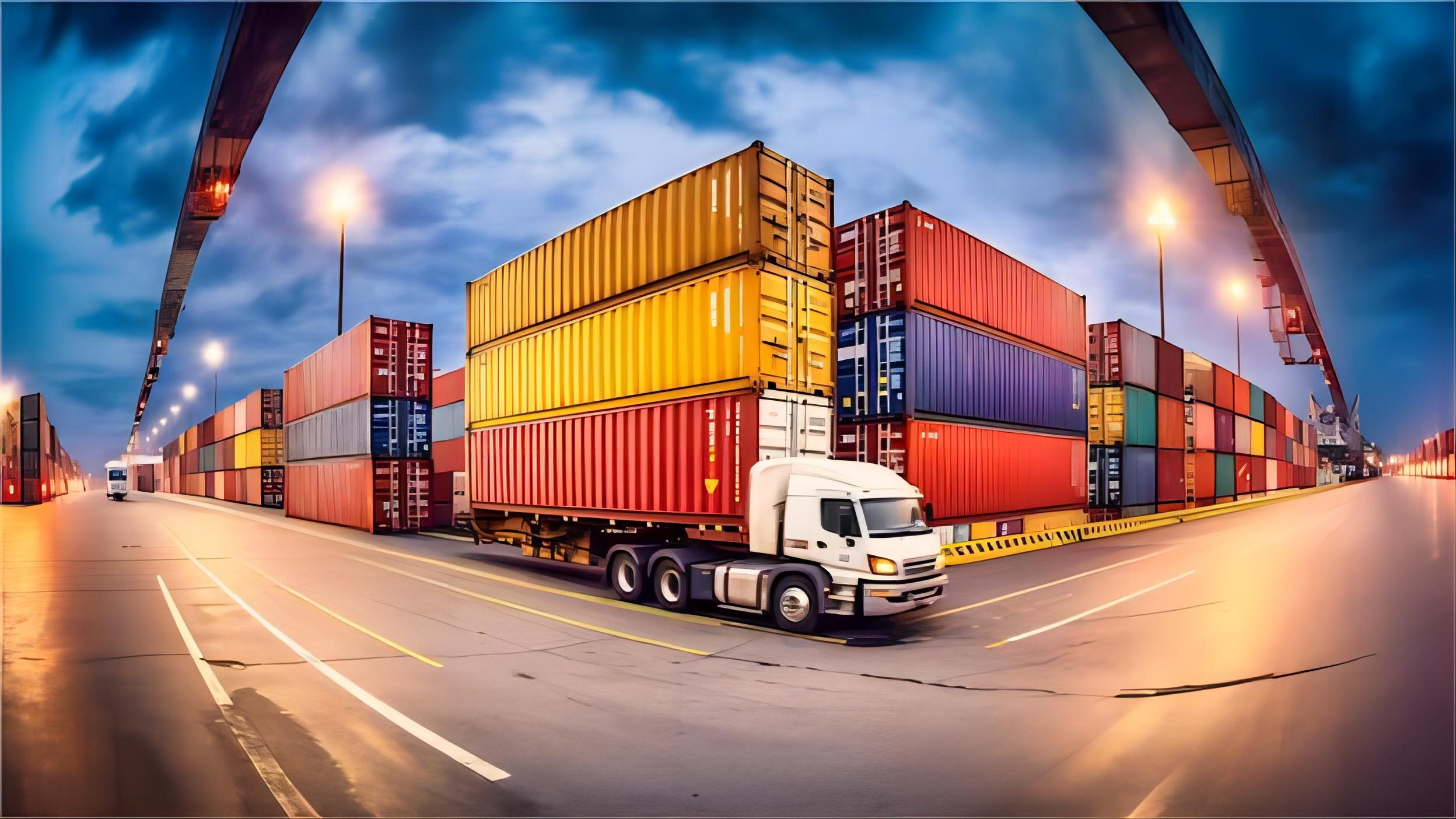
Finding a reliable china to peru customs clearance import brokerage service agent is essential for businesses navigating the complex trade lanes of 2026. DSV-Freight provides comprehensive logistics support to ensure your cargo moves seamlessly from Chinese factories to Peruvian warehouses. Consequently, understanding the nuances of Peruvian customs regulations can save your company significant time and money. Professional agents bridge the gap between international suppliers and local authorities to prevent costly delays at the port of entry.
Why You Need a China to Peru Customs Clearance Import Brokerage Service Agent
Navigating the legal framework of Peruvian customs, known as SUNAT, requires specialized knowledge that only an experienced agent can provide. Moreover, the documentation process involves complex forms like the Single Customs Declaration (DAM) which must be filed accurately to avoid penalties. Therefore, hiring a professional agent ensures that your business remains compliant with the latest 2026 trade regulations.
In addition, a local expert understands the specific tariff classifications for various goods, which directly impacts the amount of duty you pay. For example, many products benefit from the China-Peru Free Trade Agreement, but only if the correct Certificate of Origin is presented. Consequently, an agent acts as your advocate, ensuring you utilize every available tax advantage to maximize your profit margins.
Furthermore, logistics trends in 2026 show that port congestion can still occur despite technological advancements. An agent monitors these trends and provides real-time updates on your shipment status while managing the physical inspection of goods if required. Indeed, having a boots-on-the-ground partner in Peru simplifies the entire import process from start to finish.
How Does Sea Freight Compare to Other Shipping Options?
Choosing the right transport mode is the most critical decision for your supply chain efficiency and budget. While sea freight remains the most popular choice for bulk goods, other methods offer speed advantages for urgent deliveries. Specifically, the development of the Chancay Port in Peru has significantly improved maritime transit efficiency from China in early 2026.
On the other hand, air freight provides a much faster alternative for high-value or time-sensitive electronics and medical supplies. Although costs are higher, the reduction in inventory holding time often justifies the investment for premium goods. Meanwhile, hybrid solutions like sea-air combinations are gaining traction for businesses seeking a balance between cost and speed.
To summarize, your choice depends on the volume, weight, and urgency of the cargo. Most businesses prioritize sea freight for large 40HQ containers while reserving air transport for samples or emergency restocks. Accordingly, we have prepared a comparison table to help you evaluate the best strategy for your specific cargo needs.
| Shipping Method | Cost Range | Transit Time | Best For | Limitations |
|---|---|---|---|---|
| Sea Freight (FCL) | $3,200 – $4,800 | 28-35 Days | Large volumes, bulky goods | Slowest transit time |
| Sea Freight (LCL) | $80 – $150/CBM | 35-42 Days | Small shipments, low budget | Higher risk of damage |
| Air Freight | $5.50 – $9.00/kg | 5-8 Days | High-value, urgent items | Very expensive for bulk |
| Express Service | $12.00 – $18.00/kg | 3-5 Days | Documents, small samples | Strict weight limits |

Essential Documentation for Peruvian Customs Clearance
Successful import operations depend heavily on the accuracy of your paperwork. A dedicated customs brokerage service will review your commercial invoice, packing list, and bill of lading before the ship even leaves China. For instance, any discrepancy in the weight or description of goods can lead to an administrative hold by SUNAT officials.
Additionally, you must provide a valid insurance policy and the aforementioned Certificate of Origin to qualify for reduced tariffs. Because Peru has strict sanitary and phytosanitary regulations, certain goods like food or chemicals require additional permits from agencies like DIGESA or SENASA. Therefore, your agent must verify these requirements well in advance of the arrival date.
Notably, the 2026 digital customs initiative in Peru allows for faster processing of electronic documents. However, physical copies are sometimes still requested during manual inspections. Consequently, keeping a well-organized digital and physical archive of all trade documents is a best practice for any serious importer.
| Document Name | Required By | Purpose | Criticality |
|---|---|---|---|
| Commercial Invoice | SUNAT | Valuation of goods | High |
| Packing List | Port Authorities | Inventory verification | High |
| Bill of Lading | Carrier/Customs | Title of goods | Mandatory |
| Cert. of Origin | SUNAT | FTA Duty reduction | Optional/Recommended |
Navigating Import Duties and Taxes in Peru 2026
Understanding the financial obligations of importing is vital for calculating your total landed cost. In Peru, the standard Value Added Tax (IGV) is currently 16%, plus an additional 2% for the Municipal Promotion Tax (IPM). Moreover, depending on the HS code of your product, ad-valorem duties can range from 0% to 11% of the CIF value.
As a result, importers must also account for the Perception Tax, which is a pre-payment of IGV applicable to first-time importers or specific goods. For example, new importers typically pay a 10% perception rate, while frequent importers may see this reduced to 3.5%. Without a doubt, these percentages can significantly impact your cash flow if not planned for in your initial budget.
Fortunately, the China-Peru FTA eliminates duties on over 90% of traded goods. To benefit from this, your china to peru customs clearance import brokerage service agent must ensure the HS codes are perfectly matched with the treaty’s schedule. Consequently, professional classification services are often the difference between a profitable venture and an expensive mistake.
Transit Times and Logistics Hubs from China to Peru
Transit times vary based on the departure port in China and the specific service level selected. Most shipments originate from major hubs like Shanghai, Ningbo, or Shenzhen due to their high frequency of sailings. For instance, a direct vessel from Shanghai to Callao typically takes about 30 days under normal market conditions in 2026.
Additionally, utilizing door to door services can simplify the transition from the port to your final destination in Lima or regional cities like Arequipa. While the sea voyage is the longest leg, the inland transport and customs processing add another 5 to 7 days to the total timeline. Therefore, planning for a 40-day window is a realistic approach for maritime shipments.
Specifically, the new port facilities at Chancay have introduced faster routes that bypass traditional transshipment points. This development has reduced transit times for certain carriers by nearly 10 days compared to 2024 levels. Meanwhile, air freight remains the go-to for shipments needing to arrive in under a week, typically landing at Jorge Chavez International Airport.
Case Studies: Realistic Shipping Scenarios to Peru
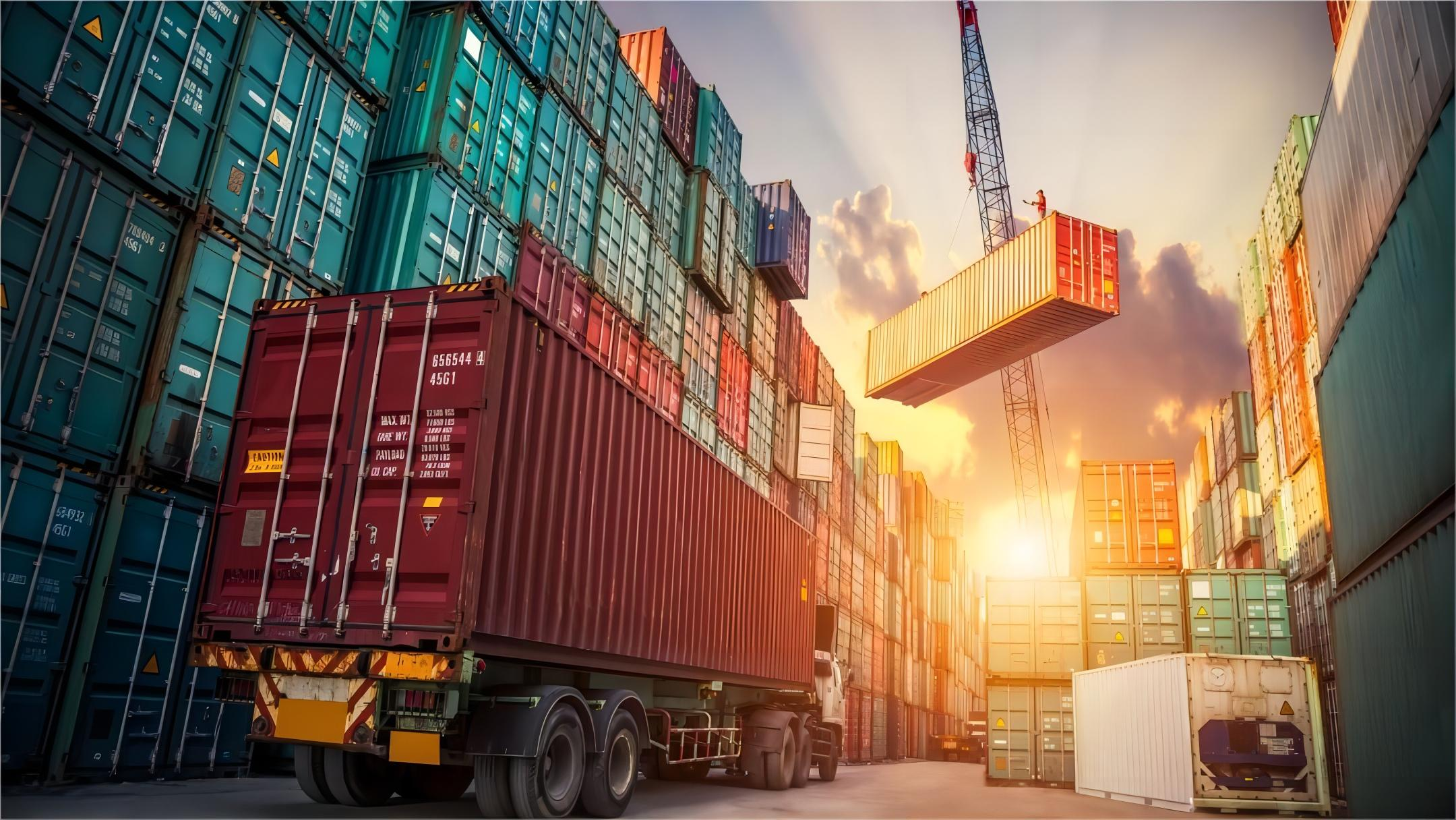
Examining real-world examples provides insight into the costs and timelines associated with different cargo types. These cases reflect market conditions as of early 2026 and highlight the importance of expert brokerage services.
Case Study 1: Electronics from Shenzhen to Lima. Route: Shenzhen to Callao. Cargo: 500 units of high-end tablets, 12 CBM. Shipping Method: Sea Freight LCL. Ocean Freight: $1,450. Origin Charges: $250. Destination Charges: $400. Customs and Duties: $3,100. Total Landed Cost: $5,200. Timeline: 38 days door-to-door. Key Insight: Using LCL saved the client $2,000 compared to a half-empty 20GP container.
Case Study 2: Industrial Machinery from Ningbo to Arequipa. Route: Ningbo to Callao then inland truck. Cargo: CNC Machine, 18,000 kg. Container: 40GP. Ocean Freight: $4,100. Origin Charges: $450. Destination Charges: $650. Customs and Duties: $0 (FTA Applied). Total Landed Cost: $5,200 (excluding inland). Timeline: 34 days to port. Key Insight: Accurate FTA documentation saved the client over $4,500 in ad-valorem duties.
Note: Freight rates are subject to change based on fuel costs, carrier capacity, and seasonal demand. Contact us for a current quote tailored to your specific shipment.
Which Shipping Option Should You Choose?
Determining the best logistics strategy requires a clear assessment of your business priorities. If your primary goal is cost reduction and you have flexible lead times, sea freight is the undisputed winner. However, if you are launching a new product or fulfilling urgent backorders, express service might be necessary despite the premium price tag.
Budget priority: Recommend Sea Freight (FCL for over 15 CBM, LCL for under). Speed priority: Recommend Air Freight or Express. Cargo type considerations: Recommend specialized containers (Reefer) for perishables or Flat Racks for oversized machinery. Volume thresholds: Once you exceed 15-20 CBM, switching from LCL to a 20GP container usually becomes more cost-effective.
In addition, consider the seasonality of the route. Rates typically increase 15-25% during the August-October peak season as retailers prepare for year-end sales. Therefore, booking your shipments at least 3-4 weeks in advance during these periods is highly recommended to secure both space and favorable rates.
Mastering Your Imports with a Professional Agent
Successfully importing goods from China to Peru requires a strategic blend of logistics expertise and local regulatory knowledge. By partnering with a dedicated china to peru customs clearance import brokerage service agent, you mitigate the risks of delays and overpayment of duties. Consequently, your business can focus on growth while we manage the complexities of the global supply chain.
In summary, 2026 presents new opportunities with improved port infrastructure and digital customs processing. Whether you choose sea or air freight, the key to success lies in meticulous documentation and proactive communication. Let us help you navigate the journey from China to Peru with efficiency and reliability.
Ready to streamline your logistics?
Streamline your international trade today with a professional china to peru customs clearance import brokerage service agent. Our team at DSV-Freight is ready to handle your documentation, logistics, and delivery needs with precision. Contact us now to receive a customized quote for your 2026 shipping requirements. Send Inquiry:
Request Quote