

China to Germany Sea Freight FCL Container Cost 2026 Guide
Navigating the complexities of international logistics requires a clear understanding of current market dynamics and pricing structures. If you are planning to import goods, calculating the china to germany sea freight fcl container cost is a vital step for maintaining your profit margins. At DSV-Freight, we provide comprehensive logistics solutions designed to streamline your supply chain and reduce overhead. This guide explores everything from current freight rates to essential documentation for your next shipment.
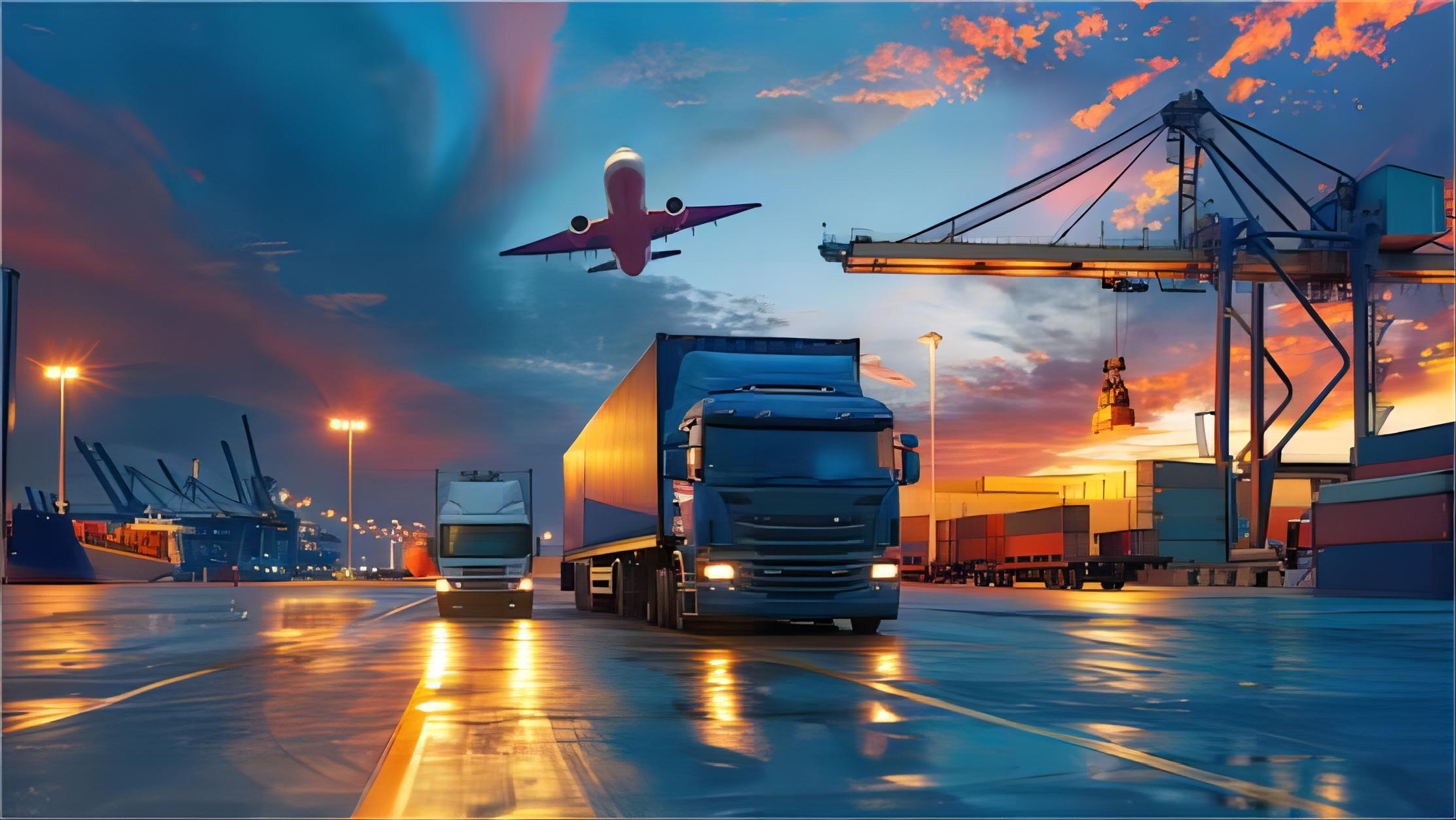
What Factors Determine China to Germany Sea Freight FCL Container Cost?
Several variables influence the total price you pay for ocean transport between these two major trading hubs. Primarily, the size of the container, whether a 20GP or a 40HQ, serves as the baseline for the ocean freight rate.
Moreover, fuel surcharges, often referred to as the Bunker Adjustment Factor, fluctuate based on global oil prices. Consequently, these surcharges can cause weekly variations in your total shipping invoice.
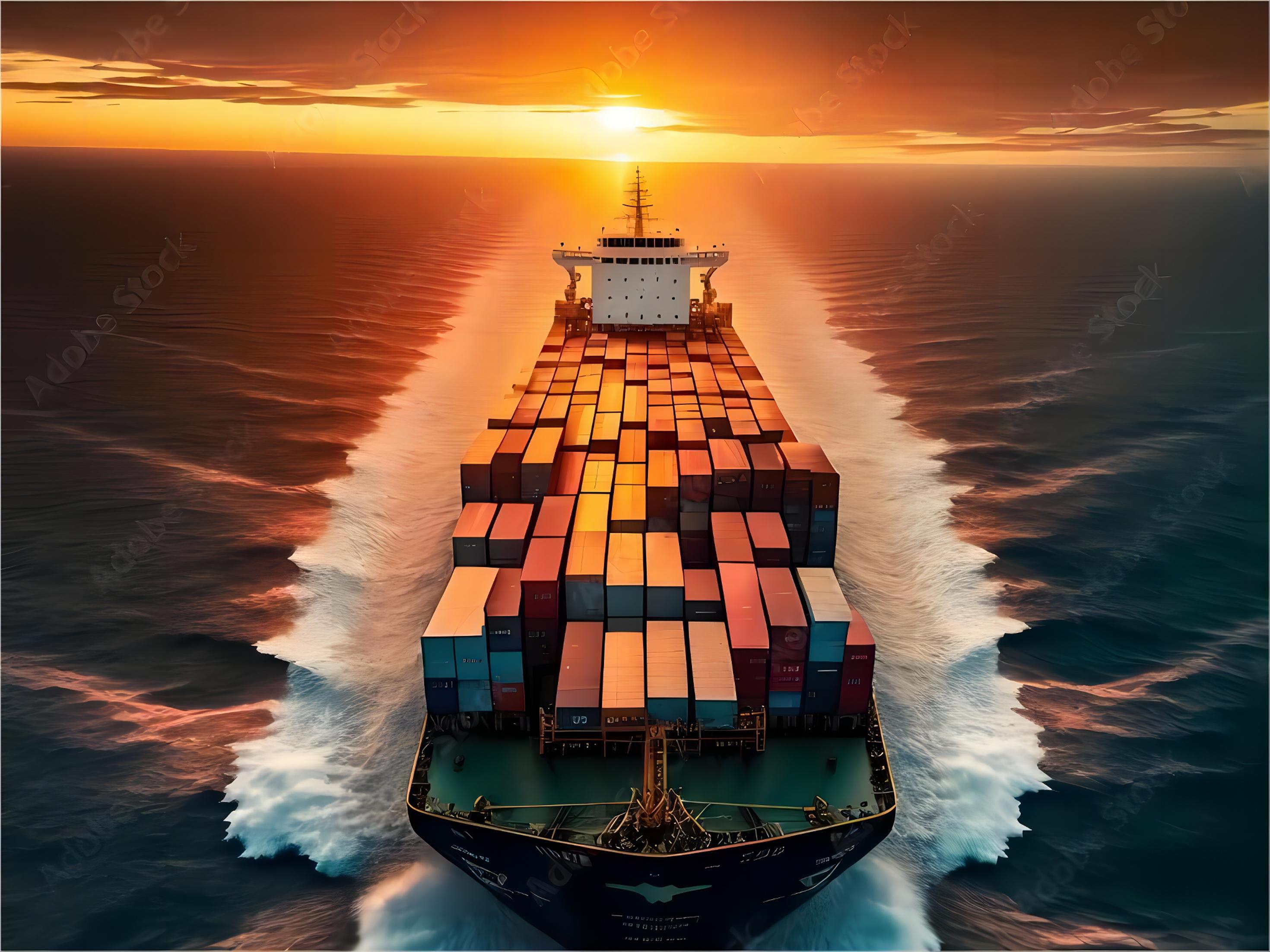
Port congestion and seasonal demand also play significant roles in pricing. During the peak season from August to October, rates typically surge as retailers prepare for the holiday rush.
Additionally, the specific port of loading in China affects the final quote. Shipping from a northern port like Tianjin may differ in cost compared to southern hubs like Shenzhen or Guangzhou.
To ensure you get the best value, utilizing professional sea freight services is highly recommended for managing these complex variables.
Current 2026 Market Rates for FCL Containers
As of early 2026, the market has seen a period of relative stabilization following the disruptions of previous years. However, geopolitical factors and environmental regulations continue to impact the baseline costs for carriers.
Typical rates for a 20ft container currently range between 1,900 and 2,600 USD. Meanwhile, a 40ft high cube container usually costs between 3,200 and 4,500 USD depending on the specific route and carrier.
Indeed, these prices are subject to change based on the carrier’s capacity and the volume of trade flowing through the Suez Canal. Therefore, securing a fixed-rate contract can be beneficial for long-term planning.
Furthermore, it is important to remember that these figures represent the ocean freight portion only. You must also account for local charges at both the origin and destination ports.
Note: Freight rates are subject to change based on fuel costs, carrier capacity, and seasonal demand. Contact us for a current quote tailored to your specific shipment.
| Container Type | Estimated Cost (USD) | Capacity (CBM) | Max Weight (KG) |
|---|---|---|---|
| 20GP (Standard) | 1,900 – 2,600 | 33 CBM | 28,000 |
| 40GP (Standard) | 3,000 – 4,000 | 67 CBM | 26,000 |
| 40HQ (High Cube) | 3,200 – 4,500 | 76 CBM | 26,000 |
How Does Sea Freight Compare to Other Shipping Options?
When evaluating the china to germany sea freight fcl container cost, it is essential to compare it against alternative modes of transport. Each method offers a different balance of speed, cost, and reliability.
For instance, rail freight provides a middle ground, offering faster transit than sea but at a lower cost than air. It is particularly effective for shipments originating in inland Chinese cities.
On the other hand, air freight remains the fastest option for urgent cargo. While it is significantly more expensive, it reduces inventory holding costs for high-value electronics or fashion items.
Consequently, businesses must decide whether the 30 to 45 day transit time of sea freight aligns with their supply chain requirements. For large volumes of heavy goods, sea freight is almost always the most economical choice.
In contrast, sea-air hybrid solutions are gaining popularity in 2026. These involve shipping by sea to a hub like Dubai and then flying the cargo to Germany to save both time and money.
| Shipping Method | Cost Range (USD) | Transit Time | Best For |
|---|---|---|---|
| Sea FCL (40HQ) | 3,200 – 4,500 | 32 – 45 Days | Bulk Goods |
| Rail Freight | 4,500 – 7,000 | 18 – 24 Days | Mid-value Cargo |
| Air Freight | 15,000 – 25,000 | 4 – 8 Days | Urgent Items |
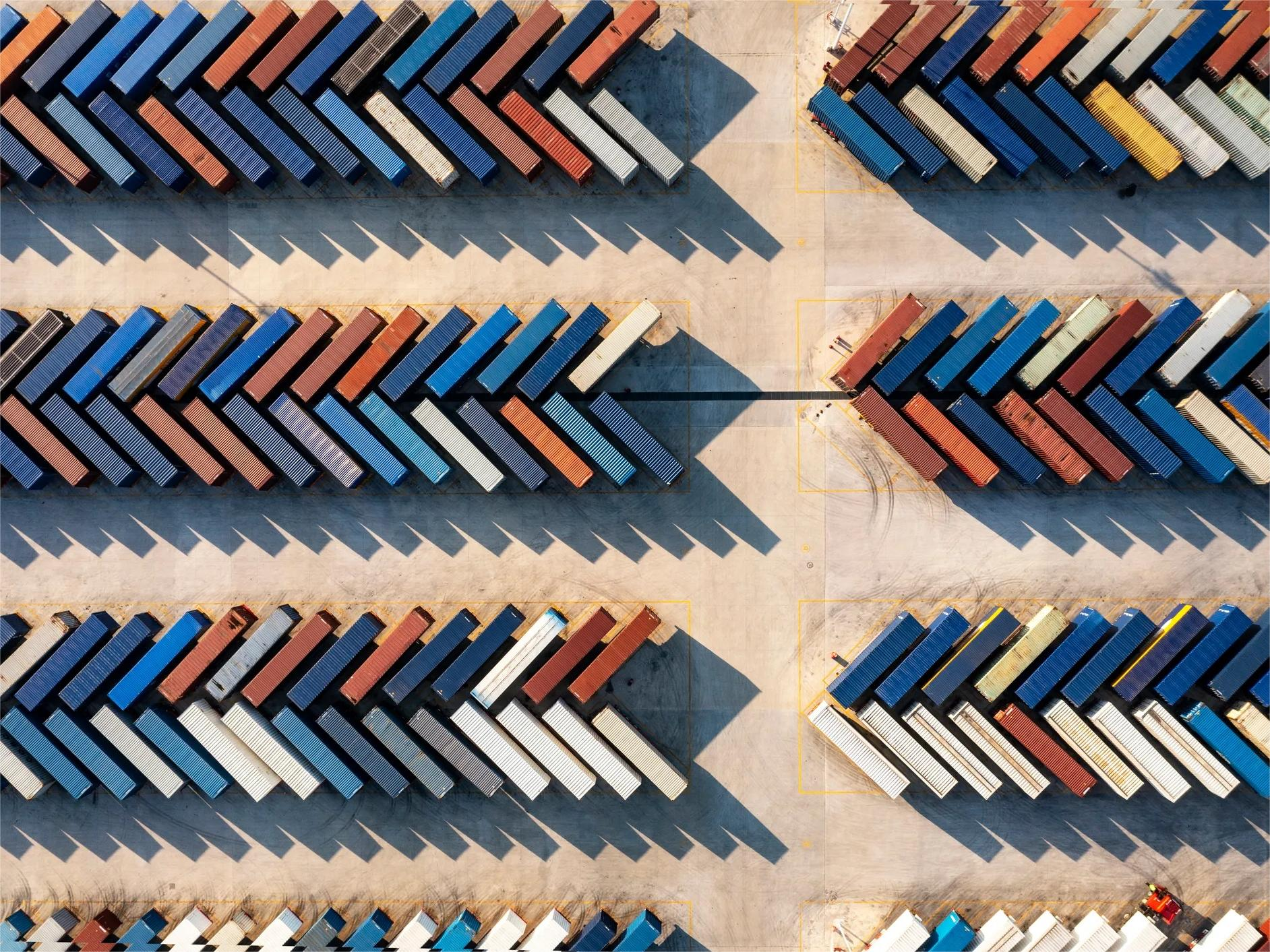
Which Option Should You Choose for Your Business?
Choosing the right shipping method depends heavily on your budget priority and inventory turnover speed. If your primary goal is to minimize the china to germany sea freight fcl container cost, then sea freight is the clear winner.
However, if you are facing a stock-out situation, the higher cost of air or rail might be justified to maintain customer satisfaction. Without a doubt, planning ahead is the best way to avoid expensive express shipments.
For shipments exceeding 15 cubic meters, FCL is generally more cost-effective than LCL. This is because FCL avoids the consolidation fees and handling risks associated with shared containers.
Additionally, consider the cargo type. Heavy machinery or large furniture items are difficult to transport via air, making sea freight the only viable and safe option for such dimensions.
To navigate these choices, consulting with a specialist in customs brokerage can help you understand the total landed cost including duties.
Transit Times and Major Shipping Routes
The journey from China to Germany typically involves traversing the South China Sea, the Indian Ocean, and the Suez Canal. Most vessels dock at major German ports like Hamburg or Bremerhaven.
Transit times vary depending on the port of origin. For example, a direct route from Shanghai to Hamburg usually takes about 32 to 35 days under normal conditions.
Meanwhile, shipments from northern ports like Qingdao may take up to 40 days. Weather conditions and canal traffic can also introduce minor delays into the delivery schedule.
Furthermore, transshipment routes via Singapore or Colombo might be cheaper but add 7 to 10 days to the total transit time. Therefore, you must weigh the cost savings against the need for speed.
Industry average for this route suggests that 2026 schedules have become more reliable due to improved port automation and better vessel tracking technologies.
| Origin Port | Destination Port | Average Transit | Route Type |
|---|---|---|---|
| Shanghai | Hamburg | 33 Days | Direct |
| Shenzhen | Bremerhaven | 30 Days | Direct |
| Ningbo | Hamburg | 35 Days | Transshipment |
Understanding Hidden Costs in FCL Shipping
The ocean freight rate is only one component of the total china to germany sea freight fcl container cost. Importers must also prepare for various local and administrative fees.
For instance, Terminal Handling Charges at both the loading and discharge ports are mandatory. These fees cover the cost of moving the container from the ship to the yard.
Additionally, documentation fees for the Bill of Lading and Export Customs Declaration in China must be paid. In Germany, you will encounter Import Customs Clearance fees and potentially Value Added Tax.
Moreover, if your cargo remains at the port longer than the allotted free time, you will incur demurrage and detention charges. These can accumulate quickly and significantly impact your budget.
To avoid these surprises, many businesses opt for door to door services that bundle all these costs into a single, transparent quote.
Case Study 1: Electronics from Shenzhen to Hamburg
Case Study 01: High-Volume Consumer Electronics
Route: Shenzhen, China to Hamburg, Germany
Cargo: Computer components, 72 CBM, 18,000 kg
Container: 1 x 40HQ
Shipping Details:
– Carrier/Service: Major carrier via Suez Canal
– Port of Loading: Shenzhen (Yantian)
– Port of Discharge: Hamburg
– Route Type: Direct
Cost Breakdown:
– Ocean Freight: 3,850 USD
– Origin Charges (THC, documentation): 420 USD
– Destination Charges: 550 USD
– Customs and Duties (estimated): 1,200 USD
– Total Landed Cost: 6,020 USD
Timeline:
– Booking to Loading: 5 days
– Sea Transit: 31 days
– Customs Clearance: 2 days
– Total Door-to-Door: 38 days
Key Insight: Utilizing a direct route from Yantian saved the client 6 days compared to transshipment, which was critical for their product launch. Based on Q1 2026 market rates.
Case Study 2: Furniture from Ningbo to Bremerhaven
Case Study 02: Seasonal Furniture Import
Route: Ningbo, China to Bremerhaven, Germany
Cargo: Outdoor wooden furniture, 28 CBM, 12,000 kg
Container: 1 x 20GP
Shipping Details:
– Carrier/Service: COSCO Shipping
– Port of Loading: Ningbo-Zhoushan
– Port of Discharge: Bremerhaven
– Route Type: Direct
Cost Breakdown:
– Ocean Freight: 2,150 USD
– Origin Charges: 380 USD
– Destination Charges: 490 USD
– Customs and Duties: 850 USD
– Total Landed Cost: 3,870 USD
Timeline:
– Booking to Loading: 7 days
– Sea Transit: 34 days
– Customs Clearance: 3 days
– Total Door-to-Door: 44 days
Key Insight: Booking 4 weeks in advance allowed the importer to secure a rate 15 percent lower than the peak season average. Typical rates as of early 2026.
Cost-Saving Strategies for Sea Freight in 2026
Reducing your china to germany sea freight fcl container cost requires a proactive approach to logistics management. One effective strategy is to optimize your container loading to ensure you are not paying for empty space.
Furthermore, negotiating with multiple carriers or using a freight forwarder can provide access to volume-based discounts. Forwarders often have pre-negotiated rates that are lower than what an individual shipper can obtain.
Another tip is to ship during the off-peak season. If your supply chain allows for it, moving goods in March or April can result in significant savings compared to the busy autumn months.
Additionally, ensure all your documentation is accurate to avoid costly delays and fines at customs. Incorrect HS codes can lead to overpayment of duties or lengthy inspections.
Indeed, choosing a reliable partner for shipping from China to Europe ensures that you benefit from the latest market intelligence and route optimizations.
How to Prepare Your Shipment for German Customs?
Germany has strict regulations regarding the import of goods, particularly concerning safety and environmental standards. Consequently, having a complete customs documents checklist is essential for a smooth process.
You will need a Commercial Invoice, a detailed Packing List, and the Bill of Lading. Furthermore, a Certificate of Origin may be required to benefit from specific trade agreements or to verify the source of the goods.
Moreover, ensure that your products comply with EU CE marking requirements if they are electronic or mechanical. Failure to meet these standards can result in the cargo being rejected at the border.
Accordingly, working with an experienced logistics provider helps ensure that all paperwork is filed correctly through the ATLAS electronic customs system used in Germany.
To summarize, meticulous preparation is the best defense against unexpected costs and delivery delays during the import process.
Mastering Your Logistics from China to Germany
Understanding the china to germany sea freight fcl container cost is fundamental for any business involved in international trade. By considering factors like container size, transit times, and hidden fees, you can make informed decisions that benefit your bottom line.
Whether you choose sea, rail, or air, the key to success lies in careful planning and partnering with a reliable logistics provider. As market conditions evolve in 2026, staying informed about freight trends will remain a competitive advantage for your business.
Need a tailored shipping solution?
Ready to optimize your supply chain and reduce your china to germany sea freight fcl container cost? Our team of experts is standing by to provide you with a customized quote and professional guidance for your next shipment. Send Inquiry: https://dsv-freight.com/