
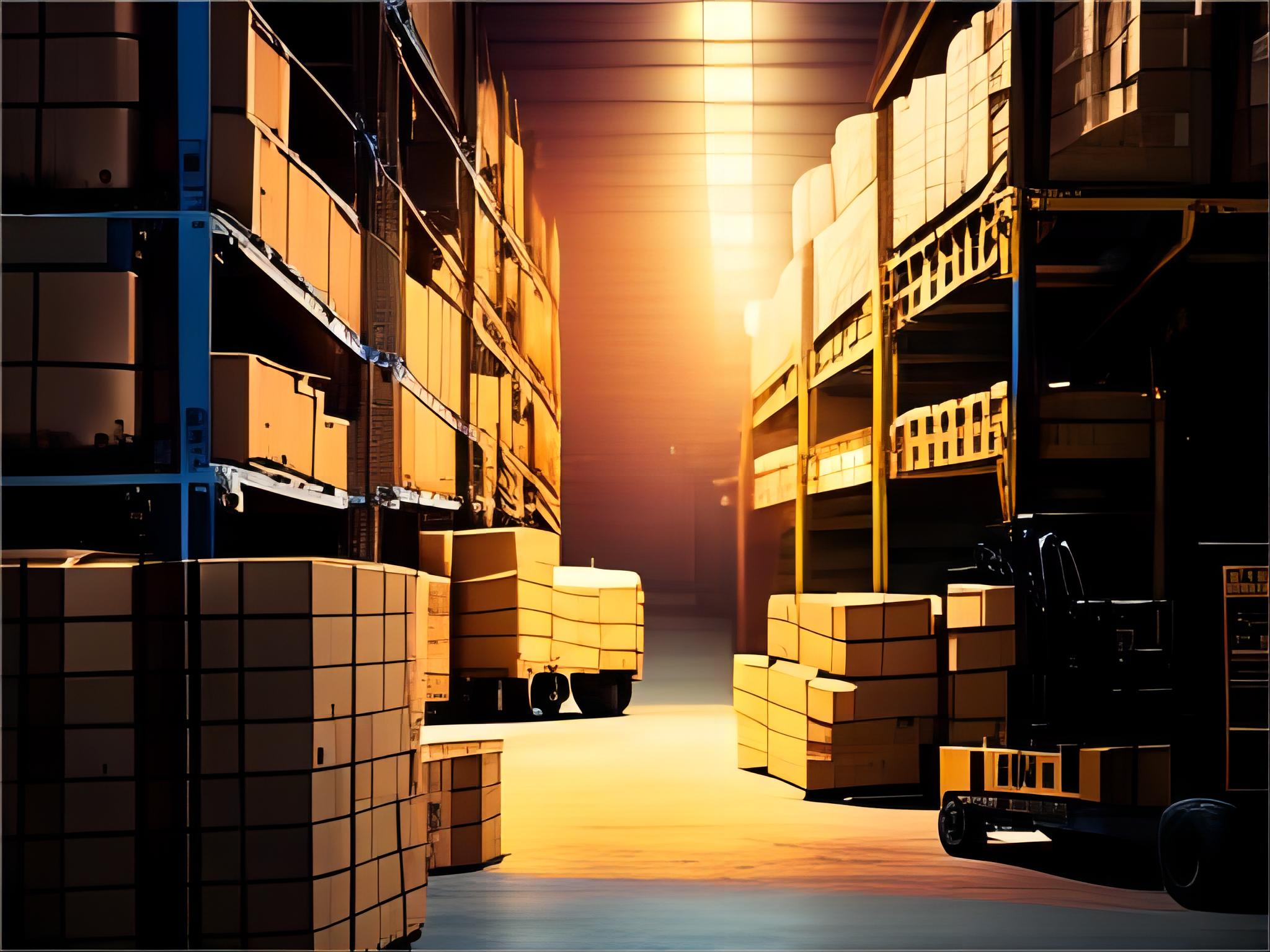
Shipping from China to Argentina DDP Door to Door: 2026 Guide
“Shipping from china to argentina ddp door to door remains one of the most efficient ways for businesses to manage their international supply chains in 2026. DSV-Freight offers a seamless logistics experience that removes the burden of customs clearance and local delivery from the importer. Consequently, companies can focus on their core operations while experts handle the complex movement of goods across the Pacific.”
What is Shipping from China to Argentina DDP Door to Door?
❖Delivered Duty Paid, commonly known as DDP, represents a shipping agreement where the seller assumes all responsibility for transporting goods. Specifically, this includes paying for shipping costs, export and import duties, taxes, and other charges incurred during the journey.
Choosing a door to door service ensures that your cargo moves from the Chinese factory directly to your warehouse in Argentina. Moreover, the provider manages the entire logistics chain, which significantly reduces the risk of unexpected costs or delays at the border.
Argentina has historically maintained strict import regulations and complex tax structures. Therefore, utilizing a DDP model allows importers to bypass the administrative headache of dealing with local customs authorities directly.
Market trends in early 2026 suggest that more Argentinian SMEs are adopting this method to stabilize their landed costs. Indeed, knowing the final price upfront helps in maintaining healthy profit margins amidst fluctuating exchange rates.

Key Benefits of Door to Door Logistics for Argentinian Importers
❖Reliability stands out as the primary advantage when you opt for a managed end-to-end solution. Furthermore, the consolidated nature of these services means you only have one point of contact for your entire shipment.
Cost transparency is another critical factor for modern businesses. Because the DDP rate includes all taxes and duties, there are no hidden fees waiting for you when the ship docks at the Port of Buenos Aires.
Efficiency improves significantly because the freight forwarder handles the documentation and local trucking. Consequently, the time spent on administrative tasks is reduced, allowing for faster inventory turnover.
Safety of goods is prioritized throughout the transit. Professional handlers ensure that cargo is packed correctly for the long journey across the ocean, minimizing the chance of damage.
Comparing Sea Freight and Air Freight Options
❖Selecting the right transport mode depends heavily on your budget and how quickly you need the inventory. Sea freight remains the most popular choice for large volumes due to its cost-effectiveness.
Alternatively, air freight provides the speed necessary for high-value electronics or urgent spare parts. While it is more expensive, the transit time is drastically shorter compared to ocean routes.
Transit times for sea freight from China to Argentina typically range from 35 to 45 days. In contrast, air freight can deliver goods within 5 to 10 days, depending on the specific service level chosen.
Note: Freight rates are subject to change based on fuel costs, carrier capacity, and seasonal demand. Contact us for a current quote tailored to your specific shipment.
| Method | Cost Level | Transit Time | Best For |
|---|---|---|---|
| Sea Freight FCL | Low | 35-45 Days | Bulk Goods |
| Sea Freight LCL | Medium | 40-50 Days | Small Batches |
| Air Freight | High | 5-10 Days | Urgent Cargo |
| Express | Very High | 3-6 Days | Samples |
Customs and Documentation Requirements in Argentina
❖Navigating the Argentinian customs landscape requires precise documentation and adherence to local laws. A professional customs brokerage service is essential for ensuring that your DDP shipment complies with all regulations.
Required documents usually include the Commercial Invoice, Packing List, and Bill of Lading or Air Waybill. Additionally, certain products may require specific certificates of origin or safety permits from Argentinian agencies like ANMAT or SENASA.
Taxation in Argentina involves several layers, including VAT (IVA), income tax (Ganancias), and statistical fees. Under a DDP agreement, your freight forwarder calculates and pays these amounts on your behalf, ensuring a smooth release of goods.
Accuracy in the description of goods is paramount. Any discrepancy in the HS codes can lead to significant fines or even the seizure of the cargo by customs officials.

How Does DDP Compare to Other Shipping Options?
❖Understanding the differences between DDP, DAP, and CIF is vital for making an informed decision. While DDP offers the most convenience, other Incoterms might provide more control over the local process if you have an established in-house logistics team.
DAP (Delivered at Place) requires the buyer to handle import clearance and pay duties. Consequently, this can lead to delays if the buyer is not prepared for the specific requirements of Argentinian customs.
CIF (Cost, Insurance, and Freight) only covers the journey to the destination port. As a result, the importer must manage the unloading, clearance, and final delivery to their warehouse, which often involves multiple third-party providers.
| Incoterm | Responsibility | Risk Transfer | Cost Predictability |
|---|---|---|---|
| DDP | Seller (End-to-End) | At Destination | Highest |
| DAP | Seller to Port | At Destination | Medium |
| CIF | Seller to Port | At Origin Port | Low |
| EXW | Buyer (Full) | At Factory | Very Low |
Step-by-Step Process of DDP Shipping from China
❖Initiating the process begins with a detailed quote based on your cargo dimensions and weight. Once the price is agreed upon, the forwarder coordinates with the Chinese supplier for pick-up.
Consolidation often occurs at a warehouse in Shenzhen or Shanghai. Subsequently, the goods are loaded into containers or prepared for air transit, following strict cargo handling protocols.
Export clearance in China is managed by the logistics provider. Meanwhile, the team prepares the necessary paperwork for the Argentinian side to ensure there are no hiccups during the ocean or air transit.
Arrival at the destination marks the start of the final phase. Our team clears the goods through customs and uses express service partners for the final mile delivery to your door.
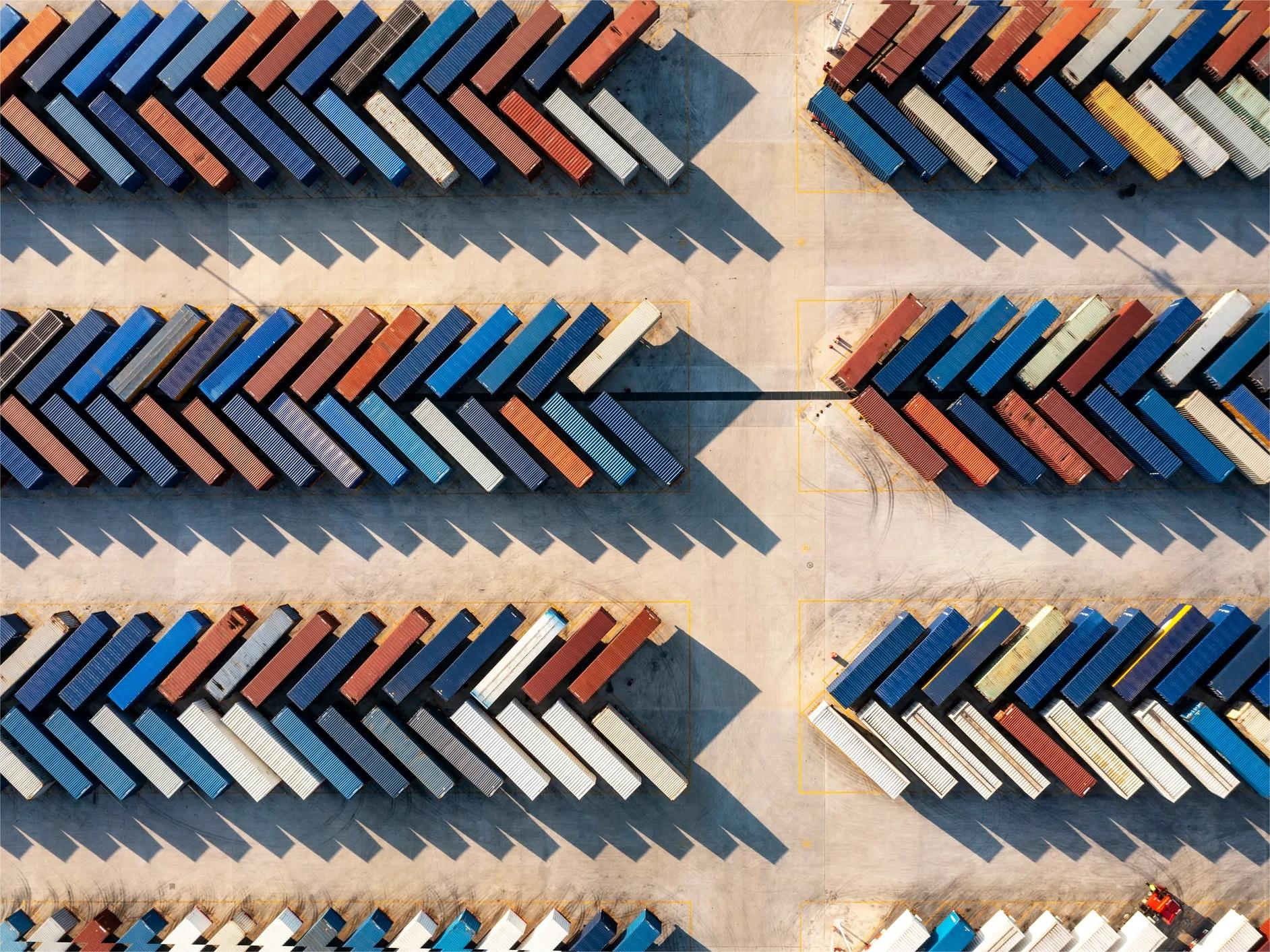
Real Case Studies for China to Argentina Routes
❖Reviewing real-world examples helps in understanding the practical application of these logistics strategies. Below are two scenarios based on market data from early 2026.
Case Study 1: Electronics from Shenzhen to Buenos Aires. A tech retailer imported 15 CBM of consumer electronics via Sea LCL. The total door-to-door time was 42 days, with all duties paid by the forwarder, resulting in a 15% cost saving compared to multiple local agents.
Case Study 2: Industrial Spare Parts from Ningbo to Rosario. A manufacturing plant required urgent components via Air Freight. The 200kg shipment arrived in 7 days, allowing the factory to resume operations quickly without dealing with customs delays.
Key Insight: Successful shipments often rely on early booking and precise documentation. Based on Q1 2026 market rates, planning at least three weeks in advance can secure better freight rates.
Which Option Should You Choose for Your Cargo?
❖Budget priority dictates that sea freight is the best path for non-urgent, high-volume goods. However, if your business model relies on fast inventory turnover, the speed of air freight justifies the higher expense.
Cargo type considerations also play a role. Fragile or perishable items often benefit from the shorter handling times associated with air transport, whereas heavy machinery is ideally suited for 40HQ containers.
Volume thresholds are important to monitor. Once your shipment exceeds 15 CBM, switching from LCL to a 20GP container often becomes more economical due to reduced handling fees per unit.
Hybrid solutions, such as sea-air combinations via intermediate ports, can sometimes offer a middle ground. Nevertheless, for the Argentina route, direct sea or air services remain the most reliable standard.
Summary of Shipping from China to Argentina
Successfully managing shipping from china to argentina ddp door to door requires a partner who understands both Chinese export laws and Argentinian import complexities. By choosing a DDP service, you eliminate the uncertainty of hidden costs and administrative delays.
Whether you choose the speed of air freight or the economy of sea freight, the door to door model provides the most comprehensive security for your cargo. As we move through 2026, staying informed about market trends and logistics innovations will remain key to your business success.
Ready to streamline your logistics?
Streamline your supply chain today with professional shipping from china to argentina ddp door to door. Contact our logistics experts for a personalized quote and ensure your goods arrive safely and on time. Send Inquiry:
Request Quote