
Freight Forwarder China to Colombia Logistics: 2026 Shipping Guide
Navigating the complexities of international trade requires a robust strategy, especially when managing freight forwarder china to colombia logistics for your business. Many importers face significant challenges regarding rising fuel surcharges and complex customs regulations in South American ports. Consequently, partnering with a reliable logistics expert like DSV-Freight ensures your cargo moves efficiently across the Pacific. This guide provides actionable insights into optimizing your supply chain for the 2026 market.
Why Choose Professional Freight Forwarder China to Colombia Logistics?
Managing international shipments involves more than just moving boxes from one point to another. Professional logistics providers offer the expertise needed to navigate fluctuating ocean freight rates and changing carrier schedules. Furthermore, they provide a buffer against the typical delays found in major transit hubs like Panama.
Reliable partners handle everything from origin pickup to final mile delivery in cities like Bogota, Medellin, or Cali. Consequently, businesses can focus on their core operations while experts manage the intricacies of global trade. In addition, using an experienced provider helps mitigate risks associated with cargo damage or loss during long-haul transit.
Without a doubt, the 2026 shipping landscape requires agility and real-time tracking capabilities. Most modern forwarders now offer digital dashboards that provide transparency throughout the entire journey. Therefore, selecting a partner with high-tech infrastructure is essential for maintaining a competitive edge in the Colombian market.
Primary Shipping Methods: Sea Freight vs Air Freight
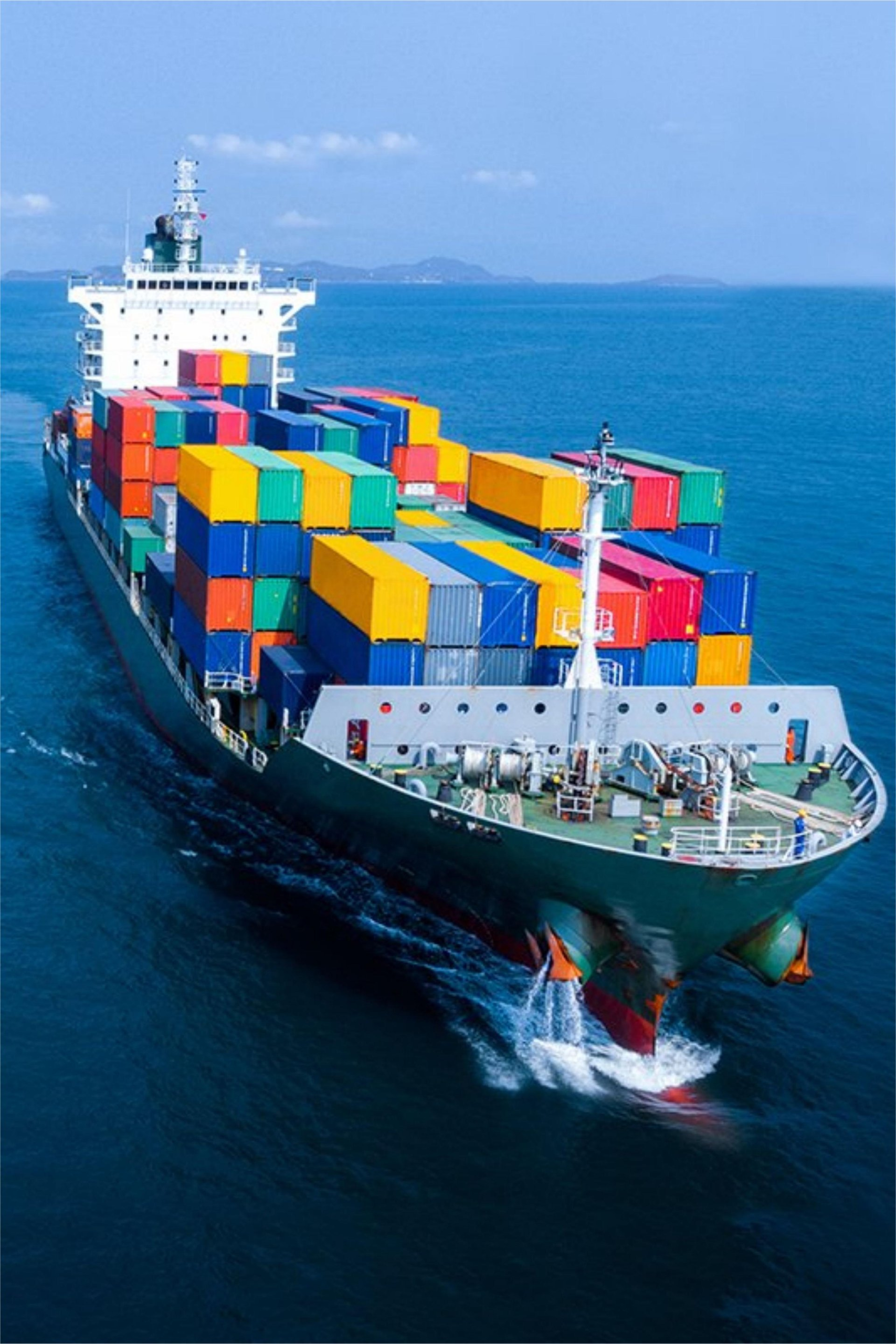
Selecting the right transportation mode is the most critical decision in your logistics planning. For large volumes of heavy goods, sea freight remains the most cost-effective solution for most importers. It allows for the transport of massive quantities at a fraction of the cost of air transport.
On the other hand, air freight is indispensable for time-sensitive cargo or high-value electronics. Although the costs are significantly higher, the transit time is reduced from weeks to mere days. This speed is often necessary to meet urgent market demands or replenish low inventory levels quickly.
Moreover, express services provide a middle ground for smaller parcels that require door-to-door convenience. These services typically include customs clearance in their pricing, making them ideal for e-commerce sellers. However, for bulk industrial equipment, traditional ocean containers are almost always the preferred choice.
| Method | Transit Time | Cost Level | Best For |
|---|---|---|---|
| Sea Freight (FCL) | 30-40 Days | Low | Bulk Goods |
| Sea Freight (LCL) | 35-45 Days | Moderate | Small Shipments |
| Air Freight | 5-9 Days | High | Electronics |
| Express | 3-6 Days | Very High | Samples |
How Does Sea Freight Compare to Other Shipping Options?
Analyzing the trade-offs between different shipping modes is essential for budget optimization. While sea freight offers the lowest cost per unit, it requires significant lead time and higher inventory carrying costs. Consequently, businesses must balance their cash flow against the slow transit times of ocean carriers.
In contrast, air freight offers unmatched speed but can be ten times more expensive than sea transport for the same weight. For instance, a 500kg shipment might cost $3,500 by air but only $600 by sea. Therefore, air freight is usually reserved for items with high profit margins or critical deadlines.
Hybrid solutions like sea-air combinations are gaining popularity in 2026 as a way to balance cost and speed. These routes often involve shipping by sea to a hub like Los Angeles or Miami and then flying the cargo to Bogota. This approach can save 15 days compared to a pure sea route while costing 40% less than direct air freight.
| Shipping Method | Cost Range | Transit Time | Limitations |
|---|---|---|---|
| Direct Sea | $2,500-$4,500 | 30-35 Days | Slow Speed |
| Transshipment | $2,100-$3,800 | 40-50 Days | Delay Risk |
| Direct Air | $6-$12 / kg | 3-5 Days | High Cost |
| Sea-Air Hybrid | $3-$5 / kg | 15-20 Days | Complex Docs |
Real-World Case Studies for 2026 Shipments
Case Study 1: Electronics from Shenzhen to Bogota. A tech retailer needed to transport 5 CBM of high-end tablets weighing 1,200 kg. They chose LCL sea freight to save on costs during a non-peak season in early 2026. Origin: Shenzhen Port. Destination: Bogota via Buenaventura. Method: LCL Sea Freight. Ocean Freight: $850. Origin Charges: $200. Destination Charges: $350. Customs & Duties: $1,200. Total Landed Cost: $2,600. Sea Transit: 34 days. Total Door-to-Door: 42 days. Key Insight: Booking 3 weeks in advance secured a lower rate before the March price hike.
Case Study 2: Textiles from Ningbo to Medellin. A fashion brand imported a full 40HQ container of raw fabrics for the summer season. Origin: Ningbo-Zhoushan Port. Destination: Medellin via Cartagena. Method: FCL Sea Freight. Ocean Freight: $4,200. Origin Charges: $450. Destination Charges: $600. Customs & Duties: $3,500. Total Landed Cost: $8,750. Sea Transit: 31 days. Total Door-to-Door: 39 days. Key Insight: Using Cartagena instead of Buenaventura avoided temporary congestion issues at the Pacific port.
Based on Q3 2025 and early 2026 market rates, these examples reflect typical costs for the China-Colombia corridor. Note: Freight rates are subject to change based on fuel costs, carrier capacity, and seasonal demand. Contact us for a current quote tailored to your specific shipment.
Navigating Customs Brokerage and Documentation
Understanding Colombian customs regulations is vital to avoid expensive storage fees and shipment seizures. Every importer must provide a commercial invoice, packing list, and a Bill of Lading or Air Waybill. Furthermore, specialized products may require certificates of origin or health permits from Colombian authorities.
Utilizing a professional customs brokerage service simplifies this process immensely. These experts ensure that your H.S. codes are classified correctly to minimize duty payments. Consequently, you avoid the risk of fines resulting from clerical errors or misdeclared cargo values.
In addition, the 2026 digital customs initiative in Colombia has streamlined some filing processes. However, physical inspections are still common for first-time importers or specific commodity groups. Therefore, having a local representative at the port of entry is a significant advantage for resolving disputes quickly.
Door to Door Logistics and Amazon FBA Services
Many modern businesses prefer a seamless experience where the forwarder handles every step of the journey. A comprehensive door to door service covers pickup, international transit, and final delivery. This model eliminates the need for the importer to coordinate with multiple local trucking companies.
For those selling on international platforms, specialized Amazon FBA logistics are available. These services ensure that your products meet the strict labeling and packaging requirements of fulfillment centers. Moreover, they manage the appointment scheduling required for successful delivery to Amazon warehouses.
Additionally, these integrated services often provide better visibility and consolidated invoicing. Instead of paying five different vendors, you receive one single bill for the entire logistics chain. Indeed, this simplicity is why many small and medium-sized enterprises are moving toward all-inclusive logistics packages in 2026.
Which Option Should You Choose? Decision Framework
Determining the best shipping strategy depends on your specific business priorities and cargo characteristics. If your primary goal is budget conservation and you have flexible timelines, sea freight is the clear winner. This is especially true for shipments exceeding 15 CBM, where full container loads become very economical.
If speed is your absolute priority due to a stock-out or product launch, air freight is the only viable path. For instance, high-value fashion items or seasonal electronics often justify the premium cost of air transport. Without a doubt, the faster time-to-market can outweigh the higher shipping expenses in these scenarios.
Cargo type also plays a significant role in the decision-making process. Perishable goods or hazardous materials require specific handling that may limit your shipping options. Consequently, you should consult with your forwarder early in the planning phase to identify any restrictions or special requirements for your specific goods.

Cost-Saving Strategies for 2026 Logistics
Reducing your logistics spend requires a proactive approach and careful planning. One effective strategy is to consolidate multiple small shipments into a single LCL or FCL booking. Furthermore, shipping during the off-peak months of March through May can result in significantly lower ocean freight rates.
Another tip is to optimize your packaging to reduce the volumetric weight of your cargo. Since air freight and express services charge based on dimensions, smaller boxes can lead to substantial savings. Additionally, negotiating long-term contracts with your forwarder can secure more stable pricing during volatile market periods.
Finally, always compare quotes from multiple ports of loading in China, such as Ningbo, Shanghai, and Shenzhen. Sometimes, a slightly longer inland haul in China can be offset by a much cheaper ocean freight rate from a different port. Therefore, flexibility in your origin logistics can lead to better overall cost efficiency.
Mastering Your China to Colombia Supply Chain
Successfully managing freight forwarder china to colombia logistics requires a blend of strategic planning and expert execution. By understanding the differences between sea and air freight, you can make informed decisions that balance cost and speed. Furthermore, staying updated on the latest 2026 customs regulations ensures your shipments avoid unnecessary delays at the border.
Ultimately, the right logistics partner acts as an extension of your business, providing the tools and knowledge needed to scale in the Colombian market. Whether you are shipping full containers or small parcels, focus on transparency, reliability, and cost-efficiency. Start optimizing your routes today to secure a competitive advantage for the year ahead.
Get Your Shipping Quote Today
Streamline your supply chain today with expert freight forwarder china to colombia logistics. Our team provides tailored solutions to ensure your cargo arrives safely and on time. Visit our website to request a personalized quote and optimize your 2026 shipping strategy. Send Inquiry: https://dsv-freight.com/contact/
Request Quote