

China to UAE Cargo Shipping Door to Door Service: 2026 Logistics Guide
Navigating the complexities of international trade requires a reliable partner to manage your supply chain from factory floor to final destination. For businesses importing goods into the Middle East, finding a professional china to uae cargo shipping door to door service is the most effective way to ensure consistency and cost-efficiency. This comprehensive guide explores the logistics landscape in 2026, providing the insights you need to streamline your operations and reduce overhead costs.

What is China to UAE Cargo Shipping Door to Door Service?
Door to door shipping is a comprehensive logistics solution where the freight forwarder manages every stage of the journey. Specifically, the provider picks up the cargo from the supplier in China and delivers it directly to the recipient’s warehouse or office in the UAE.
Moreover, this service typically includes inland trucking, export customs clearance, international transport, and final-mile delivery. By consolidating these steps, importers can avoid the headache of coordinating with multiple vendors across different time zones.
Consequently, businesses can focus on their core operations while the logistics provider handles the intricate details of international documentation. This model has become the gold standard for modern supply chains looking for predictability in 2026.
Furthermore, choosing this integrated approach often leads to better risk management and clearer communication throughout the shipping process. It eliminates the gaps where cargo often gets delayed or lost during handovers between different agents.
How Does Sea Freight Compare to Other Shipping Options?
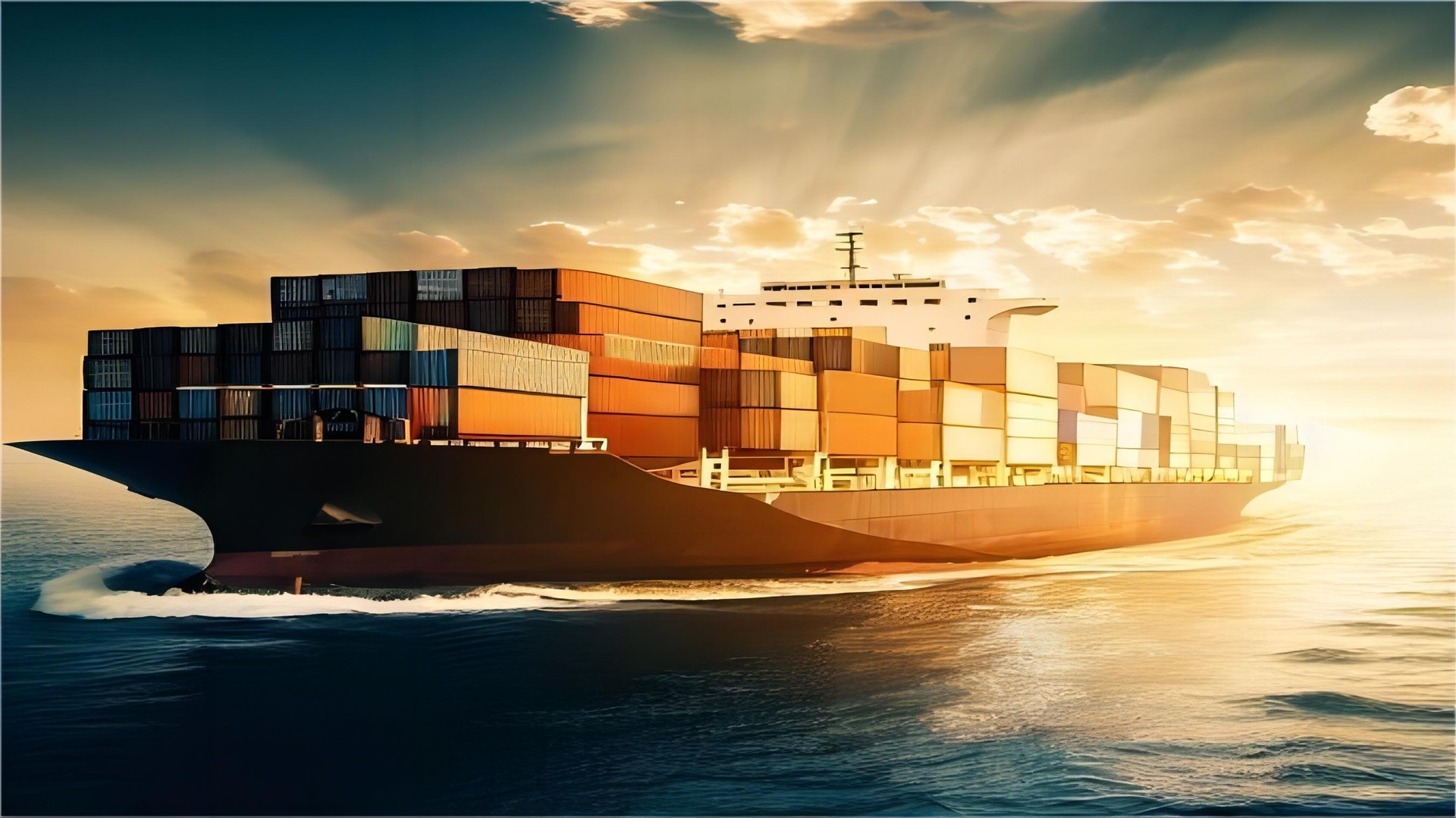
When evaluating your logistics strategy, understanding the trade-offs between different transport modes is essential for budget optimization. While sea freight remains the most popular choice for bulk commodities, other options provide necessary speed for high-value items.
In contrast to air transport, ocean shipping offers significantly lower costs per cubic meter, making it ideal for large-scale inventory replenishment. However, the transit time is much longer, requiring careful inventory planning to avoid stockouts.
Additionally, hybrid solutions like sea-air combinations have gained traction in early 2026 for those seeking a middle ground. These services often involve shipping by sea to a hub like Singapore or Colombo before flying the cargo to Dubai World Central.
Regarding environmental impact, ocean vessels produce fewer carbon emissions per ton-mile than airplanes. For companies with strict ESG goals, sea freight is often the preferred method for long-haul international logistics.
| Shipping Method | Cost Range (USD) | Transit Time | Best For | Limitations |
|---|---|---|---|---|
| Sea Freight (FCL) | $1,800 – $3,200 | 25-35 Days | Bulk Goods | Slow Speed |
| Air Freight | $4.50 – $8.00/kg | 3-7 Days | High Value | Expensive |
| Express Service | $8.00 – $15.00/kg | 2-4 Days | Documents/Samples | Weight Limits |
| Sea-Air Hybrid | $2.50 – $4.00/kg | 12-18 Days | Mid-range Budget | Complex Transit |
Which Option Should You Choose? Decision Framework
Choosing the right method depends heavily on your specific business priorities, cargo type, and market demand. If your primary goal is budget priority, we recommend sea freight for any shipment exceeding 2 cubic meters.
On the other hand, if speed priority is your main concern due to a product launch or urgent contract, air freight is the only viable solution. For cargo volume thresholds, shipments under 100kg are usually more economical via express courier due to lower minimum handling fees.
Specifically, for fragile or temperature-sensitive goods, air transport provides a smoother ride and less time in transit. Meanwhile, heavy machinery and construction materials are almost exclusively shipped via 40-foot containers to keep costs manageable.
Ultimately, a balanced supply chain often utilizes a mix of both methods to hedge against port congestion or sudden spikes in consumer demand. Market data suggests that 2026 will see more businesses adopting this multi-modal approach.
Why Choose Door to Door Shipping for UAE Imports?
The UAE market is highly competitive, and delays in receiving stock can lead to lost market share and customer dissatisfaction. Utilizing a dedicated door to door service ensures that your goods move through the system with minimal friction.
In addition, this service simplifies the financial aspect of shipping by providing a single, all-inclusive quote. This transparency helps businesses calculate their landed cost accurately, which is vital for setting retail prices and maintaining margins.
Furthermore, professional logistics providers have established relationships with local customs officials in Dubai, Abu Dhabi, and Sharjah. These connections facilitate faster processing and help resolve potential issues before they cause significant delays.
Indeed, the convenience of having a single point of contact cannot be overstated when managing complex international shipments. You receive updates from one source rather than chasing multiple carriers, truckers, and brokers.
What are the Transit Times for China to UAE Cargo?
Transit times in 2026 are influenced by port efficiency, carrier schedules, and the specific origin city in China. For example, shipments leaving from southern hubs like Shenzhen or Guangzhou generally arrive faster than those from northern ports like Tianjin.
Typically, air freight from major Chinese airports to Dubai International (DXB) takes between 3 to 5 days, including handling. For more remote destinations in the UAE, add an additional 24 to 48 hours for local trucking.
Meanwhile, sea freight transit times have stabilized in early 2026 following previous global disruptions. Direct sailings from Shanghai to Jebel Ali Port usually take about 22 to 28 days on the water.
However, you must factor in the time required for loading at the origin and customs clearance at the destination. A total door-to-door sea freight timeline usually spans 35 to 45 days depending on the efficiency of the local logistics infrastructure.
| Origin City | Destination | Air (Days) | Sea (Days) |
|---|---|---|---|
| Shenzhen | Dubai | 3-4 | 22-25 |
| Shanghai | Abu Dhabi | 4-5 | 25-30 |
| Ningbo | Sharjah | 4-6 | 28-32 |
| Qingdao | Jebel Ali | 5-7 | 30-35 |
How Much Does China to UAE Cargo Shipping Cost in 2026?
Freight rates are subject to change based on fuel costs, carrier capacity, and seasonal demand. According to industry benchmarks for Q1 2026, sea freight rates have remained relatively steady compared to the volatility seen in previous years.
Specifically, a 20GP container from China to the UAE currently ranges between $1,800 and $2,500, while 40HQ containers are priced between $3,000 and $4,200. These prices fluctuate during the peak season from August to October.
Regarding smaller shipments, LCL (Less than Container Load) rates are approximately $50 to $90 per cubic meter. This makes LCL an excellent alternative for small businesses that do not have enough volume to fill an entire container.
Note: Freight rates are subject to change based on fuel costs, carrier capacity, and seasonal demand. Contact us for a current quote tailored to your specific shipment. Always ensure you are looking at the total landed cost, including local charges and duties.
What Documents are Required for UAE Customs?
Navigating the regulatory environment in the UAE requires precise documentation to avoid costly fines or cargo seizures. Working with an experienced customs brokerage partner is the best way to ensure all paperwork is in order.
The primary documents required for most shipments include the Commercial Invoice, Packing List, and the Bill of Lading or Air Waybill. Additionally, a Certificate of Origin is often mandatory to verify where the goods were manufactured.
For specific categories like food, cosmetics, or electronics, you may need additional permits from the UAE Ministry of Health or the Telecommunications Regulatory Authority. Failure to provide these can lead to indefinite delays at the port of entry.
Consequently, it is vital to prepare these documents well in advance of the cargo’s arrival. Modern digital customs systems in the UAE allow for pre-clearance, which can significantly speed up the delivery process once the vessel docks.
| Document Name | Purpose | Required For | Source |
|---|---|---|---|
| Commercial Invoice | Value Declaration | All Shipments | Exporter |
| Packing List | Content Detail | All Shipments | Exporter |
| Bill of Lading | Title to Goods | Sea Freight | Carrier |
| Certificate of Origin | Trade Compliance | Most Goods | Chamber of Commerce |
Shipping Methods and Alternative Strategies
While direct shipping is the most common approach, alternative strategies can offer significant cost savings or speed advantages. For instance, using express service for high-priority components can prevent factory shutdowns even if bulk materials are delayed.
Another strategy is to utilize bonded warehousing in the UAE to manage inventory more effectively. This allows you to defer the payment of import duties until the goods are actually sold and moved out of the warehouse.
Moreover, transshipment via major hubs like Singapore or Port Klang can sometimes offer lower freight rates, though it increases transit time by 5 to 10 days. This is a viable option for non-urgent cargo where budget is the primary driver.
In addition, consolidating shipments from multiple suppliers in China into a single container can drastically reduce your per-unit shipping cost. This strategy, known as buyer’s consolidation, is highly effective for retail businesses sourcing from various factories.
Real-World Case Studies for China-UAE Shipping
Reviewing actual logistics scenarios helps importers understand the practical challenges and outcomes of different shipping methods. Below are three case studies based on market data from late 2025 and early 2026.
These examples highlight the importance of choosing the right mode based on cargo volume and urgency. They also demonstrate how door to door services manage the entire chain effectively.
+———————————————————+ | Case Study 1: Electronics from Shenzhen to Dubai | +———————————————————+ | Route: Shenzhen, China -> Dubai, UAE | | Cargo: Consumer Electronics, 5 CBM, 1,200 kg | | Method: Air Freight Door to Door | | | | Shipping Details: | | – Carrier: Major Middle Eastern Airline | | – Port of Loading: Shenzhen (SZX) | | – Port of Discharge: Dubai (DXB) | | | | Cost Breakdown: | | – Air Freight: $6,600 | | – Origin/Dest Charges: $450 | | – Customs & Duties: $850 | | – Total Landed Cost: $7,900 | | | | Timeline: | | – Total Door-to-Door: 6 days | | | | Key Insight: High-value cargo justified the air speed | | to meet a seasonal product launch deadline. | +———————————————————+
+———————————————————+ | Case Study 2: Furniture for Abu Dhabi Retailer | +———————————————————+ | Route: Foshan, China -> Abu Dhabi, UAE | | Cargo: Home Furniture, 28 CBM | | Container: 1 x 20GP | | | | Shipping Details: | | – Carrier: COSCO | | – Port of Loading: Nansha, Guangzhou | | – Port of Discharge: Khalifa Port | | | | Cost Breakdown: | | – Ocean Freight: $2,100 | | – Origin/Dest Charges: $600 | | – Customs & Duties: $1,200 | | – Total Landed Cost: $3,900 | | | | Timeline: | | – Total Door-to-Door: 34 days | | | | Key Insight: FCL shipping provided the lowest cost per | | unit for these bulky, non-urgent items. | +———————————————————+
+———————————————————+ | Case Study 3: Spare Parts for Sharjah Industrial Zone | +———————————————————+ | Route: Shanghai, China -> Sharjah, UAE | | Cargo: Industrial Machinery Parts, 0.5 CBM, 80 kg | | Method: Express Door to Door | | | | Shipping Details: | | – Carrier: DHL/FedEx | | – Route Type: Direct Express | | | | Cost Breakdown: | | – Express Freight: $950 | | – Customs & Duties: $120 | | – Total Landed Cost: $1,070 | | | | Timeline: | | – Total Door-to-Door: 3 days | | | | Key Insight: Express was chosen to minimize downtime | | for a critical manufacturing facility. | +———————————————————+
Mastering Your China to UAE Logistics
Successfully managing a china to uae cargo shipping door to door service requires a deep understanding of transit modes, costs, and customs regulations. By selecting the right partner, you can transform your logistics from a source of stress into a competitive advantage.
Whether you choose the speed of air freight or the economy of sea freight, the key is consistency and clear communication. As the trade relationship between China and the UAE continues to grow in 2026, staying informed about market trends will ensure your business remains agile and profitable.
In summary, prioritize your shipping strategy based on your specific cargo needs and use the data provided in this guide to make informed decisions. A professional door to door service is the ultimate tool for achieving seamless international trade.

Need a tailored shipping solution?
Ready to simplify your supply chain with a reliable china to uae cargo shipping door to door service? Contact the experts at DSV-Freight today for a customized quote that meets your budget and timeline. Visit our website to learn more about our comprehensive logistics solutions for 2026. Send Inquiry: info@dsv-freight.com