
Amazon FBA China to USA Sea Freight 40HC Container Guide 2026
Navigating the complexities of global trade requires a reliable partner like DSV-Freight to ensure your supply chain remains resilient. When scaling your e-commerce business, utilizing amazon fba china to usa sea freight 40hc container options offers the most significant volume-to-cost ratio available in the current market. This comprehensive guide explores how to optimize your shipping strategy to maximize profit margins while maintaining consistent inventory levels in 2026.
What is an Amazon FBA China to USA Sea Freight 40HC Container?
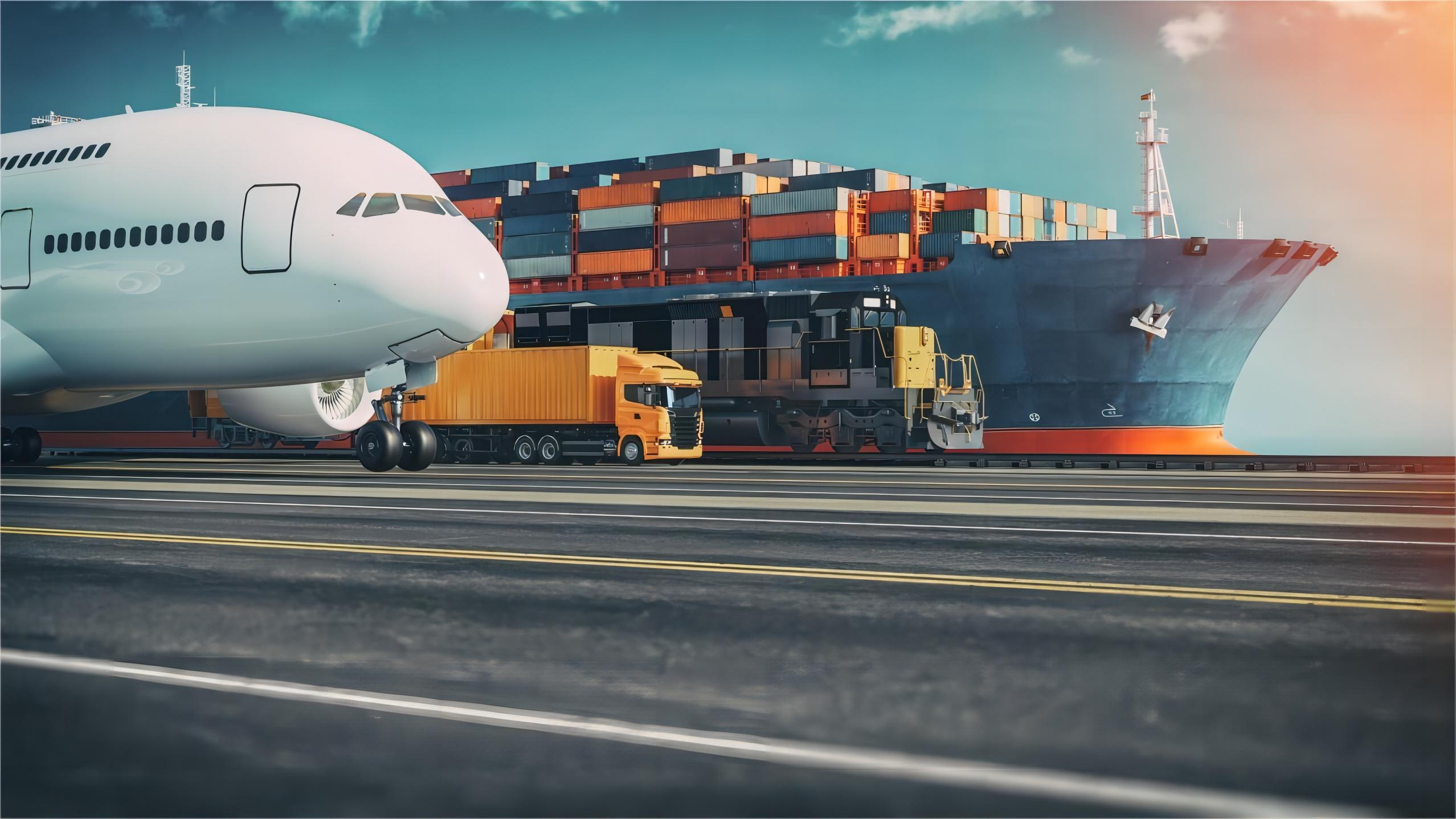
A 40HC or 40-foot High Cube container is the primary workhorse for modern international trade. Consequently, most Amazon sellers prefer this specific container type because it provides an extra foot of vertical height compared to standard units. This additional space allows for approximately 76 cubic meters of cargo, which is vital for lightweight but bulky e-commerce goods.
Furthermore, using a full container load for your Amazon FBA shipments significantly reduces the risk of damage. Unlike less than container load shipments, your goods are not handled alongside other shippers items. Therefore, the integrity of your packaging remains intact from the factory in China to the fulfillment center in the USA.
Moreover, the 40HC container is optimized for palletized cargo. Most US warehouses prefer standard pallet dimensions, and the High Cube design accommodates double-stacking more efficiently than standard 40-foot units. Indeed, this efficiency translates directly into lower per-unit shipping costs for high-volume sellers.
Current 2026 Freight Rates for 40HC Containers
Shipping costs have stabilized in early 2026 following the disruptions seen in previous years. However, market demand and fuel surcharges still influence the final price you pay at the port. Current data suggests that rates for a 40HC container from China to the US West Coast are significantly lower than those to the East Coast.
Additionally, seasonal fluctuations remain a critical factor for budget planning. For example, rates typically peak during the third quarter as sellers prepare for the holiday rush. Meanwhile, the first quarter often sees lower rates, making it an ideal time for bulk replenishment of evergreen inventory.
Below is a breakdown of typical ocean freight rates as of early 2026 for major routes.
| Route | 20GP Rate | 40HC Rate | Transit Time |
|---|---|---|---|
| China to US West Coast | $1,900 – $2,600 | $3,100 – $4,200 | 14-20 Days |
| China to US East Coast | $2,800 – $3,800 | $4,800 – $6,300 | 30-38 Days |
| China to US Gulf Coast | $2,600 – $3,500 | $4,500 – $5,900 | 28-35 Days |
How Does Sea Freight Compare to Other Shipping Options?
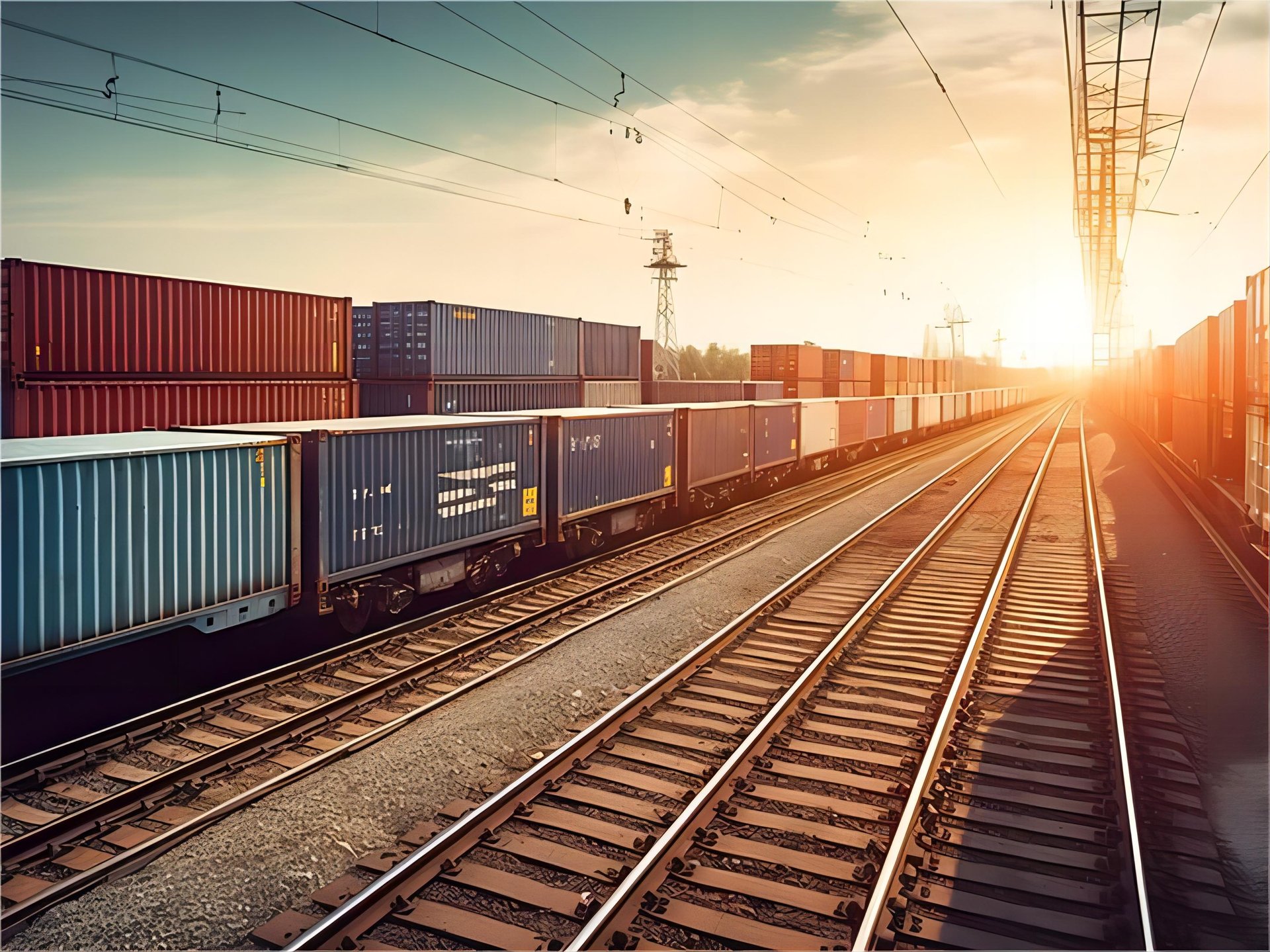
Choosing the right mode of transport depends on your specific balance of speed and budget. While sea freight is the most economical choice for large volumes, it requires careful lead time management. In contrast, air freight offers rapid delivery but at a much higher price point per kilogram.
Consequently, many sellers use a hybrid strategy. They might send a small portion of inventory via air to avoid stockouts while the bulk of their goods travels in a 40HC container. Therefore, understanding the trade-offs between different methods is essential for maintaining a healthy supply chain.
Without a doubt, sea freight remains the king of volume. If you are moving more than 15 cubic meters of goods, the cost savings of a full container are too significant to ignore. Nevertheless, the longer transit time means you must commit to capital for a longer period.
| Method | Cost Level | Speed | Best For |
|---|---|---|---|
| Sea Freight (FCL) | Lowest | 15-40 Days | Bulk Inventory |
| Air Freight | Highest | 3-7 Days | Urgent Restock |
| Sea-Air Hybrid | Medium | 12-18 Days | Balanced Needs |
| LCL Sea Freight | Low-Medium | 20-45 Days | Small Batches |
Navigating Customs Clearance and Import Duties
Importing goods into the USA involves complex legal requirements and documentation. Proper customs brokerage is necessary to ensure your 40HC container does not face unnecessary delays at the port of entry. Indeed, missing paperwork can lead to expensive demurrage fees that eat into your profits.
Furthermore, you must accurately classify your products using the Harmonized Tariff Schedule. Consequently, the duties you pay are determined by these codes. In addition, certain goods may be subject to anti-dumping duties or Section 301 tariffs, which significantly impact your landed cost.
Meanwhile, ensure your commercial invoice and packing list match the physical contents of the container exactly. Any discrepancy can trigger a customs exam. As a result, your shipment could be delayed by several days or even weeks while the authorities verify the cargo.
Door to Door Logistics for Amazon Sellers
Most Amazon FBA sellers prefer a seamless door to door service. This model involves the freight forwarder picking up goods at the factory in China and delivering them directly to the designated FBA warehouse. Accordingly, this reduces the administrative burden on the seller.
Moreover, the forwarder handles the trucking from the US port to the final destination. Because Amazon has strict delivery windows, coordination between the drayage company and the warehouse is vital. Therefore, working with a logistics provider experienced in Amazon’s carrier central system is a major advantage.
Additionally, your goods must be labeled according to FBA standards before they reach the warehouse. If your factory cannot do this, your forwarder can often provide prep services at a third-party logistics facility. Consequently, your inventory arrives ready for immediate check-in and sale.
Case Study 1: Large Scale Electronics Shipment
Route: Shenzhen, China to Long Beach, USA. Cargo: Consumer electronics, 68 CBM, 12,000 kg. Container: 40HC. Shipping Details: Direct service via major carrier. Port of Loading: Shenzhen. Port of Discharge: Long Beach.
Cost Breakdown: Ocean Freight: $3,450. Origin Charges: $450. Destination Charges: $600. Customs and Duties: $4,200. Total Landed Cost: $8,700. Timeline: Booking to Loading: 4 days. Sea Transit: 16 days. Customs Clearance: 2 days. Total Door-to-Door: 28 days.
Key Insight: By using a 40HC container instead of multiple LCL shipments, the seller saved approximately 22 percent on total logistics costs. Based on Q1 2026 market rates, this direct route remains the most efficient for West Coast distribution.
Case Study 2: Home Decor Distribution to East Coast
Route: Ningbo, China to Savannah, USA. Cargo: Wooden furniture and decor, 72 CBM, 15,500 kg. Container: 40HC. Shipping Details: All-water route via Panama Canal. Port of Loading: Ningbo. Port of Discharge: Savannah.
Cost Breakdown: Ocean Freight: $5,200. Origin Charges: $500. Destination Charges: $850. Customs and Duties: $3,100. Total Landed Cost: $9,650. Timeline: Booking to Loading: 5 days. Sea Transit: 32 days. Customs Clearance: 3 days. Total Door-to-Door: 45 days.
Key Insight: While the transit time was longer, the seller avoided the high trucking costs of moving goods from the West Coast to their East Coast warehouse. Typical rates as of early 2026 suggest that the all-water route is superior for heavy or bulky items destined for the Atlantic region.
Which Option Should You Choose for Your Business?
Selecting between container sizes and shipping methods requires a clear understanding of your inventory turnover. If your budget is the priority, the amazon fba china to usa sea freight 40hc container is almost always the winner for large volumes. However, if speed is the priority, you may need to consider air freight or a faster sea service.
For cargo volumes between 15 and 30 cubic meters, a 20GP container might seem attractive, but the price difference to a 40HC is often negligible. Therefore, it is usually better to wait until you have enough stock to fill the larger unit. Consequently, your per-unit shipping cost drops significantly.
In contrast, if you have very small shipments, LCL is the only viable sea option. Nevertheless, be aware that LCL has higher risks of delays and damage due to increased handling. Without a doubt, the 40HC remains the gold standard for established Amazon brands.
Cost Saving Strategies for 40HC Shipments
To maximize your investment, consider consolidating orders from multiple suppliers into a single 40HC container. This strategy, known as buyer consolidation, allows you to enjoy FCL rates even if no single supplier has enough goods to fill a container. Furthermore, it simplifies your customs entry process.
Another effective method is to optimize your packaging dimensions. By reducing the size of your product boxes by just a few millimeters, you might fit hundreds of additional units into the same 40HC space. Indeed, small changes in packaging can lead to thousands of dollars in annual savings.
Finally, always book your shipments at least 3-4 weeks in advance. Last-minute bookings often incur premium rates and may face equipment shortages. Therefore, proactive planning is the most effective way to secure the best possible market rates.
Final Thoughts on 40HC Container Shipping
Successfully managing amazon fba china to usa sea freight 40hc container logistics is a cornerstone of a profitable e-commerce business. By understanding the costs, transit times, and documentation requirements, you can make informed decisions that protect your bottom line.
As we move through 2026, staying adaptable to market trends and maintaining a strong relationship with your freight forwarder will be more important than ever. Remember that the cheapest rate is not always the best value if it leads to stockouts or damaged goods. Focus on reliability and efficiency to ensure long-term success in the competitive Amazon marketplace.
Ready to streamline your logistics?
Ready to optimize your supply chain with a reliable amazon fba china to usa sea freight 40hc container solution? Contact the experts at DSV-Freight today for a customized quote and professional logistics support. Visit our website to see how we can streamline your shipping process for 2026. Send Inquiry: https://dsv-freight.com/
Frequently Asked Questions
How much cargo fits in a 40HC container?
A 40HC container typically holds about 76 cubic meters of cargo. This allows for approximately 20 to 22 standard pallets depending on how they are stacked and the dimensions of the goods.
What is the transit time from China to the USA?
Transit times vary by port. Shipping to the West Coast takes 14 to 20 days, while the East Coast takes 30 to 40 days via the Panama Canal. Door-to-door delivery adds another 7 to 14 days.
Are 40HC rates higher than standard 40GP rates?
Usually, the price difference between a 40GP and a 40HC is very small, often less than 100 dollars. Given the extra vertical space, the 40HC provides much better value for most Amazon sellers.
Does Amazon accept full container deliveries?
Yes, Amazon accepts FCL deliveries, but they must be scheduled through Carrier Central. The container must be floor-loaded or palletized according to strict FBA safety and labeling requirements.
What documents are needed for sea freight?
You will need a Bill of Lading, Commercial Invoice, Packing List, and an ISF filing. For certain products, you might also need certificates of origin or specific FDA and EPA documentation.
Can I track my 40HC container during transit?
Most modern freight forwarders provide real-time GPS tracking for containers. You can monitor the vessel’s progress across the ocean and receive updates on estimated arrival times at the US port.
How do I avoid port demurrage fees?
Ensure all customs paperwork is filed correctly and duties are paid before the ship docks. Arrange for prompt drayage to move the container out of the port within the free time allowed by the carrier.
Is insurance necessary for sea freight?
While not legally required, cargo insurance is highly recommended. It protects your investment against maritime accidents, theft, or damage during the long journey from China to the USA.