

Amazon FBA China to UAE Warehouse Service: 2026 Logistics Guide
Navigating the complexities of an amazon fba china to uae warehouse service requires a reliable partner to ensure your inventory reaches its destination without delays. At DSV-Freight, we specialize in bridging the gap between Chinese manufacturing hubs and Middle Eastern fulfillment centers. This guide provides essential insights into shipping costs, transit times, and logistics strategies for the 2026 market landscape.

What is the amazon fba china to uae warehouse service?
Sellers who utilize the Amazon FBA program in the United Arab Emirates must manage a complex supply chain spanning thousands of miles. This specialized service involves collecting goods from factories in China, performing quality checks, and preparing them according to strict Amazon standards.
Moreover, the process includes labeling, palletizing, and ensuring that every box meets the specific requirements of UAE fulfillment centers like DXB3 or AUH1. Consequently, choosing a provider that understands both Chinese export regulations and UAE import laws is vital for maintaining a healthy seller account.
Logistics experts handle the entire journey, providing end-to-end visibility through advanced tracking systems. Furthermore, these services often include temporary warehousing in China to consolidate multiple orders before they depart for the Middle East.
Efficient cargo handling ensures that fragile items remain protected during the long transit across the Indian Ocean or via air corridors. Therefore, businesses can focus on marketing and sales while the logistics provider manages the heavy lifting of physical distribution.
How Does the amazon fba china to uae warehouse service Compare to Other Options?
Choosing the right shipping method depends heavily on your budget, inventory volume, and how quickly you need to restock. Specifically, sea freight remains the most popular choice for large-scale shipments due to its cost-effectiveness.
In contrast, air freight offers unmatched speed for high-value or seasonal products that must reach the market within days. Additionally, express services provide a premium door-to-door solution for smaller parcels that require urgent delivery to Amazon warehouses.
Market data suggests that while sea freight costs are significantly lower, the transit times can be up to five times longer than air options. Specifically, as of early 2026, sea freight rates have stabilized, making it an attractive option for bulk inventory replenishment.
| Shipping Method | Cost Range (USD) | Transit Time | Best For |
|---|---|---|---|
| Sea Freight (FCL) | $1,200 – $2,200 | 20-28 Days | Bulk Shipments |
| Sea Freight (LCL) | $80 – $150/CBM | 25-35 Days | Small Batches |
| Air Freight | $3.50 – $6.00/kg | 5-8 Days | Urgent Stock |
| Express Service | $7.00 – $12.00/kg | 3-5 Days | Samples/Small |

Why Choose Air Freight for Your UAE FBA Shipments?
Speed is the primary advantage when you opt for air freight to move your goods from China to the UAE. Indeed, most air shipments arrive in Dubai or Abu Dhabi within a week, allowing sellers to respond rapidly to unexpected spikes in demand.
Furthermore, air transport reduces the risk of damage or theft because the goods spend less time in transit and undergo fewer handling stages. Consequently, high-value electronics and luxury items are frequently shipped via this method to ensure they arrive in pristine condition.
Logistics trends in 2026 show an increasing number of Amazon sellers using a hybrid approach, sending a small portion of stock via air while the bulk follows by sea. This strategy ensures that the ‘Active’ listing never goes out of stock while maintaining a low average shipping cost per unit.
Notably, air freight also involves simpler customs procedures in some cases, as the volume of documentation is often lower for smaller, frequent shipments. However, sellers must still ensure all FBA labels are correctly applied before the plane departs from Shenzhen or Shanghai.
Which Option Should You Choose? Decision Framework
Determining the best logistics strategy requires a careful analysis of your current inventory levels and profit margins. If your primary goal is cost-saving and you have a lead time of at least six weeks, sea freight is undoubtedly the superior choice.
On the other hand, if you are launching a new product and need to test the market quickly, air freight provides the necessary agility. For shipments weighing less than 100kg, express services often prove more economical than traditional air freight due to their all-inclusive pricing models.
Volume thresholds also play a critical role in this decision. For instance, once your shipment exceeds 15 CBM, booking a full 20GP container often becomes cheaper than paying for individual cubic meters in a shared LCL shipment.
Consider the following criteria for your 2026 shipping strategy: prioritize speed for Q4 peak seasons and prioritize cost-efficiency during the slower summer months in the UAE.
Understanding Customs Brokerage and Documentation in the UAE
Navigating the regulatory environment of the UAE requires a deep understanding of local laws and import requirements. Utilizing a professional customs brokerage service can prevent your goods from being held at the port of Jebel Ali or Dubai World Central.
Specifically, every shipment must be accompanied by a commercial invoice, a packing list, and a certificate of origin. Furthermore, UAE customs authorities require an import code, which must be obtained by a locally registered entity or your appointed agent.
As a result of recent digital transformations in 2025 and 2026, most documentation is now processed through online portals like Dubai Trade. This system has significantly reduced the time required for clearance, provided that all paperwork is accurate and complete.
Importantly, sellers should be aware of the 5 percent VAT applicable in the UAE, which is calculated based on the CIF value of the goods. Properly declaring the value of your inventory is essential to avoid penalties or audits from the Federal Tax Authority.
| Document Name | Required For | Issued By | Status |
|---|---|---|---|
| Commercial Invoice | Value Declaration | Exporter | Mandatory |
| Packing List | Cargo Verification | Exporter | Mandatory |
| Bill of Lading | Title of Goods | Carrier | Mandatory |
| COO | Origin Proof | Chamber of Commerce | Mandatory |
The Role of Door to Door Logistics in Amazon Success
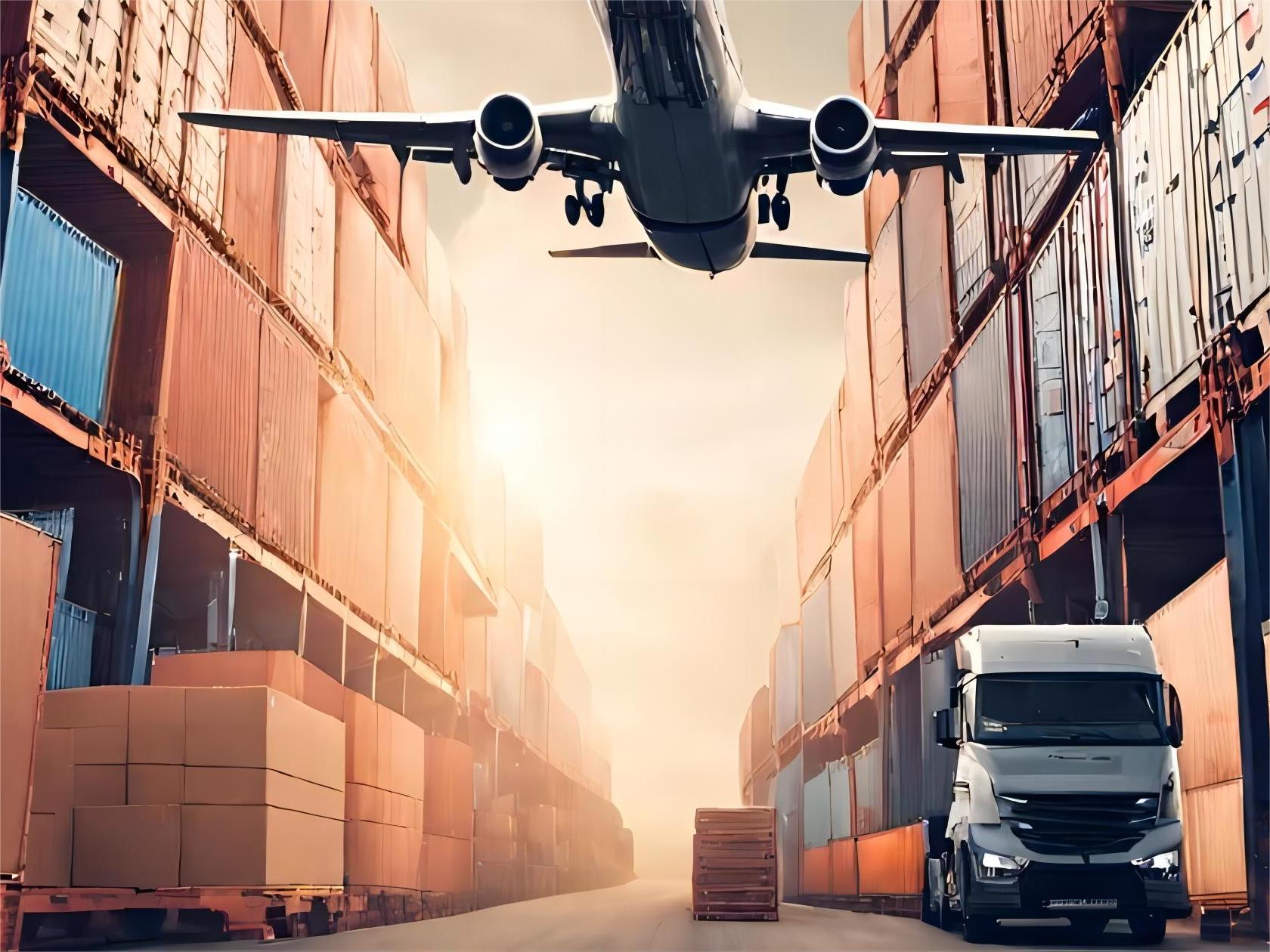
Implementing a door to door solution simplifies the entire logistics chain for Amazon sellers. This service covers everything from the factory pickup in China to the final delivery at the Amazon warehouse door in the UAE.
Moreover, it eliminates the need for sellers to coordinate between multiple freight forwarders, truckers, and customs agents. Consequently, this integrated approach reduces the likelihood of communication errors that could lead to missed delivery appointments at FBA centers.
Sellers who use door-to-door services benefit from a single point of contact and a unified invoice, which simplifies financial management. Additionally, these services usually include DDP (Delivered Duty Paid) options, meaning the forwarder handles all taxes and duties on behalf of the seller.
Ultimately, this level of service allows entrepreneurs to scale their business without getting bogged down in the minutiae of international shipping. By delegating the logistics to experts, you ensure that your delivery schedule remains consistent and your customers remain satisfied.
Real-World Case Studies: China to UAE FBA Shipments
Examining actual shipping scenarios helps illustrate the practical application of different logistics methods. Below are two cases based on typical market rates and transit times observed in early 2026.
Case Study 1: Electronics from Shenzhen to DXB3. Route: Shenzhen, China to Dubai, UAE. Cargo: 500kg of smart home devices. Shipping Method: Air Freight. Total Landed Cost: $3,200. Transit Time: 6 days. Key Insight: Using air freight allowed the seller to capitalize on a viral social media trend before competitors could restock.
Case Study 2: Home Decor from Ningbo to Jebel Ali. Route: Ningbo, China to Jebel Ali Port, UAE. Cargo: 12 CBM of assorted furniture. Shipping Method: LCL Sea Freight. Total Landed Cost: $1,850. Transit Time: 24 days. Key Insight: Consolidating multiple small orders into one LCL shipment significantly reduced the shipping cost per unit for this seller.
Note: Freight rates are subject to change based on fuel costs, carrier capacity, and seasonal demand. Contact us for a current quote tailored to your specific shipment.
How to Reduce Shipping Costs in 2026
Reducing your logistics expenses is one of the most effective ways to increase your profit margins as an Amazon seller. One effective strategy is to optimize your packaging to reduce the volumetric weight of your shipments, especially for air freight.
Additionally, consolidating shipments from different suppliers into a single container can lead to massive savings on origin charges and documentation fees. Furthermore, booking your shipments at least two to three weeks in advance can help you secure lower freight rates before capacity tightens.
Market intelligence for 2026 suggests that shipping during the ‘off-peak’ weeks of the month can also result in lower quotes from carriers. Specifically, avoid the last week of the month when many shippers are rushing to meet monthly targets, causing a temporary spike in prices.
Finally, always request quotes from multiple providers to ensure you are receiving the most competitive market rate. However, remember that the cheapest option is not always the best if it results in frequent delays or poor communication.
Mastering Your Amazon FBA Logistics
Successfully managing an amazon fba china to uae warehouse service requires a balance of speed, cost, and reliability. By understanding the differences between sea and air freight, and leveraging professional customs brokerage, you can ensure your products are always available to customers.
As the UAE e-commerce market continues to grow in 2026, having a robust logistics strategy will be your greatest competitive advantage. Trust in experienced partners to handle your inventory, allowing you to focus on scaling your brand to new heights.
Need a tailored shipping solution?
Take control of your supply chain today with our expert amazon fba china to uae warehouse service. Contact the team at DSV-Freight to receive a customized quote and streamline your path to success in the Middle Eastern market. Visit our website to learn more about our comprehensive logistics solutions.
Frequently Asked Questions
How long does sea freight take from China to UAE?
Typically, sea freight transit times range from 20 to 30 days depending on the port of loading and the specific carrier used.
What are the main Amazon warehouses in the UAE?
The primary fulfillment centers are located in Dubai (DXB3, DXB5) and Abu Dhabi (AUH1), handling the majority of FBA inventory.
Do I need a UAE trade license to ship to FBA?
While you need a legal entity to import, many freight forwarders offer DDP services where they act as the importer of record.
What is the VAT rate for imports into the UAE?
The standard VAT rate is 5 percent, calculated on the cost, insurance, and freight value of the imported goods.
Can I ship small quantities from China to UAE FBA?
Yes, you can use LCL sea freight or express courier services for smaller shipments that do not fill a whole container.
What is FBA prep service in China?
This service involves labeling, bagging, and palletizing your goods in a Chinese warehouse to meet Amazon’s strict entry requirements.
How are shipping costs calculated in 2026?
Costs are based on weight, volume, fuel surcharges, and current market demand, which fluctuates seasonally.
Is insurance necessary for FBA shipments?
We highly recommend cargo insurance to protect your investment against potential damage or loss during the international transit phase.