
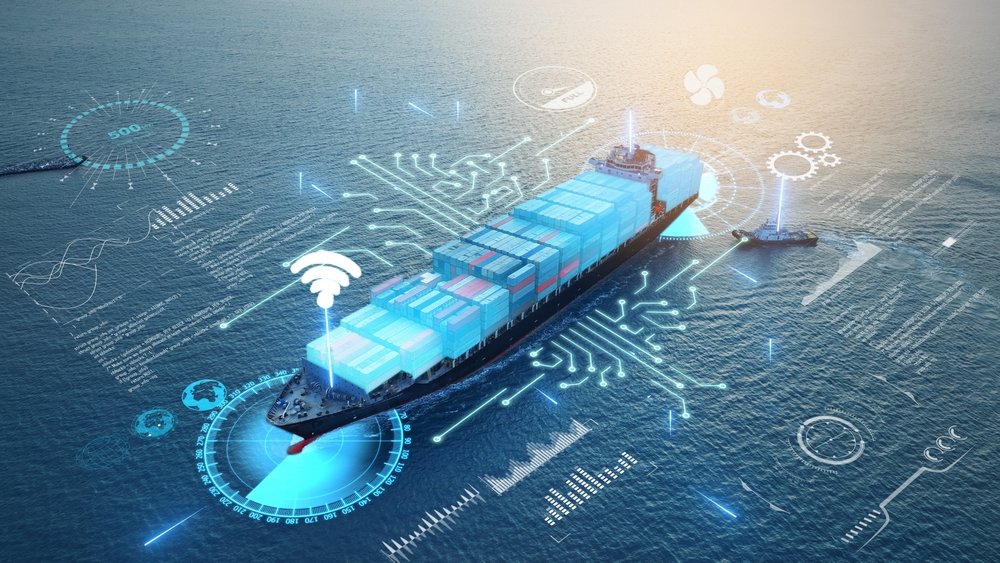
Amazon FBA China to Brazil Shipping Agent: 2026 Logistics Guide
Finding a reliable amazon fba china to brazil shipping agent is the foundational step for any seller looking to penetrate the lucrative South American market in 2026. While the Brazilian e-commerce landscape offers immense potential, navigating the complexities of international logistics and strict customs regulations requires professional expertise. This guide provides a comprehensive overview of how to streamline your supply chain, reduce shipping costs, and ensure your inventory reaches Amazon fulfillment centers without delay.
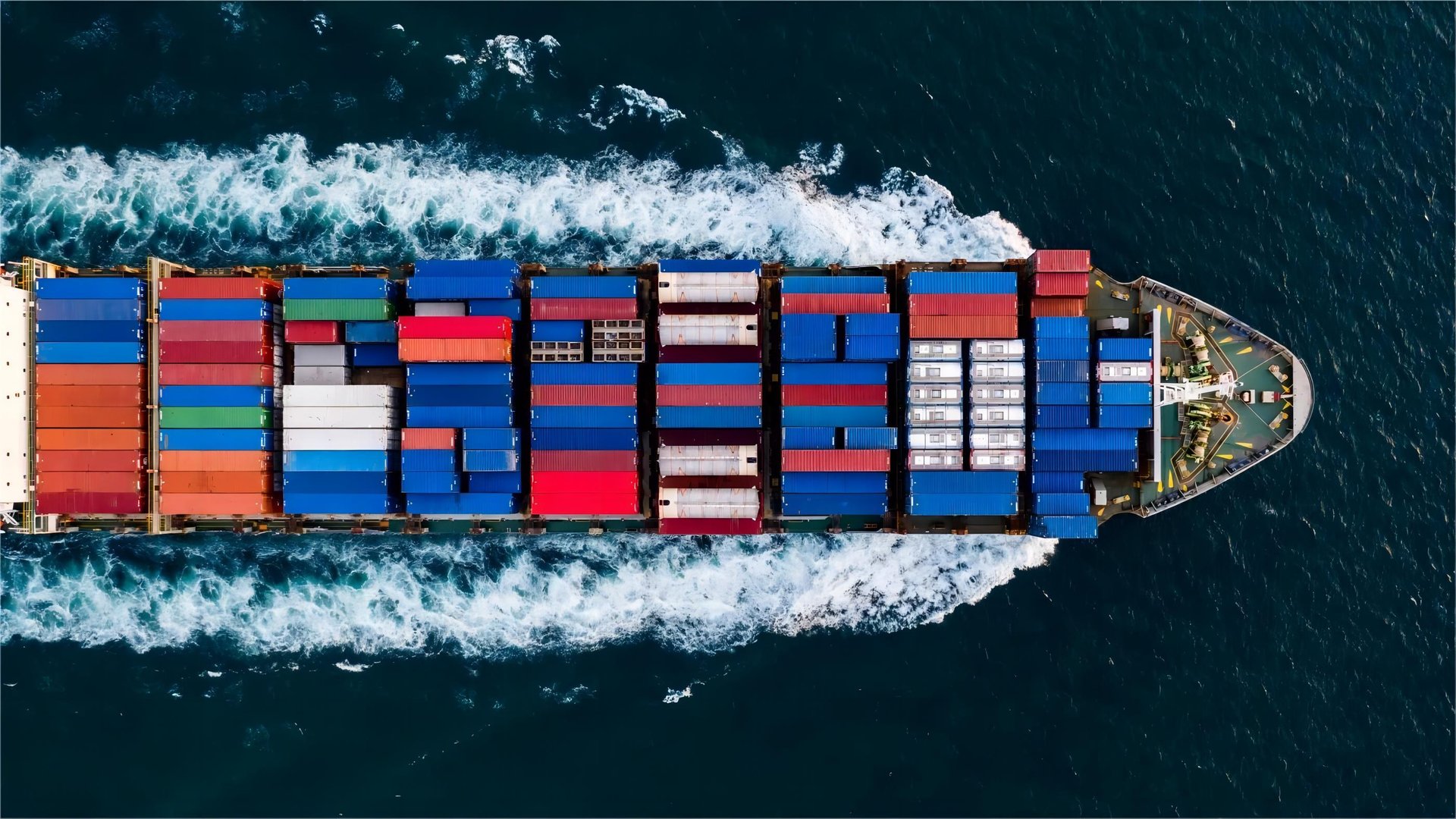
Why You Need a Reliable Amazon FBA China to Brazil Shipping Agent
Expanding your business into Brazil involves more than just listing products; it requires a robust logistics framework. An experienced shipping agent acts as your local representative, managing the intricate details of cargo handling and carrier negotiations. Furthermore, they provide specialized Amazon FBA services such as labeling, palletizing, and quality inspections to meet strict warehouse requirements.
Logistics in Brazil are notoriously complex due to the country’s unique tax system and rigorous import inspections. Consequently, having an agent who understands the nuances of the Brazilian Federal Revenue Service (Receita Federal) is essential for avoiding costly fines. They ensure that your tax ID (CNPJ) and all necessary permits are in order before the cargo leaves China.
Moreover, a professional agent offers scalability by providing various shipping modes tailored to your budget and timeline. Whether you are launching a new product or replenishing high-demand stock, they optimize the route to minimize transit times. This strategic partnership allows you to focus on marketing and sales while the logistics experts handle the heavy lifting.
Finally, the right partner provides transparency through real-time tracking and clear communication. In the fast-paced world of e-commerce, knowing exactly where your inventory is located helps you manage customer expectations and maintain high seller ratings. Without a dedicated agent, you risk facing unexpected delays that could lead to stockouts and lost revenue.
How Does Sea Freight Compare to Other Shipping Options?
Ocean transport remains the backbone of global trade, particularly for high-volume Amazon sellers. While sea freight is slower than air transport, it offers unparalleled cost efficiency for bulky or heavy items. In 2026, freight rates have stabilized, making it the preferred choice for long-term inventory planning.
Full Container Load (FCL) and Less than Container Load (LCL) are the two primary sea freight methods. FCL is ideal for large shipments that can fill an entire 20-foot or 40-foot container, offering better security and faster handling. On the other hand, LCL allows smaller sellers to share container space, making it a flexible and affordable entry point into the Brazilian market.
Transit times for sea freight from China to Brazil typically range from 35 to 45 days, depending on the specific ports of call. For instance, a shipment from Ningbo to Santos might take longer if it involves transshipment in Singapore or Durban. Therefore, sellers must plan their inventory cycles at least two months in advance to ensure continuous availability.
| Shipping Method | Cost Range | Transit Time | Best For |
|---|---|---|---|
| Sea Freight (FCL) | $3,000 – $4,500 | 35-45 Days | Bulk Inventory |
| Sea Freight (LCL) | $80 – $150/CBM | 40-50 Days | Small Batches |
| Air Freight | $6.00 – $9.00/kg | 7-12 Days | High Value/Urgent |
| Express Service | $12.00+/kg | 4-7 Days | Samples/Small Parcels |
Which Shipping Option Should You Choose for Your Business?
Choosing the right shipping method depends on your specific business goals, budget, and product type. If your priority is maintaining the lowest possible landed cost, sea freight is undoubtedly the winner. However, if you are testing a new product or need to restock quickly before a peak season, air freight might be worth the higher investment.
Consider the value-to-weight ratio of your products when making this decision. Lightweight, high-value electronics are often better suited for air transport because the cost of shipping is a smaller percentage of the retail price. Conversely, heavy home goods or furniture should almost always be shipped via ocean freight to maintain healthy profit margins.
Hybrid solutions are also becoming more popular in 2026. Some sellers choose to ship a small portion of their inventory via air to start selling immediately, while the bulk of the stock follows by sea. This strategy ensures you never miss a sales opportunity while keeping your overall logistics costs manageable.
Understanding the Import Process for Brazil Amazon Sellers
Navigating the Brazilian import process is often cited as the biggest challenge for international sellers. Every shipment requires a thorough customs brokerage review to ensure compliance with local laws. Specifically, the ‘Radar’ license is a mandatory requirement for any company wishing to import goods into Brazil.
The process begins with the issuance of a Proforma Invoice and a Commercial Invoice, which must match the physical goods exactly. Any discrepancy in weight, quantity, or description can lead to the cargo being held at the port for weeks. Additionally, the Brazilian government applies several taxes, including II (Import Tax), IPI (Industrialized Products Tax), and ICMS (State Value Added Tax).
Successful sellers work closely with their amazon fba china to brazil shipping agent to pre-calculate these duties. By understanding the landed cost upfront, you can price your products competitively on the Amazon.com.br marketplace. Furthermore, ensuring that your products have the correct NCM (Mercosul Common Nomenclature) code is vital for accurate tax assessment.
| Document Name | Purpose | Required By | Timing |
|---|---|---|---|
| Commercial Invoice | Value Declaration | Customs | At Departure |
| Packing List | Cargo Details | Warehouse/Customs | At Departure |
| Bill of Lading | Title of Goods | Carrier/Customs | After Loading |
| Import Declaration | Tax Assessment | Receita Federal | On Arrival |
How to Reduce Shipping Costs from China to Brazil
Reducing your logistics expenses requires a combination of smart planning and strategic partnerships. Firstly, consolidating multiple small shipments into a single FCL shipment can significantly lower your per-unit cost. Many agents offer consolidation services in major Chinese hubs like Shenzhen or Shanghai to help sellers achieve this.
Secondly, optimizing your product packaging can save a surprising amount of money. Since freight costs are often calculated based on volume (CBM), reducing empty space in your boxes allows you to fit more units into a container. Work with your manufacturer to design retail packaging that is both protective and compact.
Thirdly, avoid shipping during peak seasons if possible. Rates typically spike in the months leading up to Chinese New Year and during the late summer months. By scheduling your shipments during off-peak periods, you can take advantage of lower carrier rates and avoid port congestion in Santos or Paranagua.
Finally, utilizing a door to door service can often be more cost-effective than managing each leg of the journey separately. These all-inclusive packages often include trucking, warehousing, and customs clearance, providing a predictable flat rate that simplifies your accounting.
Real Case Studies: China to Brazil FBA Success
Case Study 1: Electronics Expansion. Route: Shenzhen, China to Santos, Brazil. Cargo: 500 units of smart home devices, 4 CBM, 850 kg. Method: LCL Sea Freight. Cost Breakdown: Ocean Freight $480, Origin Charges $210, Destination Charges $450, Customs $1,200. Total Landed Cost: $2,340. Timeline: 42 days door-to-door. Key Insight: Accurate NCM coding prevented a potential 20% penalty during customs inspection.
Case Study 2: Rapid Restock. Route: Shanghai, China to Guarulhos, Brazil. Cargo: 200 kg of high-demand fashion accessories. Method: Air Freight. Cost Breakdown: Air Freight $1,500, Handling $150, Customs $800. Total Landed Cost: $2,450. Timeline: 9 days door-to-door. Key Insight: Using air freight allowed the seller to capitalize on a viral trend before competitors could restock via sea.
Case Study 3: Bulk Home Goods. Route: Ningbo, China to Itajai, Brazil. Cargo: 1,200 sets of kitchenware, 40HQ Container. Method: FCL Sea Freight. Cost Breakdown: Ocean Freight $4,200, Port Fees $800, Customs/Taxes $5,500. Total Landed Cost: $10,500. Timeline: 38 days. Key Insight: Direct routing to a smaller port reduced local trucking costs by 15% compared to the Santos hub.
Common Challenges in Brazil Customs Clearance
The Brazilian customs environment is one of the most rigorous in the world. One frequent challenge is the ‘Red Channel’ inspection, where authorities physically verify the cargo and documentation. This can add 7 to 14 days to your transit time, so it is crucial to build a buffer into your delivery schedule.
Another common issue is the lack of a proper ‘Radar’ license. Without this authorization, your goods cannot be cleared, and you may face expensive storage fees at the port. Your amazon fba china to brazil shipping agent should verify your license status before the shipment departs China to prevent these avoidable delays.
Furthermore, Brazil has strict labeling requirements for consumer goods. Products must often include information in Portuguese, such as the country of origin and importer details. Failure to comply with these consumer protection laws can lead to the shipment being rejected and sent back to China at your expense.
Mastering Your Brazil FBA Logistics Strategy
In conclusion, successfully selling on Amazon Brazil requires a strategic approach to logistics that balances cost, speed, and compliance. By partnering with a dedicated amazon fba china to brazil shipping agent, you gain access to the expertise needed to navigate the challenging Brazilian market. Whether you choose sea freight for its economy or air freight for its speed, the key lies in meticulous planning and accurate documentation.
As we move through 2026, the opportunities for growth in Brazil continue to expand. By optimizing your shipping routes and staying informed about customs regulations, you can build a resilient and profitable e-commerce business. Remember to always factor in the total landed cost and maintain a flexible inventory strategy to stay ahead of the competition.
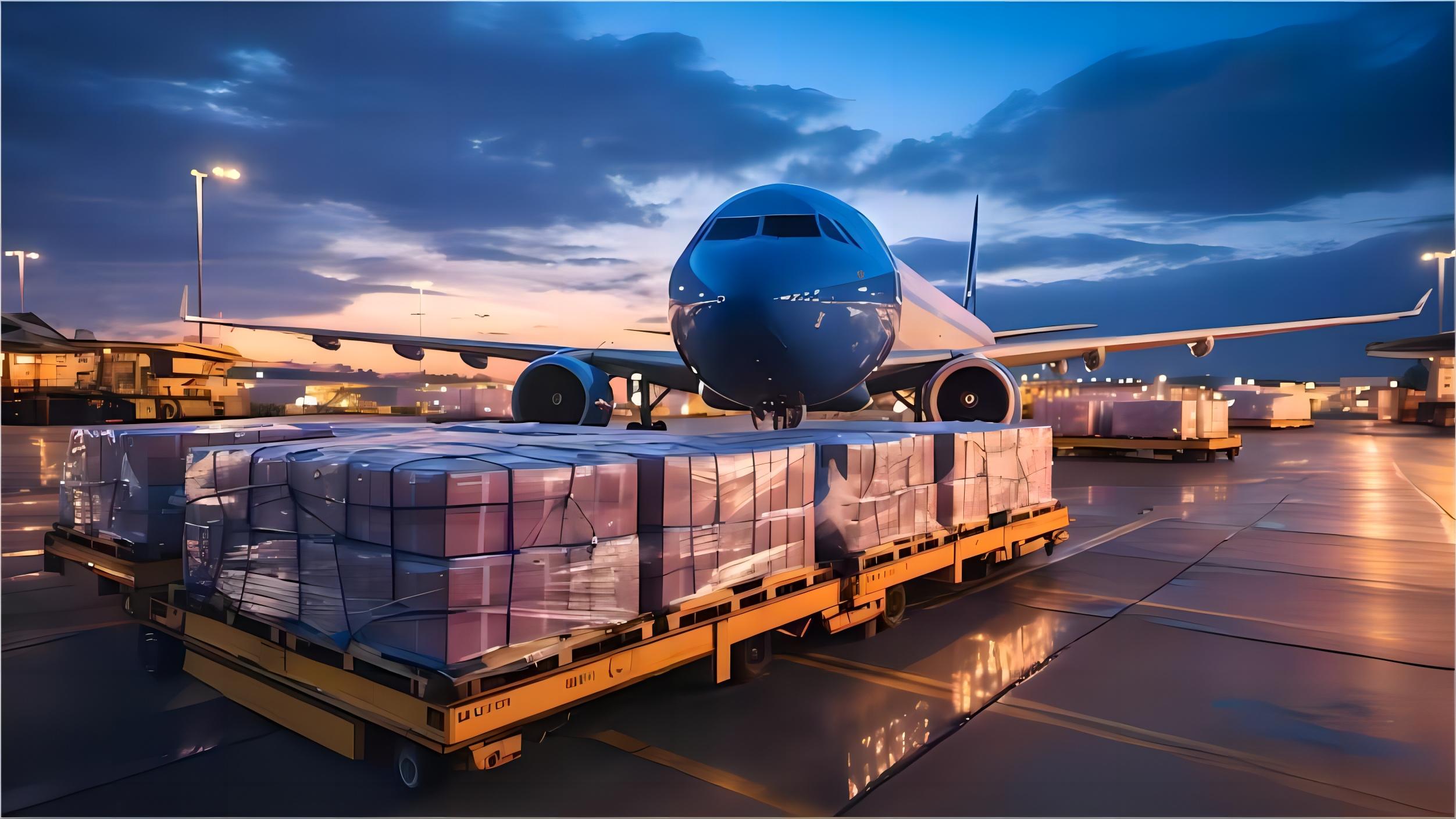
Start Your Shipment
Ready to streamline your South American supply chain? Our team specializes in navigating the complexities of Brazilian customs and international logistics. Contact us today for a custom quote and let an expert amazon fba china to brazil shipping agent handle your next shipment. Visit: https://dsv-freight.com/ for more information.
Frequently Asked Questions
How long does shipping take from China to Brazil for Amazon FBA?
What is the most cost-effective way to ship to Brazil?
Do I need a special license to import goods into Brazil?
What are the typical customs duties for Brazil?
Can a shipping agent help with Amazon FBA labeling?
Which Brazilian ports are best for Amazon FBA?
Is insurance necessary for China to Brazil shipments?