
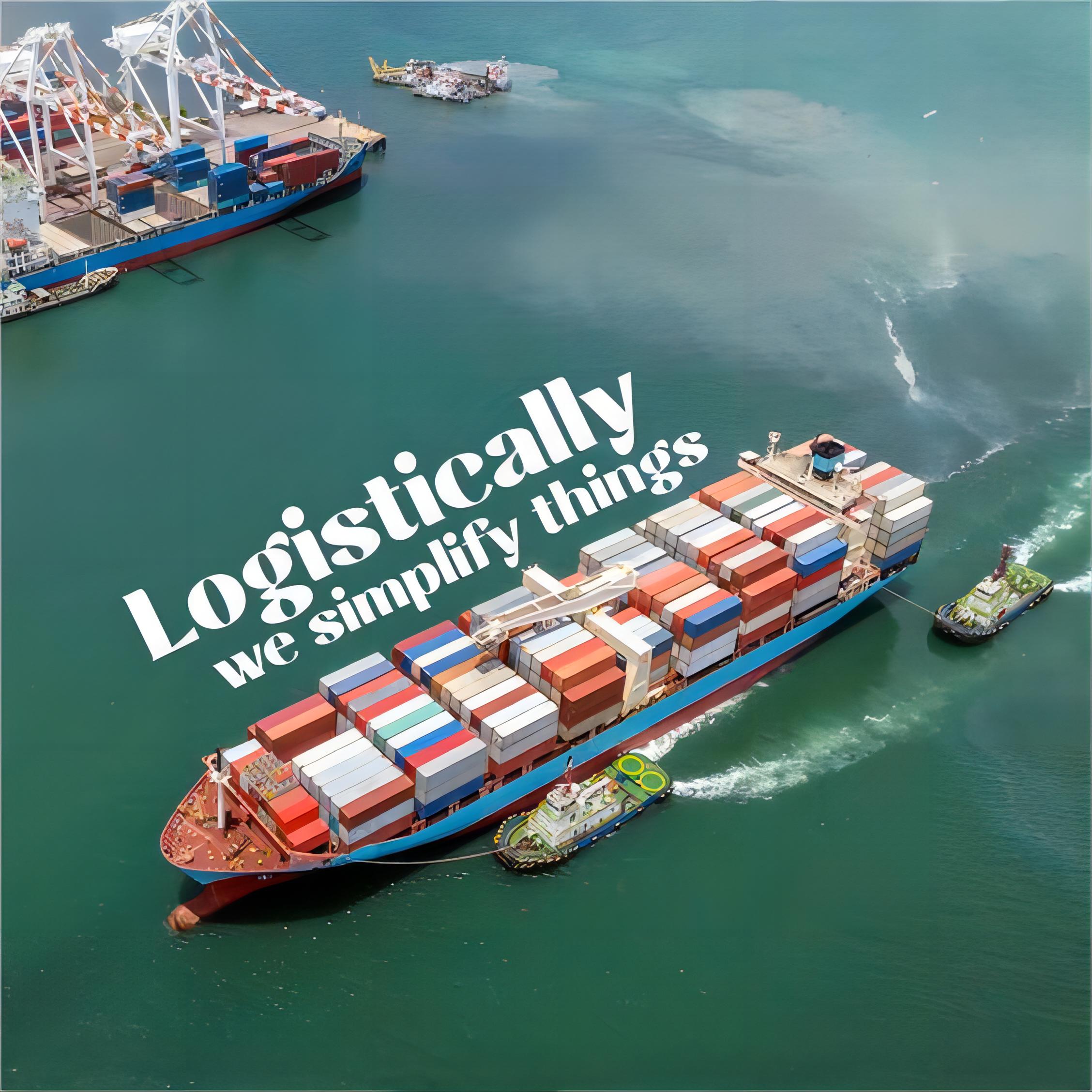
Sea Freight China to Germany FCL Container Price 2026 Guide
Navigating the complexities of international trade requires a clear understanding of the sea freight china to germany fcl container price. As global markets evolve in 2026, businesses must adapt to shifting logistics trends and fluctuating freight rates to maintain a competitive edge. This comprehensive guide provides a detailed breakdown of costs, transit times, and strategic alternatives to help you optimize your supply chain from China to Europe.

Understanding Sea Freight China to Germany FCL Container Price in 2026
Determining the exact cost of shipping involves analyzing several market variables that fluctuate based on global demand and carrier capacity. Currently, in early 2026, the market has seen a stabilization of rates compared to the volatility of previous years. Most shippers are finding that sea freight remains the most cost-effective solution for high-volume goods.
Freight rates are typically quoted based on container size, such as 20ft (20GP), 40ft (40GP), or 40ft High Cube (40HQ) units. Furthermore, the total landed cost includes more than just the ocean freight; it encompasses origin charges, documentation fees, and destination handling. Consequently, businesses must look beyond the base rate to understand the full financial commitment of their logistics operations.
Market data suggests that while base rates are stable, fuel surcharges and seasonal adjustments still play a significant role in final pricing. Indeed, during peak seasons, prices can rise by 15 percent to 25 percent due to increased demand for space on major carrier vessels. Therefore, booking at least four to six weeks in advance is highly recommended to secure the best possible rates.
| Container Type | Capacity (CBM) | Avg. Cost (USD) | Price per CBM |
|---|---|---|---|
| 20GP (20ft) | 33 CBM | $1,900 – $2,600 | $57 – $78 |
| 40GP (40ft) | 67 CBM | $2,900 – $3,900 | $43 – $58 |
| 40HQ (40ft HC) | 76 CBM | $3,100 – $4,300 | $40 – $56 |
Average FCL Container Pricing for 2026
Current industry benchmarks indicate that a 20GP container from major Chinese ports to Hamburg or Bremerhaven ranges between 1,900 USD and 2,600 USD. Meanwhile, 40HQ containers, which offer significantly more volume for a marginal price increase, are typically priced between 3,100 USD and 4,300 USD. These figures represent the port-to-port ocean freight and are subject to weekly market fluctuations.
How Does Sea Freight Compare to Other Shipping Options?
Comparing different transport modes is essential for choosing the right balance between speed and expenditure. While sea freight offers the lowest cost per unit, it requires the longest transit time, making it unsuitable for urgent deliveries. In contrast, air freight provides rapid delivery but at a significantly higher price point, often costing five to ten times more than ocean transport.
Rail transport has emerged as a viable middle ground for the China-Germany route, offering faster transit than sea and lower costs than air. However, rail capacity can be limited, and rates are often influenced by geopolitical stability along the trans-Eurasian corridors. Additionally, for very small shipments, express service options might be faster than traditional freight methods but are rarely economical for full container volumes.
Choosing the wrong method can lead to excessive costs or missed market opportunities. For instance, a shipment of seasonal electronics might justify the cost of rail or air to meet a specific launch date. On the other hand, bulk raw materials or non-perishable consumer goods are almost always better suited for sea freight to maximize profit margins.
| Shipping Method | Cost Range | Transit Time | Best For / Limitations |
|---|---|---|---|
| Sea Freight (FCL) | $2,000 – $4,500 | 30 – 40 Days | Bulk goods / Slow speed |
| Rail Freight | $4,500 – $7,000 | 18 – 24 Days | Mid-value / Capacity limits |
| Air Freight | $15,000 – $25,000 | 5 – 8 Days | Urgent items / Very expensive |
| Sea-Air Hybrid | $8,000 – $12,000 | 15 – 20 Days | Balance / Complex logistics |

Factors Influencing Your FCL Container Shipping Costs
Identifying the variables that drive the sea freight china to germany fcl container price helps in budgeting and negotiation. Fuel prices, often calculated as the Bunker Adjustment Factor (BAF), remain one of the most volatile components of the total freight bill. Moreover, port congestion in major hubs like Shanghai or Hamburg can lead to additional surcharges known as congestion fees.
Seasonal demand cycles significantly impact the availability of containers and vessel space. For example, the period leading up to the Golden Week in China or the Christmas season in Germany usually sees a spike in demand. Consequently, carriers often implement General Rate Increases (GRI) during these peak windows. To avoid these spikes, many experienced importers sign long-term contracts with freight forwarders to lock in more stable pricing.
Currency fluctuations between the USD, CNY, and EUR also affect the final landed cost of goods. Since most international ocean freight is quoted in USD, a weakening Euro can make shipping more expensive for German importers. Additionally, the choice of the specific port of loading and discharge can alter the price, as some ports have higher terminal handling charges (THC) than others.
Transit Times for FCL Shipments from China to Germany
Evaluating the delivery schedule is crucial for inventory management and meeting customer expectations. Typically, the sea transit from major Chinese ports like Ningbo or Shenzhen to German ports like Hamburg takes between 30 and 38 days. However, this timeline only covers the port-to-port leg of the journey and does not include inland transport or processing times.
Total door-to-door transit time usually ranges from 45 to 55 days when accounting for all logistics steps. This includes the time needed for container loading at the factory, trucking to the export port, and customs clearance upon arrival. Furthermore, potential delays at transshipment hubs like Singapore or Colombo should be factored into the overall schedule.
Reliability has improved in 2026 as carriers have optimized their schedules and invested in larger, more efficient vessels. Nevertheless, weather conditions and port productivity levels can still cause minor deviations from the planned arrival date. Therefore, maintaining a buffer in your supply chain planning is a wise strategy for any business importing from overseas.
| Origin Port | Destination Port | Sea Transit | Total Door-to-Door |
|---|---|---|---|
| Shanghai | Hamburg | 32 – 35 Days | 45 – 50 Days |
| Shenzhen | Bremerhaven | 30 – 33 Days | 42 – 48 Days |
| Ningbo | Wilhelmshaven | 34 – 38 Days | 48 – 55 Days |
| Qingdao | Hamburg | 36 – 40 Days | 50 – 58 Days |
Essential Documentation for Customs Brokerage and Import
Preparing the correct paperwork is the most effective way to prevent costly delays and penalties during the import process. Every shipment must be accompanied by a commercial invoice, a detailed packing list, and a Bill of Lading (BOL). Moreover, specialized goods may require certificates of origin or technical compliance documents to satisfy European Union regulations.
Professional customs brokerage services are highly recommended to navigate the complexities of the German ATLAS system. These experts ensure that the correct HS codes are applied to your products, which directly determines the amount of import duty and VAT you must pay. Consequently, an error in classification can lead to significant financial loss or the seizure of cargo by authorities.
Digital documentation has become the standard in 2026, allowing for faster processing and better visibility. Shippers should ensure that all digital copies match the physical goods exactly to avoid discrepancies during inspections. In addition, having a clear agreement on Incoterms, such as FOB or CIF, defines the responsibilities and costs for both the buyer and the seller.
Which Option Should You Choose? (Decision Framework)
Selecting the right shipping strategy depends on your specific business priorities and the nature of your cargo. If your primary goal is cost minimization and your lead times are flexible, sea freight is the undisputed leader for large volumes. On the other hand, if you are handling high-value goods with a short shelf life, the speed of air or rail might justify the higher investment.
Volume thresholds often dictate when to switch from LCL to FCL shipping. Generally, once a shipment exceeds 15 cubic meters (CBM), booking a full 20GP container becomes more economical than paying for individual space in a shared container. This transition point is critical for growing businesses to monitor as they scale their import operations.
Hybrid solutions are also gaining popularity for those who need a balance of speed and cost. For instance, shipping by sea to a hub in the Middle East and then by air to Germany can save time compared to a full sea route while being cheaper than a full air route. Ultimately, the best choice is one that aligns with your customer delivery promises and your bottom-line requirements.
Case Studies: Real-World FCL Shipping Scenarios
Reviewing actual shipments provides practical insights into the current sea freight china to germany fcl container price and operational flow. These examples reflect market conditions as of early 2026 and highlight the various factors that influence the final outcome of a logistics project.
Case Study 1: Shanghai to Hamburg Electronics Shipment. Cargo: Consumer electronics, 68 CBM, 12,000 kg. Container: 40HQ. Shipping Details: Major carrier, Port of Loading: Shanghai, Port of Discharge: Hamburg, Route Type: Direct. Cost Breakdown: Ocean Freight: $3,450; Origin Charges: $420; Destination Charges: $550; Customs and Duties: $1,200; Total Landed Cost: $5,620. Timeline: Booking to Loading: 5 days; Sea Transit: 33 days; Customs Clearance: 2 days; Total Door-to-Door: 46 days. Key Insight: Early booking during the off-peak season saved approximately 15 percent on the ocean freight rate.
Case Study 2: Shenzhen to Bremen Industrial Parts. Cargo: Machinery components, 28 CBM, 18,500 kg. Container: 20GP. Shipping Details: Major carrier, Port of Loading: Shenzhen, Port of Discharge: Bremerhaven, Route Type: Transshipment via Singapore. Cost Breakdown: Ocean Freight: $2,150; Origin Charges: $380; Destination Charges: $490; Customs and Duties: $2,800; Total Landed Cost: $5,820. Timeline: Booking to Loading: 7 days; Sea Transit: 36 days; Customs Clearance: 3 days; Total Door-to-Door: 52 days. Key Insight: Heavy cargo required specialized trucking at the destination, which added to the total door-to-door cost.
Case Study 3: Ningbo to Wilhelmshaven Household Goods. Cargo: Furniture and decor, 72 CBM, 8,000 kg. Container: 40HQ. Shipping Details: Major carrier, Port of Loading: Ningbo, Port of Discharge: Wilhelmshaven, Route Type: Direct. Cost Breakdown: Ocean Freight: $3,800; Origin Charges: $450; Destination Charges: $600; Customs and Duties: $950; Total Landed Cost: $5,800. Timeline: Booking to Loading: 6 days; Sea Transit: 34 days; Customs Clearance: 2 days; Total Door-to-Door: 48 days. Key Insight: Utilizing a door to door service simplified the complex inland delivery to a remote warehouse in southern Germany.
Cost-Saving Strategies for China to Germany Sea Freight
Implementing smart logistics strategies can significantly reduce your total expenditure without compromising service quality. One of the most effective methods is cargo consolidation, where multiple smaller orders are combined into a single FCL shipment. This approach reduces the per-unit cost of documentation and terminal handling fees.
Optimizing your packaging can also lead to substantial savings. By reducing the size of individual boxes or using more efficient palletizing techniques, you may be able to fit more goods into a single container. Consequently, you maximize the utility of the space you have already paid for, effectively lowering your cost per item.
Negotiating with multiple freight forwarders allows you to compare different service levels and price points. While price is important, the reliability of the carrier and the quality of their customer service are equally vital. In addition, choosing off-peak shipping dates and avoiding the rush before major holidays can help you secure lower rates and better equipment availability.
Final Thoughts on FCL Shipping to Germany
Summarizing the current landscape, the sea freight china to germany fcl container price remains a cornerstone of international trade for 2026. While the market presents various challenges, from fluctuating fuel costs to seasonal demand spikes, informed shippers can still find excellent value. By understanding the different container options, transit times, and documentation requirements, you can build a more resilient and cost-effective supply chain.
Success in global logistics requires a proactive approach and a willingness to adapt to new trends. Whether you are a small business or a large corporation, the principles of early booking, careful documentation, and strategic mode selection remain the same. We encourage you to use the data and frameworks provided in this guide to make the best decisions for your cargo and your company’s future.
Start Your Shipment
Optimizing your supply chain starts with accurate information and reliable partners. If you are looking for the most competitive sea freight china to germany fcl container price, our team is ready to provide a customized quote tailored to your business needs. Contact us today to learn how we can streamline your international shipping operations. Visit our website to request a quote or speak with a logistics expert. Send Inquiry: https://dsv-freight.com/
Frequently Asked Questions
What is the average sea freight china to germany fcl container price in 2026?
How long does sea freight take from China to Germany?
Is sea freight cheaper than rail freight for this route?
What are the main ports for FCL shipping in Germany?
When should I choose FCL over LCL shipping?
What documents are needed for German customs clearance?
Do freight rates increase during the Chinese New Year?
Can I track my FCL container during transit?