
Air Freight China to Germany Logistics Company: Fast 2026 Shipping
Finding a reliable air freight China to Germany logistics company is a critical step for businesses that demand speed and security in their international supply chain. At DSV-Freight, we provide comprehensive shipping solutions that bridge the gap between major Chinese manufacturing hubs and the German market. Consequently, our clients benefit from reduced lead times and enhanced cargo safety. This guide explores the intricacies of modern air cargo, providing you with the market intelligence needed to optimize your 2026 logistics strategy.
Why Choose an Air Freight China to Germany Logistics Company?
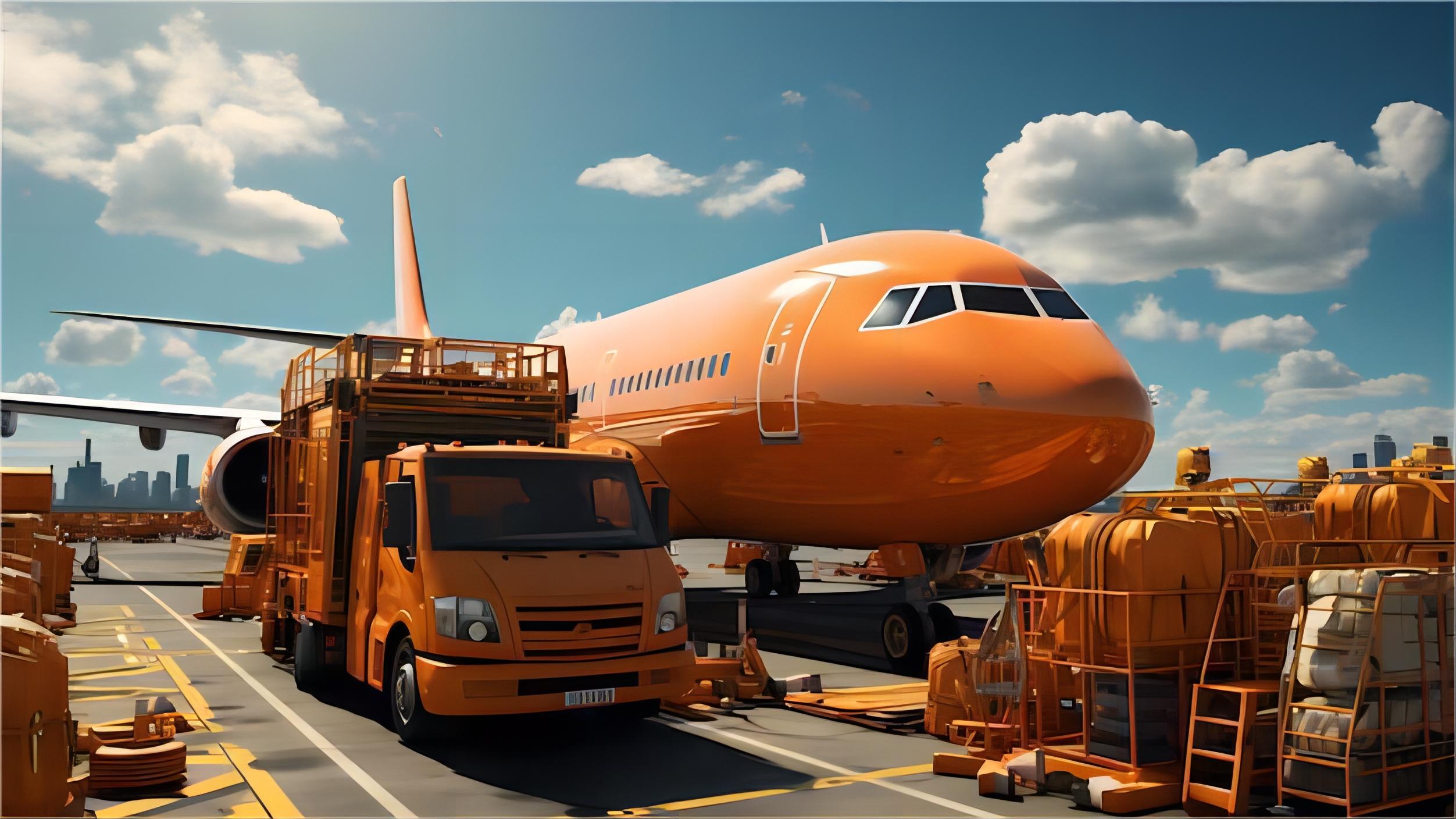
Speed remains the primary reason why companies prioritize air freight over other transportation modes. In the fast-paced market of 2026, waiting weeks for ocean cargo is often not a viable option for high-value goods. Moreover, air transport offers significantly higher levels of security, reducing the risk of theft or damage during transit.
Choosing a specialized air freight China to Germany logistics company ensures that your cargo is handled by experts who understand the specific regulations of both regions. Furthermore, these companies have established relationships with major airlines like Lufthansa Cargo and Air China. As a result, they can secure space even during peak seasons when capacity is limited.
Reliability is another major factor that drives businesses toward air solutions. While sea shipments can be delayed by port congestion or weather conditions, air schedules are generally more consistent. Therefore, companies can maintain leaner inventory levels and improve their overall cash flow by receiving goods faster.
Additionally, the reduced transit time means lower insurance premiums compared to sea freight. Because the goods are in transit for a shorter duration, the statistical risk of an incident occurring is lower. Consequently, the total landed cost might be more competitive than initially expected when insurance and inventory holding costs are factored in.
The Importance of Local Expertise
How Does Air Freight Compare to Other Shipping Options?
While air freight is the fastest method, it is essential to understand how it stacks up against sea freight and rail options. For instance, sea freight is significantly cheaper for bulk commodities but takes five to six times longer to reach Germany. On the other hand, rail freight offers a middle ground in terms of both cost and speed.
Market data from early 2026 indicates that air cargo rates have stabilized following the disruptions of previous years. However, the price gap between air and sea remains substantial for heavy shipments. In contrast, for shipments under 500 kilograms, air freight often becomes the most logical choice due to minimal handling fees.
Without a doubt, the choice of shipping method depends on your specific business goals and cargo requirements. If your priority is minimizing transport time to meet a product launch deadline, air is the only solution. Conversely, for non-urgent restocking of large inventory, sea freight remains the industry standard for cost-efficiency.
| Shipping Method | Cost Range (2026) | Transit Time | Best For |
|---|---|---|---|
| Air Freight | $4.50 – $9.00 / kg | 3 – 7 Days | Urgent / High Value |
| Rail Freight | $1.80 – $3.50 / kg | 18 – 24 Days | Mid-sized Cargo |
| Sea Freight | $2,800 – $4,200 (40HQ) | 35 – 45 Days | Bulk / Heavy Goods |
| Express Service | $10.00 – $15.00 / kg | 2 – 4 Days | Samples / Documents |
Understanding Air Cargo Rates and Transit Times
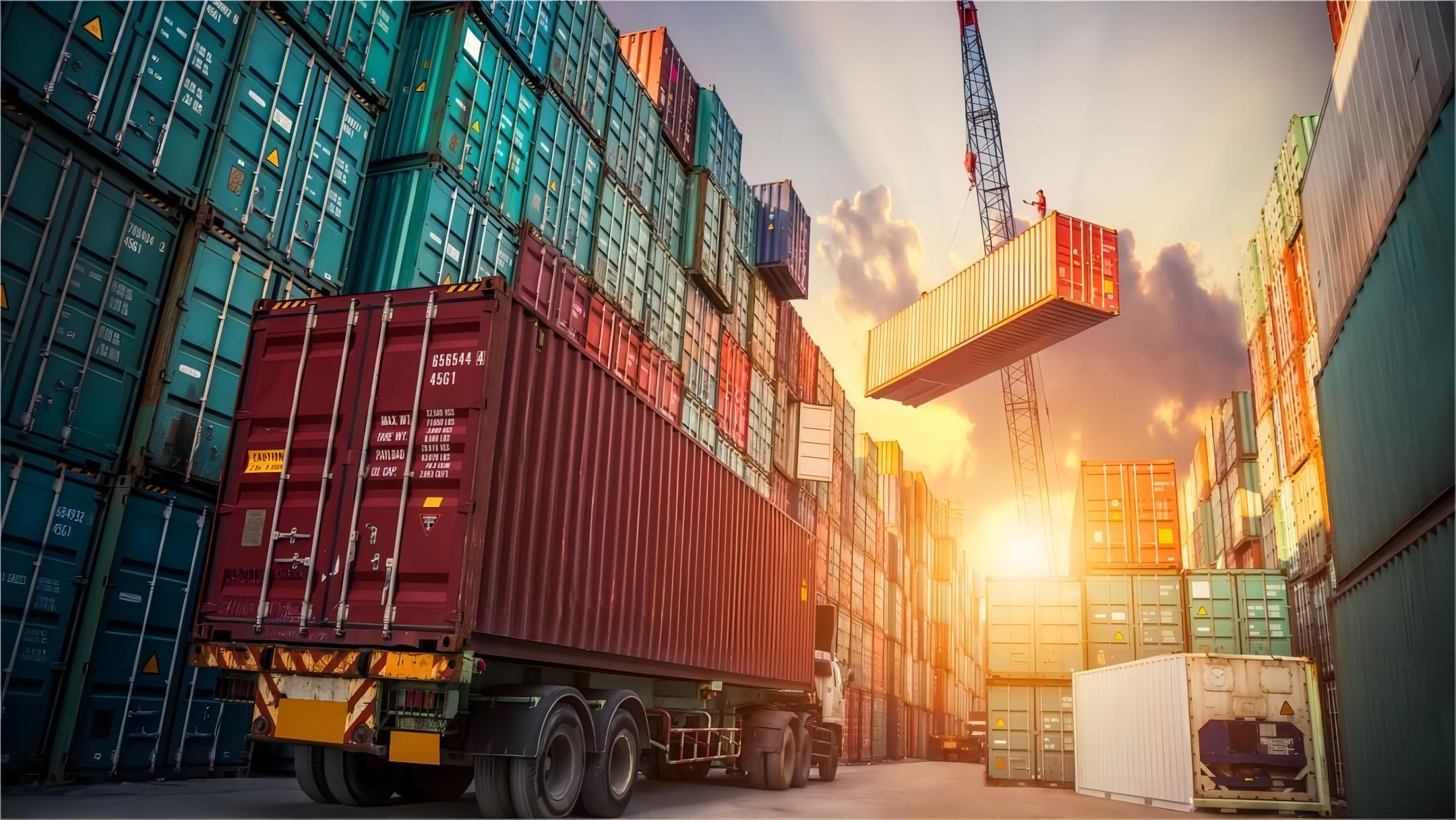
Calculating the cost of shipping requires an understanding of chargeable weight, which is the higher of actual weight or volumetric weight. Typically, an air freight China to Germany logistics company will use a conversion factor of 1:6000 for standard cargo. Meanwhile, door to door services include additional costs like local pickup and final delivery.
Transit times vary based on whether you choose a direct flight or a deferred service with transshipment. For example, direct flights from Shanghai (PVG) to Frankfurt (FRA) can take as little as 12 hours of flight time. Nevertheless, the total door-to-door process usually spans 3 to 7 days once customs and local handling are included.
In addition to base freight rates, shippers must account for fuel surcharges and security fees. These surcharges fluctuate monthly based on global oil prices and airline policies. Consequently, it is always advisable to request a quote that remains valid for at least 7 to 14 days to avoid unexpected price hikes.
Chargeable Weight Example
Real Case Studies: Successful Shipments to Germany
Reviewing real-world examples helps businesses visualize the logistics process and associated costs. These scenarios reflect typical market conditions in early 2026 and demonstrate how different cargo types are handled. For instance, electronics require different handling protocols than fashion items due to battery regulations.
Below are two detailed case studies based on actual shipments managed by a professional air freight China to Germany logistics company. These examples highlight the transit times and cost breakdowns you can expect for similar cargo profiles.
Case Study 1: Electronics from Shenzhen to Frankfurt
Case Study 2: Fashion Apparel from Shanghai to Berlin
Essential Customs and Documentation for German Imports
Navigating the German customs landscape requires precision and thorough documentation to avoid costly delays. Specifically, every importer must have a valid EORI number to clear goods through the ATLAS system. Moreover, hiring a professional customs brokerage service ensures that your HS codes are classified correctly.
Documentation requirements typically include a commercial invoice, a detailed packing list, and the Air Waybill (AWB). Additionally, certain products may require certificates of origin or CE conformity declarations to meet European Union safety standards. As a result, preparing these documents in advance is vital for a smooth clearance process.
Import duties and Value Added Tax (VAT) are calculated based on the CIF (Cost, Insurance, and Freight) value of the goods. In Germany, the standard VAT rate is 19%, though some items may qualify for reduced rates. Consequently, understanding your tax obligations beforehand helps in calculating the true profitability of your imported goods.
| Document Name | Purpose | Required By | Format |
|---|---|---|---|
| Commercial Invoice | Value Declaration | Customs / Tax | Digital / Paper |
| Packing List | Cargo Verification | Warehouse / Customs | Detailed List |
| Air Waybill (AWB) | Contract of Carriage | Airline / Broker | Standard IATA |
| EORI Number | Importer ID | German Customs | Registration Code |
Which Option Should You Choose? Decision Framework
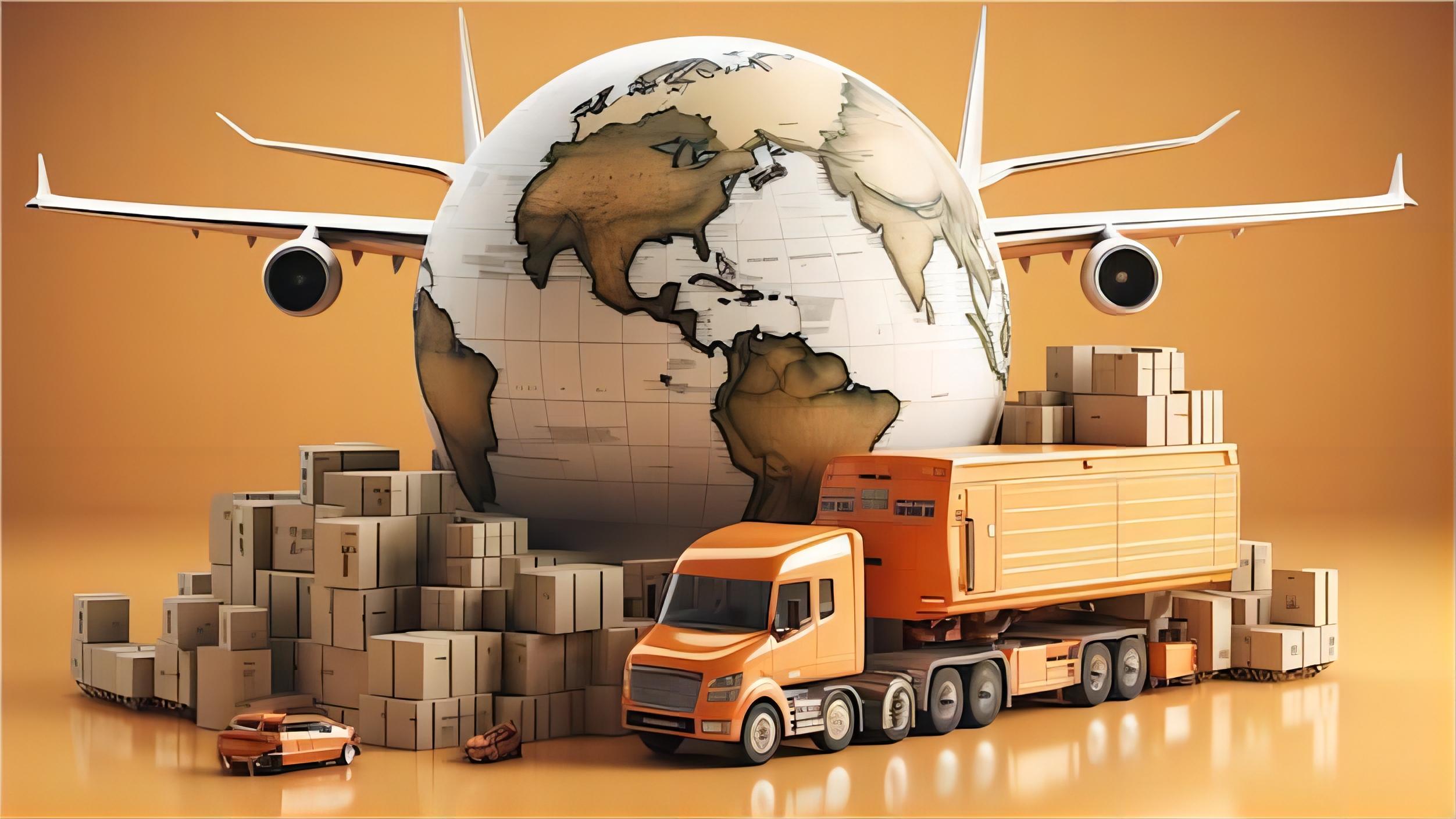
Selecting the right shipping strategy involves balancing urgency against your available budget. If your goods have a high value-to-weight ratio, air freight is almost always the superior choice. However, for heavier items with lower margins, you might consider hybrid solutions or rail freight.
When speed is the absolute priority, express service offers the fastest possible transit, often including pre-clearance while the goods are still in the air. For instance, this is ideal for replacement parts or critical medical supplies. In contrast, standard air freight is better for regular commercial shipments of 100kg or more.
Consider the volume of your shipments as a deciding factor for switching methods. If you are shipping more than 15 CBM regularly, the cost savings of sea freight become too large to ignore. Nevertheless, for smaller, time-sensitive batches, a reliable air freight China to Germany logistics company remains your best ally.
Decision Criteria
Logistics Trends Shaping China-Germany Trade in 2026
Technological advancements are rapidly transforming how an air freight China to Germany logistics company operates. For example, AI-driven route optimization is now helping carriers reduce fuel consumption and transit times. Furthermore, real-time tracking has become a standard expectation for all international shipments.
Sustainability is also becoming a major focus in 2026, with more airlines investing in Sustainable Aviation Fuel (SAF). Consequently, many German companies now prioritize logistics partners who can provide carbon-neutral shipping options. Indeed, this shift is driven by both consumer demand and stricter EU environmental regulations.
Meanwhile, the rise of cross-border e-commerce continues to fuel the demand for small-parcel air cargo. To meet this need, many logistics providers have developed specialized fulfillment centers near major German airports like Munich and Frankfurt. As a result, delivery times from Chinese factories to German consumers have reached record lows.
Mastering Your Logistics with a Professional Partner
Successfully navigating the trade route from China to Germany requires more than just a carrier; it requires a strategic partnership. By choosing a dedicated air freight China to Germany logistics company, you ensure that your business remains competitive in an increasingly demanding global market. We have covered the essential aspects of cost, speed, and documentation to help you make an informed decision.
Whether you are scaling a new product or maintaining a complex industrial supply chain, the reliability of air cargo is unmatched. As we move through 2026, staying ahead of market trends and regulatory changes will be the key to your success. Trust in professional logistics expertise to handle your cargo with the care and efficiency it deserves.
Need a tailored shipping solution?
Streamline your supply chain today with a premier air freight China to Germany logistics company. Contact DSV-Freight for a customized quote and expert guidance on your next shipment. Visit our website to learn more about our 2026 shipping solutions and secure your cargo space now. Send Inquiry: info@dsv-freight.com
Frequently Asked Questions
How long does air freight from China to Germany take?
Standard air freight typically takes 3 to 7 days door-to-door. Direct airport-to-airport flights take about 12 hours, but customs clearance and local delivery add to the total duration.
What is the cost per kg for air freight in 2026?
Current market rates for 2026 range from $4.50 to $9.00 per kilogram. Prices fluctuate based on fuel surcharges, seasonal demand, and the specific departure city in China.
Do I need an EORI number to import into Germany?
Yes, an EORI number is mandatory for all businesses importing goods into the European Union. You must register for this number through German customs before your shipment arrives.
Can I ship lithium batteries by air from China?
Yes, but they are classified as hazardous cargo. You must follow strict IATA regulations, including proper labeling, packaging, and MSDS documentation to ensure safe transport.
What is the difference between gross weight and volumetric weight?
Gross weight is the actual weight on a scale. Volumetric weight is calculated based on the package dimensions. Airlines charge based on whichever value is higher.
Are there any size limits for air cargo to Germany?
Standard cargo planes can handle pallets up to 160cm in height. For oversized cargo, specialized freighter aircraft are required, which may increase the shipping cost.
How are import duties calculated in Germany?
Duties are calculated based on the CIF value of the goods and the specific HS code. Additionally, a 19% Import VAT is applied to the total value of the shipment.
Which Chinese airports are best for shipping to Germany?
Shanghai Pudong (PVG), Shenzhen (SZX), and Guangzhou (CAN) are the primary hubs. These airports offer the most frequent direct flights to Frankfurt and Munich.