
Import Shipping China to USA Customs Brokerage Guide 2026
“Managing the logistical hurdles of DSV-Freight operations requires a deep understanding of import shipping china to usa customs brokerage. Many businesses encounter significant delays and unexpected costs when they fail to navigate the complex regulatory environment of US Customs and Border Protection. This comprehensive guide provides the essential strategies and market data needed to streamline your international trade operations in 2026.”

❖
Understanding the Role of Import Shipping China to USA Customs Brokerage
❖
Navigating the intersection of international logistics and federal law is the primary focus of import shipping china to usa customs brokerage services. Professional brokers act as the vital intermediary between your business and government agencies, ensuring that every shipment complies with the latest 2026 trade regulations. Consequently, hiring an expert can prevent costly penalties and the seizure of goods at the port of entry.
Moreover, the complexity of the Harmonized Tariff Schedule requires precise classification of products to determine the correct duty rates. Errors in this process often lead to significant financial loss or legal scrutiny from the authorities. Therefore, businesses must prioritize accuracy in their documentation to maintain a healthy and efficient supply chain.
Additionally, a dedicated customs brokerage service handles the essential Importer Security Filing known as ISF 10+2. This mandatory electronic submission must reach US Customs at least 24 hours before the vessel leaves the Chinese port. Failing to meet this deadline results in automatic fines and increased inspection risks.
Indeed, the landscape of global trade is constantly shifting, with new environmental regulations and trade agreements emerging in early 2026. Staying ahead of these changes requires a partner who understands both the shipping mechanics and the legal requirements. Without a doubt, professional brokerage is the cornerstone of successful transpacific trade.
❖
Essential Documentation for Seamless US Customs Clearance
❖
Successful clearance depends heavily on the preparation of a complete and accurate document package before the cargo arrives. For instance, the Commercial Invoice must clearly state the value, origin, and detailed description of every item in the shipment. Meanwhile, the Packing List provides specific details about the dimensions and weight of the cargo to facilitate physical inspections.
Furthermore, the Bill of Lading serves as the title to the goods and the contract of carriage between the shipper and the carrier. This document is essential for the release of cargo at the destination port and must match all other paperwork perfectly. Any discrepancies between these documents will almost certainly trigger a customs hold, delaying your delivery schedule.
In addition to standard paperwork, many products require specific certificates or licenses from partner government agencies like the FDA or EPA. For example, electronics might need FCC compliance documentation, while textiles require detailed fiber content labels. Consequently, verifying these requirements early in the production cycle is critical for avoiding port-side bottlenecks.
Finally, every importer must secure a customs bond, which acts as a financial guarantee to the US government that all duties and taxes will be paid. You can choose between a single-entry bond for occasional shipments or a continuous bond for frequent importing. Professional brokers usually recommend the continuous bond for its cost-effectiveness and administrative simplicity.
❖
How Does Sea Freight Compare to Other Shipping Options?
❖
Choosing the right transportation mode is a strategic decision that balances budget constraints with transit time requirements. While sea freight remains the most popular choice for large volumes, it is not always the most efficient for every business model. Understanding the trade-offs between different methods is essential for optimizing your landed cost.
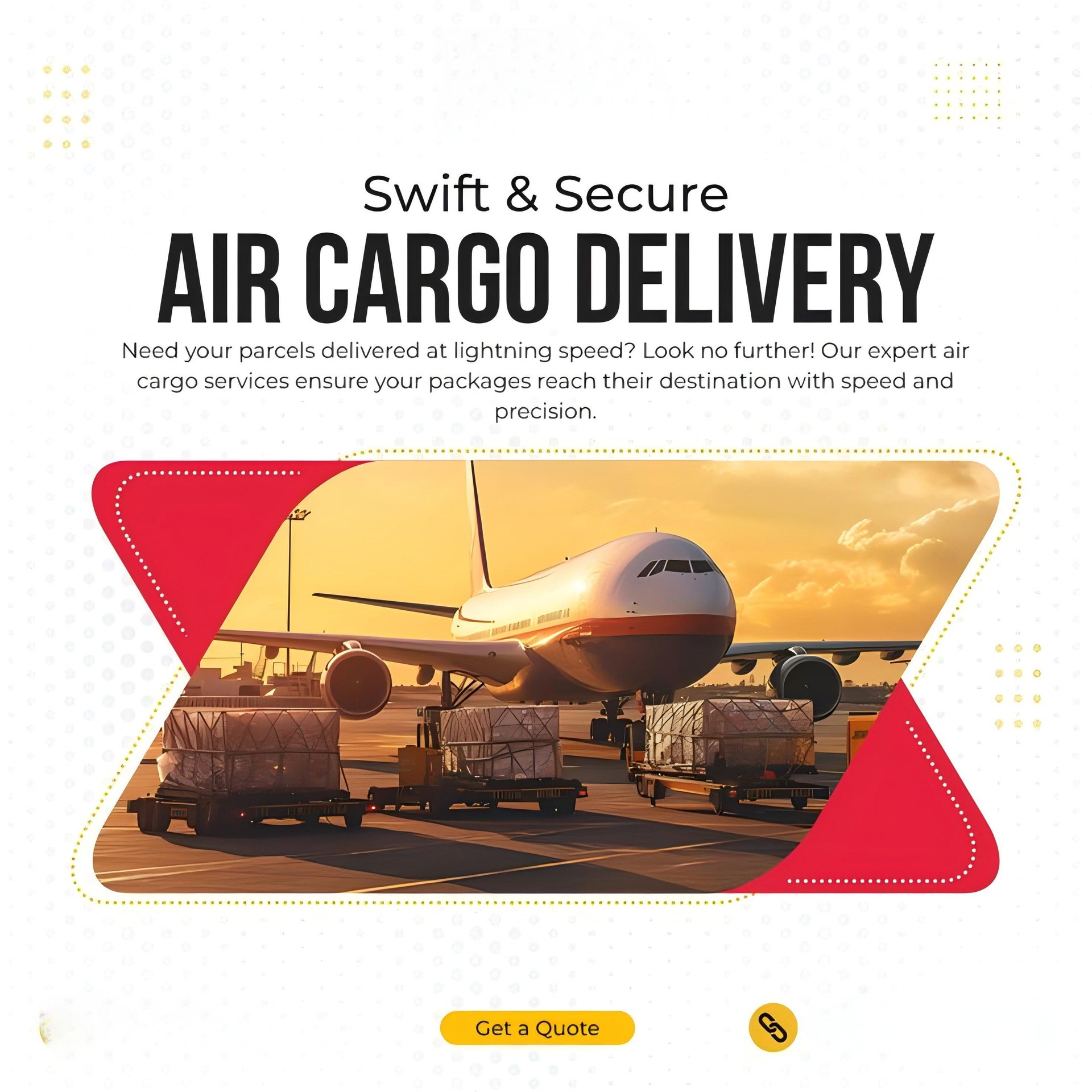
However, the 2026 market has seen a rise in demand for air freight for high-value electronics and time-sensitive fashion items. Although the costs are significantly higher, the reduction in transit time can drastically improve cash flow for many retailers. In contrast, sea freight offers the lowest cost per unit for bulk commodities and heavy machinery.
Meanwhile, hybrid solutions like sea-air combinations have gained traction as a middle-ground alternative. These services typically involve shipping goods by sea to a hub like Dubai or Singapore and then flying them to the USA. This approach offers a balance of moderate speed and manageable costs compared to pure air or sea routes.
| Shipping Method | Cost Range (Est.) | Transit Time | Best For |
|---|---|---|---|
| Sea Freight (FCL) | $3,000 – $5,500 | 18 – 35 Days | Large inventory, bulk goods |
| Sea Freight (LCL) | $80 – $150 per CBM | 25 – 40 Days | Small shipments, startups |
| Air Freight | $5.00 – $9.00 per kg | 3 – 7 Days | High-value, urgent cargo |
| Express Service | $8.00 – $15.00 per kg | 2 – 5 Days | Samples, small e-commerce |
❖
2026 Market Intelligence and Shipping Cost Trends
❖
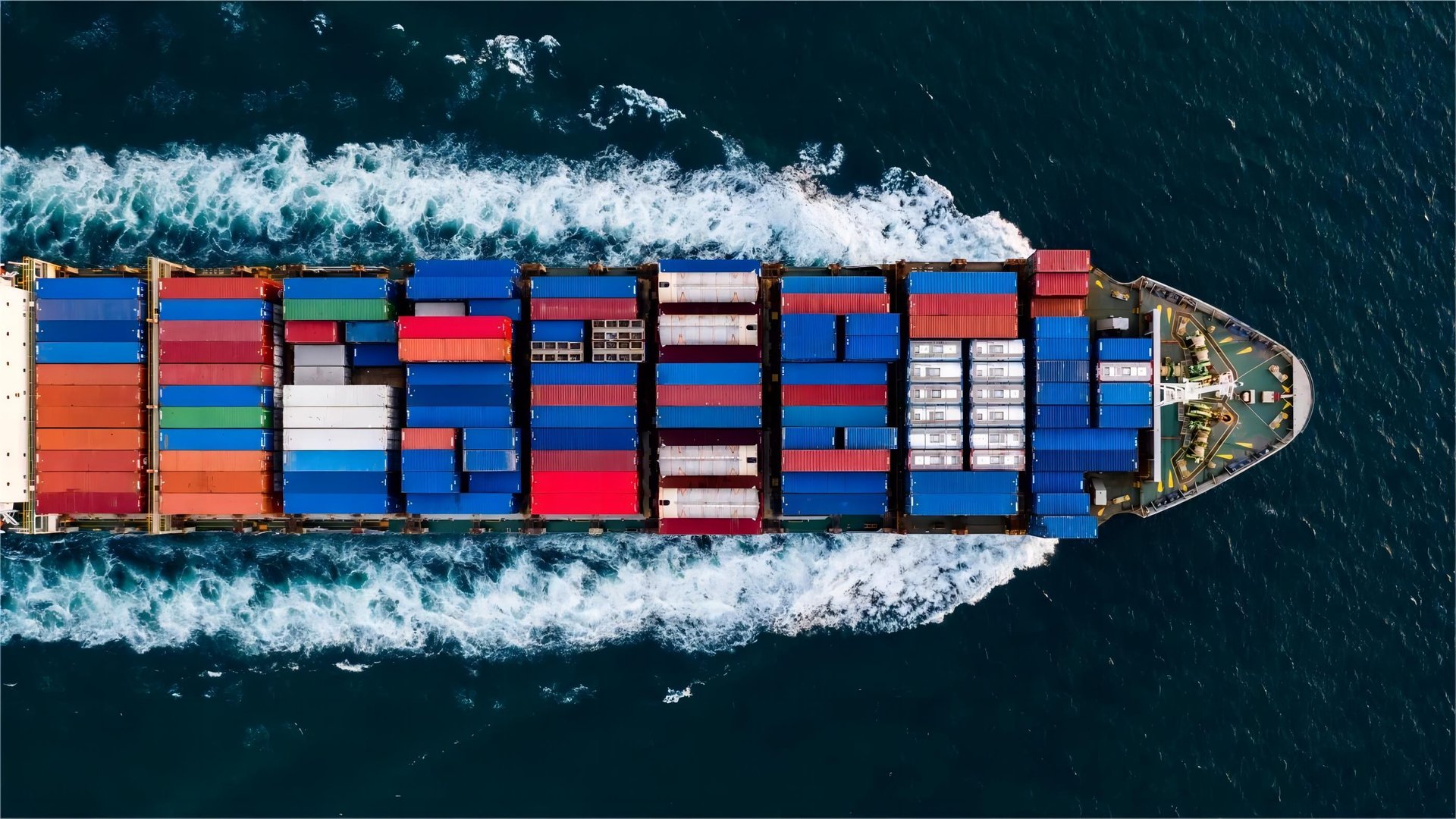
As of early 2026, freight rates from China to the USA have stabilized following the volatility seen in previous years. Nevertheless, seasonal peaks during the third quarter still cause price surges of approximately 20% due to holiday demand. Importers should plan their budgets around these predictable cycles to avoid overpaying for space on vessels.
Additionally, port congestion at major hubs like Los Angeles and Savannah has improved due to infrastructure investments made in late 2025. This has resulted in more reliable delivery schedules and fewer surcharges related to equipment shortages. Furthermore, the introduction of greener fuel mandates has led to a slight increase in bunker adjustment factors across all major carriers.
According to industry benchmarks, the average cost for a 40HQ container from Shanghai to the US West Coast currently ranges between $3,200 and $4,000. For East Coast destinations, prices are generally higher, ranging from $4,800 to $5,800 due to longer transit times through the Panama Canal. These rates include standard ocean freight but exclude destination charges and customs duties.
| Route | 20GP Container | 40HQ Container | Transit Time |
|---|---|---|---|
| Shenzhen to Los Angeles | $2,100 – $2,600 | $3,200 – $3,900 | 14 – 18 Days |
| Ningbo to New York | $3,400 – $4,100 | $5,100 – $6,000 | 30 – 35 Days |
| Qingdao to Savannah | $3,200 – $3,800 | $4,800 – $5,700 | 28 – 32 Days |
| Shanghai to Houston | $3,000 – $3,600 | $4,500 – $5,400 | 25 – 30 Days |
❖
Step-by-Step Guide to the Customs Clearance Process
❖
Initiating the clearance process begins long before the vessel arrives at a US port. Your broker will first file the Entry Manifest (Form 7533) or the Entry/Immediate Delivery (Form 3461) to alert authorities of the incoming cargo. Consequently, this early notification allows customs officials to decide whether a physical exam is necessary based on your compliance history.
Once the cargo arrives, the broker submits the Entry Summary (Form 7501), which includes the final calculation of duties and taxes. Meanwhile, the importer must ensure that funds are available for the immediate payment of these fees to avoid storage charges at the terminal. Using a door to door service often simplifies this by bundling brokerage and final delivery into one process.
After the release is granted, the cargo can be picked up from the terminal and transported to its final destination. However, the files must be kept for at least five years in case of a post-clearance audit by US Customs. Therefore, maintaining a digital archive of all communications and documents is a best practice for every professional importer.
❖
Real-World Case Studies in China-USA Logistics
❖
Case Study 1: Electronics from Shenzhen to Long Beach. A mid-sized retailer imported 22 CBM of consumer electronics using LCL sea freight in February 2026. The shipment faced a random customs intensive exam, which added $800 in fees and 4 days to the timeline. Despite this, the total landed cost remained 40% lower than air freight, with a door-to-door transit time of 24 days.
Case Study 2: Apparel from Ningbo to Savannah. An e-commerce brand utilized a 40HQ container for seasonal inventory in late 2025. By filing the ISF 10+2 early and using a continuous customs bond, they cleared the goods within 24 hours of vessel arrival. The total ocean freight cost was $5,400, and the shipment reached the warehouse in 34 days, meeting the peak season deadline perfectly.
These examples highlight the importance of factoring in potential delays and choosing the right container size for your volume. While LCL is great for smaller batches, FCL offers better security and faster handling at the port. Always consult with your logistics provider to determine which scenario fits your specific cargo type and budget.
❖
Which Shipping Option Should You Choose?
❖
Determining the best logistics strategy depends on your specific priorities regarding cost, speed, and cargo volume. If your primary goal is budget optimization and you have a flexible timeline, sea freight is the clear winner for most shipments. Conversely, if you are launching a new product or replenishing low stock, air freight provides the necessary speed to stay competitive.
For those managing Amazon FBA inventories, specialized services that handle both shipping and brokerage are highly recommended. These providers understand the strict labeling and delivery requirements of Amazon fulfillment centers, reducing the risk of rejected shipments. Furthermore, they often offer competitive rates for small-to-medium enterprises.
Ultimately, a hybrid approach often yields the best results for growing businesses. You might ship 20% of your inventory via air to catch the initial market wave and the remaining 80% via sea to maximize profit margins. This strategy mitigates risk and ensures that you always have stock available for your customers.
Final Thoughts on US-China Import Logistics
Successfully managing import shipping china to usa customs brokerage is a vital skill for any business involved in international trade. By understanding the documentation requirements, market trends, and shipping alternatives, you can significantly reduce costs and transit times. Remember that compliance is not just a legal obligation but a competitive advantage that ensures your goods reach the market without delay.
As we move through 2026, staying informed about regulatory changes and logistics innovations will remain crucial. Whether you choose sea, air, or a hybrid solution, the right partnership will provide the stability your business needs to thrive. Focus on long-term planning and expert collaboration to master the complexities of the transpacific trade route.
Ready to streamline your logistics?
Streamline your supply chain today by partnering with experts in import shipping china to usa customs brokerage. Our team provides tailored solutions to ensure your cargo moves efficiently and compliantly through every port. Contact us for a custom quote and experience the difference of professional logistics management. Send Inquiry:
Frequently Asked Questions
What is the average cost of a customs broker for China to USA shipping?
How long does customs clearance take in the USA?
Do I need a customs bond for every shipment?
What is the ISF 10+2 filing requirement?
Can I clear customs myself without a broker?
What are the most common reasons for customs delays?
How are import duties calculated for Chinese goods?