
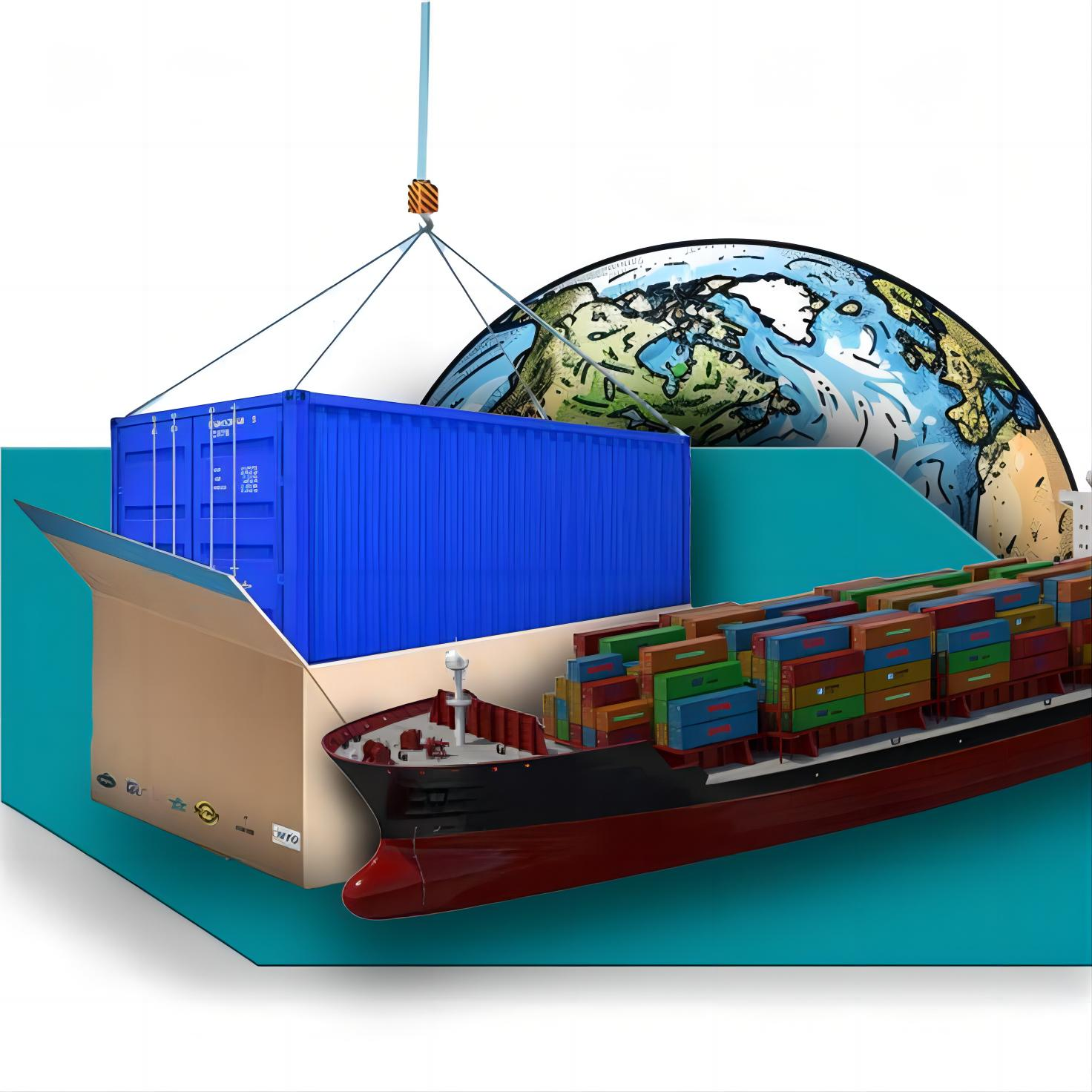
China to France Shipping Agent Air Sea Freight Solutions 2026
Finding a reliable logistics partner is essential for businesses navigating the complex trade route between East Asia and Western Europe. As a professional DSV-Freight partner, we provide comprehensive solutions that address the unique challenges of international logistics. This guide explores how a China to France shipping agent air sea freight specialist can optimize your supply chain through efficient routing and cost-effective management. Whether you are importing electronics or industrial machinery, understanding the nuances of freight modes will significantly impact your bottom line in 2026.
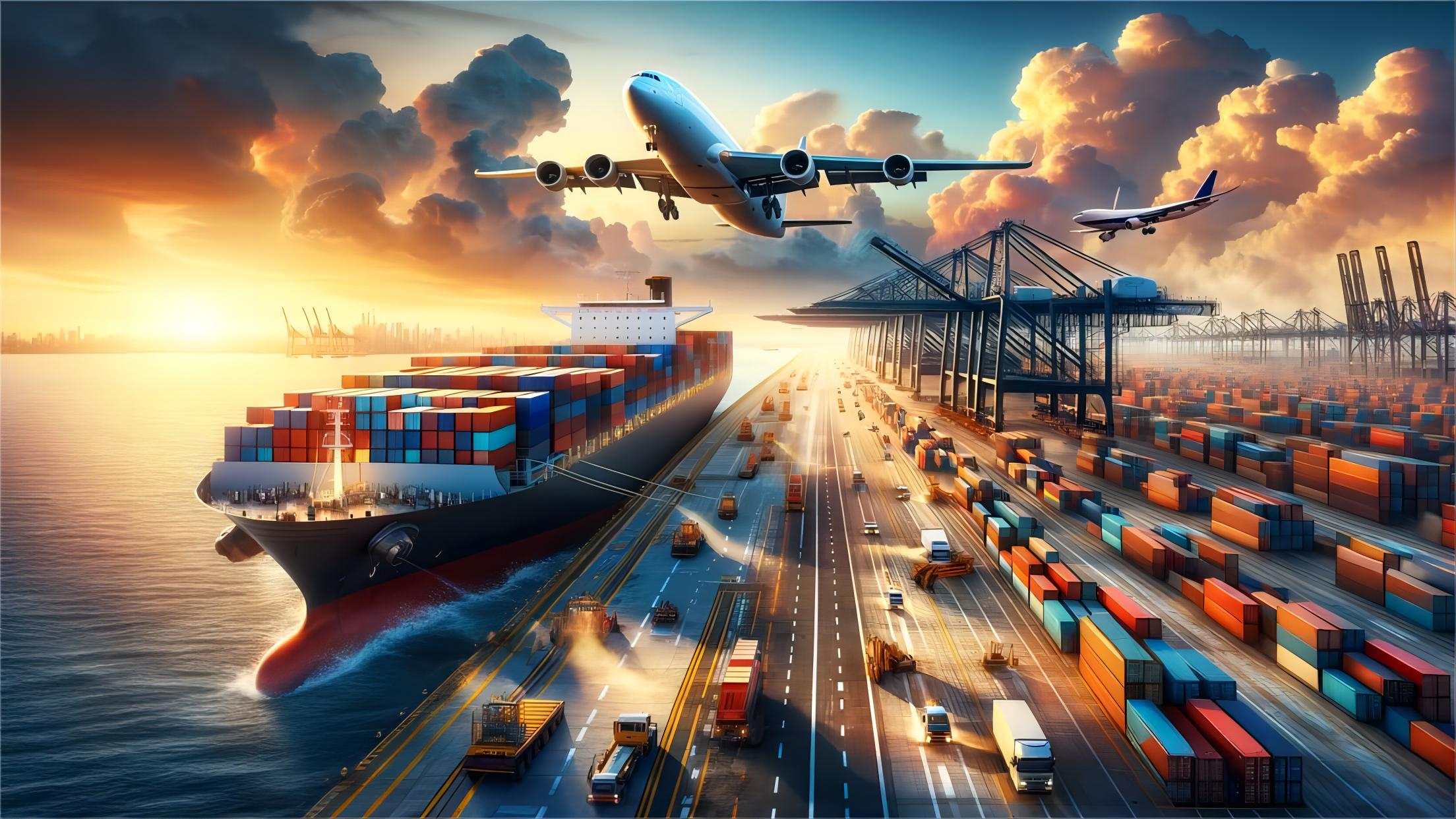
Why Choose a Professional China to France Shipping Agent Air Sea Freight Provider?
Managing international shipments requires a deep understanding of both Chinese export regulations and French import requirements. Moreover, a dedicated agent acts as a bridge between manufacturers and final destinations, ensuring that every step of the logistics chain remains visible. Consequently, businesses can avoid the common pitfalls of port congestion and documentation errors that often lead to expensive delays.
Furthermore, professional agents offer access to better freight rates through established relationships with major carriers like Maersk, CMA CGM, and Air France. In addition, they provide value-added services such as cargo insurance, warehousing, and real-time tracking. Without a doubt, the expertise of a logistics specialist is invaluable for maintaining a competitive edge in the 2026 global market.
Specifically, your agent will handle the complexities of cargo handling at major hubs like Shanghai or Shenzhen. Meanwhile, they coordinate with French authorities at ports like Le Havre or airports like Charles de Gaulle. Accordingly, this end-to-end management allows you to focus on your core business operations while the logistics experts handle the physical movement of goods.
How Does Sea Freight Compare to Other Shipping Options?
Sea freight remains the most popular choice for high-volume shipments due to its unmatched cost-efficiency. However, it is important to weigh this against the longer transit times associated with ocean travel. For instance, a standard vessel journey from China to France typically takes between 30 and 40 days depending on the specific port of loading.
Additionally, businesses must choose between Full Container Load (FCL) and Less than Container Load (LCL) options. FCL is ideal for large shipments that can fill a 20ft or 40ft container, offering better security and faster handling. On the other hand, LCL allows smaller businesses to share container space, making it a budget-friendly alternative for modest cargo volumes.
To help you decide, consider the following comparison of primary shipping methods available for the China to France route in 2026.
| Shipping Method | Cost Range | Transit Time | Best For |
|---|---|---|---|
| Sea Freight (FCL) | $3,000 – $4,500 | 30-40 Days | Bulk goods and large volumes |
| Air Freight | $5.00 – $9.00/kg | 3-7 Days | High-value or urgent cargo |
| Rail Freight | $1,800 – $2,800 | 18-22 Days | Medium-sized shipments |
| Express Service | $9.00 – $15.00/kg | 2-4 Days | Samples and small parcels |
Maximizing Efficiency with Air Freight and Express Services
When speed is the primary concern, air freight offers the fastest connection between Chinese manufacturing hubs and French markets. Indeed, this mode is essential for seasonal products, electronics, and perishable items that require immediate delivery. Although the costs are higher than sea freight, the reduced transit time can prevent stockouts and improve customer satisfaction.
Moreover, for very small shipments or urgent documents, an express service provides a seamless door-to-door solution. These services utilize the networks of global couriers like DHL, FedEx, and UPS to ensure rapid delivery. Consequently, businesses can maintain a lean inventory and respond quickly to market fluctuations.
Nevertheless, it is crucial to calculate the total landed cost when choosing air transport. While the shipping price is higher, you may save on warehousing costs and insurance premiums due to the shorter time in transit. Therefore, air freight is often more economical for high-value goods where the cost of capital tied up in inventory is a significant factor.
The Strategic Advantages of Sea Freight for Large Volumes
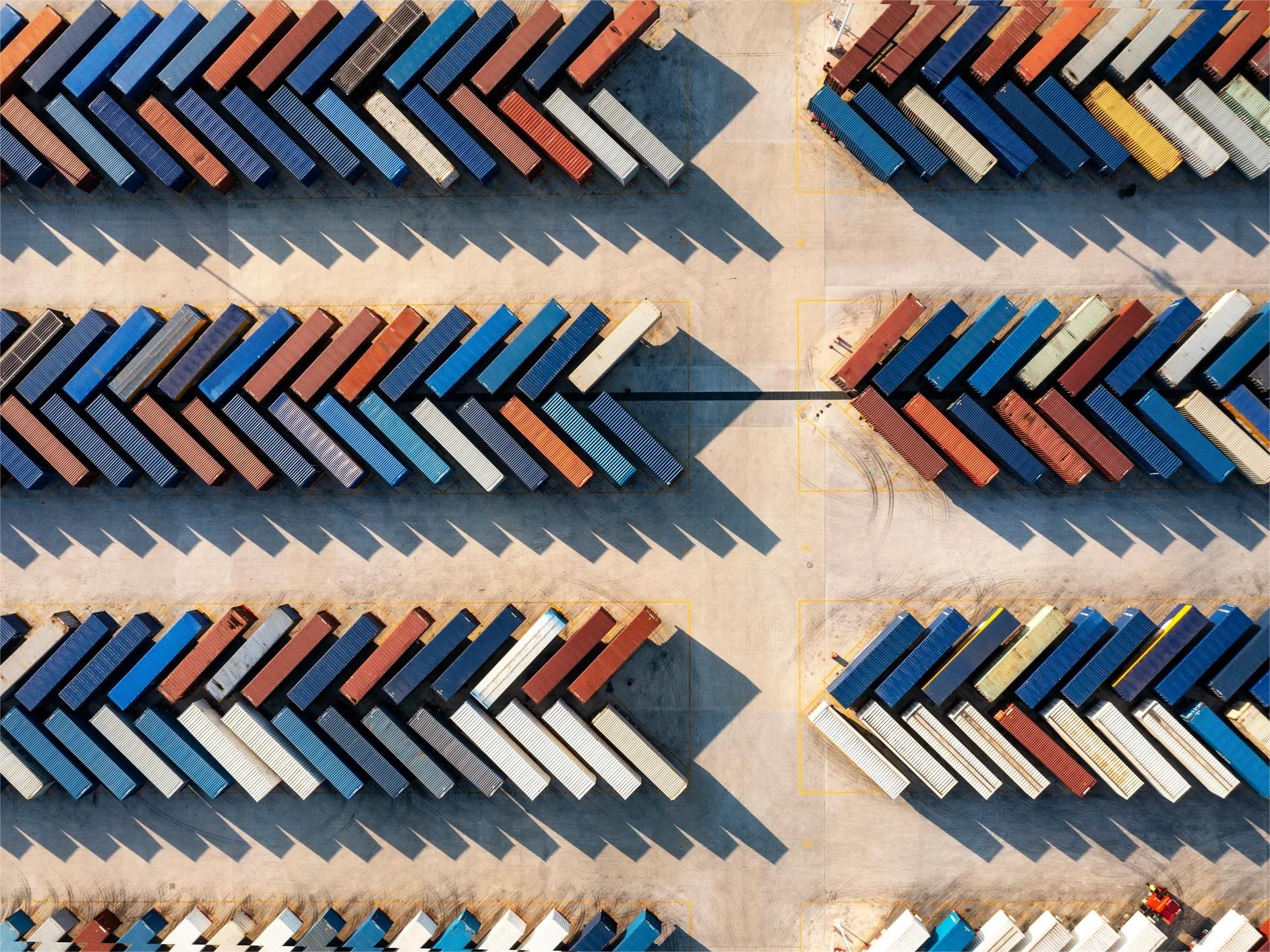
For companies moving significant quantities of goods, sea freight provides the most sustainable and cost-effective logistics strategy. As of early 2026, ocean freight rates have stabilized, allowing for more predictable budgeting in the supply chain. Furthermore, modern container ships offer advanced tracking capabilities, giving importers better visibility into their cargo’s location.
In contrast to air transport, sea freight has fewer restrictions on hazardous materials and oversized items. For example, industrial machinery and heavy automotive parts are almost exclusively moved via ocean carriers. Meanwhile, the environmental impact per ton-mile is significantly lower for sea freight, which aligns with the growing emphasis on green logistics in Europe.
To summarize, if your delivery schedule allows for a four-to-six-week window, sea freight is the superior choice for maximizing profit margins. By planning ahead and booking shipments in advance, you can secure lower rates and avoid the premium prices associated with peak season surcharges.
Exploring Rail Freight as a Middle-Ground Alternative
Rail freight has emerged as a powerful alternative for shipments from China to Europe, offering a balance between speed and cost. Through the Silk Road Economic Belt, rail freight connects major Chinese cities like Xi’an and Chengdu directly to European rail hubs. This method is typically 50% faster than sea freight and 60% cheaper than air freight.
Additionally, rail transport is less affected by weather conditions compared to air and sea modes. This reliability makes it an excellent choice for consistent supply chain replenishment. Consequently, many automotive and fashion brands have integrated rail into their logistics mix to achieve faster time-to-market without the high costs of air cargo.
However, rail freight is best suited for shipments that are too large for air but too urgent for the slow sea route. For instance, a shipment of consumer electronics might take 20 days to reach France by rail, providing a significant advantage over the 40-day sea journey. Indeed, this hybrid approach is becoming a staple for modern importers.
Navigating Customs and Door to Door Delivery
The final leg of the journey involves complex customs brokerage procedures that can make or break your delivery schedule. Every import into France must comply with EU regulations, including the correct classification of goods under HS codes. Furthermore, having a valid EORI number is mandatory for all businesses importing into the European Union.
Additionally, a comprehensive door to door service simplifies the entire process by managing the local drayage in China and the final mile delivery in France. This means your agent handles the pickup from the factory, the international transit, and the delivery to your warehouse in Paris, Lyon, or Marseille. As a result, you eliminate the need to coordinate with multiple local trucking companies.
Without a doubt, proper documentation is the most critical aspect of avoiding customs delays. Use the following checklist to ensure your paperwork is in order before the cargo departs from China.
| Document Name | Purpose | Issuer | Requirement |
|---|---|---|---|
| Commercial Invoice | Declares value of goods | Seller/Exporter | Mandatory |
| Packing List | Details cargo contents | Seller/Exporter | Mandatory |
| Bill of Lading | Contract of carriage | Carrier/Agent | Mandatory |
| Certificate of Origin | Proves where goods were made | Local Chamber | Optional/Specific |

Which Option Should You Choose? A Decision Framework
Selecting the right shipping method depends on several variables, including budget, urgency, and cargo characteristics. If your priority is budget and you are moving over 15 CBM of goods, sea freight is the clear winner. Conversely, if you are launching a new product and need it in French stores next week, air freight is the only viable option.
For shipments that fall in between, consider the volume thresholds. For example, LCL sea freight is often cheaper than air freight once the volume exceeds 1-2 CBM. Meanwhile, rail freight becomes highly competitive for shipments between 5 and 10 CBM that require a faster transit than ocean vessels can provide.
To help you navigate these choices, we have provided an objective analysis of all viable alternatives for the China to France route based on current 2026 market intelligence.
| Method | Cost Range | Transit Time | Limitations |
|---|---|---|---|
| Sea (FCL) | Low ($3k-$4k) | 30-40 Days | Slowest method |
| Sea (LCL) | Moderate ($50-$100/CBM) | 35-45 Days | Risk of co-loading delays |
| Air Freight | High ($5-$9/kg) | 3-7 Days | Weight/size restrictions |
| Rail Freight | Mid ($2k-$3k) | 18-22 Days | Limited to rail terminals |
Realistic Case Studies for China to France Logistics
Reviewing actual shipping scenarios can provide valuable insights into what to expect during the logistics process. These cases reflect typical market rates and transit times as of early 2026. For instance, seasonal demand in Q4 often leads to a 20% increase in rates, which is factored into our analysis below.
Each case study highlights the importance of choosing the right mode based on the specific needs of the cargo and the business objectives. Whether it is cost-saving through sea freight or speed through air cargo, these examples demonstrate the practical application of the strategies discussed in this guide.
Case Study 1: High-Value Electronics via Air
Case Study 1: Urgent Electronics Launch
Route: Shenzhen, China to Paris, France
Cargo: Smart home devices, 2.5 CBM, 450 kg
Shipping Details:
– Carrier: Air France Cargo
– Port of Loading: Shenzhen Bao’an International
– Port of Discharge: Paris Charles de Gaulle
– Route Type: Direct
Cost Breakdown:
– Air Freight: $3,375 ($7.50/kg)
– Origin Charges: $250
– Destination Charges: $300
– Customs Duties: $800
– Total Landed Cost: $4,725
Timeline:
– Booking to Loading: 2 days
– Air Transit: 1 day
– Customs Clearance: 1 day
– Total Door-to-Door: 5 days
Key Insight: Using air freight allowed the client to meet a strict product launch deadline despite manufacturing delays in China.
Case Study 2: Bulk Furniture via Sea FCL
Case Study 2: Retail Furniture Stock
Route: Ningbo, China to Marseille, France
Cargo: Outdoor furniture, 65 CBM
Container: 40HQ
Shipping Details:
– Carrier: CMA CGM
– Port of Loading: Ningbo-Zhoushan
– Port of Discharge: Port of Marseille-Fos
– Route Type: Direct
Cost Breakdown:
– Ocean Freight: $3,800
– Origin Charges: $450
– Destination Charges: $550
– Customs & Duties: $1,200
– Total Landed Cost: $6,000
Timeline:
– Booking to Loading: 5 days
– Sea Transit: 32 days
– Customs Clearance: 3 days
– Total Door-to-Door: 42 days
Key Insight: FCL shipping provided the lowest cost per unit for this high-volume, low-urgency cargo.
Summary of China to France Shipping Options
To summarize, navigating the trade route from China to France requires a strategic approach to mode selection and logistics management. By partnering with a professional China to France shipping agent air sea freight specialist, you can balance the trade-offs between speed and cost effectively. Moreover, staying informed about 2026 market trends and customs regulations will ensure your goods arrive on time and within budget.
Whether you choose the rapid delivery of air freight or the economical scale of sea freight, the key to success lies in meticulous planning and clear communication with your logistics provider. Consequently, your business will be better positioned to thrive in the competitive European market.

Ready to streamline your logistics?
Streamline your international supply chain with a trusted China to France shipping agent air sea freight expert today. Contact our team to receive a customized quote tailored to your specific cargo needs and 2026 delivery schedule. Visit our inquiry page to get started: Visit https://dsv-freight.com/contact/
Request Quote