China to Germany Cargo Freight Forwarding DDP Logistics Service Company
Navigating the complexities of international trade requires a reliable china to germany cargo freight forwarding ddp logistics service company to ensure your goods arrive safely and on time. Many businesses struggle with the intricate customs regulations and fluctuating shipping costs that define the current 2026 logistics landscape. This comprehensive guide provides everything you need to know about optimizing your supply chain from China to Germany using Delivered Duty Paid strategies.
✦
What is DDP and Why is it Essential for China to Germany Shipping?
Delivered Duty Paid (DDP) is an incoterm where the seller assumes all responsibility, risks, and costs associated with transporting goods until the buyer receives them. This includes paying for shipping costs, export and import duties, taxes, and any other charges incurred during transport to Germany.
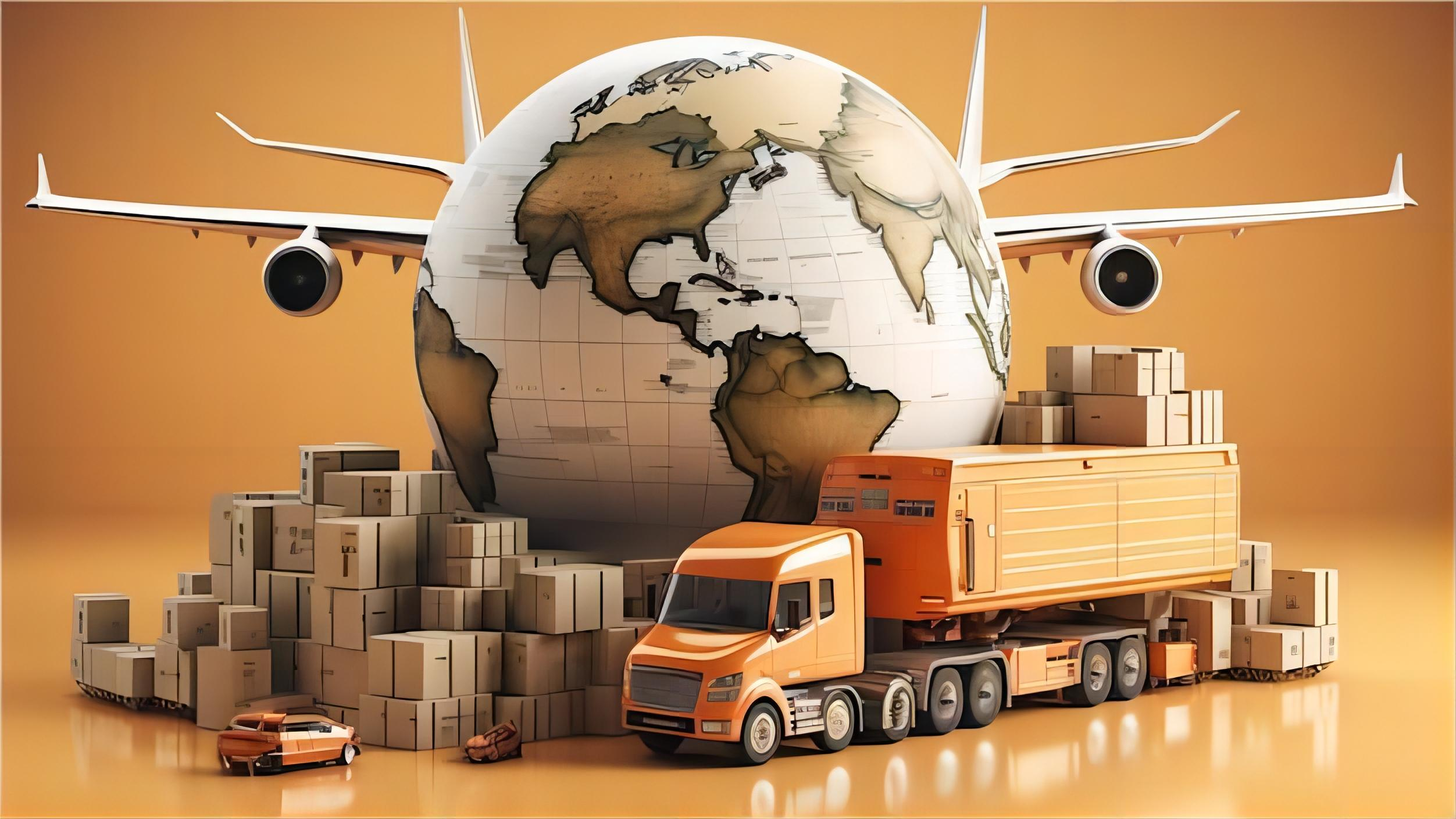
Choosing a china to germany cargo freight forwarding ddp logistics service company eliminates the hidden costs often associated with traditional shipping methods. Furthermore, it allows German importers to focus on sales rather than navigating the complexities of German customs and VAT (Value Added Tax) calculations.
Market trends in early 2026 show that DDP services have become the preferred choice for e-commerce sellers and small-to-medium enterprises. Consequently, this model provides a fixed landed cost, which is vital for maintaining healthy profit margins in a competitive European market.
Specifically, the DDP model handles the EU’s Import One-Stop Shop (IOSS) and other tax compliance requirements automatically. This ensures that your cargo does not get stuck at the border due to missing documentation or unpaid levies.
How Does DDP Compare to Other Shipping Options?
Selecting the right shipping method depends on your budget, timeline, and the nature of your cargo. While DDP is a service level, it can be applied across different transport modes including sea, air, and rail.
Sea freight remains the most economical choice for large volumes, whereas air freight serves urgent shipments that need to reach Germany within days. Rail freight has emerged as a powerful middle ground, offering faster transit than sea at a lower cost than air.
Moreover, comparing these options requires looking at the total landed cost rather than just the initial freight rate. Additionally, businesses must consider the environmental impact, as rail and sea options provide much lower carbon footprints compared to air transport.
The following table provides a detailed comparison of the primary shipping methods available from China to Germany in 2026.
| Shipping Method | Cost Range (DDP) | Transit Time | Best For |
|---|---|---|---|
| Sea Freight (LCL) | $150 – $250 per CBM | 35 – 45 Days | Bulk goods, low urgency |
| Air Freight | $5.50 – $9.50 per KG | 5 – 9 Days | Electronics, high-value |
| Rail Freight | $120 – $180 per CBM | 18 – 24 Days | Heavy machinery, mid-urgency |
| Express Service | $9.00 – $14.00 per KG | 3 – 5 Days | Samples, urgent documents |
Leveraging Sea Freight for Maximum Cost Efficiency
For companies moving large quantities of stock, sea freight is the backbone of the China-Germany trade route. It offers the lowest cost per unit, especially when utilizing Full Container Load (FCL) options.
Standard container sizes like the 20GP, 40GP, and 40HQ allow for versatile cargo handling. Meanwhile, Less than Container Load (LCL) services enable smaller businesses to share container space, paying only for the volume they use.
Current market data from Q1 2026 suggests that ocean freight rates have stabilized following the logistical shifts of previous years. However, it is always recommended to book at least 3-4 weeks in advance to secure space during peak seasons like the pre-Golden Week rush.
Note: Freight rates are subject to change based on fuel costs, carrier capacity, and seasonal demand. Contact us for a current quote tailored to your specific shipment.
Air Freight Solutions for Urgent Cargo Needs
When time is the most critical factor, air freight provides the speed necessary to keep your supply chain moving. This method is particularly popular for high-tech electronics, fashion items, and seasonal products that must hit German shelves quickly.
Air cargo services typically operate from major Chinese hubs like Shenzhen (SZX), Shanghai (PVG), and Guangzhou (CAN) to Frankfurt (FRA) or Munich (MUC). In addition to speed, air transport offers higher security and reduced risk of damage for fragile items.
Furthermore, DDP air freight services include the complex task of handling airport terminal charges and local delivery within Germany. Consequently, your goods can move from a factory in Dongguan to a warehouse in Berlin in less than a week.
Prices for air freight are calculated based on either actual weight or volumetric weight, whichever is greater. Therefore, optimizing your packaging is essential to avoid unnecessary costs.
The Rise of Rail Freight on the New Silk Road
The China-Europe Railway Express has revolutionized rail freight, connecting cities like Xi’an and Chengdu directly to Duisburg and Hamburg. This route is significantly faster than sea freight while remaining much cheaper than air transport.
Rail freight is an excellent choice for automotive parts, industrial equipment, and consumer goods that require a balance between speed and cost. Additionally, the stability of rail transport makes it less susceptible to the weather-related delays that can affect ocean vessels.
In 2026, the rail infrastructure has seen significant upgrades, reducing border crossing times at the Alashankou and Malaszewicze terminals. As a result, door-to-door transit times have become more predictable for German importers.
Choosing a china to germany cargo freight forwarding ddp logistics service company with rail expertise ensures that all transit documents for the multiple countries along the route are handled correctly.
Comprehensive Door to Door Logistics and Customs Brokerage
The ultimate goal of a DDP service is a seamless door to door experience. This means the freight forwarder manages the entire journey from the supplier’s warehouse in China to the final destination in Germany.
Effective customs brokerage is the most critical component of this process. German customs are known for their strict adherence to regulations regarding product safety, CE marking, and VAT compliance.
Moreover, a professional forwarder will pre-clear your goods, ensuring that all duties are paid before the cargo even arrives at the German port or rail terminal. This proactive approach prevents costly demurrage and detention fees.
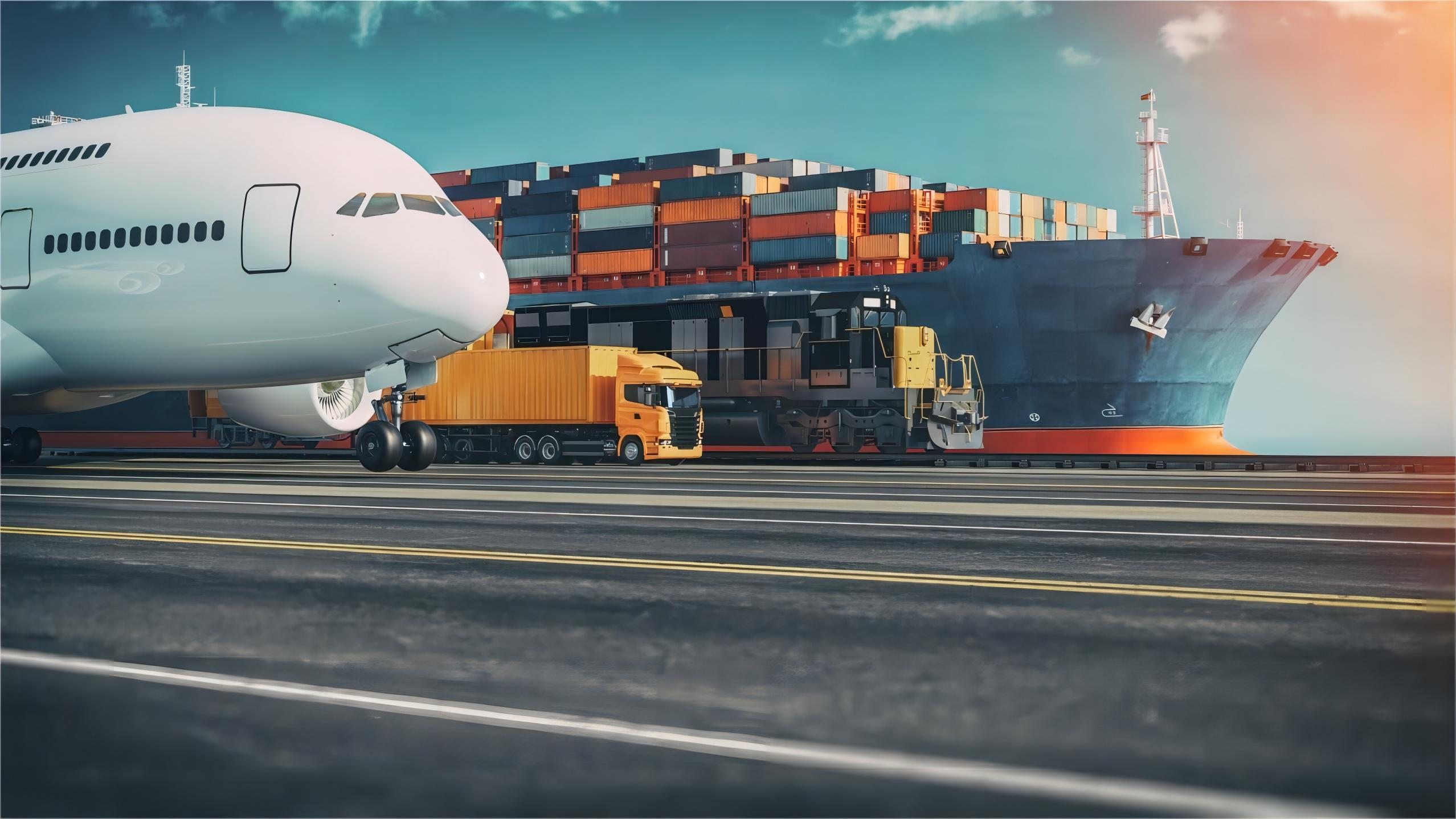
Without a doubt, having a partner who understands the local German market and language can resolve potential issues with the Zoll (German Customs) before they escalate into delays.
Which Option Should You Choose?
Deciding on the best logistics strategy requires an analysis of your specific business needs. If your priority is the absolute lowest price and you have a flexible timeline, sea freight is the winner.
Conversely, if you are launching a new product or replenishing low stock, the speed of air freight justifies the higher expense. For most consistent inventory restocking, rail freight offers the most reliable schedule.
Consider the following decision framework to help guide your choice for your next shipment from China to Germany.
Budget priority: Recommend Sea Freight (FCL for >15 CBM, LCL for smaller volumes). Speed priority: Recommend Air Freight or Express Service. Balanced priority: Recommend Rail Freight DDP.
| Priority | Recommended Method | Volume Threshold | Typical Result |
|---|---|---|---|
| Lowest Cost | Sea Freight LCL | 1 – 15 CBM | Slow but very cheap |
| Maximum Speed | Air Freight | Any | Delivery in < 10 days |
| Reliability | Rail Freight | > 2 CBM | Consistent 3-week lead time |
| Convenience | DDP Door-to-Door | Any | Zero effort for importer |
Real-World Case Studies: China to Germany Logistics
Examining real-world scenarios helps illustrate how different shipping methods perform in practice. These cases are based on typical market rates and transit times observed in early 2026.
Each case highlights the importance of choosing the right mode of transport based on the cargo type and the required delivery window.
Case Study 1: Electronics Components to Munich Route: Shenzhen, China to Munich, Germany Cargo: High-end sensors, 3 CBM, 450 kg Shipping Details: – Carrier: Major Air Carrier – Port of Loading: Shenzhen (SZX) – Port of Discharge: Munich (MUC) – Route Type: Direct Air Freight Cost Breakdown: – Air Freight: $3,150 – Origin Charges: $200 – Destination Charges: $250 – Customs & Duties (DDP): $1,200 – Total Landed Cost: $4,800 Timeline: – Booking to Loading: 2 days – Air Transit: 1 day – Customs Clearance: 1 day – Total Door-to-Door: 6 days Key Insight: Air freight was chosen to meet a production deadline at a German manufacturing plant.
Case Study 2: Home Furniture to Hamburg Route: Ningbo, China to Hamburg, Germany Cargo: Flat-pack furniture, 28 CBM Container: 20GP Full Container Shipping Details: – Carrier: COSCO – Port of Loading: Ningbo – Port of Discharge: Hamburg – Route Type: Direct Sea Freight Cost Breakdown: – Ocean Freight: $2,100 – Origin Charges: $350 – Destination Charges: $400 – Customs & Duties (DDP): $2,800 – Total Landed Cost: $5,650 Timeline: – Booking to Loading: 5 days – Sea Transit: 34 days – Customs Clearance: 3 days – Total Door-to-Door: 45 days Key Insight: FCL sea freight provided the lowest possible per-unit cost for bulky items.
Understanding German Customs and Documentation
Importing into Germany requires meticulous documentation to avoid delays and penalties. The primary documents include the Commercial Invoice, Packing List, and Bill of Lading or Air Waybill.
Furthermore, certain products require specific certifications such as CE for electronics or REACH for chemicals. A specialized china to germany cargo freight forwarding ddp logistics service company will review these documents before the goods leave China.
In addition to standard documents, the EORI (Economic Operators Registration and Identification) number is mandatory for all businesses importing into the EU. Ensure your German entity or representative has this number ready.
The table below summarizes the essential documents required for a smooth DDP shipment to Germany.
| Document Name | Purpose | Required For | Source |
|---|---|---|---|
| Commercial Invoice | Valuation and tax | All shipments | Exporter |
| Packing List | Cargo verification | All shipments | Exporter |
| Certificate of Origin | Duty rate determination | Preferential trade | Chamber of Commerce |
| CE Certification | Safety compliance | Electronics/Toys | Testing Lab |
Mastering Your China to Germany Logistics
Successfully managing imports from China to Germany in 2026 requires a strategic approach to logistics. By partnering with a professional china to germany cargo freight forwarding ddp logistics service company, you can mitigate the risks of international shipping and ensure a predictable supply chain.
Whether you choose the speed of air freight, the economy of sea freight, or the balance of rail, the DDP model offers the most security for your business. Remember to plan ahead, stay informed on market trends, and always double-check your documentation for a hassle-free delivery experience.