
Logistics Support for Sourcing Companies: 2026 Efficiency Guide | Best Logistics Support for Sourcing Companies in 2026
Sourcing goods from international markets requires a robust strategy that extends far beyond finding the right manufacturer. Professional DSV-Freight services provide the essential logistics support for sourcing companies to ensure that supply chains remain resilient against global disruptions. Without a doubt, managing complex shipping schedules and customs requirements demands specialized expertise to maintain profitability in 2026.

Why Logistics Support for Sourcing Companies is Crucial in 2026
Modern sourcing involves navigating a landscape of fluctuating freight rates and evolving trade regulations. Consequently, companies must rely on comprehensive logistics support for sourcing companies to mitigate risks associated with port congestion and fuel surcharges.

Moreover, the integration of real-time tracking and automated documentation has become a standard requirement for maintaining a competitive edge. Therefore, sourcing agents who lack professional logistics backing often face significant delays and unexpected expenses.
Additionally, the shift toward sustainable shipping practices in 2026 has introduced new compliance standards that require expert oversight. Indeed, having a partner who understands these nuances ensures that your cargo handling remains efficient and cost-effective.
How Does Sea Freight Compare to Other Shipping Options?
Choosing the right transportation mode is a fundamental decision that impacts both the bottom line and customer satisfaction. While sea freight remains the most popular choice for high-volume shipments, it is essential to analyze alternatives based on current market data.
For instance, air freight offers unmatched speed for urgent inventory replenishment but comes at a significantly higher premium. Meanwhile, rail freight provides a middle ground for Eurasian routes, though it is not applicable for transoceanic destinations like Australia.
To summarize, sourcing companies must balance transit time against budget constraints to select the most appropriate method for their specific cargo type.
| Method | Cost Range | Transit Time | Best For |
|---|---|---|---|
| Sea Freight | Low ($1,500 – $4,500) | 14 – 45 Days | Bulk / FCL |
| Air Freight | High ($5 – $12/kg) | 3 – 7 Days | High-Value / Urgent |
| Rail Freight | Medium ($2,500 – $5,500) | 18 – 25 Days | Eurasian Land Bridge |
| Express | Premium ($8 – $15/kg) | 2 – 5 Days | Samples / Small Parcels |
Key Components of Effective Logistics Support
Successful logistics support for sourcing companies involves more than just moving boxes from point A to point B. It requires a holistic approach to supply chain optimization, including warehouse management and inventory control.
Furthermore, utilizing air freight for time-sensitive components can prevent manufacturing shutdowns. On the other hand, consolidating smaller shipments into a single container can lead to massive cost savings over time.
Nevertheless, the complexity of global trade means that even the best-laid plans can face challenges. Accordingly, having a dedicated team to manage delivery schedules and carrier relationships is indispensable.
Navigating Customs Brokerage and Compliance
Customs regulations are notoriously complex and vary significantly between jurisdictions. For this reason, professional customs brokerage is a core pillar of logistics support for sourcing companies.
In addition, incorrect tariff classifications or missing documentation can lead to severe penalties and seized shipments. As a result, experts in international trade compliance work to ensure that all paperwork is filed accurately and on time.
Without a doubt, the peace of mind provided by a reliable customs partner allows sourcing companies to focus on their core business of product development and procurement.
| Document | Purpose | Requirement | Timeline |
|---|---|---|---|
| Commercial Invoice | Valuation | Mandatory | Pre-shipment |
| Packing List | Cargo Detail | Mandatory | Pre-shipment |
| Bill of Lading | Title of Goods | Mandatory | Post-loading |
| Cert. of Origin | Duty Preference | Specific Routes | Pre-clearance |
Case Study 1: Electronics Sourcing from China to Germany
Route: Shenzhen, China to Hamburg, Germany. Cargo: Consumer Electronics, 18 CBM, 5200 kg. Container: LCL (Less than Container Load).
Shipping Details: Carrier used a major ocean line with transshipment via Singapore. Port of Loading: Shenzhen. Port of Discharge: Hamburg. Route Type: Transshipment.
Cost Breakdown: Ocean Freight: $1,250. Origin Charges: $450. Destination Charges: $600. Customs and Duties: $1,800. Total Landed Cost: $4,100.
Timeline: Booking to Loading: 4 days. Sea Transit: 34 days. Customs Clearance: 2 days. Total Door-to-Door: 40 days. Key Insight: Consolidating LCL cargo saved the client 30% compared to air freight during the Q1 2026 peak.
Case Study 2: Fashion Apparel from Ningbo to Los Angeles
Route: Ningbo, China to Los Angeles, USA. Cargo: Seasonal Apparel, 65 CBM, 8000 kg. Container: 40HQ (High Cube).
Shipping Details: Direct service via a major trans-pacific carrier. Port of Loading: Ningbo. Port of Discharge: Los Angeles. Route Type: Direct.
Cost Breakdown: Ocean Freight: $3,800. Origin Charges: $550. Destination Charges: $750. Customs and Duties: $2,200. Total Landed Cost: $7,300.
Timeline: Booking to Loading: 5 days. Sea Transit: 16 days. Customs Clearance: 3 days. Total Door-to-Door: 24 days. Key Insight: Utilizing a direct route avoided West Coast port congestion, ensuring the collection hit retail shelves on time.
The Advantages of Door to Door Solutions
Many sourcing companies prefer door to door logistics because it simplifies the entire shipping process. Instead of managing multiple vendors, the company interacts with a single point of contact for the entire journey.
Consequently, this model reduces the risk of communication breakdowns and ensures that the delivery schedule is managed holistically. Moreover, it often includes final-mile delivery, which is critical for companies using Amazon FBA to reach their customers.
Indeed, for smaller sourcing firms, the convenience of an end-to-end solution far outweighs the potential cost of managing individual logistics segments.
Which Option Should You Choose?
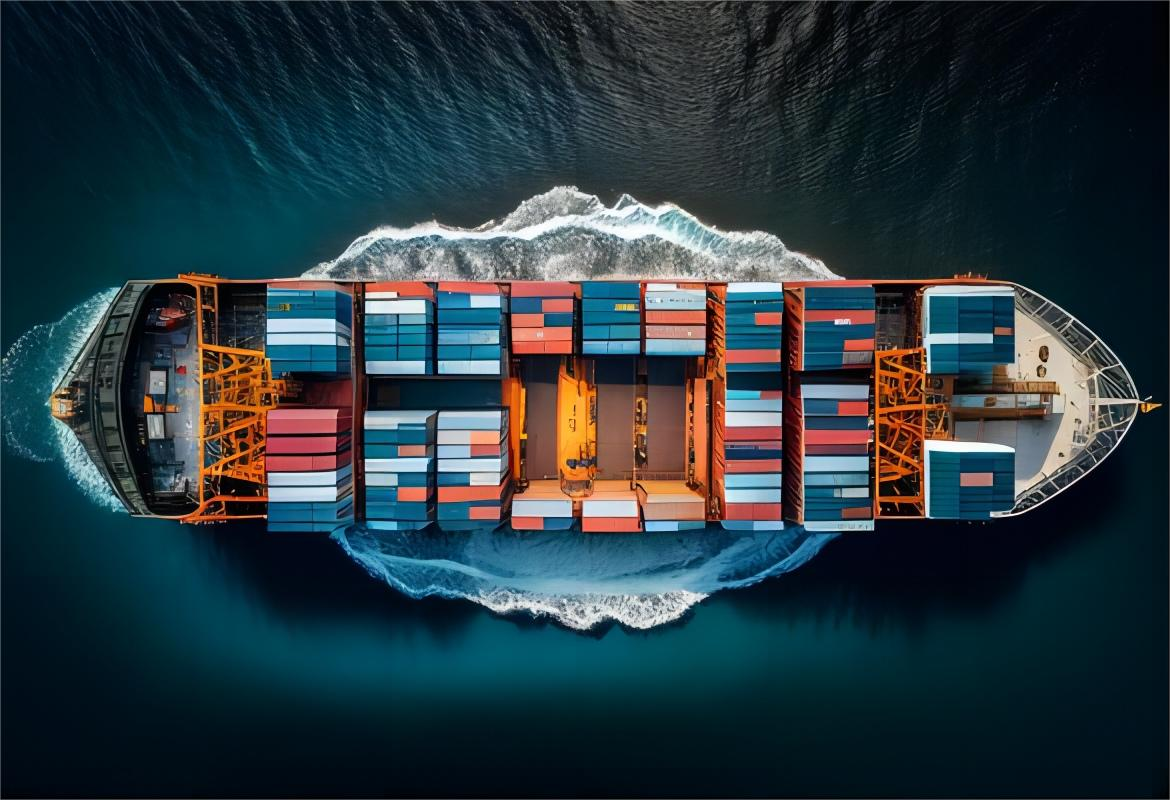
Determining the best logistics support for sourcing companies depends on several variables, including budget, speed, and cargo volume. If budget is the primary priority, sea freight is almost always the recommended option for shipments exceeding 2 CBM.
However, if speed is the priority, air freight is the only viable choice for intercontinental routes. For cargo types that are fragile or require specific handling, specialized logistics providers should be consulted to prevent damage.
Additionally, volume thresholds matter; once a shipment reaches 15 CBM, switching from LCL to a 20GP container often becomes more economical. Always consider hybrid solutions like sea-air to balance costs and transit times effectively.
| Destination | 20GP Rate | 40HQ Rate | Avg Transit |
|---|---|---|---|
| China to UK | $2,200 – $2,800 | $3,800 – $4,500 | 32 – 38 Days |
| China to USA (W) | $1,800 – $2,300 | $3,000 – $3,800 | 15 – 20 Days |
| China to Australia | $900 – $1,300 | $1,600 – $2,100 | 14 – 20 Days |
| China to Europe | $2,000 – $2,600 | $3,500 – $4,200 | 30 – 35 Days |
Market Trends and Data for 2026
As of early 2026, market data suggests that freight rates have stabilized following the volatility of the previous year. Nevertheless, industry averages indicate that peak season surcharges still apply from August through October.
Furthermore, according to industry benchmarks, the adoption of green fuels in maritime transport has led to a slight increase in base rates, which is offset by carbon credit incentives for compliant shippers. Consequently, sourcing companies must stay informed about these logistics trends to optimize their landed costs.
Note: Freight rates are subject to change based on fuel costs, carrier capacity, and seasonal demand. Contact us for a current quote tailored to your specific shipment.
Maximizing Value with Professional Logistics
In conclusion, securing reliable logistics support for sourcing companies is a prerequisite for success in the modern global market. By understanding the nuances of different shipping methods and the importance of customs compliance, businesses can significantly reduce their overhead.
Professional freight forwarding ensures that your goods are handled with care and delivered according to schedule. As we move through 2026, the ability to adapt to changing market conditions will define the most successful sourcing operations.
Whether you are shipping bulk commodities or high-value electronics, the right logistics strategy will protect your margins and support your long-term growth.
Get Your Shipping Quote Today
Streamlining your supply chain requires more than just a provider; it requires a partner. Enhance your operations with professional logistics support for sourcing companies today. Visit our website to request a personalized quote and secure your 2026 shipping schedule. Send Inquiry: https://dsv-freight.com/
Request Quote