
Shipping from China to Brazil: The Ultimate 2026 Logistics Guide
“Shipping from China to Brazil involves complex logistics, but partnering with experts like DSV-Freight simplifies the entire process. Whether you are a first-time importer or an established retailer, our comprehensive guide at dsv-freight.com/ ensures your cargo reaches its destination efficiently. Navigating international transit requires careful planning to avoid common delays at Brazilian customs.”
✦
Understanding Shipping from China to Brazil Logistics
Global trade between China and Brazil has grown significantly in 2026, necessitating robust supply chain solutions. Businesses must choose between various transport modes to balance cost and speed effectively.
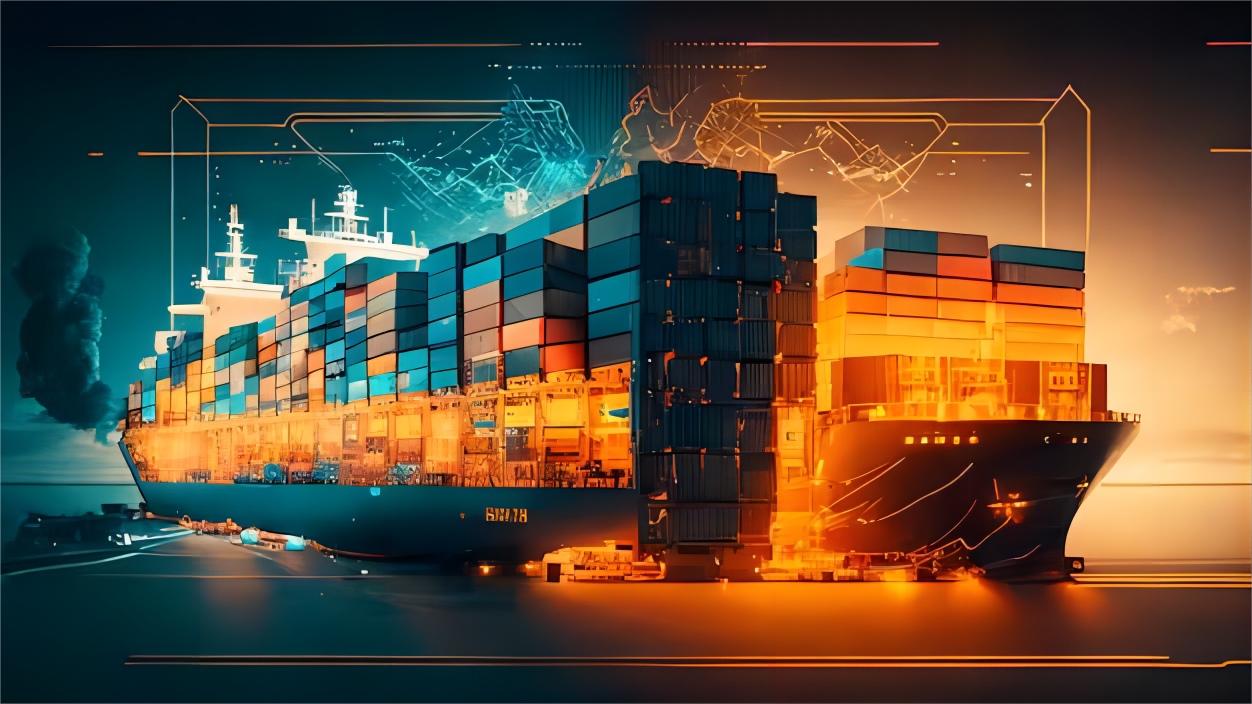
Choosing the right partner for sea freight is essential for bulk shipments. Ocean transport remains the most cost-effective method for heavy industrial goods moving across the Pacific.
Alternatively, air freight provides a rapid solution for time-sensitive cargo. While the price is higher, the reliability of air transit often justifies the investment for high-value electronics or urgent spare parts.
How Does Shipping from China to Brazil Compare to Other Options?
Selecting the right shipping method depends on your cargo volume and delivery deadlines. Below is a comparison of primary logistics modes available for this trade route.
Direct routes generally offer better security, whereas transshipment options through hubs like Singapore can reduce base rates. However, transshipment introduces risks of handling delays and documentation errors.
| Method | Cost Range | Transit Time | Best For |
|---|---|---|---|
| Sea Freight | Low | 35-50 days | Bulk/Heavy Items |
| Air Freight | High | 5-10 days | Urgent/Expensive |
| Express | Premium | 3-7 days | Samples/Documents |
Managing Customs Brokerage and Compliance
Importing goods into Brazil requires strict adherence to Receita Federal regulations. Utilizing professional customs brokerage services prevents costly fines and port detention.
Documentation accuracy is critical. Ensure your commercial invoice, packing list, and bill of lading are perfectly aligned to avoid clearance bottlenecks at major ports like Santos or Paranagua.
Optimizing Your Supply Chain with Door to Door Services
Simplified logistics are achieved through door to door shipping solutions. This approach minimizes third-party interactions and provides end-to-end visibility of your supply chain.
Furthermore, businesses looking to scale can leverage express service for small, high-priority batches. This ensures fluid operations even during peak seasonal demand.
Final Thoughts on Importing to Brazil
Successfully shipping from China to Brazil in 2026 demands a strategic approach to freight selection and regulatory compliance. By leveraging professional logistics expertise, you can mitigate risks and optimize your landed costs.
Start planning your next shipment today to ensure your supply chain remains resilient and competitive in the global market.