
Why Brazil Freight Quotes Change Before Vessel Departure: A 2026 Logistics Guide
Navigating the complexities of international trade requires transparency, yet many shippers find their landed costs shifting unexpectedly between booking and final transit. When shipping from China to Brazil, why Brazil freight quotes change before vessel departure often stems from late-stage adjustments in carrier surcharges, fuel volatility, and corridor-specific regulatory requirements. Dsv Freight provides the necessary visibility to lock in costs and avoid invoice shocks, ensuring procurement teams can award lanes with absolute confidence. This guide details the structural anatomy of freight quotes and the proactive steps required to maintain budget integrity throughout the shipping lifecycle.

Key Takeaways
A standard 40HQ container provides approximately 68-76 CBM of usable space, though 65-70 CBM is the recommended load for efficient palletization.
Bunker Adjustment Factors (BAF) and General Rate Increases (GRI) are the primary drivers of quote volatility within 14 days of vessel departure.
Destination Terminal Handling Charges (DTHC) in Brazil are often excluded from base freight quotes and can fluctuate based on port-specific local tariffs.
Effective landed cost management requires verifying Incoterms and potential duty exposure at least 21 days before the cargo-ready date.
What Core Components Make Up Brazil Shipments in 2026?
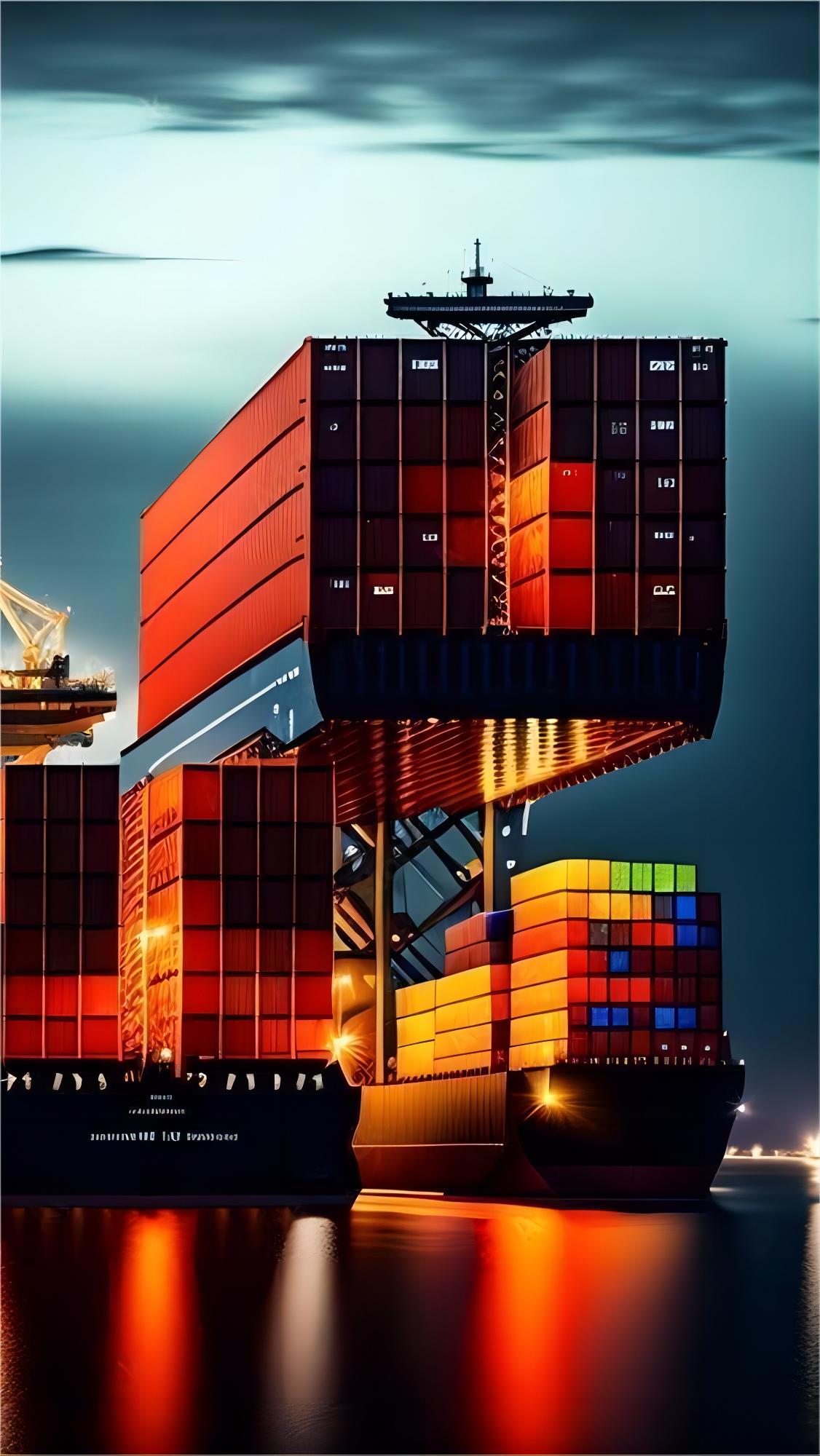
The fundamental structure of a freight quote for the China-to-Brazil lane consists of base ocean freight, origin handling, and destination port charges. Procurement teams often focus solely on the base rate, but the true cost is a composite of several interconnected variables that reflect the current market landscape of 2026. Understanding these components is the first step in preventing budget overruns, as base rates are frequently subject to carrier-level adjustments that occur as vessel space tightens or equipment availability shifts at major Chinese hubs.
Operational transparency requires separating the ‘all-in’ costs from the variable surcharges that appear on your final invoice. By breaking down the quote into base freight, documentation fees, and origin-side handling, shippers can identify exactly where costs originate and why they might escalate. This categorization is vital for maintaining an auditable trail, especially when dealing with multi-modal transitions or complex consolidations that involve multiple suppliers across different provinces in China, as each origin point may carry its own set of handling requirements.
Mitigation strategies involve securing fixed-rate agreements with your logistics partner that explicitly define the scope of the quote. Always request a detailed breakdown that distinguishes between mandatory port fees and discretionary service charges to ensure your landed cost projections remain accurate. By auditing these components before the booking is finalized, you can avoid the common mistake of assuming that a low base rate reflects the total cost, thereby protecting your margins from unexpected surcharges that manifest during the final staging phase.
Field note: Ensure all quotes specify the currency and validity period to account for rapid market shifts.
Common mistake: Focusing only on the base freight rate while ignoring destination terminal handling charges.
Risk alert: Failure to define the scope of the quote leads to significant invoice discrepancies.
All-In vs Itemized Billing: Which Quote Structure Fits Your Budget?

Selecting between an all-in quote and an itemized bill is a strategic decision that depends on your need for cost transparency versus simplicity. An all-in quote consolidates all anticipated fees, which simplifies internal accounting but can mask the individual costs of specific services, making it difficult to audit individual line items. Conversely, an itemized quote provides granular detail on every fee, allowing for better cost control and the ability to identify cost-saving opportunities, though it requires more effort to manage and reconcile during the procurement process.
When dealing with the China-to-Brazil trade lane, the itemized approach is generally preferred for high-volume shippers who need to understand the impact of currency fluctuations and carrier surcharges. Itemization forces the forwarder to be explicit about what is included, reducing the likelihood of disputes over ambiguous fees after the cargo has departed. This transparency is particularly crucial when coordinating with multiple suppliers, as it allows you to allocate costs accurately to specific products or business units, thereby facilitating better financial planning and vendor management.
For most importers, the best approach is to request an itemized structure that includes a ‘total cost’ summary. This provides the best of both worlds: the clarity of a bottom-line figure and the detailed breakdown necessary to challenge or verify individual surcharges. Before finalizing your contract, ensure that your sea freight service provider provides this level of detail as part of their standard Dsv Freight agreement, ensuring that you remain in control of your supply chain costs at every stage.
Field note: Use itemized quotes to benchmark different forwarders and identify cost discrepancies.
Common mistake: Accepting an all-in quote without a clear definition of what constitutes ‘all-in’.
Risk alert: All-in quotes often exclude critical destination fees, leading to surprise charges.
What Transit Timeline Should You Expect?
Transit timelines for the China-to-Brazil corridor are influenced by vessel routing, port congestion, and the efficiency of the transshipment hubs. While direct service options may appear faster, they are often more expensive, leading many shippers to opt for hub-and-spoke models that introduce variability into the schedule. Understanding the typical transit window—and the buffers required for potential delays—is essential for planning your inventory levels and meeting market demand in Brazil without incurring storage or stock-out costs that can outweigh freight rate savings.
Managing these timelines requires proactive communication with your logistics partner regarding the cut-off dates and the status of your cargo at each milestone. Delays often occur at the port of origin or during transshipment, where unexpected vessel omissions or equipment shortages can cascade into significant schedule shifts. By monitoring the vessel’s progress and maintaining a clear understanding of the expected versus actual arrival times, you can make informed decisions about whether to expedite certain shipments or adjust your production schedules to accommodate potential delays.
Mitigation of transit risk involves building realistic buffers into your supply chain planning, particularly during peak seasons or when shipping high-value, time-sensitive goods. Always confirm the vessel schedule and the carrier’s reliability record for the specific route you are using, as some carriers have better performance metrics than others on this lane. Utilizing the Dsv Freight tracking tools allows you to stay informed of any changes to the expected arrival date, enabling timely adjustments to your downstream logistics and distribution plans.
Field note: Always add a 7-10 day buffer to your transit estimates to account for port congestion.
Common mistake: Relying on the shortest advertised transit time without considering transshipment risks.
Risk alert: Over-optimistic transit planning leads to stock-outs and expensive air-freight recovery.
How Are Landed Costs Typically Built?
Landed cost is the total price of a product once it has arrived at the buyer’s door, encompassing every fee from the factory floor to the final delivery destination. This calculation is critical for determining the true profitability of your imports from China to Brazil, as it incorporates not just freight, but also duties, taxes, insurance, and local handling fees. Many companies fail to account for the ‘hidden’ costs of landed logistics, leading to skewed profit margins and an inability to accurately price products for the competitive Brazilian market.
The process of building a landed cost model requires a deep understanding of your HS codes and the associated tax obligations in Brazil. Each product category carries specific duties and potential regulatory requirements that must be factored into the initial feasibility analysis. Furthermore, you must include the cost of compliance, such as broker fees, import license applications, and the time value of money spent on duty and tax deposits. By consolidating these figures into a comprehensive landed cost template, you gain a clear view of your total investment per unit.
To optimize your landed cost, consider the impact of your chosen Incoterms on your overall liability and cost. For example, opting for DDP (Delivered Duty Paid) shifts the burden of import compliance and cost management to the seller or forwarder, which can simplify your internal processes but may result in higher overall costs. Alternatively, managing customs clearance yourself allows for more direct control over duty classification and potential savings, provided you have the expertise to manage the complexities of Brazilian customs regulations effectively.
| Equipment Type | Internal Volume (CBM) | Max Payload (kg / lbs) | Optimal Commodity Fit |
|---|---|---|---|
| 20ft Standard (20GP) | 28–30 CBM (26 usable) | 21,800 kg / 48,000 lbs | Dense, heavy cargo (machinery, auto parts, metals) |
| 40ft Standard (40GP) | 58–60 CBM (54 usable) | 26,500 kg / 58,400 lbs | General packaged cargo, standard palletized loads |
| 40ft High Cube (40HQ) | 68–76 CBM (68 usable) | 26,500 kg / 58,400 lbs | Bulky, lightweight goods (furniture, textiles, electronics) |
| 45ft High Cube (45HQ) | 85–86 CBM (78 usable) | 27,500 kg / 60,600 lbs | High-volume consumer retail distribution |
Field note: Maintain a dynamic landed cost template that updates automatically with current duty and currency data.
Common mistake: Excluding insurance and local drayage costs from the landed cost calculation.
Risk alert: Underestimating landed costs often results in eroded profit margins upon sale.
How Do Duty, GST/VAT, and Broker Fees Enter the True Landed Cost?
In Brazil, the customs environment is characterized by complex tax structures that significantly impact the landed cost of imported goods. Import duties, along with various federal and state-level taxes, are calculated based on the CIF (Cost, Insurance, and Freight) value of the shipment. Understanding how these taxes are applied is essential for accurate budgeting, as they can represent a substantial portion of the total cost, often reaching levels that require careful financial planning and cash flow management to ensure that funds are available when the goods arrive.
The role of the customs broker is pivotal in ensuring that your goods are cleared efficiently while minimizing the risk of penalties or delays. A professional broker will guide you through the classification of your goods under the Mercosur Common Nomenclature (NCM), which determines the duty rate and any required import permits. Failure to correctly classify your goods can lead to significant retroactive costs and legal challenges, making the choice of a competent and experienced customs partner one of the most critical decisions you will make in your supply chain strategy.
Mitigation involves conducting a pre-shipment audit of your commercial invoice and packing list to ensure they align perfectly with your import license and NCM classifications. By verifying these documents before the vessel departs, you can prevent most clearance delays and avoid the costs associated with documentation errors or re-filing. Engaging with your air freight or ocean logistics team early in the process ensures that all tax and duty requirements are understood and integrated into your landed cost model, providing a realistic picture of your investment.
| Cost Component | Typical Assessment Base | Who Usually Pays | Planning Note |
|---|---|---|---|
| CIF / customs value | Goods value + freight + insurance (as declared) | Importer of record | Wrong valuation drives duty and VAT/GST miscalc |
| Import duty / tariff | % of customs value by HS chapter | Importer / DDP seller (by Incoterms) | Confirm HS binding before award |
| VAT / GST / sales tax | Duty-paid value (or local statutory base) | Importer / fiscal representative | Registration and reclaim rules vary by market |
| Customs broker / clearance fee | Per entry or per shipment band | Importer / nominating party | Separates from freight; exams add extras |
| Exam / storage / disbursement | Event-driven (exam, demurrage, advance) | Importer / broker client account | Often outside base ocean/truck quote |
Field note: Always confirm NCM codes with your local broker before finalizing purchase orders.
Common mistake: Using generic HS codes instead of specific Brazilian NCM classifications.
Risk alert: Incorrect NCM classification leads to massive fines and customs seizure risks.
How Do Peak Seasons Affect Capacity and Pricing?
Peak seasons in the China-to-Brazil trade lane are driven by seasonal manufacturing cycles and holiday demand, both in the origin and destination markets. During these periods, vessel space becomes scarce, and carriers frequently implement General Rate Increases (GRI) to manage the surge in volume. This capacity constraint often forces shippers to pay premiums to secure space, leading to significant volatility in freight quotes as the departure date approaches. Recognizing these seasonal patterns is essential for negotiating better rates and securing space well in advance.
Operational planning during peak season requires a move away from just-in-time shipping toward a more strategic, volume-based approach. Shippers who work closely with their forwarders to forecast their needs months in advance are much more likely to secure consistent capacity at stable rates than those who book on an ad-hoc basis. This proactive engagement allows the forwarder to plan their space allocation with the carriers, reducing the reliance on spot-market rates that are subject to the highest levels of volatility during peak demand periods.
To protect your business from peak season shocks, diversify your carrier options and consider alternative routing strategies that may be less congested. For instance, if major ports are experiencing significant delays, explore secondary gateways that might offer better reliability, even if the inland transit is slightly more complex. Utilizing the Dsv Freight network can provide you with the necessary intelligence to navigate these periods effectively, ensuring that your warehouse services and distribution chains remain resilient even when the market is under stress.
Field note: Book space at least 4-6 weeks in advance during peak season to avoid last-minute premiums.
Common mistake: Waiting for the peak season to start before negotiating space and rates.
Risk alert: Last-minute bookings during peak seasons frequently incur double-digit price increases.
What Is the Step-by-Step Process from Quote to Delivery?
The lifecycle of a shipment, from the initial quote to the final delivery in Brazil, is a highly orchestrated process that involves multiple handoffs and regulatory checkpoints. It begins with the scope capture, where you define the Incoterms and the specific service requirements, and proceeds through line-item rate building, duty estimation, and scenario comparison. Each step is designed to minimize risk and ensure that the cargo moves through the supply chain with minimal friction, allowing you to focus on your core business goals while your goods are in transit.
Operational execution requires strict adherence to documentation deadlines and clear communication between the shipper, the forwarder, and the consignee. Once the booking is confirmed, the focus shifts to the timely preparation of the commercial invoice and packing list, which serve as the foundation for both the carrier’s transport document and the customs declaration. Any discrepancies at this stage can cause significant delays at the port of arrival, leading to demurrage and detention charges that can easily spiral out of control if not addressed promptly.
The final delivery phase involves the coordination of drayage, customs release, and final distribution, all of which must be synchronized to ensure that your goods reach their destination on schedule. By following a structured SOP, you can ensure that every requirement is met and that your logistics team is prepared to address any issues that may arise during the transit. This disciplined approach to the logistics lifecycle is the key to achieving consistent performance and maintaining the cost-efficiency of your supply chain, regardless of the challenges posed by the global market.
Field note: Regularly audit your logistics processes to ensure they align with the latest regulatory changes in Brazil.
Common mistake: Failing to communicate documentation requirements clearly to international suppliers.
Risk alert: Misaligned documentation is the #1 cause of port clearance delays in Brazil.
Decision Framework
By volume: Quote per CBM/kg must state whether origin CFS, ocean/air, and destination THC are included.
By speed: Faster modes raise surcharge stack—compare total landed, not base rate alone.
By cargo profile: DG, oversized, or high-duty HS chapters shift accessorial and duty lines materially.
Real-World Corridor Case Studies
A shipper tendered containerized freight on a standard FCL program with verified gross mass and aligned commercial invoice data before gate-in. The forwarder tracked mainhaul milestones so destination release stayed inside negotiated free time.
Landed-Cost Action Plan for Brazil Shipments
Credible Brazil Shipments analysis separates base rates from surcharges, duties, and destination fees to ensure total cost transparency. By moving away from simplified ‘all-in’ quotes and toward detailed, itemized cost structures, you gain the control necessary to navigate the volatility of the China-to-Brazil corridor effectively.
Document excluded accessorials before award to avoid invoice shock after arrival. Proactive communication, clear documentation, and a focus on total landed cost are your best tools for managing the complexities of international logistics and ensuring your supply chain remains both efficient and predictable.
Process and Checkpoints
Scope & Incoterm Capture
Define EXW/FOB/DDP scope and what the quote must include.
Line-Item Rate Build
Separate base freight, surcharges, customs, and delivery bands.
Duty & Tax Estimate
Apply HS-driven duty and destination tax assumptions.
Scenario Comparison
Compare at least two modes or service levels with the same scope.
Quote Validation
Reconcile packing list weights/volumes against quoted bands.
Award & Booking
Lock awarded lane and document excluded accessorials in writing.
Confirm the right route for your shipment
Need a line-item landed-cost breakdown? Share commercial value, HS code, CBM/weight, Incoterms, and destination zip for an all-in comparison.
Request a route reviewFrequently Asked Questions
What is the Importer of Record (IOR) role under DDP door delivery?
The IOR is legally responsible for entry filings, duties, and compliance; without one, cargo can be seized.
Which fees are often excluded from headline DDP quotes?
Customs exams, liftgate/residential delivery, and storage during tax review frequently sit outside base DDP.
How does HS code misclassification change the all-in DDP duty line?
Wrong HS chapters can raise duty rates materially and trigger amendments, exams, or bond issues.
When should buyers request a continuous bond instead of single-entry bonds?
High-frequency or high-value importers usually need a continuous bond to avoid per-shipment shortfalls.
What happens if destination customs holds a DDP shipment for exam?
Exam fees plus yard or rail-terminal storage accrue until release—even when freight and duties were prepaid under DDP.
How can shippers control demurrage, detention, or terminal storage after a customs hold?
Pre-lodge entry data, keep HS/value packs audit-ready, and escalate broker responses inside free time before last-mile trucks are dispatched.
Rates and surcharges fluctuate; request an itemized quote.
Informational only; not binding legal/tax/customs advice.
Benchmarks reflect standard 2026 practice for this corridor.