
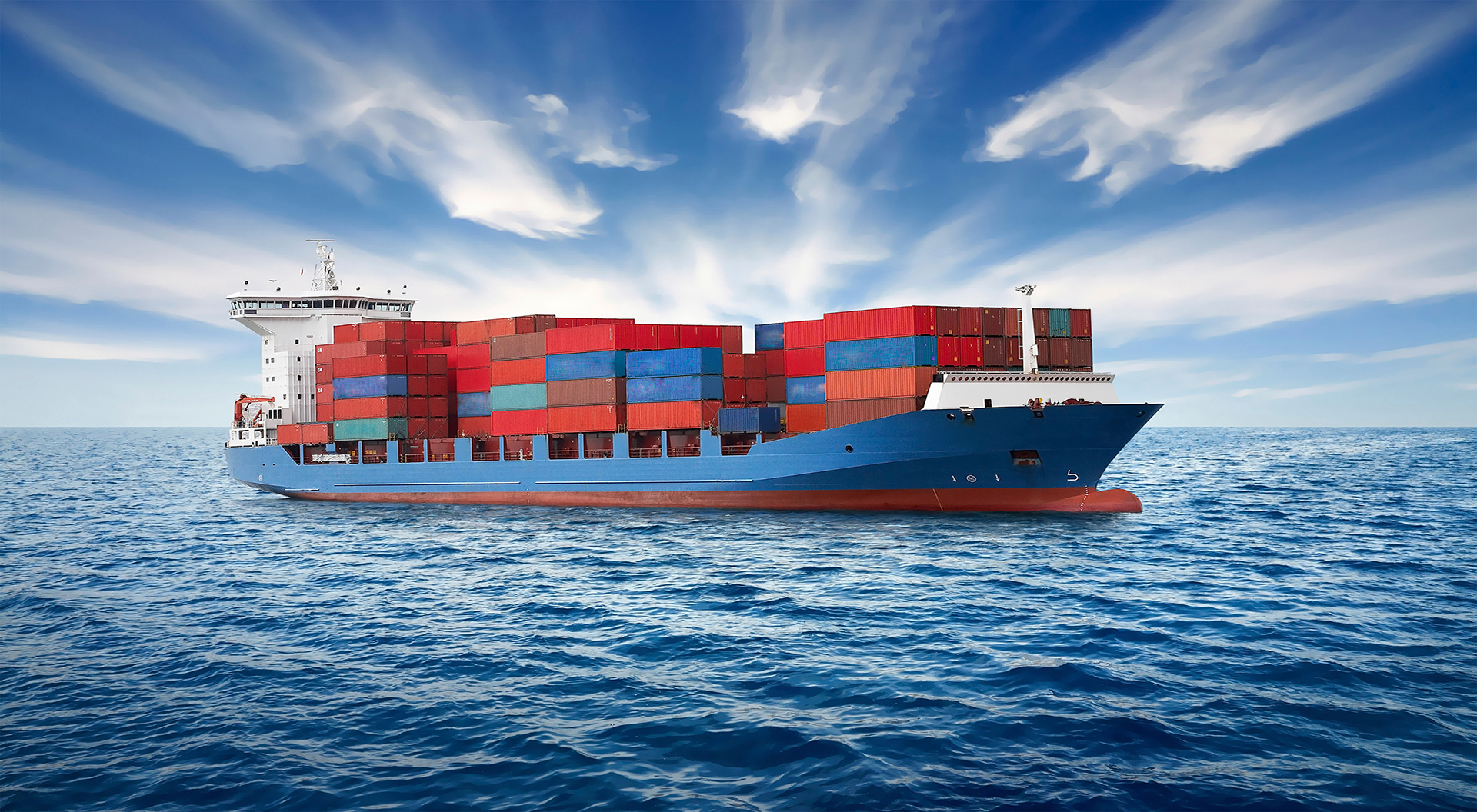
DSV-freight provides reliable logistics solutions for shipping from China to Sweden, supporting importers, manufacturers, distributors, and e-commerce businesses across Northern Europe. With strong experience on China–Europe trade lanes, we focus on efficient routing, cargo safety, and stable transit planning aligned with European logistics standards.
From pickup in China to final delivery across Sweden, DSV-freight coordinates export handling, international freight transportation, destination customs clearance, and inland distribution through a single managed process. By combining ocean freight, air freight, and consolidation options, we help clients move cargo efficiently while maintaining schedule control and cost transparency.
DSV-freight provides dependable sea freight services from China to Sweden via major Chinese ports and established European gateway ports. This service focuses on secure container handling, stable carrier schedules, and optimized ocean routing, making it suitable for bulk cargo, industrial equipment, and general commercial goods that require cost efficiency, transit stability, and predictable delivery planning.
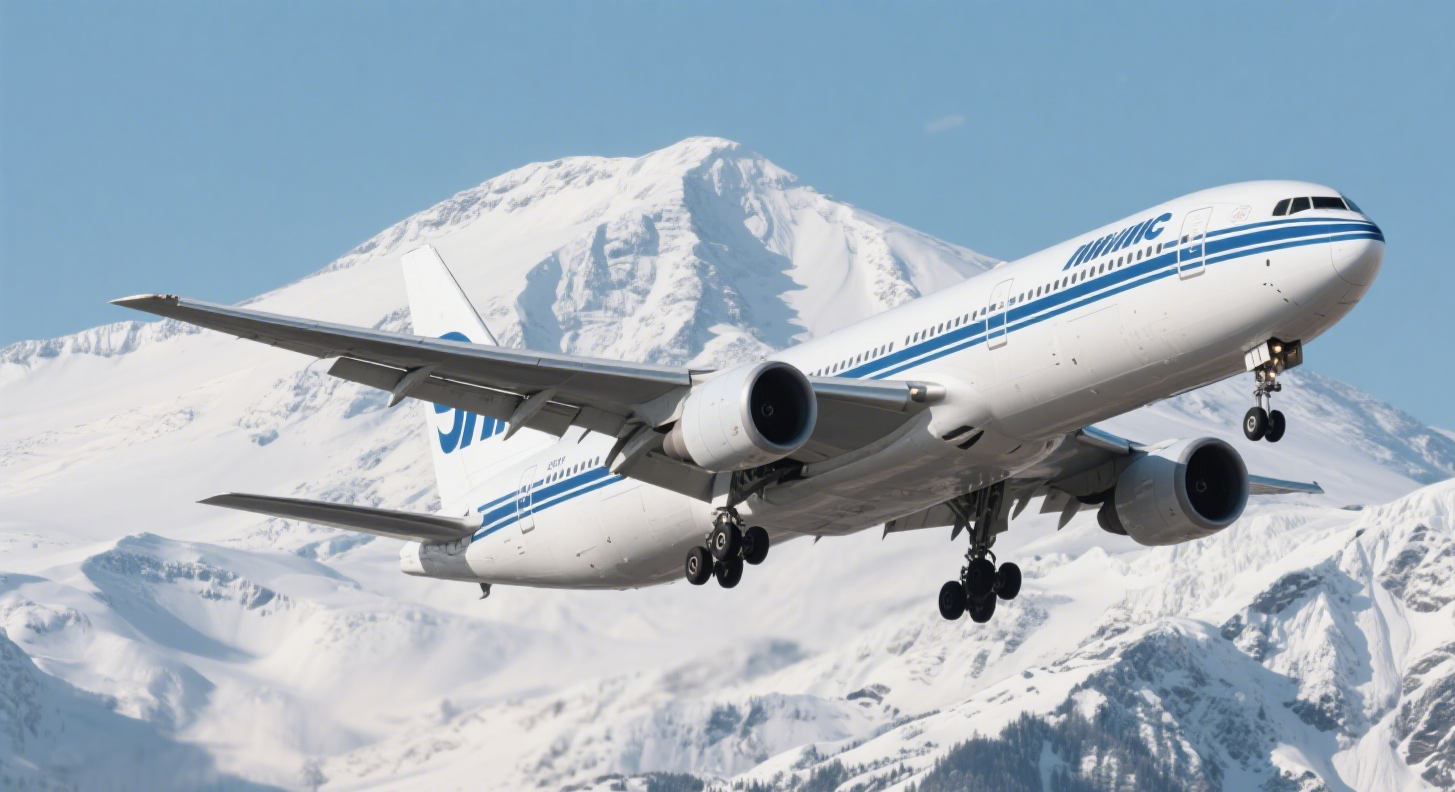
DSV-freight offers structured air freight solutions from China to Sweden through major international air hubs. This service emphasizes fast transit, secure cargo handling, and stable flight arrangements, making it ideal for urgent shipments, high-value goods, samples, and time-sensitive commercial cargo that require reliable delivery timelines.

DSV-freight provides coordinated rail freight services from China to Sweden via established China–Europe rail corridors. This service emphasizes schedule reliability, cargo security, and balanced transit times, making it suitable for commercial goods, industrial cargo, and shipments that require a cost-effective alternative between air and ocean transport.

DSV-freight provides reliable FCL full container load shipping solutions from China to Sweden for clients moving large-volume or heavy cargo. Dedicated containers such as 20GP, 40GP, and 40HQ allow for improved cargo protection, efficient loading, and better control over shipment schedules throughout the transport process.
With optimized routing and stable carrier partnerships, FCL shipping is ideal for machinery, automotive parts, construction materials, and large commercial consignments. DSV-freight ensures consistent shipment visibility and coordinated destination delivery, helping importers manage transit efficiency and overall logistics costs.
For smaller shipments, DSV-freight offers structured LCL less-than-container-load shipping from China to Sweden. Through professional consolidation services, multiple shipments are combined into shared containers, enabling cost efficiency while maintaining cargo safety and delivery reliability.
LCL solutions include careful cargo handling, coordinated export and import customs procedures, and stable sailing schedules. This option is well suited for small and medium-sized importers seeking flexible shipping volumes, controlled freight costs, and dependable transit performance within the Swedish market.
DSV-freight will provide most fuel efficient pickup service China
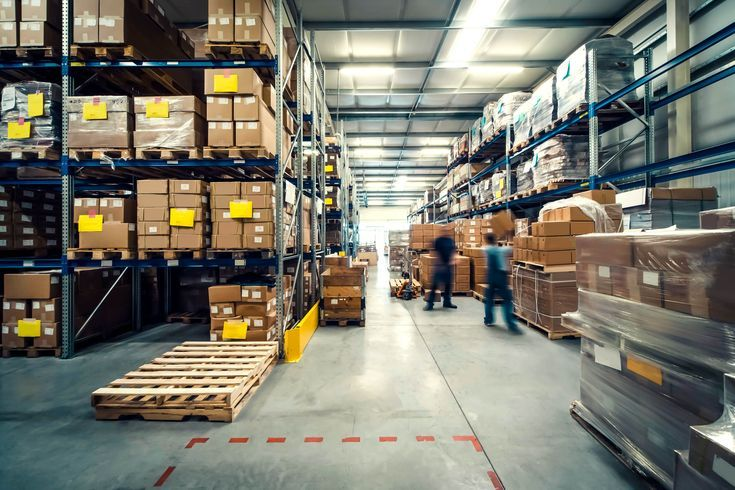
We provide free warehousing services for any of your goods.
The cargo insurance protects your goods all the way to any Any FBA Warehouse
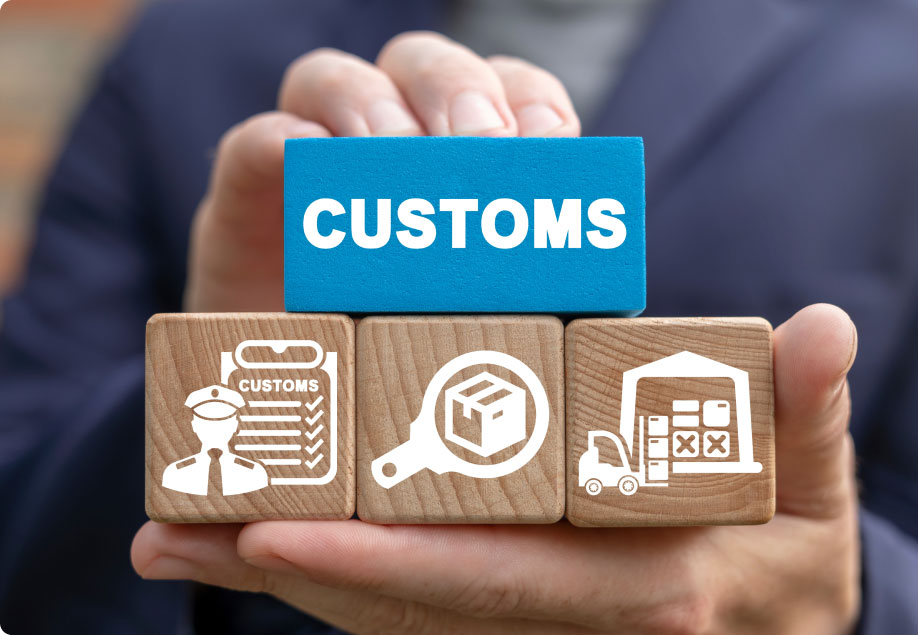
We handle all paperwork and other details for you.

Ensure safe packaging and loading of goods in your suppliers' factory.
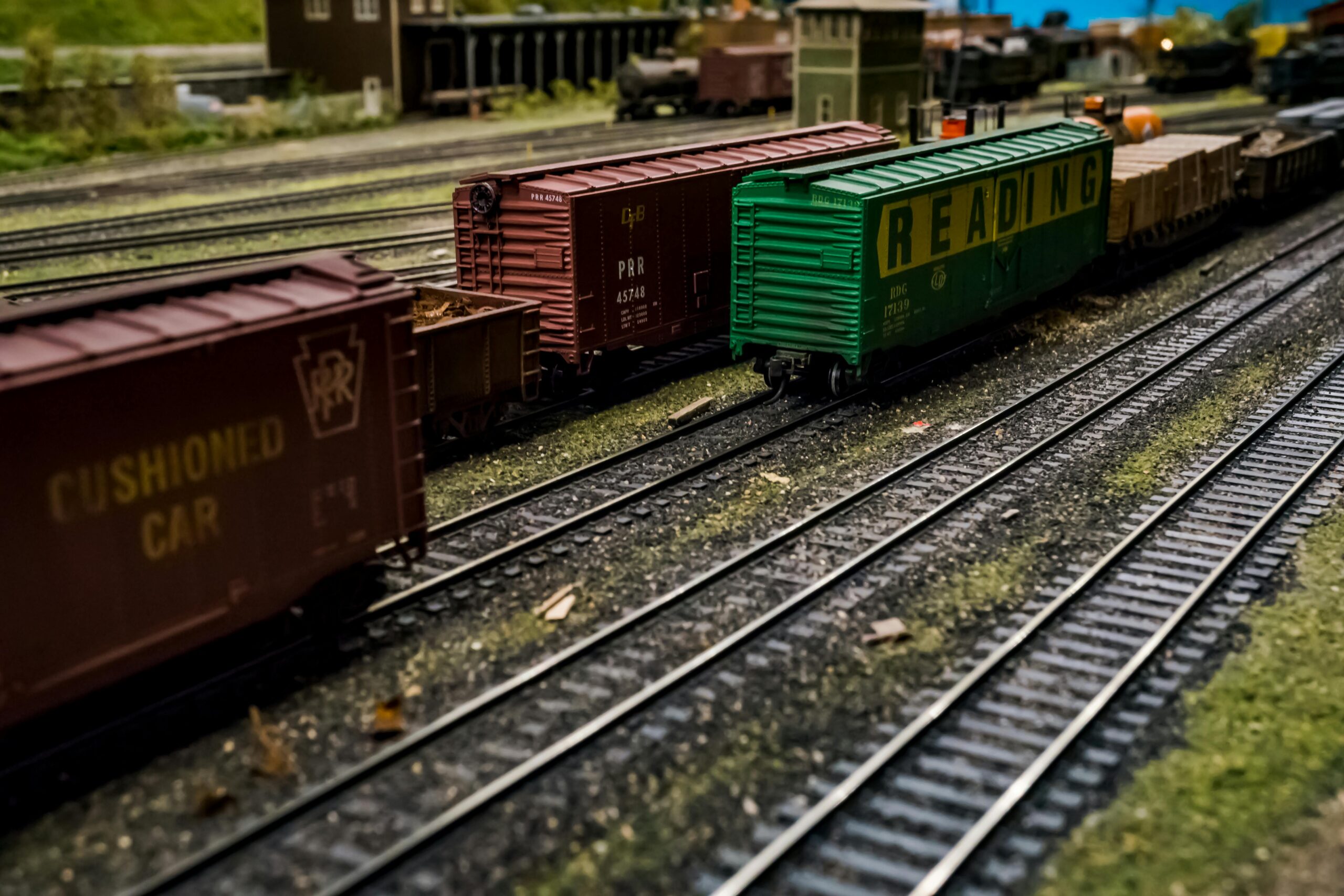
Shipping duration from China to Sweden can be influenced by several factors, including the chosen mode of transport (air or sea), route specifics, customs processing times, and any potential delays at ports or airports. Sea freight is generally slower but more economical, while air freight offers faster delivery at a higher cost. Additionally, weather conditions and logistical challenges can also impact shipping times.
You can track your shipment from China to Sweden using tracking numbers provided by your freight forwarder or carrier. Most forwarders offer online tracking systems where you can monitor the progress of your shipment in real-time. Ensure you receive and enter the correct tracking number on the carrier’s website or app to get updates on your shipment's status and location.
Air freight offers faster delivery times, typically ranging from 7 to 10 days, compared to sea freight's 20 to 40 days. It is ideal for urgent shipments or high-value items due to its speed and reduced risk of damage. However, air freight is more expensive than sea freight.
Common challenges include customs delays, logistical issues, and varying transit times. Other potential problems are documentation errors, language barriers, and fluctuating shipping costs. Effective planning, accurate paperwork, and choosing a reliable freight forwarder can help mitigate these issues.
Customs clearance can significantly impact shipping time. Delays in customs can occur due to incomplete or inaccurate documentation, regulatory compliance issues, or random inspections. Ensuring all paperwork is accurate and adhering to regulations can help avoid delays and expedite the process.
Essential documents include the commercial invoice, packing list, bill of lading, and certificate of origin. Depending on the type of goods, additional documents like import permits or health certificates may be required. Proper documentation ensures smooth customs processing and compliance.
Tracking can be done through the freight forwarder’s tracking system or the carrier's online portal. Most carriers offer real-time tracking updates, allowing you to monitor your shipment's progress and address any issues promptly. Ensure you receive tracking numbers from your forwarder.
Air freight is generally more expensive than sea freight. Costs for air freight are influenced by weight, volume, and speed, while sea freight costs are based on cargo size and shipping routes. For cost-effective solutions, assess your budget, delivery urgency, and shipment size.
Weather conditions can impact both air and sea freight. Severe weather may cause delays in departure, transit, or arrival. For sea freight, storms and rough seas can particularly affect transit times. Planning for potential delays and monitoring weather forecasts can help manage these risks.
Contact your freight forwarder or carrier immediately to determine the cause of the delay. Check tracking updates and review any potential issues related to customs, documentation, or logistical problems. Keeping open communication with your shipping partners can help resolve delays and ensure timely delivery.
A wide range of available features allows users to manage shipments more efficiently and access essential services with ease. In logistics, feature availability often depends on regional support and operational coverage.
High code quality delivers a stable and responsive system, making daily logistics management smoother while minimizing technical issues and downtime.
High design quality improves both efficiency and user experience by combining clear structure, practical functionality, and a professional visual layout. In logistics services, good design supports smoother operations and better customer interaction.