
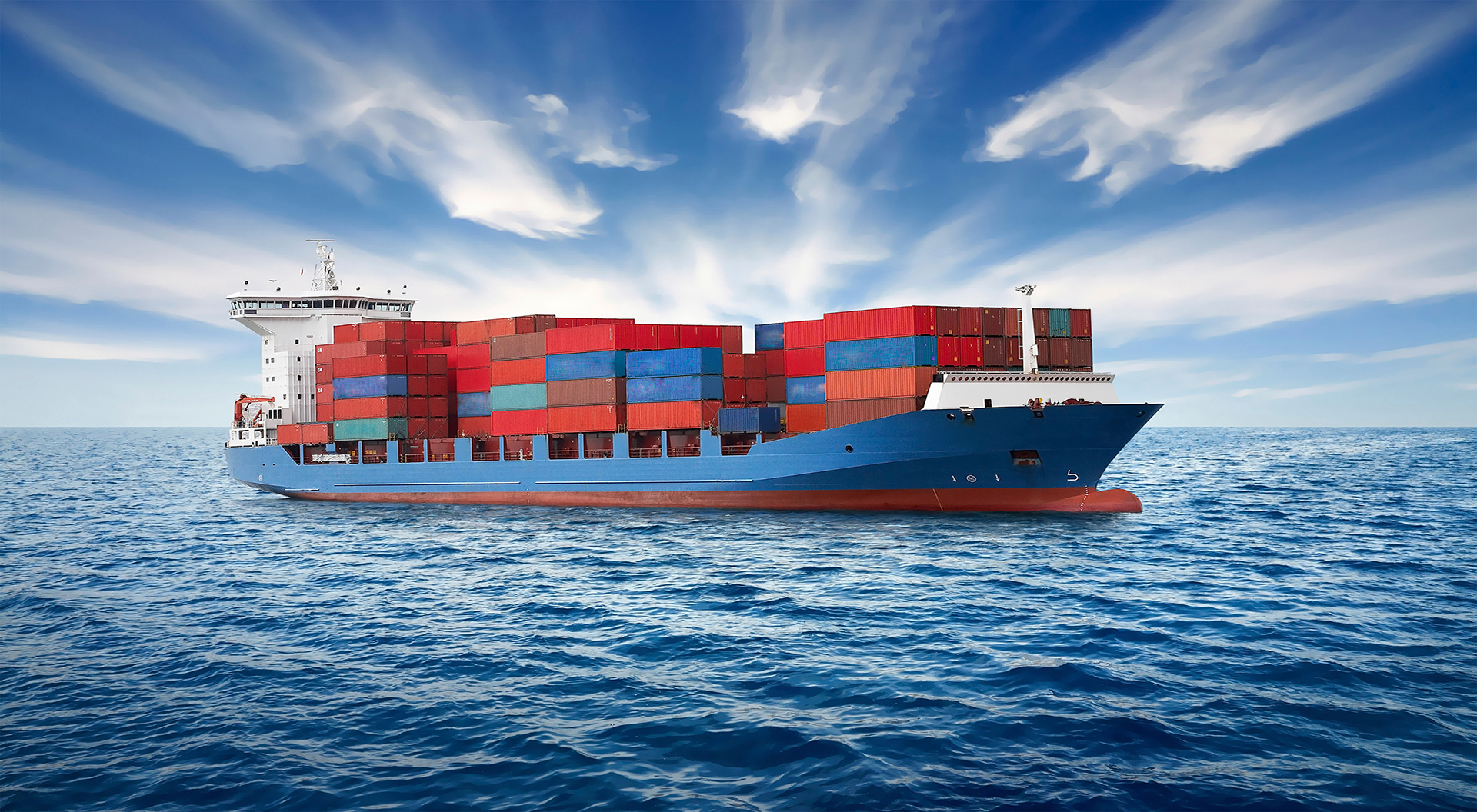
Shipping from China to Luxembourg is an important part of Asia–Europe trade, supporting high-value manufacturing, finance-related supply chains, e-commerce distribution, and regional European logistics operations. Although Luxembourg is landlocked, its advanced rail connections, road infrastructure, and proximity to major European ports make it a highly efficient logistics hub. DSV-freight provides professional and reliable logistics solutions for shipping from China to Luxembourg, ensuring stable transportation, regulatory compliance, and consistent cargo visibility.
With solid experience in China–Europe freight corridors and Central European distribution networks, DSV-freight manages shipments from origin in China through international transport and coordinated inland delivery into Luxembourg.
Sea freight is a cost-effective option for shipping from China to Luxembourg when cargo volume is moderate to large and transit time requirements are flexible. DSV-freight arranges ocean freight from major Chinese ports such as Shanghai, Ningbo, Shenzhen, and Qingdao to key European ports including Rotterdam, Antwerp, and Hamburg. From the port of discharge, cargo is transported to Luxembourg via reliable inland trucking or multimodal connections. This solution is commonly used for industrial goods, consumer products, commercial cargo, and project materials that require controlled costs and stable shipping schedules.
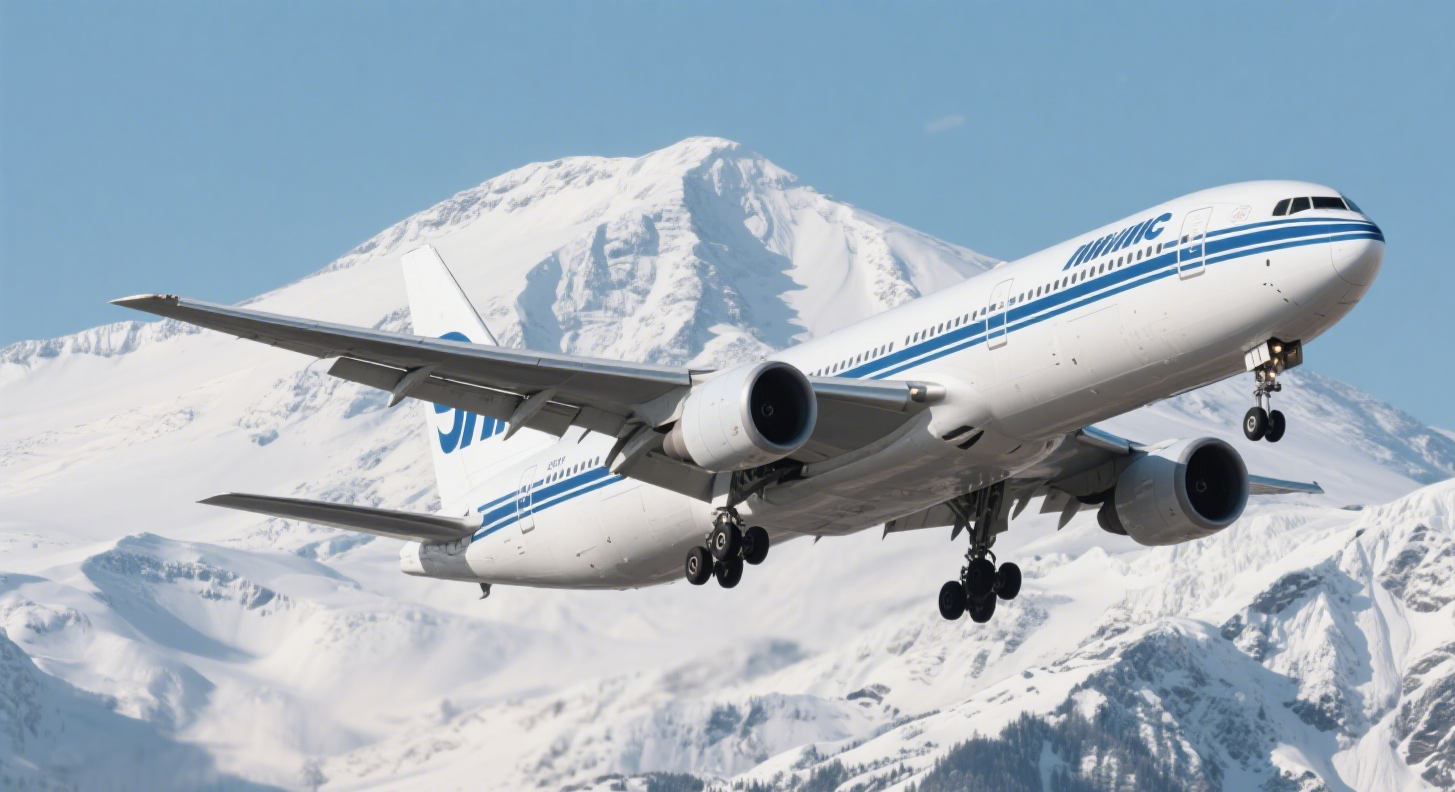
Air freight is suitable for urgent, high-value, or time-sensitive shipments from China to Luxembourg. DSV-freight coordinates air cargo from major Chinese airports to Luxembourg Airport or nearby European aviation hubs, followed by fast inland delivery.
With reduced transit times, secure handling, and precise documentation management, air freight is widely used for electronics, medical equipment, automotive components, luxury goods, and critical spare parts.

Rail freight offers a balanced solution for shipping from China to Luxembourg, combining cost efficiency with predictable transit times. DSV-freight utilizes China–Europe rail routes connecting inland China with major European rail hubs, followed by onward rail or truck delivery into Luxembourg.
This option is suitable for industrial products, commercial goods, and medium-volume shipments that require stable schedules and controlled logistics costs while avoiding the longer transit times of sea freight.

FCL shipping is ideal for customers transporting large volumes or cargo that requires enhanced security and operational control. DSV-freight provides full container load services using 20GP, 40GP, and 40HQ containers, covering container allocation, professional loading at origin, international transportation, customs coordination, and inland delivery into Luxembourg.
By keeping cargo in a sealed container throughout the journey, FCL shipping minimizes handling risks, reduces potential damage, and improves delivery reliability. This solution is commonly selected for machinery, industrial equipment, bulk commercial goods, and long-term supply contracts.
LCL shipping is designed for smaller shipments that do not require a full container while maintaining cost efficiency and cargo safety. DSV-freight manages consolidation at origin in China, shared container transport to Europe, professional deconsolidation at destination hubs, and coordinated inland delivery to Luxembourg.
This solution allows importers to ship flexible volumes without waiting for full container loads, helping control freight costs while maintaining reliable transit times. LCL shipping is suitable for SMEs, mixed-product shipments, seasonal imports, and regular replenishment cargo.
DSV-freight will provide most fuel efficient pickup service China
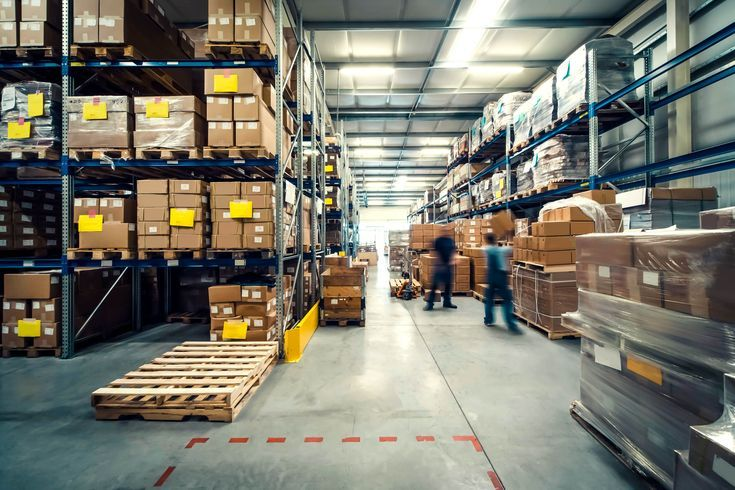
We provide free warehousing services for any of your goods.
The cargo insurance protects your goods all the way to any Any FBA Warehouse
We handle all paperwork and other details for you.

Ensure safe packaging and loading of goods in your suppliers' factory.

Shipping times are influenced by the chosen method (air or sea), the efficiency of the freight forwarder, and customs clearance. Additionally, the distance between departure and arrival ports, as well as potential delays due to weather or logistical issues, can impact overall transit time. For accurate estimates, consult your freight provider.
To expedite shipping, opt for air freight instead of sea freight. Choose express services offered by freight forwarders for faster processing and delivery. Ensure all documentation is in order to avoid delays in customs. Communicating directly with your forwarder about urgent delivery needs can also help speed up the process.
Common methods include air freight, which is faster but more expensive, and sea freight, which is cost-effective but slower. Other options are rail and express courier services, which offer varying balances of speed and cost. The choice depends on your budget, delivery urgency, and shipment size.
Essential documents include a commercial invoice, packing list, bill of lading or air waybill, and any required certificates (e.g., certificate of origin). Customs declarations and import permits may also be necessary depending on the nature of the goods. Ensure all documentation is accurate to avoid delays.
Customs duties depend on the classification and value of the goods being imported. Duties are calculated based on the Harmonized System (HS) codes and are applied by Luxembourg's customs authorities. Ensure you have accurate product descriptions and values to calculate potential duties and avoid unexpected costs.
Risks include potential damage to goods, delays due to customs or logistical issues, and loss or theft during transit. To mitigate these risks, use robust packaging, secure insurance, and choose a reputable freight forwarder. Tracking technology can also help monitor the shipment and address issues promptly.
Yes, most freight forwarders provide tracking services that allow you to monitor your shipment’s progress in real-time. Tracking details can be accessed through online platforms or mobile apps provided by the forwarder, helping you stay informed about the status and location of your goods.
Contact your freight forwarder to inquire about the cause of the delay and estimated new delivery time. Review tracking information and check for any customs or logistical issues. If necessary, request assistance from your forwarder to resolve the delay and expedite the remaining process.
Evaluate freight forwarders based on their reputation, experience with China-Luxembourg routes, and customer reviews. Consider their safety protocols, insurance options, and tracking capabilities. Comparing quotes and services can also help you select the most reliable and cost-effective option.
Freight forwarders offer expertise in managing complex logistics, including handling documentation, customs clearance, and coordinating with carriers. They provide valuable support in choosing the best shipping method, ensuring efficient and cost-effective delivery. Their experience helps navigate potential challenges and streamline the shipping process.
High code quality delivers a stable and responsive system, making daily logistics management smoother while minimizing technical issues and downtime.
A wide range of available features allows users to manage shipments more efficiently and access essential services with ease. In logistics, feature availability often depends on regional support and operational coverage.
Operational management involves organizing transport resources, defining clear workflows, and following industry regulations. Depending on regional practices, infrastructure can be owned and operated by public institutions or private companies.