
DSV-freight delivers reliable and cost-efficient logistics solutions for shipping from China to Algeria, supporting importers, contractors, distributors, and project-based businesses across multiple industries. With strong experience in North Africa trade routes and regional compliance requirements, we provide secure and well-structured freight services tailored to different cargo profiles and delivery priorities.
From supplier pickup in China to final delivery across Algeria, DSV-freight manages each stage of the logistics process with clear coordination, risk-controlled routing, and consistent service standards—ensuring smooth cargo movement across long-distance international corridors.
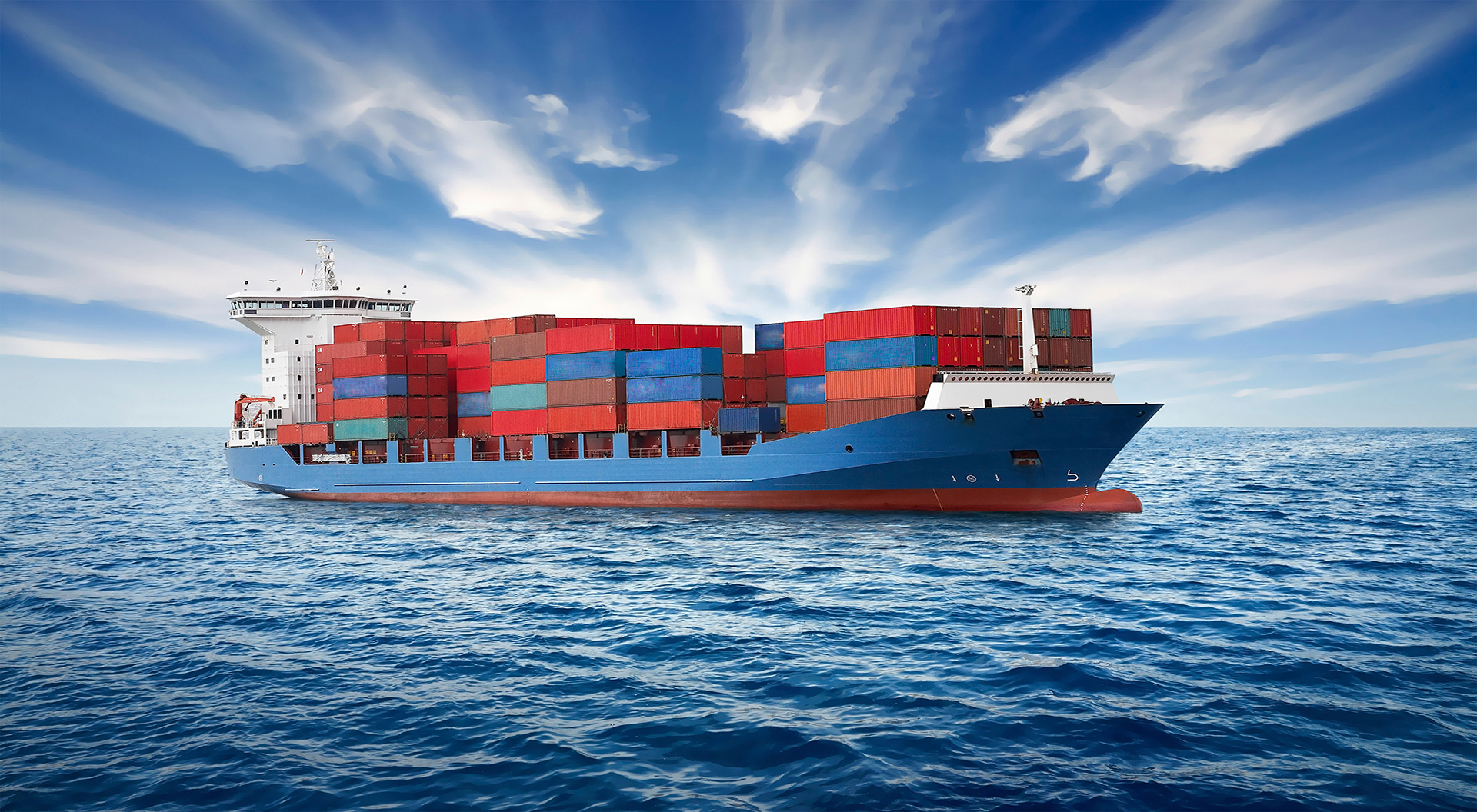
DSV-freight arranges sea freight shipments from major Chinese ports to key Algerian ports, supporting both FCL and LCL cargo. Our sea freight solutions are ideal for heavy cargo, industrial equipment, construction materials, and large-volume commercial shipments. By focusing on stable carrier selection, optimized routing, and reliable scheduling, we help clients control costs while maintaining predictable transit performance.
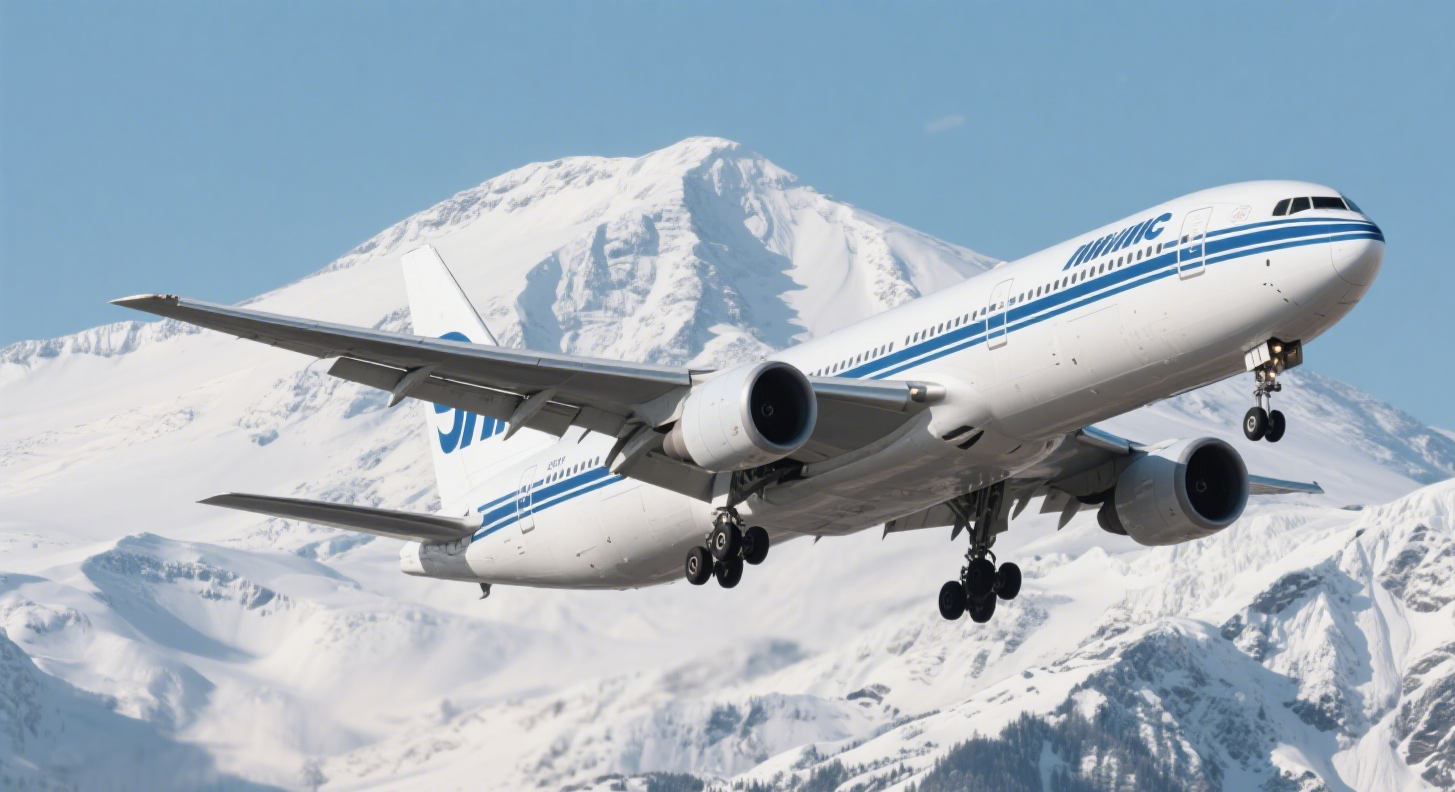
For urgent or high-value shipments, DSV-freight provides air freight services from China to Algeria via major international and regional air hubs. We manage flight planning, secure cargo handling, and documentation to reduce transit time and minimize delivery risks.
Air freight is well suited for electronics, medical supplies, spare parts, and time-sensitive commercial goods.

DSV-freight offers fully managed door-to-door shipping from China to Algeria, covering origin pickup, export documentation, international transportation, customs coordination, and final inland delivery.
This solution simplifies logistics operations by providing a single point of contact and consistent shipment visibility from origin to destination.

DSV-freight provides tailored FCL shipping solutions from China to Algeria for clients moving high-volume cargo, heavy equipment, or goods requiring exclusive container use. We support standard container types including 20GP, 40GP, and 40HQ, with routing designed around port availability, transit stability, and destination clearance requirements.
Our FCL service covers the full operational process, including container allocation, factory loading coordination, export documentation, ocean transportation, and discharge planning at Algerian ports. By maintaining close coordination with carriers and local partners, DSV-freight helps minimize port delays, reduce handling risks, and improve overall schedule reliability.
FCL shipping is particularly suitable for industrial machinery, construction materials, project cargo, and large commercial shipments where cargo security, cost efficiency per unit, and predictable delivery timelines are critical.
For shippers with smaller cargo volumes, DSV-freight offers structured and reliable LCL shipping services from China to Algeria through professionally managed consolidation hubs. Our LCL solutions allow multiple shipments to be combined efficiently while maintaining proper cargo segregation and documentation accuracy.
DSV-freight manages consolidation planning, export handling, international transportation, deconsolidation, and customs coordination to ensure smooth cargo flow across each transit stage. By optimizing consolidation schedules and routing, we help clients reduce overall logistics costs without sacrificing shipment visibility or handling quality.
LCL shipping is an ideal option for small and medium-sized businesses, trial shipments, or regular replenishment cargo that does not require a full container but still demands stable and compliant China-to-Algeria logistics support.
DSV-freight will provide most fuel efficient pickup service China

We provide free warehousing services for any of your goods.

The cargo insurance protects your goods all the way to any Any FBA Warehouse

We handle all paperwork and other details for you.

Ensure safe packaging and loading of goods in your suppliers' factory.
Shipping times from China to Algeria are influenced by several factors. Firstly, the mode of transport plays a significant role: sea freight generally takes longer than air freight. Secondly, the efficiency of customs clearance processes in both China and Algeria can impact timelines. Shipping routes and potential delays at transshipment points also contribute to the overall shipping duration. Additionally, logistical arrangements, such as the availability of shipping vessels or flights, can affect how quickly goods are transported.
Sea freight is typically more cost-effective for shipping large volumes of goods from China to Algeria compared to air freight. While sea freight takes longer, usually between 30 to 45 days, it offers significant cost savings for bulk shipments. On the other hand, air freight, although much faster with transit times around 7 to 10 days, is considerably more expensive and is usually reserved for urgent or high-value items. The choice of shipping method depends on the specific needs and budget constraints of the shipment.
Customs clearance is a critical factor that can significantly impact shipping times from China to Algeria. Efficient customs procedures can expedite the shipping process, whereas delays in paperwork, inspections, or compliance issues can cause significant hold-ups. Both Chinese and Algerian customs authorities have specific regulations and documentation requirements that must be met for smooth clearance. Properly prepared documentation and working with experienced freight forwarders can help mitigate potential delays.
Common shipping routes from China to Algeria typically involve several major ports. For sea freight, goods are often shipped from Chinese ports like Shanghai, Shenzhen, or Ningbo, transiting through major hubs such as Singapore or the Suez Canal, and finally arriving at Algerian ports such as Algiers, Oran, or Bejaia. For air freight, shipments frequently depart from major Chinese airports like Beijing Capital International Airport or Shanghai Pudong International Airport and arrive at Houari Boumediene Airport in Algiers. The exact routes may vary depending on the shipping line or airline used.
Shipping goods from China to Algeria requires several key documents to ensure smooth customs clearance and compliance with international shipping regulations. Essential documents include the Bill of Lading (for sea freight) or Airway Bill (for air freight), Commercial Invoice, Packing List, Certificate of Origin, and any applicable import licenses or permits. Additionally, specific goods may require extra documentation, such as health certificates for food items or phytosanitary certificates for plant products. Properly preparing and submitting these documents can help avoid delays and ensure efficient handling of the shipment.
Air freight offers several advantages for shipping from China to Algeria, primarily its speed and reliability. Air freight transit times are significantly shorter, typically around 7 to 10 days, making it ideal for urgent shipments or high-value goods that require quick delivery. Additionally, air freight usually experiences fewer handling and transfer points compared to sea freight, reducing the risk of damage or loss. The enhanced security measures in air transport also contribute to the safety of the shipment. Despite being more expensive, air freight is an excellent option for time-sensitive or valuable cargo.
The costs associated with shipping from China to Algeria vary based on several factors, including the mode of transport, shipment volume, and specific logistical requirements. Sea freight is generally more affordable for large volumes, with costs influenced by container size (e.g., 20-foot or 40-foot containers) and shipping routes. Air freight is more expensive, with rates determined by weight and volume of the cargo. Additional costs may include customs duties, insurance, and handling fees. To obtain an accurate estimate, it is advisable to get quotes from multiple freight forwarders.
Freight insurance provides crucial protection for international shipments from China to Algeria by covering potential risks such as damage, loss, or theft during transit. Given the long distances and multiple handling points involved in shipping, freight insurance ensures that shippers are financially compensated for any unforeseen incidents. This coverage can offer peace of mind and protect against significant financial losses. Different types of insurance policies are available, so it’s important to choose one that suits the specific needs and value of the shipment.
Environmental considerations for shipping from China to Algeria include the carbon footprint and emissions associated with different transport modes. Sea freight, while slower, typically has a lower carbon footprint per ton-kilometer compared to air freight. However, both modes contribute to pollution and environmental impact. Shippers can mitigate these effects by choosing carriers that implement sustainable practices, such as using fuel-efficient vessels or aircraft, and participating in carbon offset programs. Additionally, optimizing packaging to reduce waste and volume can also contribute to more eco-friendly shipping practices.
Freight forwarders play a crucial role in shipping from China to Algeria by managing the logistics and transportation of goods. They coordinate various aspects of the shipping process, including booking cargo space, handling documentation, and ensuring compliance with customs regulations. Freight forwarders also provide valuable expertise in route planning, cost estimation, and risk management. By leveraging their extensive networks and industry knowledge, freight forwarders can streamline the shipping process, reduce potential delays, and optimize overall efficiency, making them an essential partner for international shipments.
Operational management involves organizing transport resources, defining clear workflows, and following industry regulations. Depending on regional practices, infrastructure can be owned and operated by public institutions or private companies.
High code quality delivers a stable and responsive system, making daily logistics management smoother while minimizing technical issues and downtime.
A wide range of available features allows users to manage shipments more efficiently and access essential services with ease. In logistics, feature availability often depends on regional support and operational coverage.